
A patina is a coloured film that forms on the surface of metal, either naturally over time through oxidation or deliberately through applied chemical treatments and heat, giving trophies and awards depth, warmth, and a sense of age, artistry, and heritage. Where coatings like PVD deliver uniform modern colour, a patina embraces variation and character. Each patinated surface is subtly unique, with tonal shifts and highlights that suggest craftsmanship and history. For awards that aim to feel artisanal, sculptural, or timeless, a patina is one of the most evocative finishes available.
What a patina actually is
A patina is a chemical transformation of the metal surface itself, not a layer laid on top of it. When metals such as bronze, copper, and brass react with oxygen, moisture, and other compounds, their surface develops coloured oxides and compounds. Over centuries, this happens naturally, which is why ancient bronze sculptures wear the familiar green and brown tones we associate with age. In award making, artisans induce these transformations deliberately and rapidly using controlled chemical solutions and heat.
Because a patina grows from the metal, it has an integral, organic quality quite different from paint or coating. It can be rich brown, deep green, blue, black, or a nuanced blend, and it often varies subtly across the surface. This variation is not a flaw but the essence of the finish, giving each piece an individual character that mass produced coatings cannot replicate.
The artistry of applied patinas
Creating a beautiful patina is a genuine craft that blends chemistry and artistry. The metal is cleaned and prepared, then treated with patina solutions applied by brush, spray, or immersion, sometimes with heat to accelerate and control the reaction. The artisan works the surface, building up colour in layers, highlighting raised areas and deepening recesses. The process demands experience and judgement, because the same solution can yield different results depending on temperature, timing, and technique.
This hands on quality is precisely why patinas feel so special. No two are identical, and the finish carries the evidence of skilled human work. For clients who value craftsmanship and want an award that feels like a sculptural object rather than a manufactured product, an applied patina delivers exactly that sense of artistry.
Why choose a patina for an award
- Depth and character: Tonal variation gives the surface a richness that flat colour cannot match.
- Heritage and gravitas: Patinas evoke age and permanence, ideal for prestigious or traditional honours.
- Artisanal individuality: Each piece is subtly unique, reinforcing a sense of value.
- Sculptural emphasis: Patinas highlight form, accentuating raised detail and shadowed recesses.
These qualities make patinas particularly suited to awards with sculptural or figurative forms, where the finish can enhance the modelling and bring the shape to life.
Metals that take a patina
Patinas work best on copper alloys, so bronze and brass are the classic choices, along with copper itself. These metals develop the richest and most varied patinas and have a long tradition of sculptural use. Our guidance on material selection often steers clients toward bronze when a patina is desired, because the interplay between the warm metal and the applied colour is especially beautiful. Other metals can be treated with surface techniques to achieve related effects, but the true chemical patina belongs to the copper family.
Highlighting and finishing a patina
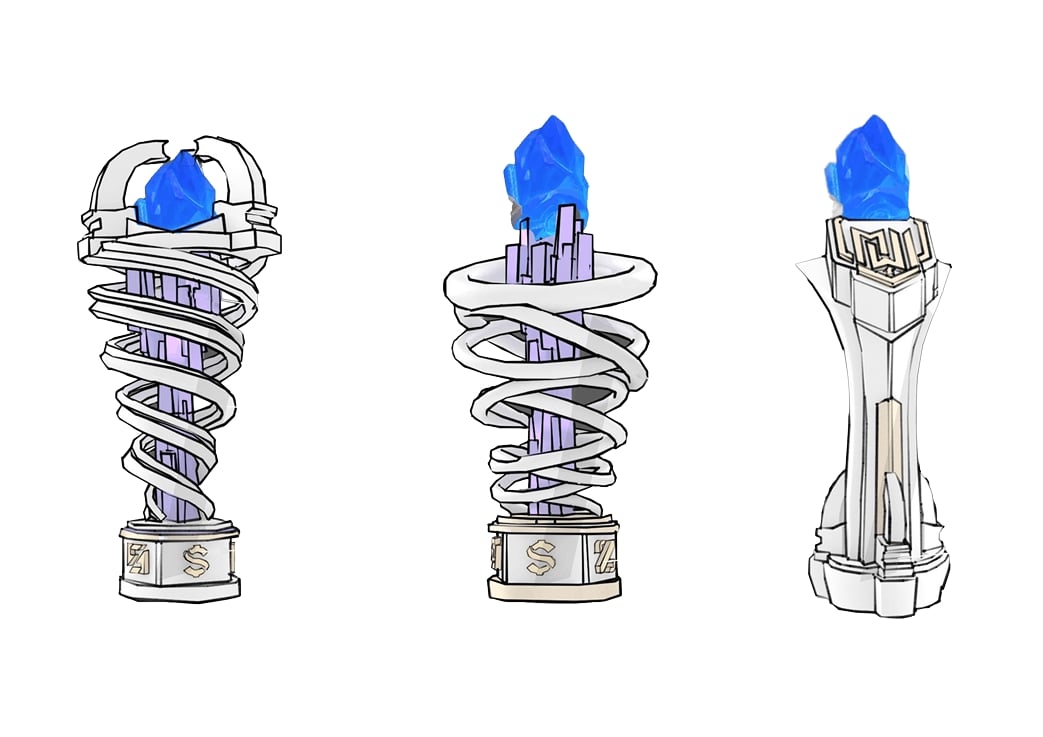
A patina is rarely left entirely as it forms. Artisans often relieve the high points, gently polishing raised areas to reveal the bright metal beneath while leaving the recesses dark. This creates contrast that accentuates the form and gives the piece a lively, dimensional quality. A protective wax or lacquer is then applied to stabilise the patina and protect it from further change and handling. This sealing step is important, because an unprotected patina will continue to evolve over time.
The balance between dark recesses and bright highlights is a matter of artistic judgement, and it dramatically affects the character of the finished piece. A heavily relieved patina looks bright and lively, while a subtly relieved one feels deep and antique. We discuss the desired mood with clients and tailor the finish accordingly.
Patinas in contemporary award design
While patinas carry a sense of tradition, they also have a place in modern design. A restrained black or deep brown patina on a clean geometric form can look strikingly contemporary, combining the tactile warmth of a chemical finish with a minimalist shape. Patinas also pair beautifully with other elements, a patinated bronze figure mounted on a clear acrylic or polished metal base, for instance, creating a dialogue between old and new. Within our custom trophy service, we often blend patinated components with modern materials to produce awards that feel both timeless and current.
Care and longevity
A sealed patina is stable and long lasting, but it should be treated with respect. The protective wax or lacquer guards the surface, and gentle cleaning with a soft dry cloth is all that is usually needed. Harsh chemicals and abrasives should be avoided, as they can damage both the sealant and the patina beneath. Handled with care and displayed indoors, a patinated award retains its beauty for generations, and indeed many people find that patinas only grow more characterful with time.
Frequently asked questions
Will a patina keep changing after I receive the award? A properly sealed patina is stabilised and will remain largely as delivered. The sealant prevents the ongoing reaction that would otherwise continue to alter the colour.
Is every patina unique? Yes, to a degree. The hand applied nature of the process means subtle variation is inherent, which is part of the appeal. We can control the overall tone and character closely while embracing this individuality.
Can a patina be applied to any metal? True chemical patinas work best on bronze, brass, and copper. Other metals can achieve related effects through different techniques, which we can advise on.
How do I commission a patinated award? Begin through our online design tool. We respond within 24 hours and deliver worldwide.
Related terms