Transparent Materials

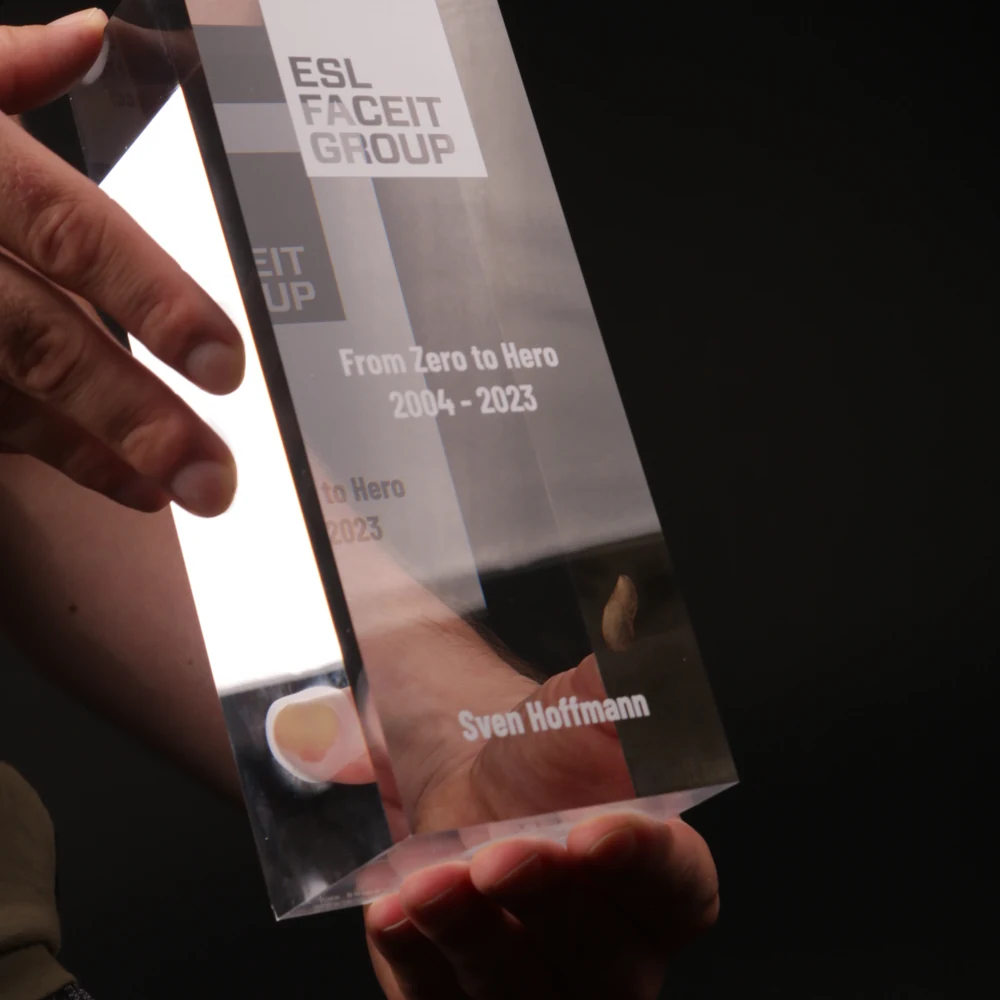
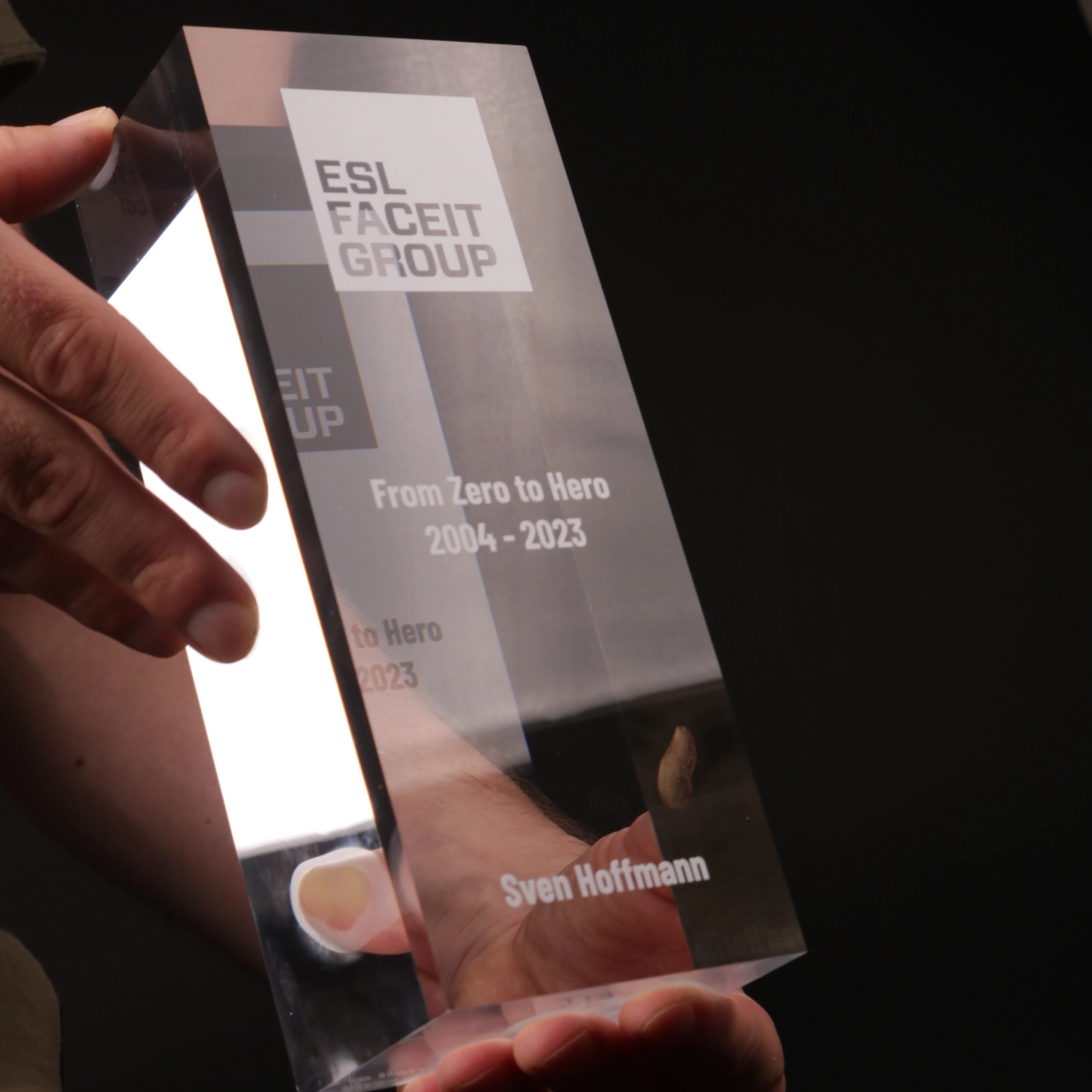
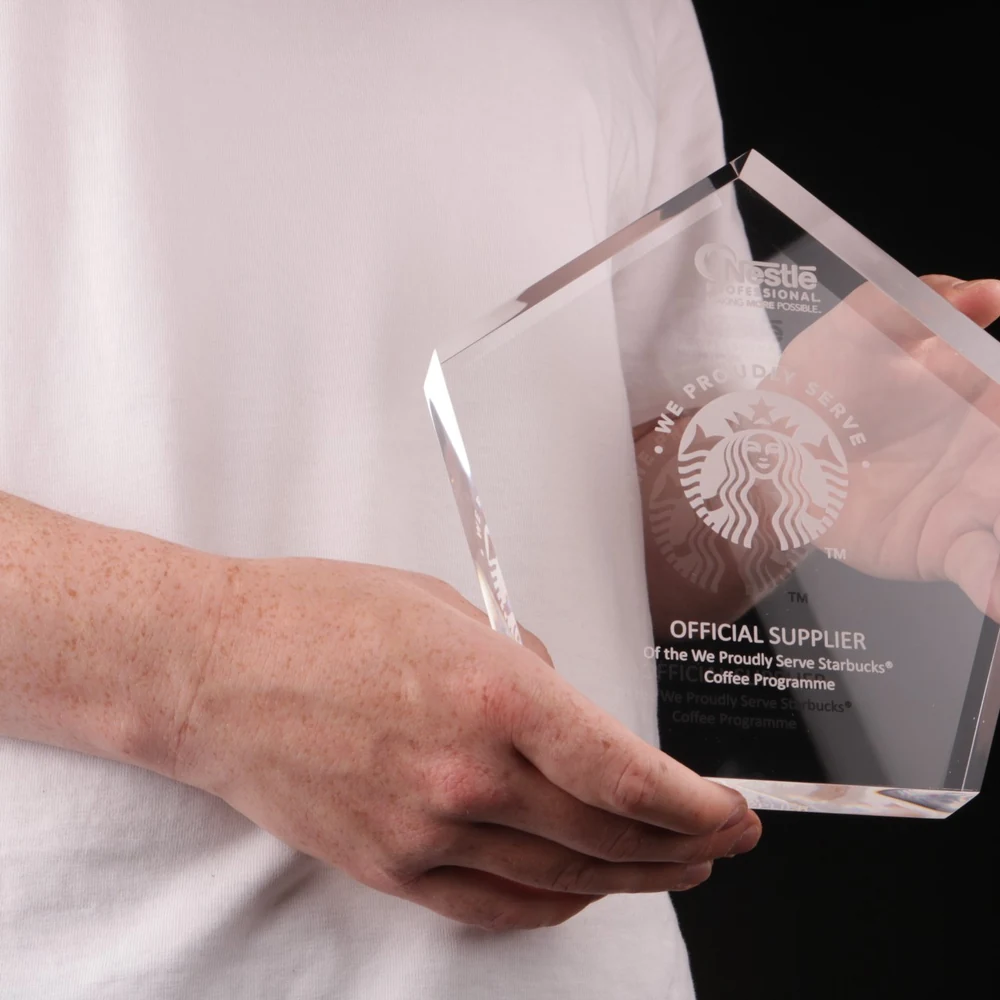
Transparent materials are selected when clarity, light interaction and refined presence define the award concept. Their optical depth and engineered finish create a sense of prestige that coated materials cannot replicate.

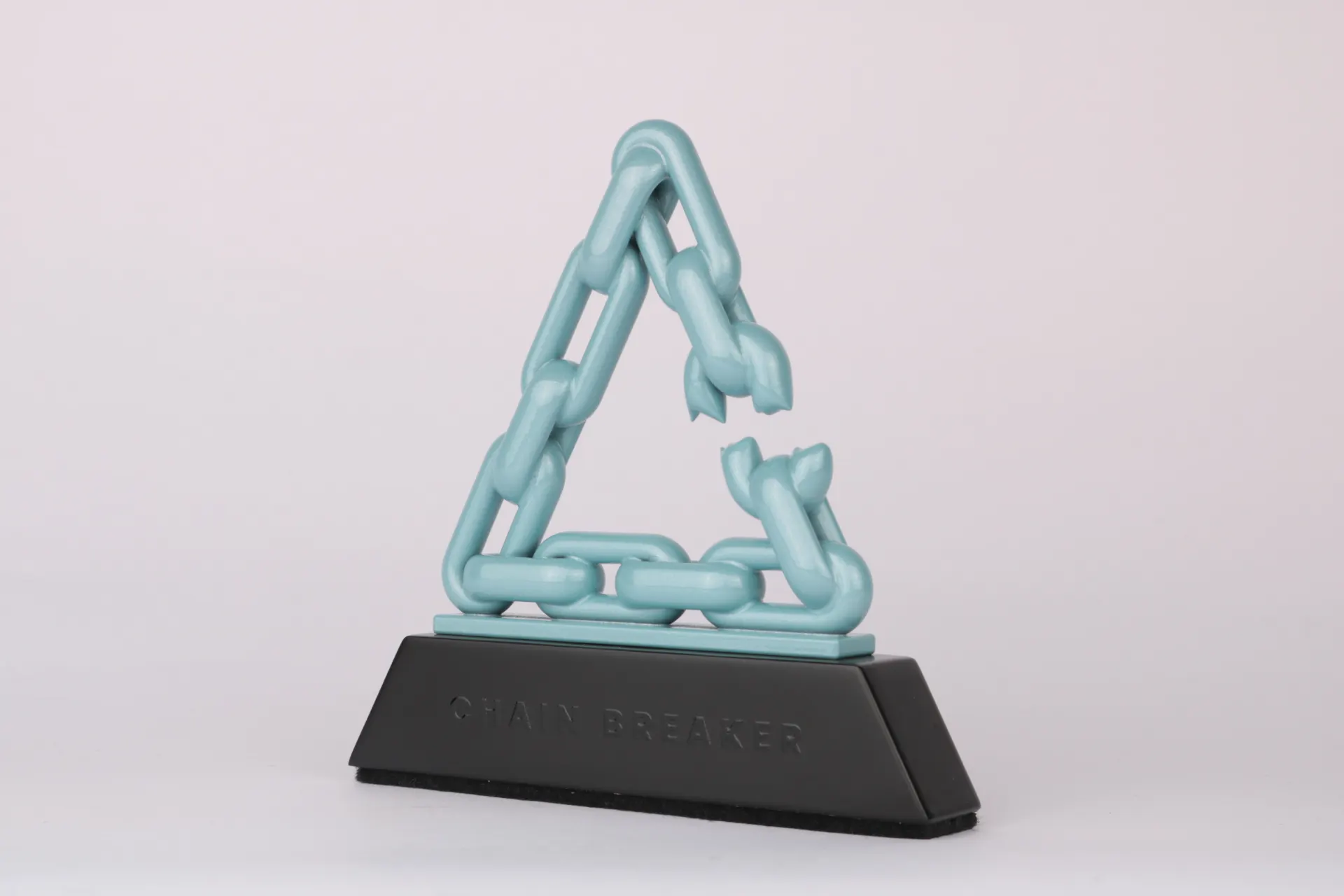
Used intentionally, they introduce brilliance, depth and controlled reflection into trophy design. From molded acrylic to transparent 3D printed resin, Fabit engineers them all.

Why transparent materials perform differently

Unlike opaque substrates, transparent materials interact with light internally. This creates depth without layering and brilliance without surface coatings.

Optical depth through light transmission

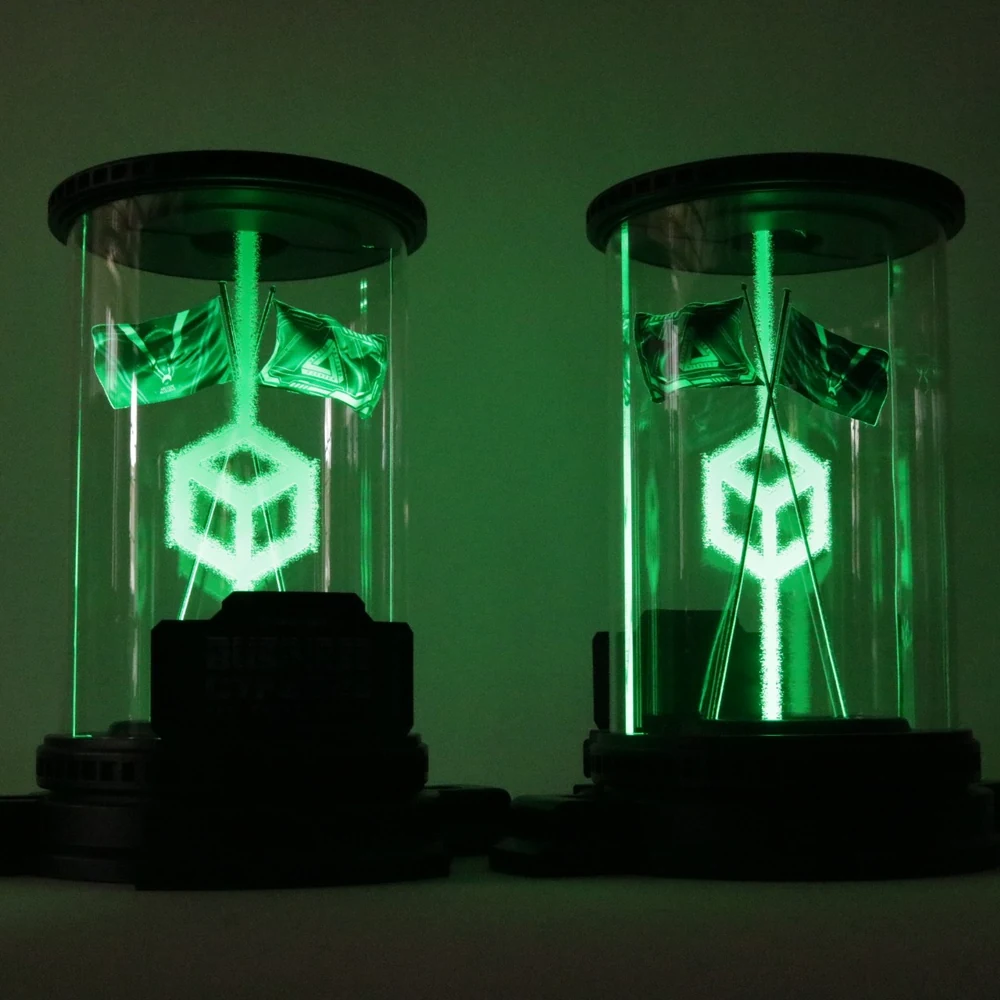
Cast acrylic and transparent resin carry light through the body of the piece, generating highlights and a subtle internal glow.


This makes them particularly powerful for ceremonial pieces displayed under controlled lighting.

Precision shaped geometry

Sharp edges, clean transitions and controlled polishing determine the clarity of the final piece. Surface discipline is critical to avoid distortion.

Engineered tonal control

Transparent resin can be tinted in blue, purple, amber or custom tones while remaining clear. Color becomes part of the optical effect rather than a surface layer.

Light driven design engineering

Transparency requires precision.

Every transparent component is digitally aligned with its base, structural supports and adjoining materials. Internal stress points, wall thickness and mounting systems are defined during the engineering phase.

Because the material reveals imperfections easily, tolerance levels are stricter than with opaque substrates. Polishing, edge finishing and surface refinement are controlled to ensure clarity without distortion.

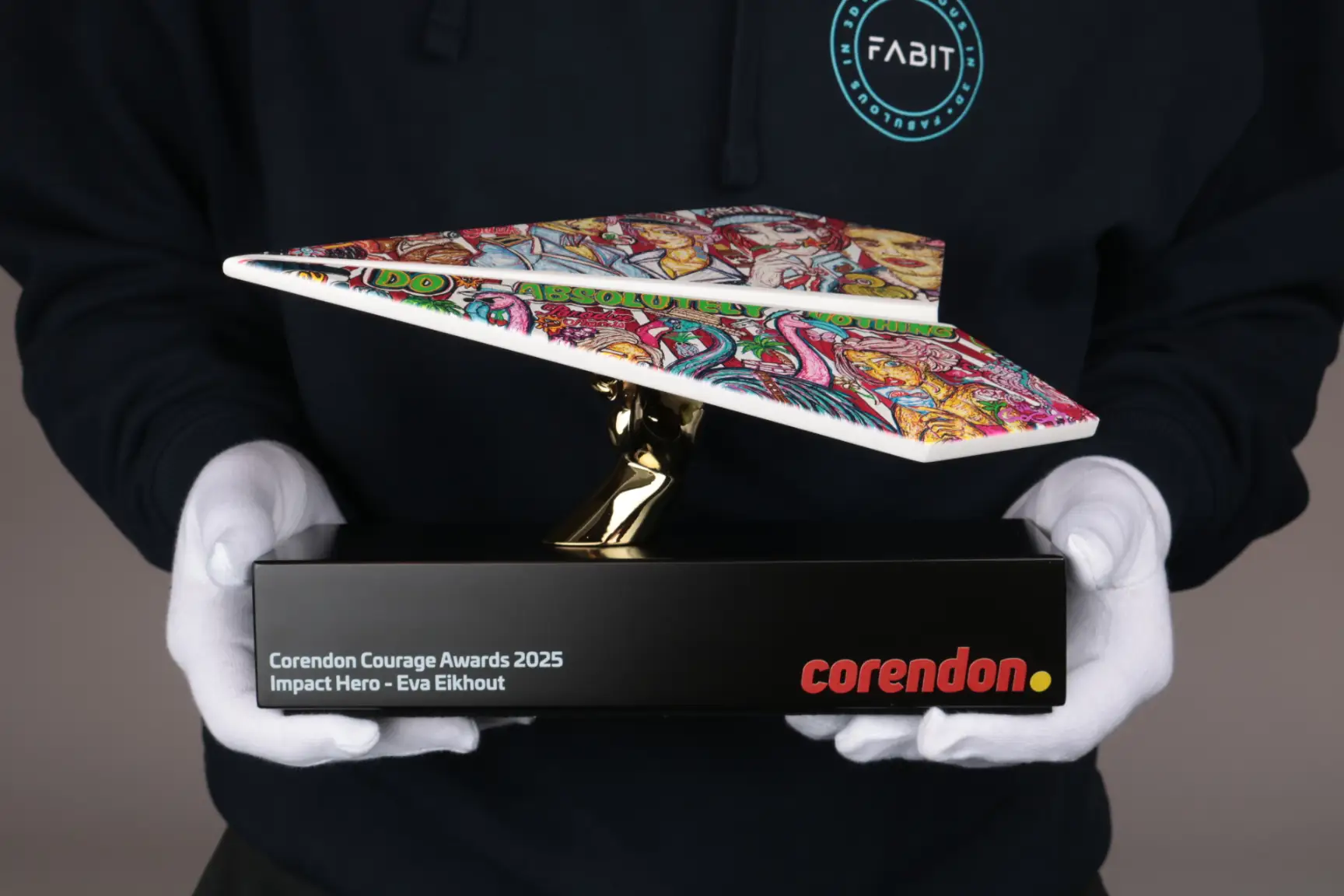
When combined with metal bases, engraved plaques or printed detailing, transparent materials introduce contrast between transparency and solidity.

Light becomes part of the composition.

Glass Fabit 4
Glass Fabit 5

When transparent material is the right choice

Light interaction and clarity must be engineered before production begins.

Precision shaped transparency

Acrylic and transparent resin are cut, cast or printed for sharp geometry and clean edge definition. Shaping precision determines how light travels through the material, directly influencing brilliance and visual clarity.


Optical surface refinement

Polished or beveled edges enhance internal reflection and depth. Finishing is calibrated to balance high gloss brilliance with controlled diffusion for either stage presence or executive refinement.

Engineered structural integration

Transparent components require precise mounting and stress controlled bonding. Structural supports and metal bases are integrated early to ensure stability without visible distortion.

Where transparent materials make the difference

Transparent materials are particularly effective when refinement, ceremony and executive prestige are central to the award.

They are preferred for financial milestones, corporate leadership recognition and high end ceremonial trophies where brilliance and clarity must communicate value immediately.

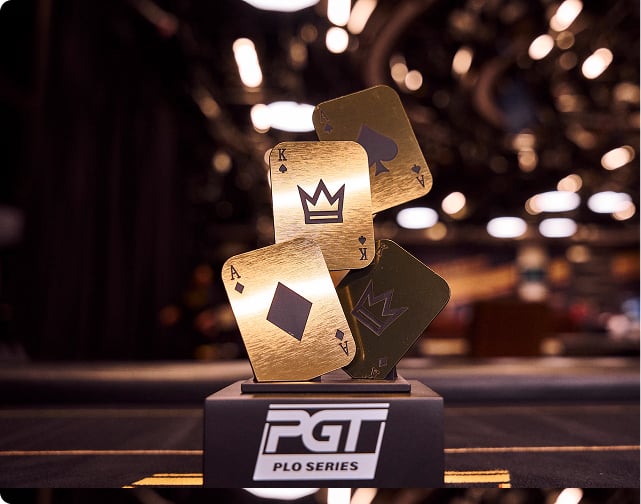
They also perform exceptionally well when integrated with metallic elements or precision engraving. The contrast between polished transparency and structured metal creates visual hierarchy and balance.

Because of their optical qualities and design flexibility, they shape light in ways opaque materials cannot, making them ideal for formal, ceremonial environments.

Transparency communicates status.

2019 12 20191206 Bart Oerbekke EPL Odense 33084 1

Reviews

Bespoke trophies & awards for sports, esports, corporate and global events.

Frequently Asked Questions

Transparent materials require careful engineering and finishing. Below you will find detailed answers about durability, engraving, combinations and long term performance.

Twikit 192 1 1
Shari Supratno

Senior Account Manager

We work with cast and molded acrylic, plexiglass and transparent 3D printed resin. Each is selected for its optical clarity, design flexibility and suitability for the specific award concept, rather than a single fixed material.

Yes. Engineered acrylic and resin are impact resistant, lightweight and stable over time, making them well suited for shipping worldwide and for long term display.

Yes. Surface engraving, UV printing and embedded detailing allow logos, text and color accents to be integrated with high precision while preserving optical clarity.

Absolutely. They are frequently integrated with metal bases, printed elements and finishes to create contrast between transparency and solidity.

High grade acrylic and resin are formulated for color and clarity stability. Proper finishing and protective treatment safeguard against yellowing and surface wear.

Ready to Design
Your Next Iconic Trophy?

Let’s create something worth celebrating

Share your idea with us. We’ll design and produce a custom trophy that fits your brand,
your moment and your ambition, from first sketch to worldwide delivery.