Brass is a copper and zinc alloy prized for custom awards because it delivers a warm, golden lustre, machines and casts beautifully, and ages with quiet dignity rather than looking worn. For any organisation commissioning a trophy that should feel considered rather than mass produced, brass sits at the intersection of beauty, workability and value. It carries the visual warmth of gold at a fraction of the cost, takes fine engraving and intricate detail, and responds to a wide range of finishes, from mirror polish to brushed satin to deliberately patinated surfaces. At Fabit, brass is one of the materials our studio in Antwerp returns to again and again when a client wants an award with genuine presence in the hand.
What brass actually is
Brass is not a single fixed recipe but a family of alloys. The two headline ingredients are copper and zinc, and the ratio between them changes everything. Higher copper content pushes the colour toward a deep, reddish gold and improves corrosion resistance. Higher zinc content brightens the tone toward pale yellow and increases hardness. Small additions of other elements, such as lead for machinability or tin for extra corrosion resistance, tailor the alloy to a specific job. For awards, the alloys most often specified are the free machining and forging grades, because they hold crisp edges and fine surface detail, which matters enormously when a design includes engraved names, logos or sculptural relief.
Because brass is fundamentally a copper alloy, it shares copper’s most useful trait for craftspeople: it is soft enough to work by hand yet substantial enough to feel serious. That combination is why brass has been used for centuries in instruments, hardware and ceremonial objects, and why it still feels right for a trophy meant to be kept for decades.
Why brass suits premium awards
The first reason is colour. Brass gives you gold’s warmth without the price or the fragility of solid gold. Under warm event lighting it glows; under daylight it reads as refined and grown up. The second reason is weight. A brass award has heft, and weight is one of the strongest non verbal signals of quality a recipient experiences the moment they pick a piece up. The third reason is longevity. Brass does not rust. Left untreated it develops a patina, a soft darkening that many clients actively want because it tells the story of time passing. Sealed or lacquered, it stays bright almost indefinitely with minimal care.
There is also a practical manufacturing advantage. Brass is forgiving to machine, cast and finish, which means our team can execute demanding geometries, undercuts and fine text without the tooling headaches that harder materials introduce. That translates directly into sharper detail on the finished award.
Finishes available on brass
One material, many personalities. The finish you choose defines how the award is read.
- Mirror polish: the brightest, most reflective option, ideal for a glamorous, high shine statement piece.
- Brushed or satin: a directional matte surface that reduces glare, hides fingerprints and reads as contemporary and understated.
- Antique patina: a controlled darkening that emphasises recessed detail and gives a heritage, museum quality feel.
- Lacquered: a clear protective coat that locks in whichever look you chose and dramatically slows tarnishing.
- Plated: brass takes electroplating readily, so it is a common base beneath gold, nickel or chrome finishes.
Brass compared to other award metals
Against aluminium, brass wins on warmth, weight and perceived value, while aluminium wins on lightness and colour versatility. Against pewter, brass is harder, brighter and more golden, whereas pewter is softer, cooler in tone and casts extremely fine detail at low temperatures. Against sterling silver, brass is far more affordable and needs less anxious maintenance, though it cannot match silver’s cool prestige. Understanding these trade offs is part of the advisory conversation we have with every client, and you can explore the full range on our materials overview.
Engraving and personalisation
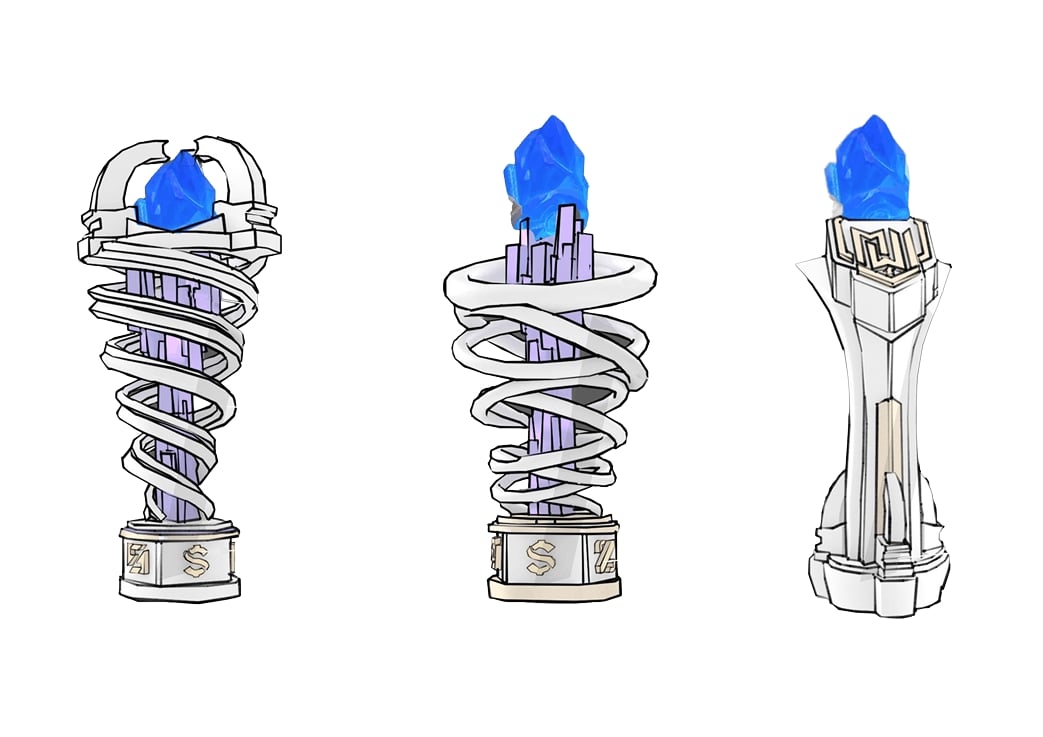
Brass is one of the best metals for engraving. It cuts cleanly, so laser engraving and traditional mechanical engraving both produce sharp, legible results. Engraved areas can be left as bright cut marks against a darker field, or filled with enamel or paint for contrast. This makes brass a natural choice when an award must carry a recipient’s name, a date, a citation or a sponsor logo, and when that text needs to survive years of handling. For designs that begin as an idea rather than a finished drawing, our custom trophy service guides the piece from concept sketch through to engraved, finished object.
Caring for a brass award
Care depends on the finish. A lacquered brass award needs almost nothing beyond an occasional wipe with a soft, dry cloth. An unlacquered piece will slowly patinate, which is either a feature or a maintenance task depending on your taste. If you want to keep bare brass bright, an occasional gentle polish with a dedicated brass cleaner restores the shine. What you should avoid is abrasive pads and harsh chemicals, which scratch the surface and strip protective coatings. We provide finish specific guidance with every commission so recipients know exactly how to keep their award looking its best.
When we recommend brass
We steer clients toward brass when they want warmth, heft and a timeless, slightly traditional feel, and when budget rules out solid precious metals but the piece still needs to feel luxurious. It is an excellent choice for milestone awards, long service recognition, industry honours and any occasion where the object is meant to be displayed and treasured rather than tucked away. Brass also pairs beautifully with wood, glass and stone bases, giving designers room to build contrast into a composition.
Frequently asked questions
Does brass tarnish? Bare brass develops a patina over time. A clear lacquer prevents this and keeps the surface bright with virtually no upkeep.
Is brass heavy? Yes. Brass is dense, which gives awards a reassuring weight that recipients immediately associate with quality.
Can brass be plated? Absolutely. Brass is a common base for gold, nickel, chrome and rhodium plating, so you can combine its workability with the surface of a more precious metal.
Is brass suitable for outdoor awards? It performs well outdoors, especially when lacquered, though exposure will accelerate patina on unsealed surfaces.
Brass rewards thoughtful design and skilled making, which is exactly why it remains a cornerstone material in the Fabit studio. If you are weighing it against other options, or want to see how a brass piece would look with a particular finish, you can begin exploring configurations in our online design tool and our team will respond within 24 hours to refine the concept with you.
Related terms