Sterling silver is a precious metal alloy of 92.5 percent pure silver and 7.5 percent copper, chosen for the most prestigious bespoke awards because it delivers unmatched brightness, genuine intrinsic value and the gravitas of a hallmarked precious metal. When an award must communicate the very highest level of recognition, sterling silver is the material that carries that message without a word. It is the traditional metal of trophies, presentation pieces and heirloom objects, and the Fabit studio works it for commissions where nothing less than a solid precious metal will do.
What sterling silver is
Pure silver is too soft for practical objects, so it is alloyed for strength. The sterling standard, 92.5 percent silver to 7.5 percent other metal, usually copper, is the internationally recognised balance that keeps silver’s beauty while adding enough durability for functional and decorative use. That 92.5 figure is why sterling is stamped 925. The copper addition gives the alloy the hardness needed to hold form, take detail and survive handling, without meaningfully dulling silver’s famous whiteness and reflectivity.
Why sterling silver is the prestige choice
Sterling silver has the highest reflectivity of any metal, which means a polished silver award is brighter and whiter than chrome, nickel or plated finishes. That brilliance reads instantly as luxury. Beyond appearance, sterling carries intrinsic value. It is a precious metal with a real market worth, so a sterling award is genuinely valuable as an object, not merely as a symbol. It can be hallmarked, giving it a formal, verifiable stamp of quality and metal content that plated pieces cannot claim. Together these qualities make sterling the material for lifetime achievement honours, major industry prizes and awards intended to become family heirlooms. You can compare it against our other options on the materials overview.
Solid silver versus silver plating
It is important to distinguish sterling silver from silver plating. A sterling piece is solid precious metal throughout. A silver plated piece is a base metal such as brass or nickel silver with a thin layer of silver on the surface. Plating looks similar when new and costs far less, but it lacks the weight, intrinsic value and hallmarking of solid sterling, and the plating can eventually wear. We are always transparent with clients about which they are commissioning, because the difference in value and longevity is significant. For many budgets, our silver plating option offers the look at a fraction of the cost, while sterling remains the choice when genuine precious metal content matters.
Weight, value and hallmarking
A sterling silver award has substantial weight, both physical and financial. Because it is a precious metal, its cost scales with size and the prevailing silver price, so larger pieces represent a serious investment. In many jurisdictions sterling can carry official hallmarks certifying its purity, maker and assay, which adds provenance and confidence. This formal pedigree is part of what makes sterling feel so serious and permanent, and it is a conversation we have early in any commission because it shapes both budget and design scale.
Finishing sterling silver
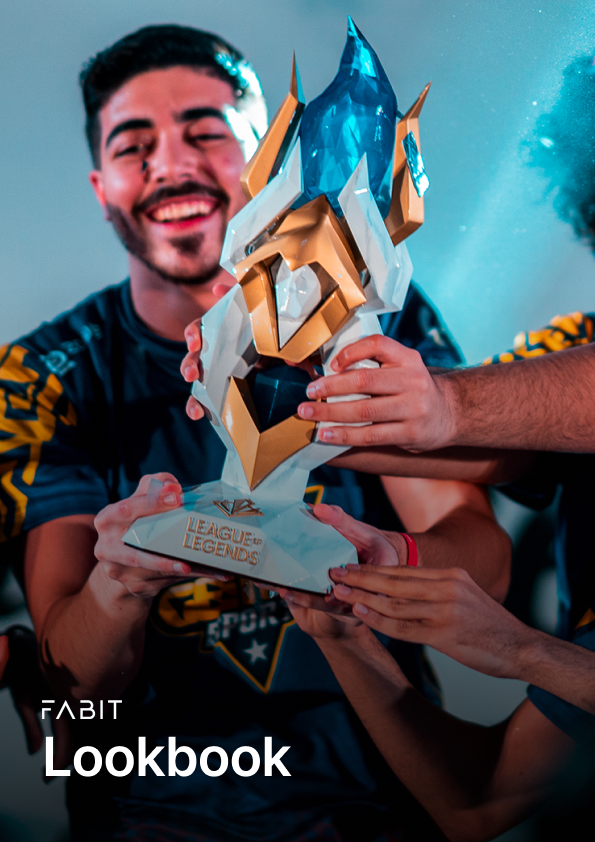
Sterling takes a range of finishes beautifully.
- Mirror polish: the classic dazzling white brilliance associated with fine trophies.
- Satin or brushed: a softer, contemporary sheen that reduces glare and fingerprints.
- Oxidised detail: deliberately blackened recesses that dramatise engraving and relief.
- Rhodium plated: sterling can be rhodium finished to resist tarnish and add extra hardness and shine.
Engraving and personalisation
Silver is a superb engraving metal, soft enough to cut cleanly yet firm enough to hold crisp lines. Hand engraving on sterling is a centuries old craft that produces flowing, elegant script and detailed heraldic work. Machine and laser engraving are equally effective. Engraved citations on sterling have a permanence and prestige that suit the material’s status. When a piece begins as a concept, our custom trophy service develops it into a finished, hallmarkable award.
Caring for a sterling silver award
Sterling’s one demand is tarnish management. Silver reacts with sulphur compounds in the air and slowly darkens, which is why heirloom silver needs periodic care. Regular gentle polishing with a proper silver cloth or cream keeps it bright, and storing it in a tarnish resistant cloth or with anti tarnish strips slows the process. A rhodium finish can largely eliminate this maintenance. What must be avoided is abrasive cleaners, which scratch the soft surface. We provide detailed care instructions so a sterling award stays as brilliant as the day it was presented.
When we recommend sterling silver
We reserve our recommendation of solid sterling for the pinnacle occasions, lifetime achievement, founder recognition, flagship industry awards and pieces explicitly intended to be treasured across generations. It is the choice when the award should be genuinely valuable, formally hallmarked and unmistakably prestigious, and when budget allows for a precious metal commission. For everything below that summit, silver plating over a quality base offers a compelling and far more economical alternative.
Frequently asked questions
What does 925 mean? It marks 92.5 percent silver content, the sterling standard.
Does sterling silver tarnish? Yes, it darkens over time and needs periodic polishing, though a rhodium finish greatly reduces this.
Is sterling worth more than plated silver? Considerably. Sterling is solid precious metal with intrinsic value, while plating is a thin surface layer over base metal.
Can sterling be hallmarked? Yes, which gives it formal, verifiable provenance that plated pieces cannot have.
Sterling silver is the material of ultimate recognition, and commissioning one is a considered investment in an object meant to last for generations. If you are planning a flagship award, you can begin the conversation through our online design tool, and our Antwerp team will respond within 24 hours to guide the design, scale and hallmarking.
Related terms