Silver plating is an electroplating process that bonds a thin layer of pure silver onto a base metal, giving a bespoke award the bright, prestigious whiteness of silver at a fraction of the cost of solid sterling. Silver has always been the colour of achievement and refinement, and silver plating makes that classic look accessible for awards of every scale and budget. It pairs a durable, affordable base with the luminous surface of real silver, and it is a finish the Fabit studio applies with the same care for base preparation that defines quality plating.
How silver plating works
In electroplating, an electric current deposits a fine layer of pure silver onto a prepared conductive base, most often brass or nickel silver. The base is thoroughly cleaned and typically given intermediate layers, commonly copper and nickel, to improve adhesion and brightness before the silver is applied. The finished award is structurally its base metal but presents pure silver on every visible surface. As with all plating, the quality of the preparation beneath the silver determines how bright and durable the final result will be.
Silver plating versus solid sterling silver
The core distinction is between surface and substance. Solid sterling silver is precious metal throughout, carries intrinsic value, can be hallmarked and commands a premium price that scales with size. Silver plating gives the same bright surface appearance for a small fraction of that cost, because only a microscopically thin layer is actual silver over a base metal core. The trade off is that plating has no meaningful intrinsic metal value and the silver layer can eventually wear on heavily handled areas. For most awards, where the look and prestige matter more than precious metal content, plating is the practical, sensible choice, while sterling is reserved for the very highest tier. Both sit side by side on our materials overview so clients can weigh them clearly.
Why silver plating suits premium awards
Silver reads as classic, formal and prestigious, the traditional colour of trophies and presentation pieces. A silver plated award delivers that immediately recognisable brilliance without the investment sterling demands, which means budget can go toward a larger or more ambitious design. Because the base metal supplies strength and weight, a plated piece still feels substantial and serious in the hand. This combination of appearance, heft and affordability is why silver plating is so widely specified across our custom trophy commissions, from corporate recognition to sporting honours.
Understanding plating thickness
As with gold, thickness governs durability. A thin flash of silver gives the colour but wears relatively quickly, while a heavier deposit resists wear far longer on areas that are touched. There is an honest trade off between cost and longevity, and we specify the thickness on every commission rather than leaving it ambiguous. For display awards a moderate thickness is ideal, while pieces expected to be handled benefit from a heavier layer. This transparency ensures clients know exactly what they are receiving and how long it will keep its shine.
Finish options with silver plating
The underlying surface shapes the final look.
- Bright polish: maximum mirror like brilliance, the classic dazzling trophy finish.
- Satin or brushed: a softer, contemporary sheen that reduces glare and hides fingerprints.
- Oxidised detail: darkened recesses that dramatise engraving and relief for contrast.
- Rhodium topcoat: a rhodium finish over silver plate can add tarnish resistance and extra hardness.
Tarnish and how plating compares
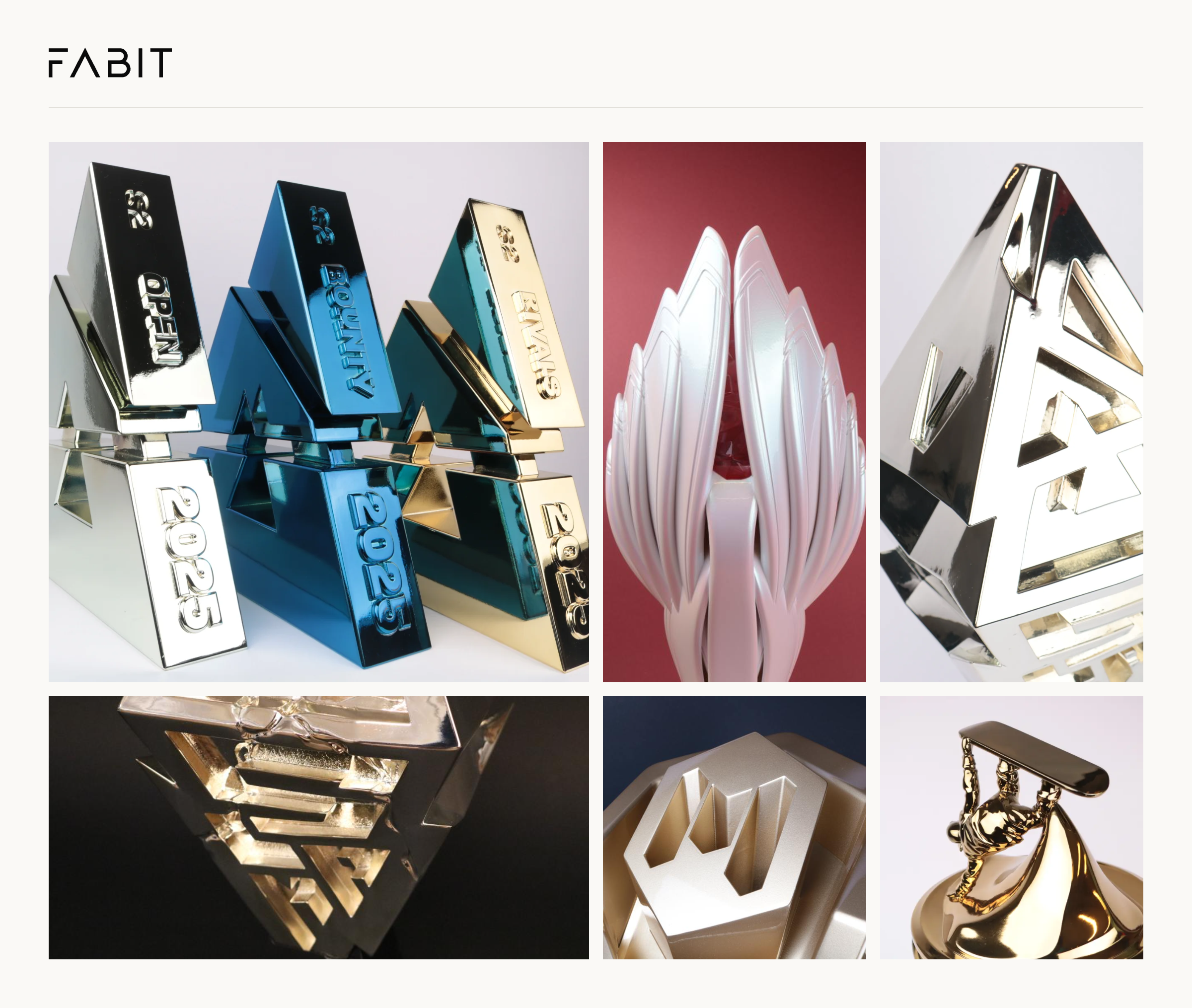
Plated silver, like solid silver, will slowly tarnish because silver reacts with sulphur compounds in the air. This means periodic gentle care keeps a plated award bright, just as with sterling. The difference is that on a plated piece, aggressive polishing risks wearing through the thin silver layer, so a light touch is essential. For clients who want silver’s look without tarnish maintenance, a rhodium finish over the plating is an excellent solution, effectively eliminating the need for polishing while keeping the bright white appearance.
Engraving on silver plated awards
Engraving a plated piece cuts through the silver to the base metal, so the sequence matters. Engraving before plating lets the silver cover the detail, while engraving after plating creates deliberate contrast but exposes base metal in the cut lines. We plan the engraving and plating order together at the design stage to achieve the intended result and protect the finish, ensuring personalised names and citations look crisp and endure.
Caring for a silver plated award
Clean a silver plated award only with a soft cloth and, when needed, a gentle silver cleaner used sparingly, never abrasive pads or harsh chemicals that would wear the plating. Storing it away from humidity and with anti tarnish materials slows darkening. Handling with clean hands protects both the shine and the plating layer. A rhodium topcoat largely removes the tarnish concern altogether. We provide finish specific care instructions with every silver plated commission.
When we recommend silver plating
We recommend silver plating whenever a client wants the classic, prestigious silver look at a sensible cost, which covers the great majority of formal awards. It is ideal for corporate recognition, sporting trophies, annual honours and any occasion where the traditional brilliance of silver is desired without the expense of solid sterling. When genuine precious metal content and hallmarking are essential, we point clients toward sterling instead, but for most purposes plating delivers the look beautifully.
Frequently asked questions
Is silver plating real silver? Yes, it is a genuine thin layer of pure silver bonded to a base metal.
Does silver plating tarnish? Yes, like all silver it can darken over time, though a rhodium finish prevents this.
Will the plating wear off? Thin plating can wear on handled areas. Heavier plating and gentle care extend its life significantly.
Is it worth as much as sterling? No. Plating gives the look without the intrinsic precious metal value of solid sterling.
Silver plating is how the timeless prestige of silver becomes achievable for awards of every scale. If you want a bright, classic piece, you can begin configuring it in our online design tool, and our Antwerp team will respond within 24 hours to advise on thickness, finish and tarnish protection.
Related terms