Nickel plating is an electroplating process that deposits a layer of nickel onto a base metal, producing a warm, slightly yellow tinted silver finish that is durable, corrosion resistant and softer in character than the cooler brilliance of chrome. Nickel occupies a valuable middle ground in the plating world, offering more warmth than chrome, more durability than silver, and a versatile, refined appearance that suits both contemporary and classic awards. It is a finish the Fabit studio uses both as a beautiful surface in its own right and as the essential foundation beneath other platings.
How nickel plating works
Nickel is deposited onto a prepared conductive base, commonly brass, through electroplating, usually over a copper underlayer that promotes adhesion and smoothness. Nickel plating comes in two main types, bright and satin. Bright nickel produces a shiny, reflective surface, while satin or brushed nickel gives a soft, understated matte sheen that has become extremely popular in contemporary design. The type chosen fundamentally changes the award’s character, from glossy and formal to muted and modern.
The distinctive warmth of nickel
Nickel’s defining trait is its tone. Where chrome is cool and blue and silver is bright and neutral, nickel carries a subtle warm, slightly golden undertone. This warmth makes nickel feel softer and more inviting than the clinical brilliance of chrome, which is precisely why satin nickel has become a favourite in architecture, interiors and product design. On an award, this gentle warmth reads as refined and understated rather than flashy, giving pieces a quiet confidence. You can compare its tone against chrome and silver on our materials overview.
Nickel as the foundation of other finishes
Nickel plays a role in metal finishing that goes far beyond its own appearance. It is the standard underlayer beneath chrome, and it is frequently used beneath gold and silver plating too, because it provides a hard, bright, smooth and corrosion resistant base that dramatically improves the final finish. When you admire a flawless chrome or gold award, there is almost always a layer of nickel doing crucial work underneath. Understanding this is key to understanding plated awards in general, because the quality of the visible finish depends heavily on the nickel beneath it.
Why nickel suits premium awards
Nickel offers an appealing balance of properties. It is considerably harder and more durable than silver or gold plating, resisting scratches and everyday wear. It resists tarnish and corrosion far better than silver, so it stays looking good with minimal maintenance. And its warm tone and satin finish option give it a contemporary, sophisticated look that suits modern corporate and design awards beautifully. This blend of durability, low maintenance and refined appearance makes nickel a versatile, dependable choice across our custom trophy commissions.
Nickel compared to chrome and silver
These finishes are close cousins but distinct. Silver, plated or solid, is the brightest and warmest white but is soft and tarnishes. Chrome is the coolest, hardest and most mirror like, with a blue tone and superb corrosion resistance. Nickel sits between them, warmer than chrome, more durable and tarnish resistant than silver, and available in a distinctive satin finish that neither of the others matches as naturally. For a contemporary award that should feel warm and understated rather than icy and mirror bright, nickel is often the ideal middle path. We help clients choose based on the mood and setting of the piece.
Finish options with nickel
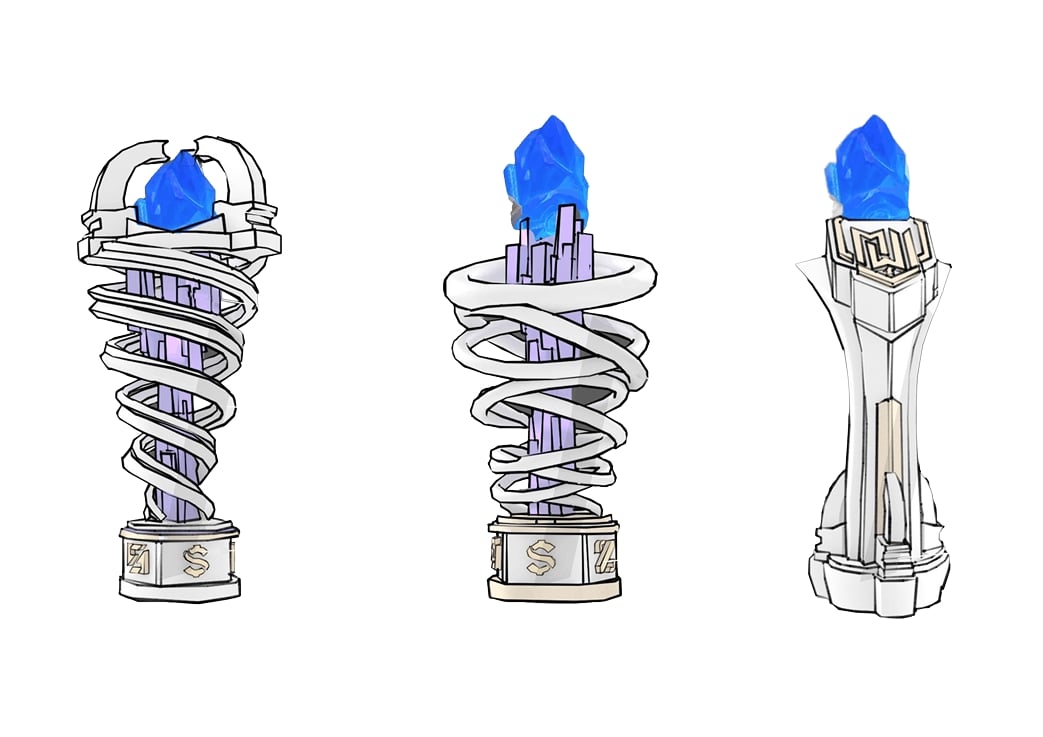
Nickel is prized for its finish versatility.
- Satin or brushed nickel: the popular soft, matte, warm sheen, understated and modern.
- Bright nickel: a shinier, more reflective surface for a more formal, polished look.
- Black nickel: a specialised dark, smoky finish for dramatic contemporary designs.
Design considerations with nickel
Satin nickel’s matte surface is forgiving of fingerprints and minor handling, which makes it practical for awards that will be picked up and admired, an advantage over highly reflective finishes that show every smudge. Bright nickel, being more reflective, shows the quality of the base preparation, so a smooth foundation is important. Nickel’s durability means it holds detail and edges well and survives handling gracefully. These practical qualities make it a designer friendly finish that performs reliably across many award styles.
Engraving and personalisation
Nickel plated awards can be personalised in several ways. Engraving can be planned before plating so the finish covers the detail cleanly, or the base and plaque elements can carry engraved or printed text. Laser marking works on nickel surfaces for names and citations. Because nickel is durable, the personalised elements hold up well over time. We plan the personalisation and plating sequence together at the design stage to ensure a clean, lasting result.
Caring for a nickel plated award
Nickel is low maintenance. Its good corrosion resistance means it does not tarnish the way silver does, so routine care is simply wiping with a soft, slightly damp cloth. Satin finishes hide fingerprints well, further reducing upkeep. As with any plating, abrasive cleaners and harsh chemicals should be avoided to protect the surface, but nickel is robust and forgiving in normal display and handling. We provide simple care guidance with every nickel plated commission.
When we recommend nickel plating
We recommend nickel, especially satin nickel, for contemporary awards that should feel warm, refined and understated rather than dazzling. It suits modern corporate recognition, design and architecture awards, and any piece where a sophisticated, low key metallic finish is wanted. Nickel is also our default when a plated award needs maximum durability with minimal maintenance. For maximum cool brilliance we would suggest chrome, and for classic warm brightness, silver, but for balanced, versatile refinement, nickel is hard to beat.
Frequently asked questions
Does nickel plating tarnish? It resists tarnish and corrosion far better than silver, needing only minimal care to stay looking good.
How is nickel different from chrome? Nickel is warmer in tone with a subtle golden undertone, while chrome is cooler and bluer. Nickel also offers a popular satin finish.
Why is nickel used under other finishes? It provides a hard, bright, smooth base that improves the durability and appearance of chrome, gold and silver plating.
Is nickel durable? Yes, it is significantly harder and more wear resistant than silver or gold plating.
Nickel plating offers warmth, durability and understated refinement, making it a versatile choice for modern awards. If you want a sophisticated satin or bright finish, you can begin designing it in our online design tool, and our Antwerp team will respond within 24 hours to advise on finish and personalisation.
Related terms