Gold plating is an electroplating process that bonds a thin layer of real gold onto a base metal, giving a bespoke award the unmistakable warmth and luxury of gold at a small fraction of the cost of a solid gold piece. For clients who want the ultimate symbol of achievement, the golden trophy, without the extraordinary expense of solid precious metal, gold plating is the intelligent answer. It combines the durability and affordability of a robust base metal with the surface prestige of gold, and it is a finish the Fabit studio applies with careful attention to base preparation and plating thickness.
How gold plating works
Electroplating uses an electric current to deposit a fine layer of gold onto a conductive base metal. The base, often brass, is meticulously cleaned and usually given intermediate layers, commonly nickel and copper, which improve adhesion, brightness and durability before the gold itself is applied. The result is a piece that is structurally the base metal but visually and tactilely pure gold on every visible surface. The quality of a plated award depends enormously on this preparation, which is why craftsmanship matters as much as the gold itself.
Understanding plating thickness
Not all gold plating is equal, and thickness is the key variable. A very thin flash of gold gives colour but wears quickly. A heavier, thicker deposit, sometimes distinguished by the term gold electroplate or, at greater thickness, informally as heavy gold, lasts far longer and resists wear on handled areas. There is a genuine trade off between cost and longevity, and being clear about it is part of honest advice. For an award that will be displayed rather than handled daily, a moderate thickness balances beauty and value. For pieces expected to be touched often, a heavier deposit is worth the investment. We specify plating thickness explicitly on every commission rather than leaving it vague.
Gold plating versus solid gold
The distinction is fundamental. Solid gold is extraordinarily expensive and, in the sizes awards require, effectively impractical for most budgets. Gold plating delivers the identical visible surface, the same colour, shine and warmth, for a tiny fraction of the price, because only a microscopically thin layer is actual gold. The trade off is that plating is a surface treatment, not intrinsic value, and it can eventually wear through on high contact areas, whereas solid gold is gold all the way through. For the overwhelming majority of gold coloured awards, plating is not a compromise but the sensible, standard approach. You can see how it sits alongside our other finishes on the materials overview.
Colour options in gold plating
Gold plating is not limited to one tone.
- Yellow gold: the classic warm, rich golden colour most people picture.
- Rose gold: a copper influenced pink gold that reads as contemporary and elegant.
- Bright versus satin: the underlying finish can be polished for high shine or brushed for a softer, modern look before plating.
These options let designers match the gold to the mood of the award, from traditional and ceremonial to sleek and modern.
Why gold plating suits premium awards
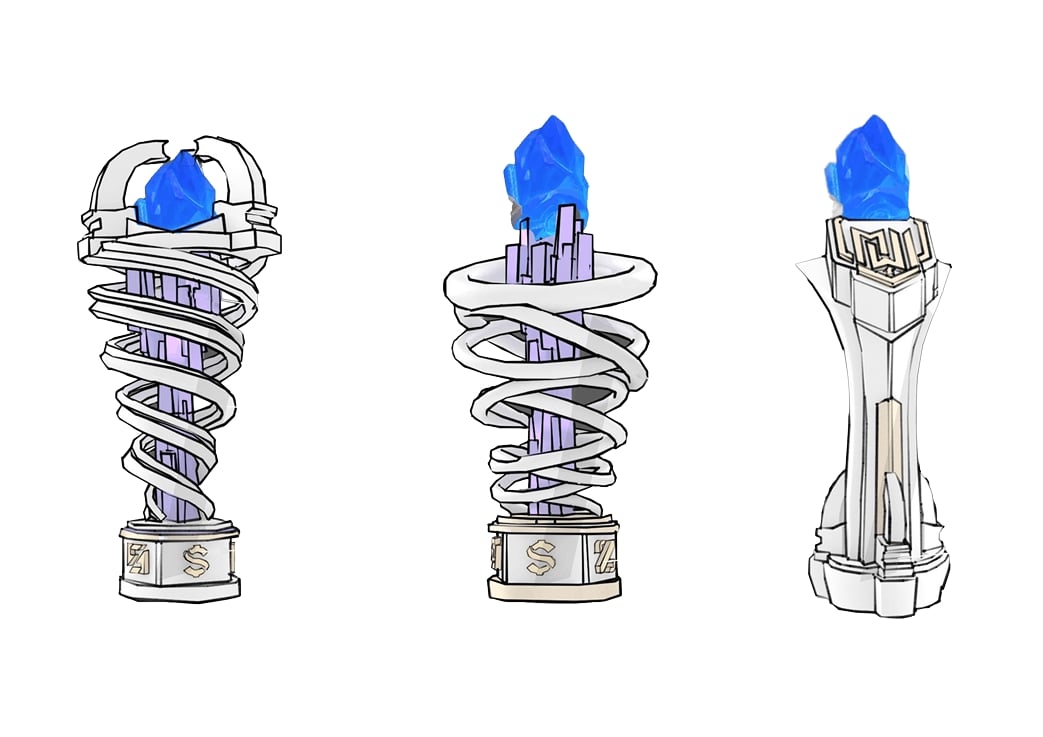
Gold is the universal symbol of first place, the highest honour and ultimate achievement. A gold finish communicates this instantly and emotionally. Plating makes that symbolism achievable at scale and within realistic budgets, which is why the vast majority of prestigious golden awards, including many world famous ones, are plated rather than solid. Because the base metal provides strength and weight, a gold plated award still feels substantial in the hand, delivering the heft that signals quality alongside the colour that signals victory. This combination of affordability, durability and unmistakable meaning is what makes gold plating so widely chosen for our custom trophy commissions.
Engraving on gold plated awards
Engraving on a plated piece requires care, because cutting through the plating exposes the base metal beneath. This can be used deliberately for contrast, or engraving can be done before plating so the gold covers the engraved detail. We plan engraving and plating sequence together at the design stage to achieve the intended look and protect the finish. For personalised citations and names on gold pieces, this planning ensures the text remains crisp and the surface remains protected.
Caring for a gold plated award
Gold plating is low maintenance but not indestructible. Gold itself does not tarnish, so a plated award keeps its colour without polishing, which is a real advantage over solid silver. The key to longevity is protecting the thin gold layer from abrasion. Clean only with a soft, dry or slightly damp cloth, never with abrasive pads, polishes or harsh chemicals, all of which can wear through the plating. Handling with clean hands and displaying away from constant contact preserves the finish for many years. We supply specific care guidance with every gold plated piece.
When we recommend gold plating
We recommend gold plating whenever a client wants a gold coloured award, which is to say for the majority of top tier recognition, victory and first place honours. It is the default, sensible route to a luxurious golden finish, and it frees budget for larger, more ambitious designs than solid gold could ever allow. We reserve heavier plating for pieces that will be handled and standard thickness for display awards, always specifying the choice clearly.
Frequently asked questions
Is gold plating real gold? Yes, it is a genuine layer of real gold, simply very thin and bonded to a base metal.
Will gold plating wear off? Thin plating can wear on high contact areas over time. Heavier plating and gentle handling greatly extend its life.
Does gold plating tarnish? No. Gold does not tarnish, so the colour stays bright without polishing.
Can I get rose gold? Yes, rose gold and yellow gold plating are both available.
Gold plating is how the timeless symbolism of gold becomes achievable for real awards and real budgets. If you want a golden piece, you can start configuring it in our online design tool, and our Antwerp team will respond within 24 hours to advise on colour, thickness and finish.
Related terms