Een follow-on offering is de uitgifte van extra aandelen door een bedrijf dat al beursgenoteerd is, waarmee het na de beursintroductie extra kapitaal kan ophalen. Ook wel secundaire openbare aanbieding genoemd: het is een van de meest voorkomende manieren waarop een beursgenoteerd bedrijf terugkeert naar de aandelenmarkten om groei te financieren, schulden af te lossen, een overname te bekostigen of grote bestaande aandeelhouders een deel van hun belang te laten verkopen. Anders dan een IPO, die een bedrijf voor het eerst bij het beleggerspubliek introduceert, bouwt een follow-on offering voort op een gevestigde handelshistorie en een bekende marktprijs.
Vier de closing met een deal tombstone op maat
Verwaterende en niet-verwaterende aanbiedingen
Follow-on offerings vallen in twee brede categorieën. Een verwaterende, ofwel primaire aanbieding creëert en verkoopt nieuwe aandelen, waardoor het totale aantal aandelen toeneemt en het bedrijf vers kapitaal ophaalt. Omdat meer aandelen nu hetzelfde onderliggende bedrijf vertegenwoordigen, bezit elk bestaand aandeel een iets kleiner deel, vandaar de term verwatering. Een niet-verwaterende, ofwel secundaire aanbieding houdt in dat bestaande aandeelhouders aandelen verkopen die ze al bezitten. Het aantal aandelen verandert dan niet en het bedrijf ontvangt geen opbrengst, maar grote houders krijgen liquiditeit.
Veel transacties combineren beide: het bedrijf geeft enkele nieuwe aandelen uit terwijl insiders in dezelfde transactie een deel van hun bezit verkopen. Weten welk type op tafel ligt is essentieel voor beleggers die de impact op hun positie beoordelen.
Hoe een follow-on offering wordt uitgevoerd
Omdat het bedrijf al beursgenoteerd is, verloopt het proces sneller dan bij een IPO. De uitgever werkt samen met investeringsbanken die de aanbieding onderschrijven, deze bij institutionele beleggers aanbieden en helpen de prijs vast te stellen, meestal met een bescheiden korting op de heersende marktprijs om vraag aan te trekken. De aanbieding kan over meerdere dagen worden aangeboden of, bij een accelerated bookbuild, 's nachts worden geprijsd om de blootstelling aan de markt te beperken. Zodra de prijs is bepaald, worden de aandelen toegewezen en komen ze in de free float terecht.
Prijsbepaling is een delicate kunst. Een te hoge korting geeft waarde weg, een te lage korting riskeert een matig ingetekende transactie. De underwriters wegen deze krachten af op basis van hun inschatting van de beleggersbehoefte.
Waarom bedrijven follow-on kapitaal ophalen
De redenen zijn divers. Een groeibedrijf kan kapitaal nodig hebben om capaciteit uit te breiden, nieuwe markten te betreden of in onderzoek te investeren. Een bedrijf met een zware schuldenlast kan aandelen uitgeven om de balans te versterken. Een overnemende partij kan geld ophalen om een deel van een overname te betalen. En een bedrijf dat herstelt van een moeilijke periode kan herkapitaliseren om schuldeisers en klanten gerust te stellen. Elk motief bepaalt hoe de markt de aanbieding ontvangt, want geld ophalen om te groeien leest heel anders dan geld ophalen om te overleven.
Marktreactie en signalering
Follow-on offerings geven signalen af. Aandelen uitgeven wanneer de koers hoog is, kan worden gelezen als opportunistisch en verstandig, terwijl uitgifte tegen een lage koers op urgentie kan wijzen. Beleggers letten er ook op of insiders meekopen bij de aanbieding of er juist in verkopen. Omdat de markt al een prijs voor het aandeel heeft, is de reactie vaak direct zichtbaar in de koers op de dag dat de aanbieding wordt aangekondigd.
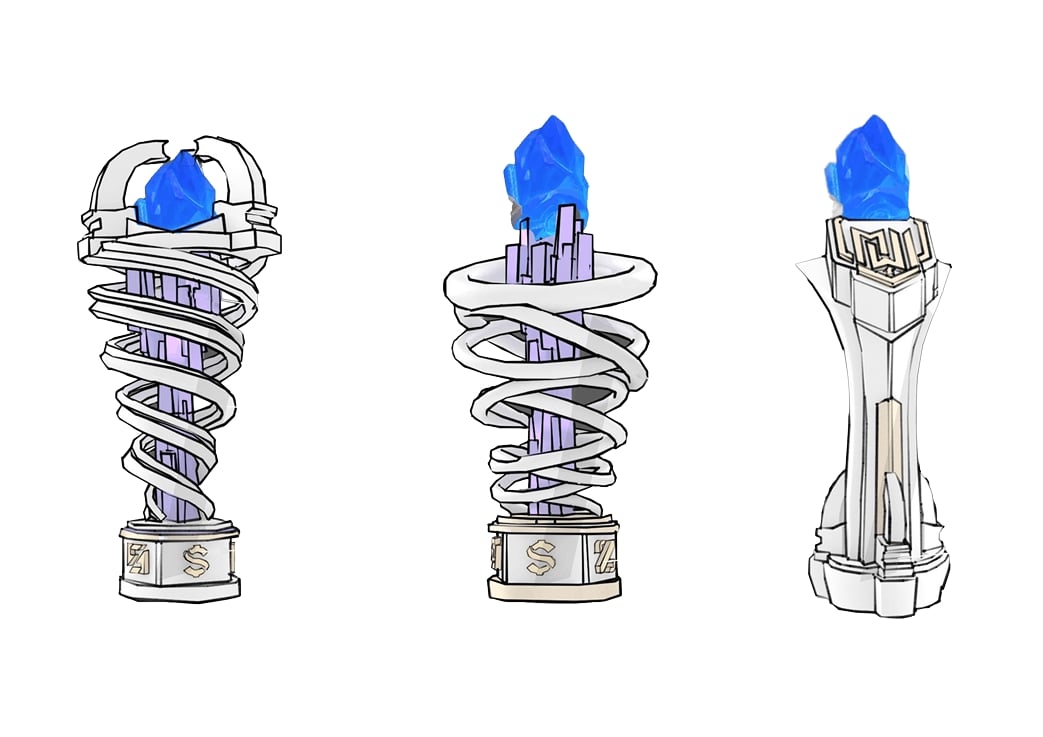
Een follow-on offering herdenken met een deal toy
Een geslaagde follow-on offering staat voor hernieuwd vertrouwen van de kapitaalmarkten en veel werk van het financiële team van de uitgever en zijn banken. Het is een vanzelfsprekende kandidaat voor een deal toy, de herdenkings-tombstone waarmee financiële professionals al generaties lang afgeronde transacties markeren. Een follow-on deal toy legt het opgehaalde bedrag, het aantal aandelen, de prijs en het syndicaat van banken vast dat het mogelijk maakte.
Bij Fabit produceren wij deze stukken in eigen productie in Antwerpen, met een combinatie van 3D-modellering, metaalbewerking en vakkundige afwerking. Een follow-on tombstone echoot vaak de beeldtaal van de oorspronkelijke IPO-deal toy, waardoor een familie van objecten ontstaat die de weg van een bedrijf op de beurs volgt. Ontdek onze aanpak voor kapitaalmarktmijlpalen op de pagina voor de financiële sector, en bekijk het vakmanschap in onze deal tombstones-service.
- Een beursgenoteerd bedrijf geeft extra aandelen uit
- Verwaterende aanbiedingen halen nieuw kapitaal op en vergroten het aantal aandelen
- Niet-verwaterende aanbiedingen laten bestaande houders verkopen
- Underwriters prijzen de aandelen met een korting op de markt
- De opbrengst financiert groei, schuldaflossing of overnames
- De afgeronde kapitaalronde wordt gemarkeerd met een deal toy op maat
Een follow-on offering-tombstone ontwerpen
Omdat een follow-on vaak volgt op een eerdere IPO, ontwerpen wij hem graag als begeleidend stuk, een tweede hoofdstuk dat materialen, silhouet of motief met het eerste deelt. Wij kunnen het opgehaalde bedrag bijwerken, een nieuwe datum toevoegen of een nieuw materiaal introduceren om de ontwikkeling van het bedrijf te laten zien. Ontvangers zijn doorgaans het treasury-team, de lead- en co-managing banken en de juridisch adviseurs. Ons schetsproces in samenspraak houdt iedereen op één lijn, en u kunt op elk moment beginnen met uw ontwerp via onze online studio.
Veelgestelde vragen
Is een follow-on offering hetzelfde als een claimemissie? Niet precies. Bij een claimemissie worden nieuwe aandelen eerst aangeboden aan bestaande aandeelhouders naar rato van hun bezit, terwijl een follow-on offering doorgaans breed wordt aangeboden aan institutionele beleggers.
Verwatert een follow-on offering aandeelhouders altijd? Alleen als er nieuwe aandelen worden gecreëerd. Bij een zuiver secundaire aanbieding, waarbij insiders bestaande aandelen verkopen, verandert het aantal aandelen niet.
Kan de deal toy aansluiten op onze oorspronkelijke IPO-tombstone? Ja. Wij ontwerpen follow-on stukken vaak als aanvulling op een eerder aandenken, zodat er in de loop der tijd een samenhangende set ontstaat.
Hoe snel kunt u een follow-on deal toy leveren? Wij reageren binnen vierentwintig uur en stemmen de productie af op uw closing en op elke viering die u hebt gepland.
Gerelateerde termen