
A leveraged buyout, or LBO, is the acquisition of a company using a large amount of borrowed money to meet the purchase price, where the assets and future cash flows of the acquired company are used as collateral for the debt and to repay it over time. The equity investors, usually a private equity firm, contribute a relatively small portion of the total price from their own funds and fund the rest through loans and bonds. The goal is to buy a business, improve it, pay down the debt using its cash flow, and eventually sell or list it at a profit that is magnified by the use of leverage.
What a Leveraged Buyout Is
The leveraged buyout is one of the signature transaction types of modern finance. Its defining feature is the debt. In a typical LBO, borrowed money might account for sixty to eighty percent or more of the total purchase price, with equity making up the remainder. Because so much of the deal is financed with debt, relatively small improvements in the company’s value translate into large percentage gains on the equity that was actually invested. That is the mathematics of leverage, and it is why private equity firms have built their industry around this structure.
The company being bought effectively finances much of its own acquisition. Its cash flows service the interest and repay the principal, and its assets secure the loans. This puts a premium on buying stable, cash generative businesses that can comfortably carry a heavy debt load without stumbling.
The term itself entered common use in the 1980s, when a wave of large, debt fueled acquisitions reshaped corporate America and made the leveraged buyout a defining feature of modern finance. Since then the technique has spread worldwide and matured into the core strategy of the private equity industry, which now manages trillions in capital dedicated to buying, improving, and selling companies through exactly this structure. Understanding the LBO is therefore essential to understanding how a huge share of global deal activity actually works.
How the Structure Works
Understanding an LBO means understanding its capital structure. The main layers include the following:
- Equity: The private equity sponsor’s own investment, the smallest but riskiest layer, which earns the highest return if the deal succeeds.
- Senior debt: Bank loans secured against the company’s assets, repaid first and carrying the lowest interest.
- Subordinated or mezzanine debt: Higher risk borrowing that ranks behind senior debt and pays a higher rate.
- High yield bonds: Debt sold to investors, often used in larger buyouts to fund part of the purchase.
Arranging this financing is complex and involves banks, credit funds, and often a syndicate of lenders sharing the risk. The professionals who structure an LBO must balance the appetite of lenders against the sponsor’s return targets, and closing one is a significant achievement.
The Life Cycle of an LBO
A leveraged buyout does not end at closing. The sponsor typically holds the company for three to seven years, working to grow earnings, improve operations, and reduce debt. During this period the equity value can rise substantially as the debt is repaid, even if the underlying business grows only modestly. The eventual exit, through a sale to another buyer, a sale to another private equity firm, or a public listing, is where the sponsor realizes its return. Both the entry and the exit are moments worth commemorating.
Why LBOs Are Marked With Deal Toys
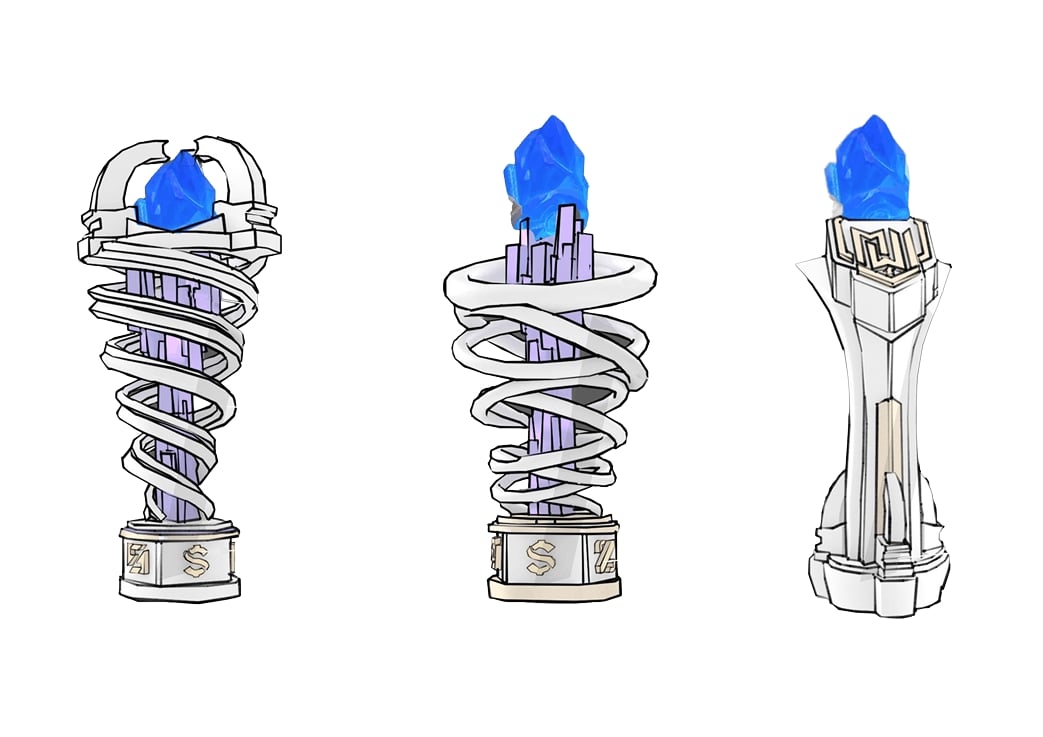
Given the intensity of arranging a leveraged buyout, the closing is a natural occasion for a commemorative object. A deal toy for an LBO often plays on the idea of structure and layers, reflecting the stacked capital that makes these deals work. It can incorporate the sponsor’s brand, the target company, and the arranging banks, uniting the parties who made the transaction possible. For private equity firms in particular, these objects are a record of the deals that define a fund’s track record, and they line the shelves of the firm’s offices as a portfolio made physical.
Designing an LBO Commemorative
An LBO involves multiple parties: the sponsor, the management team, the lenders, and the advisors. A well designed deal toy can honor all of them, which is one reason bespoke design matters more than a templated block. At Fabit, the design process starts with sketches that translate the deal’s story into form, as shown in the studio’s concept work. From there the object is modeled in 3D, produced using real metal and crafted materials, and hand finished. This end to end capability, held entirely in house in Antwerp, is what sets Fabit apart from the legacy lucite suppliers in the United States that rely on standardized shapes. See the breadth of what is possible on the deal tombstones page and how modern fabrication opens new design space on the 3D printed trophy page.
Commissioning and Delivery
Private equity deals close on defined timelines, and the commemorative usually needs to arrive in time for a closing dinner. Fabit responds within twenty four hours and delivers worldwide, so a sponsor in New York or a lender in Frankfurt can commission a piece and receive it promptly. Firms that regularly close buyouts can review the tailored process on the finance industry page.
Frequently Asked Questions
Why is it called a leveraged buyout?
Because the acquisition relies heavily on leverage, meaning borrowed money, to fund most of the purchase price.
Who typically carries out an LBO?
Private equity firms are the most common sponsors, though management teams also use LBO structures to buy the companies they run.
What kind of company suits an LBO?
Stable, cash generative businesses with predictable earnings are ideal because they can service the substantial debt involved.
How can an LBO deal toy represent so many parties?
A bespoke design can unite the sponsor, the target, and the lenders in one object. Start a concept at create.fabit3d.com.
Related terms