Aluminium awards are made from a lightweight, corrosion-resistant metal that machines cleanly, anodises into rich durable colours, and delivers a modern, minimalist look at a lower weight and often lower cost than steel. It is the versatile choice when a brief wants contemporary design, colour options, and easy worldwide shipping.
Aluminium is quietly one of the most useful metals in the award studio. It is light enough to ship anywhere affordably, strong enough to hold crisp detail, and uniquely able to take colour through anodising. At Fabit we reach for aluminium when a client wants a modern piece with personality and practicality.
What aluminium is
Aluminium is a lightweight metal, roughly a third the density of steel, with natural corrosion resistance thanks to a thin oxide layer that forms on its surface. It is soft enough to machine and extrude easily, yet strong enough for durable awards. Its natural colour is a bright silvery-grey, slightly warmer and softer than stainless steel. Most awards use aluminium alloys, which add small amounts of other metals to improve strength and finish.
The anodising advantage
Aluminium’s standout feature is anodising, an electrochemical process that thickens the natural oxide layer and lets it absorb dye. This produces colour that is part of the metal itself rather than a coating on top, so it is durable, scratch-resistant and will not peel. Anodising can give deep blacks, rich blues, reds, golds and bronzes, plus a beautiful matte or satin surface. For a brand that wants its award in a specific colour, anodised aluminium is often the cleanest way to achieve it in metal.
How aluminium awards are made
Aluminium is highly workable, so awards can be produced several ways: CNC machined from solid billet for precise three-dimensional forms, laser or waterjet cut from sheet for graphic silhouettes, or extruded into profiles. This flexibility means aluminium suits both flat, graphic designs and more sculpted shapes. After forming, pieces are finished (brushed, bead-blasted or polished) and often anodised. The material’s softness makes it fast and economical to machine, which helps with both cost and lead time.
Aluminium versus other metals
- Versus stainless steel: Aluminium is much lighter and easier to colour by anodising; steel is heavier, harder and feels more substantial. For a big run that ships worldwide, aluminium saves weight and cost; for maximum heft and durability, steel wins.
- Versus titanium: Titanium is stronger, lighter for its strength and produces striking heat-based colours, but is far more expensive. Aluminium offers the light, modern feel at a fraction of the price.
- Versus bronze: Aluminium is cool, light and contemporary; bronze is warm, heavy and heritage. Different messages entirely.
- Versus zinc alloy: Zamak casts intricate 3D detail cheaply but is heavier and usually plated; aluminium is lighter, cleaner and takes colour through anodising rather than plating.
When to choose aluminium
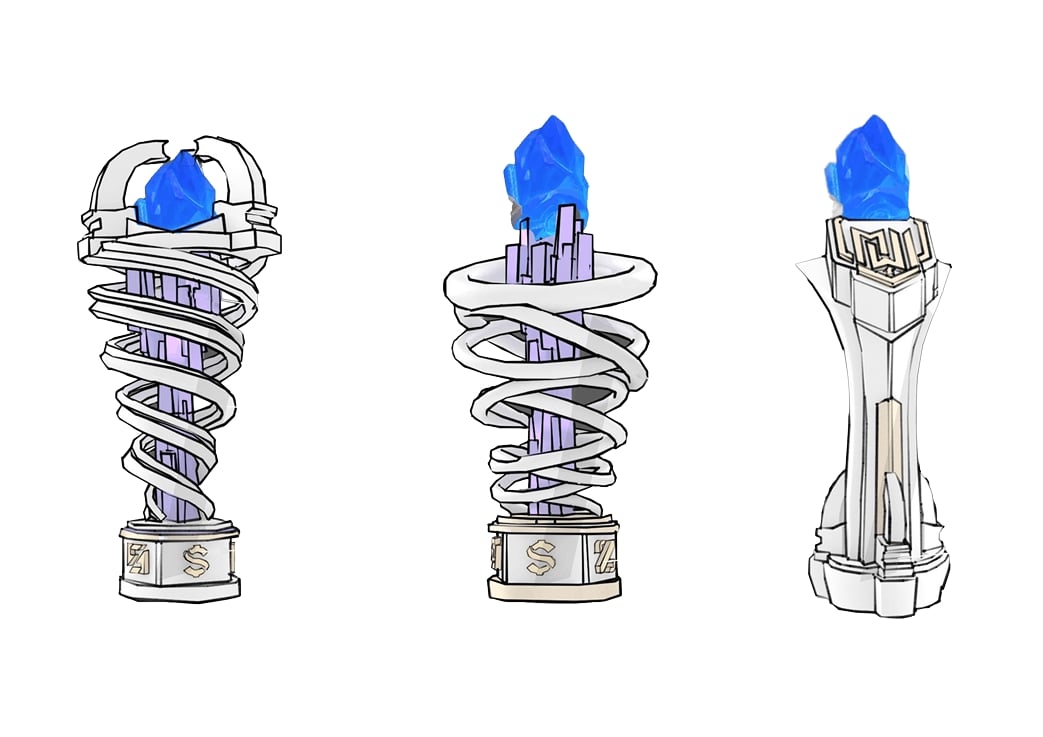
Aluminium is ideal when you want a modern, colourful, lightweight award, especially for larger quantities and international distribution. It suits design, media, tech and lifestyle brands, colour-coded award tiers (for example anodised gold, silver and bronze levels), and pieces that combine metal with acrylic or crystal. Its light weight makes it particularly friendly for worldwide shipping, which matters when recipients are spread across continents.
When to consider alternatives
Honesty matters here too. Aluminium is softer than steel and titanium, so it can dent or scratch more easily if handled roughly, and its lightness, while practical, means it does not deliver the reassuring heft some clients associate with a premium trophy. For maximum weight and gravitas, steel or bronze is better; for ultimate strength and a distinctive colour effect, titanium. If a client wants an award that feels heavy and monumental, we will steer them away from aluminium.
How Fabit works with aluminium
We treat aluminium as a design-forward material. Our Antwerp studio designs in house, machines and cuts to precise tolerances, and controls the finishing and anodising so colours land exactly as intended. Because we run 3D printing, crystal and acrylic work under the same roof, an aluminium award can incorporate a 3D printed element, an illuminated acrylic section or a crystal accent, making it genuinely bespoke rather than a stock blank. Explore the full range through our custom trophy service, and see how metal pairs with other materials on our materials overview.
FAQ
Is aluminium too light to feel premium? On its own it is light, but combining it with a heavier base (metal, stone or crystal) gives the substantial feel while keeping aluminium’s colour and finish. We design for the right balance.
How durable is anodised colour? Very. Because the colour is integrated into the oxide layer, it resists scratching and will not peel like paint or plating can.
Can aluminium be machined into 3D shapes? Yes. CNC machining from solid billet allows precise three-dimensional forms, and it machines faster than harder metals.
Is aluminium good for worldwide shipping? Excellent. Its low weight keeps shipping costs down, and we deliver aluminium awards worldwide from Antwerp with a response to any brief within 24 hours. Start at create.fabit3d.com.
Related terms