Bronze is a copper-tin alloy prized for awards because it is heavy, durable and rich in heritage, casts into fine sculptural detail, and develops a warm patina that signals prestige and permanence. It is the classic material for statuettes, medals and sculptural trophies where gravitas and craftsmanship matter more than modern minimalism.
When a client wants an award that feels like it will outlive everyone in the room, bronze is often the answer. It carries centuries of association with monuments, medals and fine sculpture, and that meaning transfers instantly to a trophy. At Fabit we reach for bronze when a brief calls for warmth, weight and a genuinely crafted object.
What bronze actually is
Bronze is primarily an alloy of copper and tin, sometimes with small additions of other metals to tune its properties. That composition gives it a warm, golden-brown colour, excellent castability, and remarkable durability, which is why bronze sculptures survive for thousands of years. For awards, the key qualities are its density (it feels serious in the hand), its ability to capture fine detail in casting, and the way its surface can be finished and patinated.
How bronze awards are made
Most sculptural bronze awards are produced by casting, often using a lost-wax or sand-casting process. A model is created, a mould is made from it, and molten bronze is poured in. Once cooled, the piece is cleaned, chased (hand-refined to remove casting marks and sharpen detail), and finished. This is craft-intensive work, and the quality of the final piece depends heavily on the hands doing the chasing and patination. It is exactly the kind of process where an in-house craft capability changes the outcome, because nothing is left to a distant supplier.
Modern studios like ours also merge traditional casting with new technology: we can 3D print a master pattern to exact specification, then cast from it, marrying digital precision with hand craftsmanship. Our 3D printing capability makes fully bespoke bronze forms achievable without the cost of hand-sculpting every master from scratch.
The magic of patina
One of bronze’s defining features is patina, the surface colouring created by treating the metal with heat and chemicals. Patina ranges from deep browns and blacks to greens, blues and warm golds, and it is what gives bronze its depth and character. A skilled patina turns a plain casting into an object with visible artistry. Patina can be matte or polished, uniform or graduated, and it can be sealed to stay stable. This is where bronze pulls decisively ahead of cheaper cast metals: the finish is part of the craft, not just a coating.
Bronze versus other award metals
- Versus zinc alloy (zamak): Zamak is cheaper and casts fine detail well, but bronze is heavier, more durable and far more prestigious. Zamak is often plated to imitate bronze; solid bronze is the real thing.
- Versus stainless steel: Steel is modern, silvery and corrosion-proof; bronze is warm, traditional and sculptural. They signal different eras and values.
- Versus aluminium: Aluminium is light and contemporary; bronze is dense and heritage-driven.
- Cost and weight: Bronze is among the more expensive and heaviest options, which affects both budget and worldwide shipping.
When bronze is the right choice
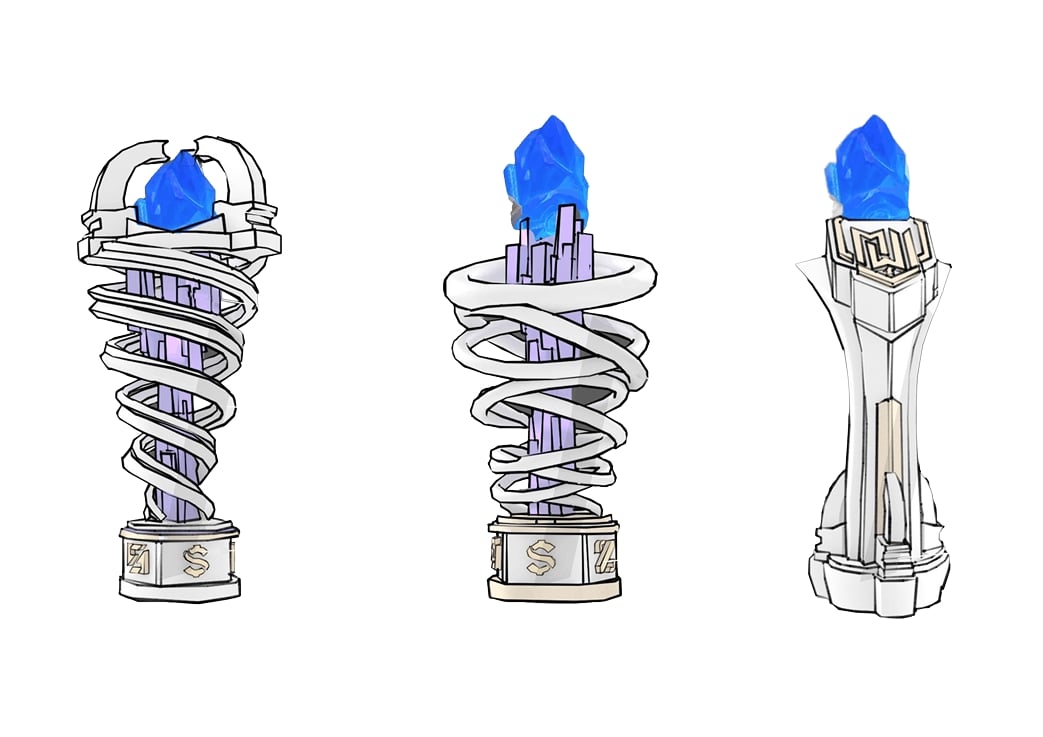
Bronze suits awards where legacy, achievement and craftsmanship are the message: lifetime achievement honours, sporting and cultural prizes, commemorative sculptures, founder or retirement tributes, and any programme that wants to feel timeless rather than trendy. It also works beautifully as a sculptural centrepiece combined with a stone or crystal base. If a brand’s identity is heritage-led, bronze reinforces it instantly.
When to consider something else
We give honest guidance here. Bronze is heavy and premium-priced, so for large quantities it can become costly, and for a sleek, modern, tech-forward aesthetic it may feel out of step. In those cases patinated or plated zinc alloy can deliver a similar look at lower cost, or stainless steel and aluminium can supply a contemporary feel. Part of our advisory role is being clear about when bronze’s cost is justified by the moment and when it is not.
How Fabit works with bronze
Our studio treats bronze as a craft material first. We design in house in Antwerp, produce master patterns (often 3D printed) to exact specification, and control the casting, chasing and patination so the finished piece reflects the brief precisely. Because we also work across crystal, acrylic and other metals, we can combine bronze with those materials for a mixed piece that is unmistakably custom. Explore fully bespoke options through our custom trophy service, and we deliver worldwide with a response to any brief within 24 hours.
FAQ
Is bronze solid or plated? It can be either. Solid cast bronze is the premium, heritage option; “bronze finish” often means a plated or patinated zinc alloy imitating the look at lower cost. We are always transparent about which you are getting.
Will bronze tarnish? Its patina is part of its character and can be sealed to stay stable indoors. Left untreated outdoors, bronze continues to develop a natural patina over time.
Can you make a fully custom bronze shape? Yes. We 3D print master patterns to your exact design and cast from them, combining digital precision with hand finishing.
Is bronze practical to ship worldwide? It is heavy, so shipping costs more than for lighter metals, but we pack and deliver bronze awards internationally from Antwerp. Send a brief for advice within 24 hours or start at create.fabit3d.com.
Related terms