
A rights issue is a way for a publicly listed company to raise new capital by offering existing shareholders the right to buy additional shares, usually at a discount to the current market price, in proportion to the number of shares they already hold. It is a pre-emptive method of raising equity that gives current owners the first opportunity to maintain their percentage stake in the company before any new capital is sold more widely. Each shareholder receives rights, one for a set number of existing shares, which they can exercise, sell, or allow to lapse.
How a rights issue works in practice
A company announces the terms of the rights issue, most importantly the ratio and the subscription price. A three-for-ten offering, for example, entitles a holder to buy three new shares for every ten they own. The subscription price is set below the current market price to encourage take-up and to compensate for the dilution that accompanies the new shares. Shareholders then decide what to do with their rights during the subscription period.
Those who exercise their rights pay the subscription price and receive new shares, preserving their proportional ownership. Those who do not wish to participate can often sell their rights on the market, capturing some value from the discount. If they do nothing, the rights lapse and their stake is diluted.
Nil-paid rights and their value
During the subscription period, the rights themselves trade separately from the shares. These are known as nil-paid rights because the holder has not yet paid the subscription price. The nil-paid right carries value equal to the difference between the market price and the subscription price, adjusted for the ratio. This tradability is an elegant feature of the rights issue, because it means even shareholders who cannot or will not participate are not left entirely uncompensated.
Underwriting and the rump
Companies usually arrange for the rights issue to be underwritten, meaning banks agree to buy any shares that shareholders decline to take up, guaranteeing the company receives its target capital. Shares left over after the subscription period, the rump, are then placed with institutional investors. The underwriting fee is the price of that certainty, and a heavily discounted, deeply underwritten rights issue is a common tool for companies that need to raise capital reliably even in difficult conditions.
Why companies choose a rights issue
Rights issues are favoured in markets where pre-emption rights are strong, because they treat existing shareholders fairly by offering them first refusal. They are commonly used to fund large acquisitions, repair stretched balance sheets, or provide capital during periods of stress. Because the discount can be substantial and the ratio large, a rights issue can raise significant sums even when a company’s shares are under pressure, which is one reason it remains a workhorse of European equity capital markets.
Commemorating a rights issue with a deal toy
A rights issue is a demanding transaction. It requires precise structuring, careful shareholder communication, regulatory documentation, and underwriting negotiation, often under time pressure and public scrutiny. When it completes successfully, the finance team and the advising banks have real cause to celebrate, and a deal toy is the traditional way the industry records such a milestone. A rights issue tombstone captures the amount raised, the ratio, the subscription price, and the syndicate involved.
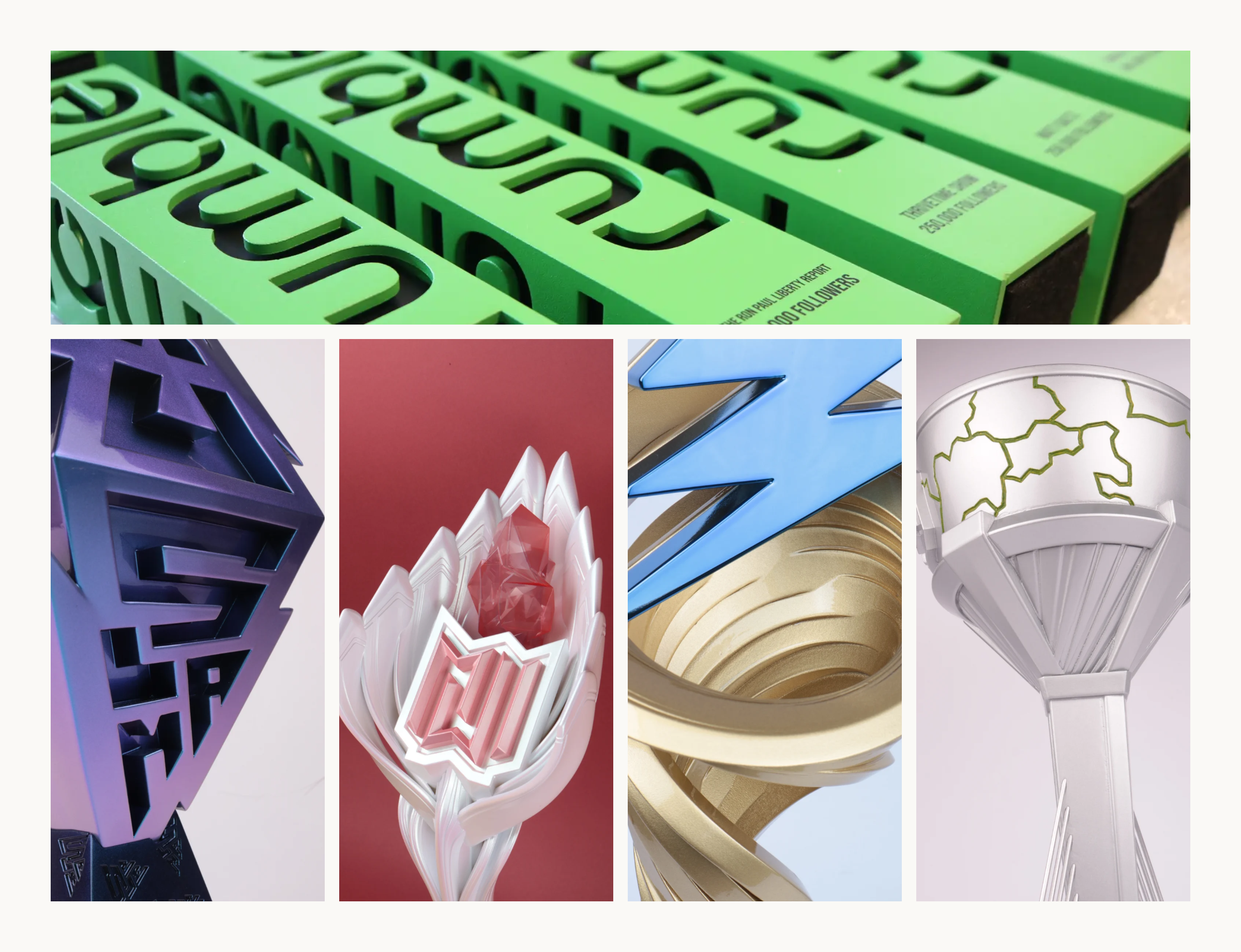
At Fabit we make these commemorative objects in-house in Antwerp, combining 3D design, metalwork, and hand craft. A rights issue deal toy can be understated and dignified, reflecting the seriousness of a capital raise, or it can celebrate a decisive recapitalisation with confidence. Explore our thinking on equity milestones on the finance industry page, and see the range on our custom trophies service.
- Existing shareholders receive rights to buy new shares
- New shares are offered at a discount to market
- Rights can be exercised, sold, or allowed to lapse
- Nil-paid rights trade separately during the period
- Underwriters absorb any shares left unsubscribed
- The completed raise is marked with a bespoke tombstone
Designing a rights issue tombstone
The character of a rights issue deal toy depends on the story behind the raise. A growth-driven issue can feel forward-looking and bold, while a balance-sheet repair may call for something more measured and reassuring. We often incorporate the ratio and subscription price into a clean legend, and reserve the visual centrepiece for the company’s product or emblem. Recipients usually include the treasury team, the underwriting banks, and legal counsel. Our sketch stage aligns the concept before manufacture, and you can start the process through our online design studio.
الأسئلة المتداولة
How is a rights issue different from a follow-on offering? A rights issue offers new shares first to existing holders in proportion to their stake, whereas a follow-on offering is generally marketed to the broader institutional market.
What happens if I do not take up my rights? You can usually sell your nil-paid rights during the subscription period. If you do nothing, the rights lapse and your holding is diluted.
Can the deal toy show the ratio and subscription price? Yes. We routinely engrave the ratio, subscription price, total raised, and closing date within a clean, legible legend.
How quickly can you begin? We respond to every enquiry within twenty-four hours and schedule production around your completion date and any celebration.
Related terms