Second-surface printing is the technique of printing a design onto the back, or second surface, of a transparent material such as glass or acrylic, so that it is viewed through the clear front face. This protects the ink from wear, gives the colour a glossy depth, and makes the printed image appear to sit inside the material.
The terms first surface and second surface come from the way light meets a transparent panel. The first surface is the front you touch and look at, and the second surface is the back. Printing on the second surface, behind the clear material, is a deliberate choice that transforms how a printed award looks and how long it lasts. It is closely related to reverse engraving but uses printed colour rather than cut detail.
How second-surface printing works
The design is printed directly onto the rear face of a clear panel, most often using a flatbed UV printer that lays ink and cures it instantly. Because the print will be viewed from the opposite side, the artwork is mirrored before printing so it reads correctly through the front. Full colour images, gradients, and often a backing layer of white ink are applied so the colours stay vivid rather than translucent. Once cured, the ink is sandwiched between the material and, frequently, a protective backing, leaving the visible front face perfectly smooth and glossy.
Why it matters for premium awards
Second-surface printing gives an award the depth and richness of colour trapped behind glass. Viewed from the front, the image looks glossy, saturated, and integral to the piece rather than sitting on top of it. Because the ink lives on the protected back surface, it cannot be scratched, scuffed, or worn by handling of the front, so the award keeps its brilliance for years. This combination of visual depth and durability is exactly what a premium recognition piece should offer.
It also allows full colour photographic and brand imagery, which engraving alone cannot deliver, opening up vivid, detailed designs while retaining the elegance of clear glass or acrylic.
The role of white ink and mirroring
Two technical details define good second-surface printing. The first is mirroring: because the image is read through the material, the artwork must be flipped so text and logos appear correct from the front. The second is white ink. Transparent panels let light pass through, so colours printed alone would look washed out. A layer of white ink behind the colour makes it opaque and vivid when viewed from the front. Skipping the white layer is a common shortcut that produces disappointingly pale results, which is why experienced makers always plan for it.
Second-surface versus first-surface printing
First-surface printing puts ink on the front face, which is simple but leaves the print exposed to scratches and gives a flatter, on the surface look. Second-surface printing puts the ink behind the material, protecting it and giving a glossy, deep appearance viewed through the clear body. For transparent premium awards, second-surface printing is almost always the superior choice, combining protection with a richer aesthetic.
What the finished piece looks like
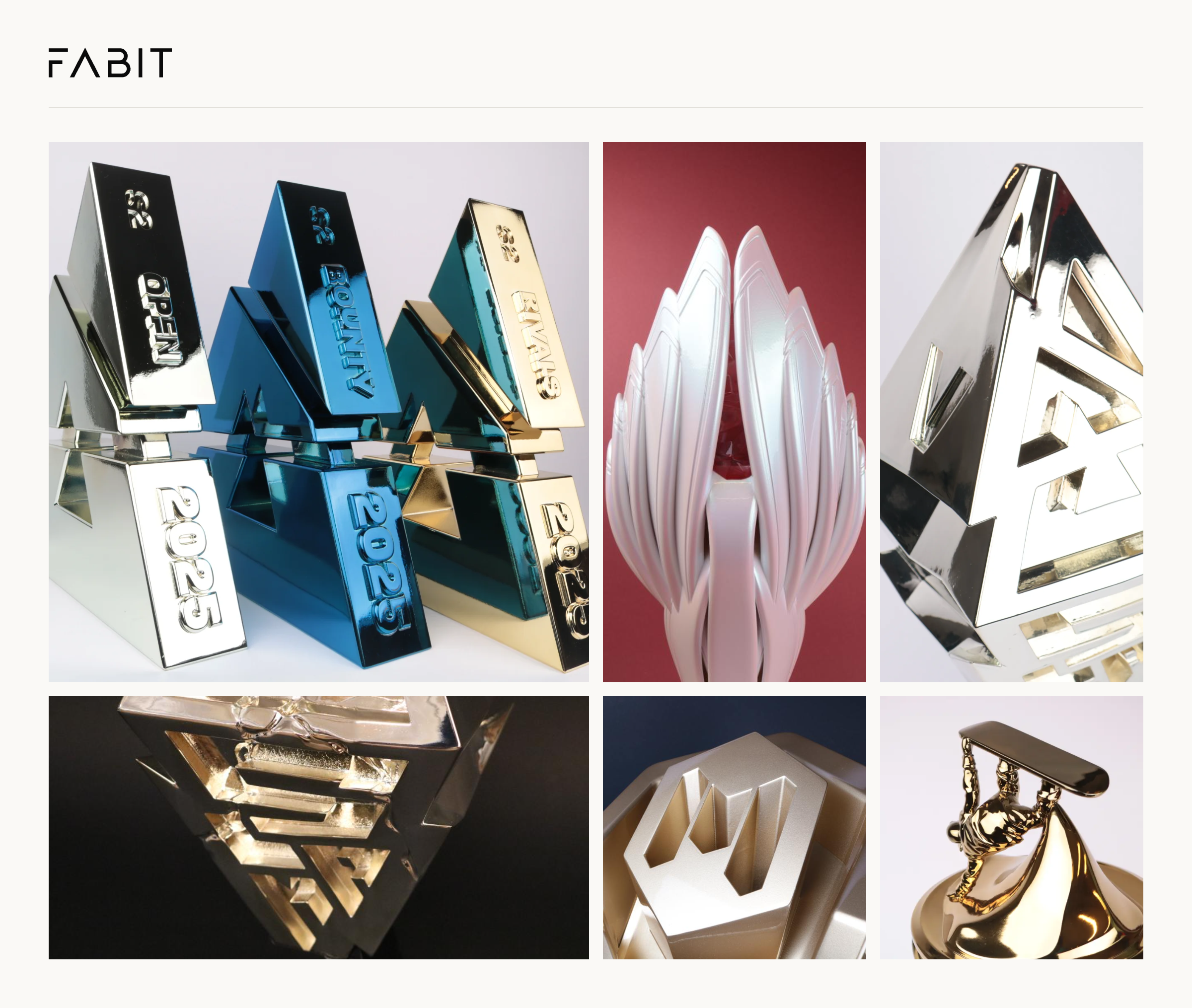
A second-surface printed award presents a smooth, glossy clear face with vivid colour that appears to float just beneath it. The image has depth and gloss that surface printing cannot match, and the front stays flawless because there is nothing on it to damage. Combined with polished edges, the effect is of full colour artwork suspended inside crystal.
Design considerations before you commit
- Mirroring: artwork must be flipped so it reads correctly through the front, which we handle and verify.
- White backing: a white ink layer keeps colours vivid, planned into every full colour design.
- Material clarity: a clear, well polished front face is essential for the print to read cleanly.
- Image quality: high resolution artwork gives the sharpest, richest result.
- Combination: second-surface printing pairs beautifully with reverse engraving and polished edges.
How Fabit approaches it
Second-surface printing depends on precise mirroring, correct white ink layering, and a flawless viewing face, and doing it in house lets us control each of those to a single standard. Our team verifies the mirrored artwork, builds the white backing, and finishes the edges so the printed colour reads exactly as intended. You can see how printed acrylic and glass sit within our range on the custom trophies service page, and the transparent grades we print behind on the materials overview.
Every printed award enquiry receives a response within twenty four hours, and we deliver finished pieces worldwide.
Frequently asked questions
Why print on the back instead of the front?
Because it protects the ink from scratches and gives the image a glossy depth viewed through the clear material, which looks far more premium.
Why is white ink needed?
Transparent panels let light through, so colours alone look pale. A white ink layer behind the colour makes it opaque and vivid from the front.
Does the artwork need mirroring?
Yes. Because it is read through the material, text and logos must be flipped so they appear correct from the front. We handle and check this.
Can it be combined with engraving?
Absolutely. Second-surface printing pairs beautifully with reverse engraving and polished edges for a rich, layered, full colour result.
Building depth with layered printing
One of the most sophisticated uses of second-surface printing is layering. Because the printer lays down ink in controlled passes, it is possible to build a design in stages: a coloured image, then a white backing to make it vivid, and sometimes an additional coloured or opaque layer behind that. This layering can create subtle effects, such as a design that reads one way in reflected light and reveals more when backlit, or elements that appear to sit at slightly different depths within the piece. Combined with reverse engraving and polished edges, layered second-surface printing lets us compose an award with real visual richness, where colour, engraved detail, and light all work together. It is this capacity for depth and combination that makes the technique such a valuable tool for premium recognition pieces.
Second-surface printing is how a transparent award gains vivid, protected, full colour artwork that looks suspended in glass. It marries the richness of printed imagery with the durability and elegance of clear material, and it is a technique we execute with care on every piece. Begin your printed design in our online design studio.
Related terms
- reverse engraving on acrylic
- flame polishing
- hydrographic printing
- cerakote
- vector vs raster engraving