Rotary engraving is a mechanical finishing process in which a rotating cutting tool, guided by a computer-controlled machine, physically carves grooves into the surface of a material to produce deep, tactile text, logos and decorative detail on metal, plastic and other solid substrates. Unlike a laser, which alters the surface with light, a rotary engraver removes material with a spinning bit, giving a distinctive cut edge and genuine physical depth that you can feel with a fingertip.
At Fabit we use rotary engraving in our Antwerp workshop where its particular qualities suit the piece: deep engraving in thick metal, crisp cut lettering on nameplates, and marks that are meant to be felt as well as seen. It is a classic technique, and in the right application nothing else looks quite like it.
How rotary engraving works
A rotary engraving machine holds a cutting tool, often a carbide or diamond-tipped bit, in a spindle that rotates at high speed. The machine moves that spinning tool across and into the workpiece along paths defined by a digital design. As the bit engages the surface it shears away material, leaving a clean groove. The depth of the cut is set by how far the tool is lowered into the surface, and the width is determined by the shape and size of the bit. By changing bits and adjusting depth, an operator can produce anything from fine hairline detail to bold, deeply recessed lettering.
Because the process is mechanical, it generates cutting forces and swarf, and the workpiece must be held securely. This makes rotary engraving best suited to solid, stable materials that can withstand the pressure of the tool. Our operators select feed rates and bit geometry for each job so the cut is clean and the edges are sharp. A diamond drag tool, which scribes rather than cuts, offers a further variation for very fine decorative lines and delicate lettering on softer metals, while a spinning cutter is used where genuine depth is wanted. Choosing between these approaches, and setting the spindle speed to match, is part of the judgement that keeps a rotary engraving looking crisp rather than ragged, and it is why we test settings before committing a valuable piece to the machine.
Materials suited to rotary engraving
Rotary engraving performs beautifully on a range of solid substrates.
- Solid metals: brass, aluminium, stainless steel and bronze take deep, defined cuts, ideal for plaques and nameplates.
- Engraving laminates: two-tone plastics reveal a contrasting core colour when the top layer is cut away.
- Acrylics and hard plastics: these cut cleanly and can be engraved deeply for a strong tactile effect.
- Coated metals: the tool cuts through a coating into the base metal for high contrast.
Glass and crystal are generally better suited to sandblasting or sub-surface laser work, so we guide clients toward the right method for each material. Our materials overview sets out which finishes we recommend for each substrate.
The tactile quality of a cut engraving
The defining characteristic of rotary engraving is depth you can feel. A laser mark sits at or near the surface, but a rotary cut goes into the material, creating a groove with real walls. This makes it perfect for pieces where physical substance matters, such as heavyweight metal plaques, machined trophy components and nameplates that convey permanence. The cut also catches light along its edges, giving lettering a crisp, defined appearance that is especially handsome in polished metal. When we fill those cuts with colour or paint, the recessed groove holds the fill neatly and protects it from wear. There is also a traditional, almost heirloom quality to a deeply cut engraving that resonates with certain clients, because it recalls the hand-engraved trophies and presentation pieces of an earlier era, updated with modern precision and repeatability.
Depth, contrast and colour fill
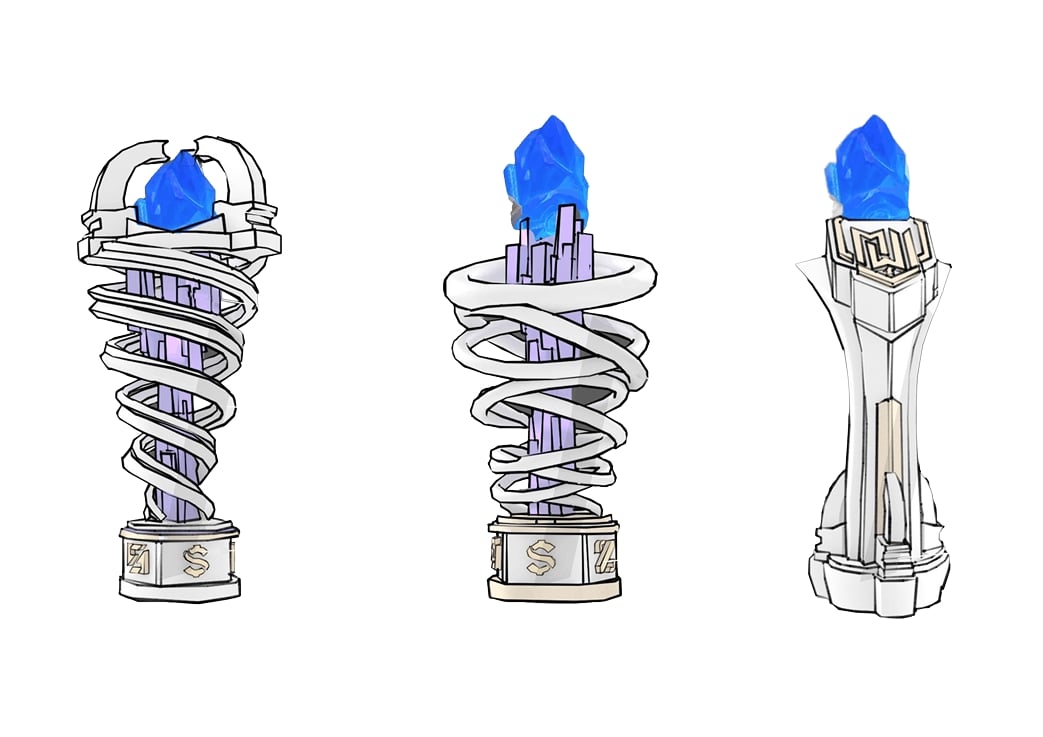
Because rotary engraving cuts a genuine recess, it pairs naturally with colour fill. Paint or enamel dropped into the groove sits below the surrounding surface, so the colour stays protected and the design reads clearly. This combination is a mainstay of corporate plaques, where a deeply cut logo filled with a brand colour looks sharp and lasts for years. Depth also affects contrast on its own: a deep cut in polished metal creates a strong shadow line even without any fill. We advise on the right balance of depth, fill and finish for the look you want.
Rotary engraving compared with laser engraving
The two methods are complementary rather than competing. Laser engraving excels at fine detail, photographic imagery and fast, non-contact marking across many materials. Rotary engraving excels at depth, tactile substance and clean cut edges in solid metal and laminate. For a heavy brass plaque with deeply recessed, colour-filled lettering, rotary is often the better choice. For a detailed logo on a coated award, laser may win. On many projects we combine both, and part of our advisory role is recommending the method, or the mix, that serves your piece best. See finished examples on our custom trophies service.
How Fabit approaches rotary engraving
All rotary engraving is done in our own Antwerp workshop, so we keep control of tool selection, depth and finish from start to finish. We prepare artwork as clean vector paths, test cuts on the working material where the stakes are high, and inspect each finished piece for clean edges and consistent depth. We ship completed awards worldwide and respond to every enquiry within 24 hours. To begin designing, visit our online design studio.
Frequently asked questions
How deep can rotary engraving go?
Depth depends on the material and design, but rotary engraving can cut noticeably deeper than laser marking, which is one of its main advantages for tactile, colour-filled work.
Can rotary engraving be combined with colour?
Yes. The recessed groove is ideal for colour fill, holding paint or enamel below the surface where it stays protected.
Is rotary engraving suitable for fine detail?
It handles clean lettering and logos well, though for very fine photographic detail laser engraving is usually the better route. We advise per project.
Which materials work best?
Solid metals, engraving laminates and hard plastics respond best. We steer glass and crystal toward more suitable methods.
Related terms