Injection moulding is a high volume manufacturing process in which molten thermoplastic is forced under pressure into a precision steel or aluminium mould, then cooled and ejected as a finished part. For custom trophies and awards, it delivers identical, dimensionally stable components at scale, which makes it the method of choice when a recognition programme needs hundreds or thousands of matching pieces with a flawless surface finish.
At Fabit we treat injection moulding as one instrument in a much larger orchestra. Our Antwerp studio combines in-house 3D printing, traditional craft and industrial processes so that every award is engineered around its purpose rather than forced through a single technique. When a client needs a large annual series of identical trophies, or a modular component that repeats across an entire product family, injection moulding earns its place. Understanding when it fits, and when it does not, is where advisory value begins.
How Injection Moulding Actually Works
The process starts with a mould, often called a tool, machined from hardened steel or aluminium. Plastic granulate is fed into a heated barrel, melted, and injected into the closed mould cavity at high pressure. The material fills every detail, cools, solidifies, and the mould opens to release the part. A single cycle can take seconds, and a well built tool can produce hundreds of thousands of parts before it needs refurbishment.
That speed is the entire point. The upfront investment in tooling is significant, but the per unit cost falls dramatically once volumes climb. For a trophy programme with a long horizon, or a corporate award repeated across dozens of regional offices, the economics become compelling. For a one off centrepiece, they almost never do.
Where It Fits in Premium Award Production
Injection moulding rarely produces an entire award on its own. More often it delivers a specific element: a precisely repeated base, a housing, a connector, a lens over an illuminated logo, or a structural spine that other materials attach to. These moulded parts are then combined with machined metal, cast resin, printed components and hand finishing to create the final object.
This hybrid thinking is central to how we work. A moulded polycarbonate element might carry a CNC milled aluminium plate and a resin cast emblem, each chosen because it serves that part of the design best. The result reads as a single considered object, not an assembly of compromises.
Materials and Finish Considerations
The thermoplastics used in injection moulding span a wide range, each with its own character. The choice shapes not only strength and weight but also the way light moves through or across the finished surface.
- ABS: tough, easy to finish, and forgiving, a workhorse for structural components.
- Polycarbonate: optically clear and impact resistant, ideal where transparency or backlighting matters.
- Acrylic (PMMA): glass like clarity with excellent polishing potential for premium visual depth.
- Nylon and glass filled grades: engineering strength for load bearing or slim structural parts.
- Soft touch elastomers: used for grips, feet and tactile accents.
Surface texture is designed into the tool itself. A polished cavity yields a mirror finish, while an etched cavity produces matte or patterned surfaces. This means the aesthetic is locked in at the tooling stage, which is why early design collaboration is so valuable. You can explore how we pair processes with the right substrate on our materials overview.
Injection Moulding Versus 3D Printing
Clients often ask whether they should mould or print. The honest answer depends on quantity, timeline and intent. 3D printing carries no tooling cost and lets a design evolve up to the final unit, which is why it dominates prototyping and short runs. Injection moulding demands a tool but rewards volume with speed and consistency no printer can match at scale.
In practice the two are partners rather than rivals. We frequently 3D print the master and validate the geometry before any steel is cut, so the mould is right the first time. If you want to see how printing anchors our workflow, our 3D printed trophy page shows the process end to end.
Tooling, Lead Time and Cost Logic
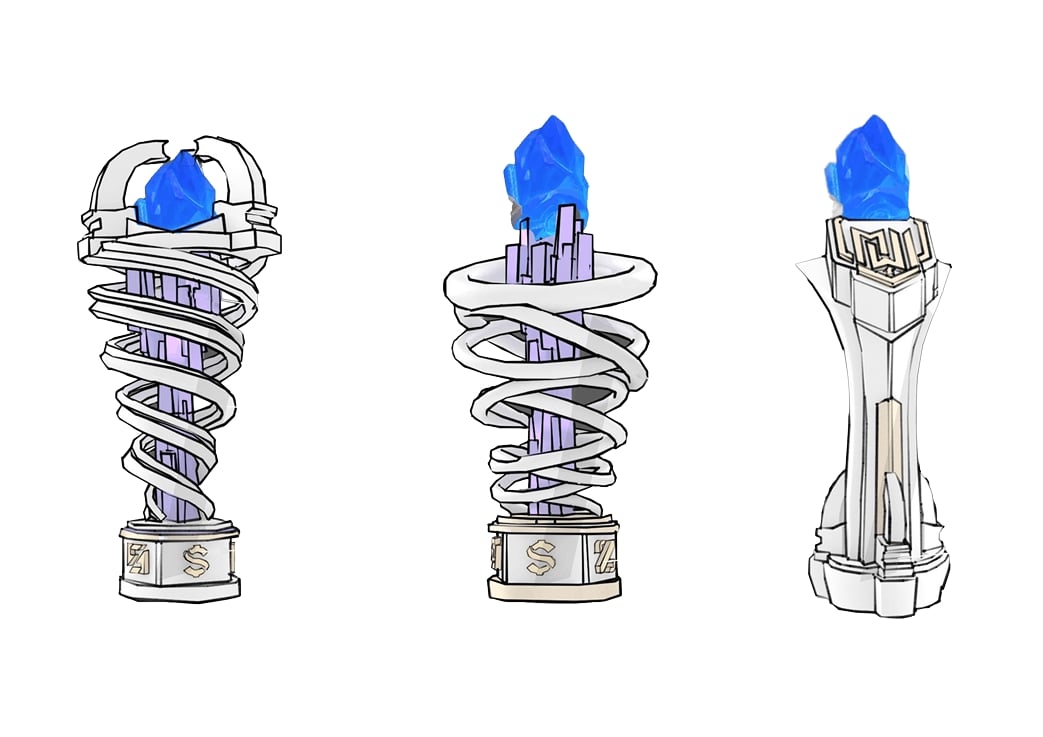
Tooling is the defining commitment of injection moulding. A mould is a precision instrument, and building one takes weeks and represents the bulk of the initial cost. Once it exists, though, each part is fast and inexpensive. The decision therefore hinges on a simple question: will this geometry be repeated enough times to amortise the tool?
We model this openly with clients. For a recurring annual awards ceremony, the tool pays for itself across editions. For a bespoke single trophy, we will steer you toward casting, machining or printing instead, because paying for a mould to make one part is rarely sound. That candour is the point of an advisory relationship.
Design Guidance for Moulded Parts
Good injection moulded design respects the physics of flowing plastic. Uniform wall thickness prevents sink marks and warping. Draft angles let parts release cleanly from the tool. Ribs and gussets add strength without adding bulk. Undercuts complicate the mould and raise cost, so they are used deliberately. Gate placement, where the plastic enters, is chosen to hide witness marks on non visible surfaces.
These constraints are not obstacles but a design language. When a designer understands them from the outset, the moulded component becomes elegant and manufacturable at once. Our team engages at the concept stage precisely so these decisions are made with intent rather than discovered as problems later.
When Fabit Recommends Injection Moulding
We reach for injection moulding when volume is high, geometry is stable, and consistency across every unit is non negotiable. It suits large corporate recognition programmes, repeated event series, and product families where a shared component recurs. It is less suited to true one offs, rapidly evolving designs, or projects where the tooling investment cannot be recovered.
Because we hold the full production spectrum in house, our recommendation is never shaped by what we happen to own. We match the process to the brief. You can review the breadth of what we build on our custom trophies service page.
Frequently Asked Questions
Is injection moulding worth it for a small trophy order?
Usually not. The tooling cost only makes sense at volume. For small runs we recommend casting or 3D printing, which avoid that upfront investment entirely.
How many parts can one mould produce?
A well built steel tool can run hundreds of thousands of cycles. Aluminium tools suit lower volumes and cost less to build.
Can moulded parts be combined with metal and resin?
Yes, and they usually are. We assemble moulded elements with machined metal, cast resin and printed parts into a single finished award.
How long does tooling take?
Typically several weeks depending on complexity. We validate geometry with 3D printed masters first so the tool is correct before cutting begins.
If you are weighing volume production for an awards programme, our Antwerp team responds within 24 hours and ships worldwide. Start a conversation through our design studio and we will advise on whether moulding is the right path for your project.
Related terms