
ABS plastic, or acrylonitrile butadiene styrene, is a tough, lightweight and impact-resistant thermoplastic that Fabit uses for durable custom trophy components, functional parts and pieces that must withstand handling, travel and everyday use. It is the same dependable material found in high-quality consumer products, valued for strength, dimensional stability and a clean finishable surface.
Defining ABS plastic
ABS is an engineering thermoplastic made from three building blocks, acrylonitrile, butadiene and styrene. Each contributes something. Acrylonitrile brings chemical resistance and hardness, butadiene brings toughness and impact strength, and styrene brings rigidity and a glossy, easily finished surface. Combined, they produce a material celebrated for being both strong and forgiving, able to absorb knocks without cracking.
You encounter ABS every day in items that need to survive real-world use, from durable casings to precision-moulded goods. That same reliability is what makes it useful in the recognition world, particularly where an award or its components must endure more than a quiet spot on a shelf.
Why ABS has a place in award making
Not every trophy is a delicate showpiece. Some awards travel constantly, are handled by many people, or form part of interactive or functional pieces. For these, ABS offers a resilience that more brittle materials cannot match. It resists impact, holds its shape across a wide temperature range and does not shatter if dropped, which brings real peace of mind for events, tours and pieces that will be passed around.
ABS is also highly workable. It can be injection moulded for smooth production runs, machined for precision, and it is a staple of additive manufacturing, which ties it neatly into modern, design-led trophy making.
Key characteristics
- Impact resistance: tough and shatter resistant under knocks.
- Lightweight: easy to ship and comfortable to handle.
- Dimensional stability: holds precise shapes and tolerances.
- Finishable surface: sands, primes, paints and plates well.
- Temperature tolerance: stable across a broad everyday range.
- Machinable and printable: suits both CNC and 3D printing.
ABS versus PLA and other plastics
ABS is often compared with PLA bioplastic, and the two serve different goals. PLA is plant-derived and more sustainable, popular for its ease of printing and eco-friendly credentials, while ABS is petroleum-based but tougher and more heat resistant. Where PLA can soften in a hot car or under strong sun, ABS holds up better. Against acrylic, ABS is far more impact resistant but lacks optical clarity, since it is an opaque material meant to be finished rather than seen through. You can weigh these options across our full materials range.
How Fabit uses ABS in-house
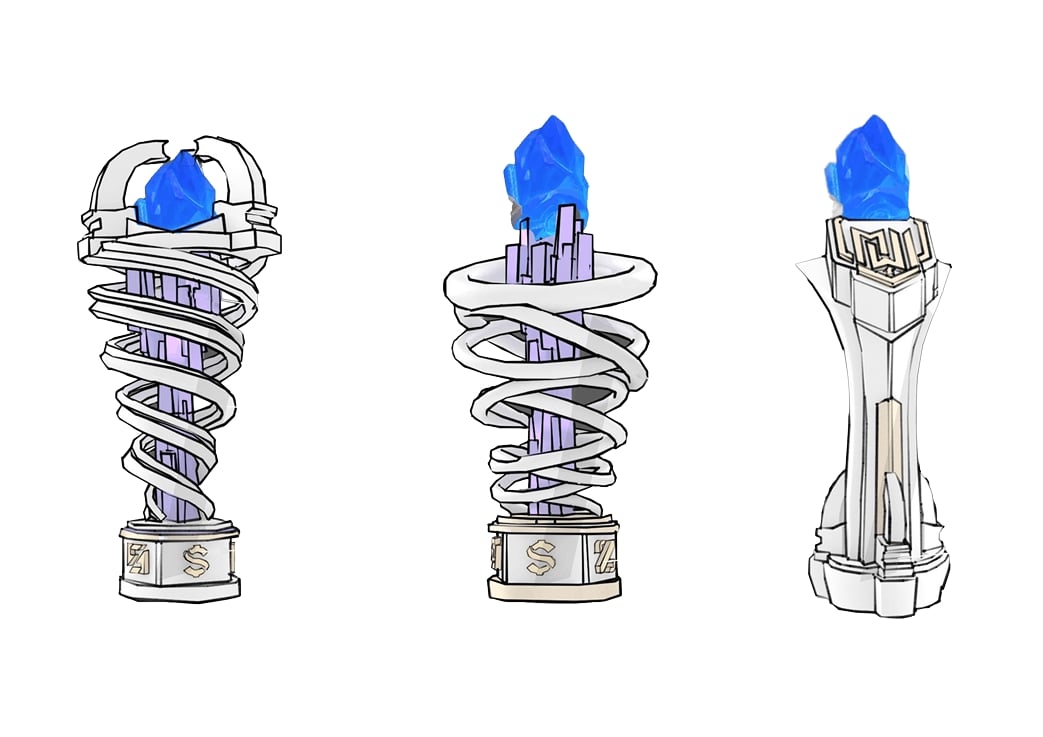
At Fabit, ABS most often appears where strength and precision matter, whether as a structural core, a functional element or a durable printed component within a larger design. Working in-house in Antwerp, our team can print, machine and finish ABS to a high standard, then integrate it with other materials such as acrylic, metal or resin. This flexibility makes it a valuable ingredient in mixed-material commissions and a natural partner to our 3D printed trophy work.
Finishing options for ABS
Because ABS accepts finishing so readily, an unassuming raw part can become a refined element. It can be sanded to remove layer lines from printing, primed and painted in any colour, given a metallic or soft-touch coating, or even electroplated for a genuine metal surface. This means the functional strength of ABS need never compromise the premium look a Fabit piece demands, an approach we bring to every commission through our custom trophies service.
When ABS is the right choice
Reach for ABS when durability, impact resistance or functional performance are priorities, or when a design includes moving, interactive or heavily handled parts. If the goal is transparency and light, acrylic or epoxy will serve better, and if sustainability leads the brief, PLA bioplastic may be preferred. Our team helps you match the material to the way the award will actually live in the world.
ABS in functional and interactive awards
Some of the most memorable modern awards do more than sit still, and this is where ABS quietly proves its worth. When a piece needs a moving element, a hinged or interlocking part, a hidden mechanism or a structural core that must bear load without flexing or cracking, ABS provides the toughness and dimensional stability to make it reliable. Its resilience means an award can be designed to be handled, opened, assembled or passed around without fear, which opens creative doors that fragile materials would keep firmly shut. For travelling trophies that change hands each year, roadshow awards that endure constant transit, or interactive pieces that invite the recipient to engage with them, ABS offers the confidence that the object will still perform on its tenth outing as it did on its first. Because we finish it to a premium standard, none of this durability is visible in the final look, so the piece reads as refined while quietly being built to last.
The role of finishing craft
Raw ABS, whether moulded or printed, is only the starting point. The transformation into a premium object happens at the finishing bench, where surfaces are sanded, primed, painted, coated or plated by hand until every trace of the manufacturing process disappears. This craft is what allows a tough, functional material to sit comfortably in a high-end recognition piece without looking industrial or utilitarian.
Is ABS plastic durable enough for an award?
Yes. ABS is one of the toughest common plastics, resisting impact and shattering, which makes it well suited to awards that travel or are handled frequently.
Can ABS be painted to look premium?
Absolutely. ABS sands, primes and paints beautifully and can even be electroplated, so a functional part can carry a fully premium finish.
How is ABS different from PLA?
ABS is tougher and more heat resistant but petroleum-based, while PLA is plant-derived and more sustainable but softer. The right choice depends on durability needs versus eco priorities.
Is ABS see-through like acrylic?
No. ABS is an opaque material designed to be finished and coloured, not viewed through. For clarity, we would recommend acrylic or epoxy resin instead.
Need an award built to take real-world handling? Start your concept in our online studio and hear back within twenty-four hours.
Related terms