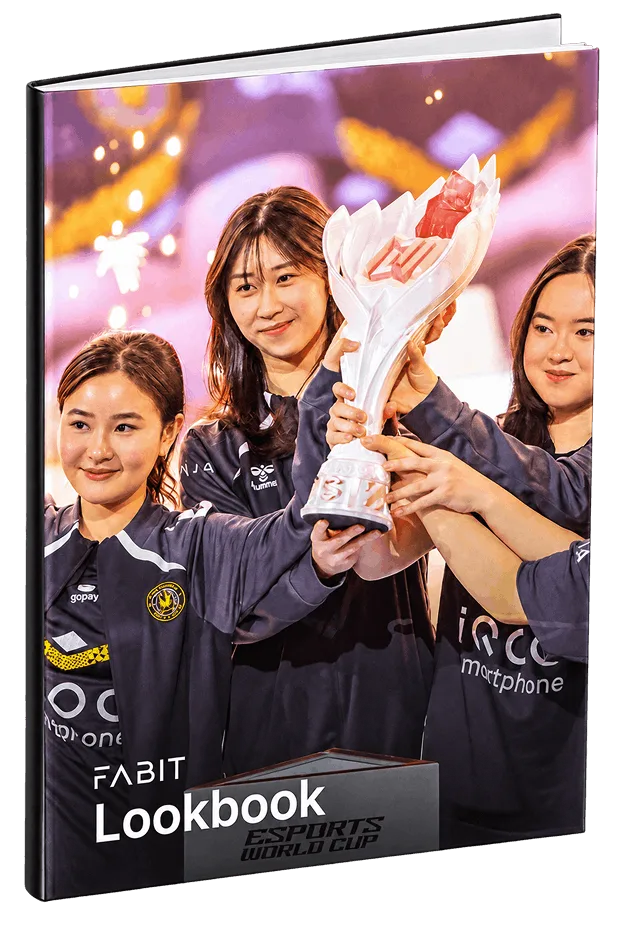
Bioplastic PLA, or polylactic acid, is a plant-derived plastic made from renewable resources such as cornstarch or sugarcane, giving custom awards a sustainable, 3D-printable material that delivers intricate sculptural forms with a far smaller environmental footprint than conventional plastics. It is a cornerstone of modern, design-led trophy making where creativity and responsibility meet.
Understanding PLA bioplastic
PLA stands for polylactic acid, a thermoplastic derived not from petroleum but from renewable plant sources. Sugars from crops such as corn or sugarcane are fermented and processed into a polymer that behaves much like a conventional plastic but comes from the earth’s harvest rather than fossil reserves. This origin is what earns PLA the label bioplastic, and it is why the material has become the leading choice for sustainability-minded makers.
PLA is also the most popular material in desktop and professional 3D printing, valued for printing cleanly, holding fine detail and producing crisp, reliable results. That combination of renewable origin and superb printability makes it uniquely suited to bespoke, sculptural awards.
Why PLA suits modern custom awards
The great advantage of PLA is that it unites two things clients increasingly want, sustainability and design freedom. Because it is 3D printed, PLA can produce forms that would be impossible or prohibitively costly to machine or mould, from intricate lattices to complex organic shapes and fully bespoke geometry. A designer’s imagination is the main limit, not the manufacturing process.
At the same time, choosing PLA signals genuine environmental intent. It is made from renewable resources and, under the right industrial conditions, is compostable, offering an end-of-life story that conventional plastics cannot. For organisations honouring innovation, sustainability or forward thinking, a PLA award embodies those values in its very substance.
Key benefits of PLA
- Renewable origin: made from plant sugars, not petroleum.
- Design freedom: 3D printing enables complex bespoke forms.
- Fine detail: reproduces intricate geometry cleanly.
- Lower footprint: smaller environmental impact than standard plastics.
- Compostable: breaks down under industrial composting.
- Finishable: can be sanded, painted and coated for a premium look.
PLA compared with ABS and other materials
PLA is most often compared with ABS plastic. Both are 3D-printable thermoplastics, but they differ in origin and behaviour. PLA is plant-based, more sustainable and easier to print with fine detail, while ABS is petroleum-based, tougher and more heat resistant. Where an award will sit indoors on display, PLA’s benefits shine, whereas pieces facing heat or heavy impact may favour ABS. Against materials like resin and stone, PLA offers unmatched form freedom and eco credentials but less mass. Compare all of these across our materials range.
How Fabit crafts with PLA in-house
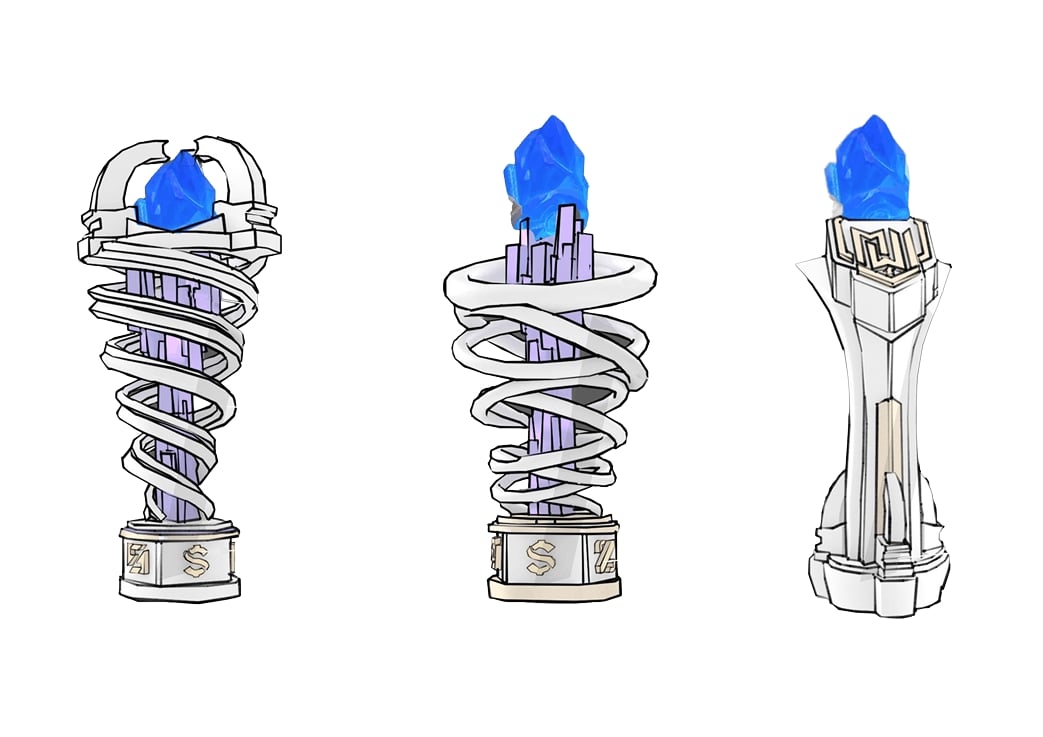
Fabit is built around advanced in-house 3D printing in Antwerp, which puts PLA at the heart of what we do. Our process begins with your brief and a design, moves through digital modelling and rapid prototyping, and prints the final form with precision. Crucially, printing is only the start, since raw prints are then finished by hand, sanded smooth, primed and coated to erase any hint of layer lines and achieve a genuinely premium surface. This craft is explored in depth on our 3D printed trophy page and shaped through our custom trophies service.
Caring for a PLA award
A finished PLA award is easy to care for in normal display, needing only occasional dusting with a soft cloth. The one thing to remember is heat, as PLA softens at lower temperatures than many plastics, so a piece should be kept out of hot cars, direct intense sunlight or close to heat sources. In a normal indoor environment, a well-finished PLA trophy holds its form and finish beautifully for years.
When to choose PLA bioplastic
Choose PLA when sustainability is a priority, when your design calls for complex or bespoke sculptural forms, or when you want a modern, innovation-forward material with an authentic eco story. If the award will face heat or hard knocks, ABS may serve better, and if you want natural weight, stone will suit. Our team helps match the material to both the design ambition and the values behind the award.
Design freedom that traditional methods cannot match
The real revolution PLA brings to award making is the freedom to build forms that no mould or cutting tool could produce economically, and this is where bespoke design truly comes alive. Because the material is deposited layer by layer, a designer can create hollow structures, intricate internal lattices, interlocking geometries and flowing organic shapes that would be impossible, wasteful or ruinously expensive to carve or cast. This means an award can be shaped entirely around a client’s own concept, whether that is an abstract expression of a brand, a stylised representation of an achievement or a wholly original sculptural form that exists nowhere else. There is no tooling to amortise and no minimum quantity dictated by a mould, so even a single one-off piece can be as ambitious as the imagination allows. For organisations that want their recognition to feel genuinely bespoke rather than adapted from a catalogue, this combination of creative freedom and sustainable material is uniquely powerful, and it sits at the very centre of how Fabit approaches modern trophy design.
Is PLA really more sustainable than normal plastic?
Yes. PLA is made from renewable plant sources rather than petroleum and can be composted under industrial conditions, giving it a smaller footprint and a better end-of-life story than conventional plastics.
Can PLA awards look premium, or do they look printed?
They look premium. We finish raw prints by hand, sanding, priming and coating them so layer lines disappear and the surface reads as a refined, high-end object.
Will a PLA award melt or warp?
PLA softens at higher temperatures, so it should be kept away from heat and intense sunlight. In normal indoor display it holds its shape and finish reliably for years.
What shapes can PLA achieve?
Because it is 3D printed, PLA can produce intricate, bespoke and complex forms that would be impossible or very costly with traditional methods, making it ideal for original designs.
Ready to combine sustainability with bespoke design? Start in our online studio and hear back within twenty-four hours.
Related terms