Sand casting is a metal casting process in which molten metal is poured into a mould formed from compacted sand around a pattern. Once the metal cools and solidifies, the sand is broken away to reveal the cast part. For custom awards it delivers genuine solid metal weight, permanence and a distinctive character, making it ideal for prestigious, heritage feeling pieces at low to moderate volumes.
Sand casting is one of the oldest metalworking processes in human history, and it still holds a place in our Antwerp studio for a simple reason: nothing else quite matches the honest presence of a solid cast metal award. When a client wants an object that carries genuine weight, longevity and gravitas, sand casting delivers it, and our modern workflow of 3D printed patterns brings this ancient craft firmly into the present.
How Sand Casting Works
A pattern, a replica of the desired part, is packed into a two part mould box filled with specially bonded casting sand. The pattern is removed, leaving a cavity in the shape of the part, with channels cut for the metal to flow in and for gases to escape. Molten metal is poured into the cavity and allowed to cool and solidify. The sand mould is then broken apart to release the raw casting, which is cleaned, trimmed and finished.
Each sand mould is used only once, which distinguishes sand casting from reusable tooling. This makes it well suited to small runs and one off pieces, where the flexibility of making a fresh mould each time outweighs the desire for a permanent tool.
The Modern Pattern: 3D Printing Meets Ancient Craft
Traditionally patterns were carved by hand from wood or machined from metal, a slow and skilled undertaking. In our studio we print patterns directly, capturing complex geometry and fine detail digitally and producing them quickly. This marriage of 3D printing and sand casting is where the process becomes genuinely contemporary.
A printed pattern lets us iterate a design digitally, then cast it in solid metal, combining the freedom of digital modelling with the permanence of traditional casting. Our 3D printed trophy page shows how printing anchors even our metal work.
Metals Used in Sand Casting
The choice of metal shapes the weight, colour and character of the finished award.
- Aluminium: light, corrosion resistant and easy to cast, with a bright modern finish.
- Bronze: the classic award metal, rich in colour, weighty and prestigious.
- Brass: warm golden tone, excellent for detailed decorative pieces.
- Zinc alloys: good detail reproduction at lower melting temperatures.
- Iron: for heavy, robust industrial character.
Each metal can be further finished by polishing, patination, plating or lacquering. Our materials overview explains how these metals present in a finished award.
The Character of a Sand Cast Surface
Sand casting leaves a distinctive slightly grainy surface texture, a fingerprint of the sand mould itself. Far from a flaw, this character is often prized for the authentic, handmade, heritage quality it lends. Where a smoother finish is wanted, the raw casting is machined, ground or polished after casting.
This is a deliberate aesthetic choice we discuss with clients. Some awards are most powerful with the raw cast texture left visible, telling the story of how they were made. Others call for a refined polished finish. The process supports both, and the decision belongs to the design intent.
Sand Casting Versus Other Metal Methods
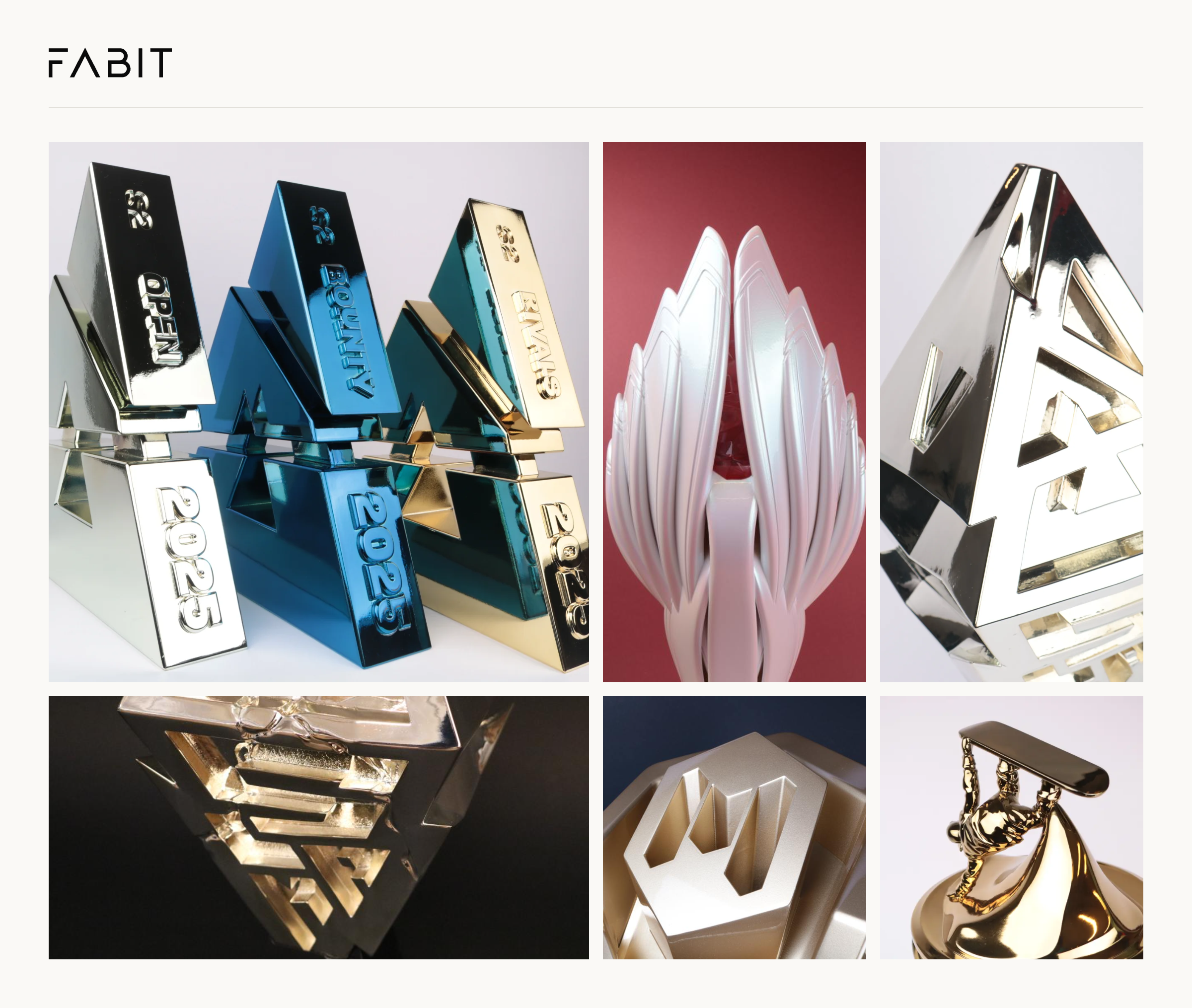
Sand casting is not the only route to a metal award. Compared with investment casting, it is cheaper and better suited to larger parts and small runs, but it captures slightly less fine detail and leaves a rougher surface. Compared with spin casting, it handles larger and heavier parts and higher temperature metals, while spin casting excels at small detailed pieces in low melt alloys.
We weigh these honestly against the brief. For a large, weighty statement award in bronze or aluminium, sand casting is often the right and most economical choice. For small, highly detailed metal medallions, we would look to spin or investment casting instead.
Finishing a Sand Cast Award
A raw casting is only the beginning. Finishing is where a sand cast award becomes premium. The casting is cut from its feed channels, ground clean, and then treated according to the desired look, machined flat where a plate mounts, polished to a shine, patinated for an antique bronze effect, or plated in gold, silver or nickel.
This finishing craft, carried out in house, is what separates a rough industrial casting from a refined award worthy of a prestigious ceremony. It is a labour of skilled hands, and it is where our combination of technology and craft is most visible.
When Fabit Recommends Sand Casting
We recommend sand casting for solid metal awards where genuine weight, permanence and a heritage character matter, particularly for larger pieces and low to moderate volumes. It is less suited to very fine, small detail or very high volumes, where spin, investment or other processes serve better.
Because we produce patterns, cast and finish under one roof, the whole journey from digital model to finished metal award stays in our hands. See finished results on our custom trophies service page.
Frequently Asked Questions
Are sand cast awards solid metal?
Yes. The award is cast from molten metal such as bronze or aluminium, giving genuine solid metal weight and permanence.
How is the pattern made?
In our studio patterns are usually 3D printed, capturing complex detail digitally before casting in metal.
Does sand casting leave a rough surface?
It leaves a slightly grainy texture, which can be kept for character or machined and polished smooth for a refined finish.
Which metals can you cast?
Commonly aluminium, bronze, brass and zinc alloys, each offering a different weight, colour and finish.
If your award should carry the weight and permanence of solid metal, our Antwerp studio replies within 24 hours and delivers worldwide. Start your brief at our design studio and we will cast your design in metal.
Related terms