Lost foam casting is a metal casting process in which a pattern made of foam is surrounded by casting material and then vaporised by molten metal poured directly onto it, so the metal takes the exact shape the foam once occupied and reproduces complex, sculptural forms in solid metal. It is a technique we turn to when a design calls for the weight, presence and permanence that only cast metal can give, particularly for intricate or organic shapes that would be difficult to mould conventionally.
How lost foam casting works
The process is named for what happens to the pattern. A model of the desired object is created in foam, a material that vaporises cleanly when it meets molten metal. This foam pattern is coated and embedded in a casting medium that holds its shape. Molten metal is then poured in. As the metal advances, it burns away the foam, taking its place entirely. The foam is lost, and in its place remains a metal replica of the original pattern. Once cooled and solidified, the casting is broken out and refined.
The elegance of the method lies in the fact that the foam does not have to be removed before casting. Because it vaporises on contact with the metal, patterns can include complex internal and external geometry without the need to open a conventional two part mould. This makes lost foam particularly capable with sculptural, undercut and organic forms.
Why lost foam casting matters for awards
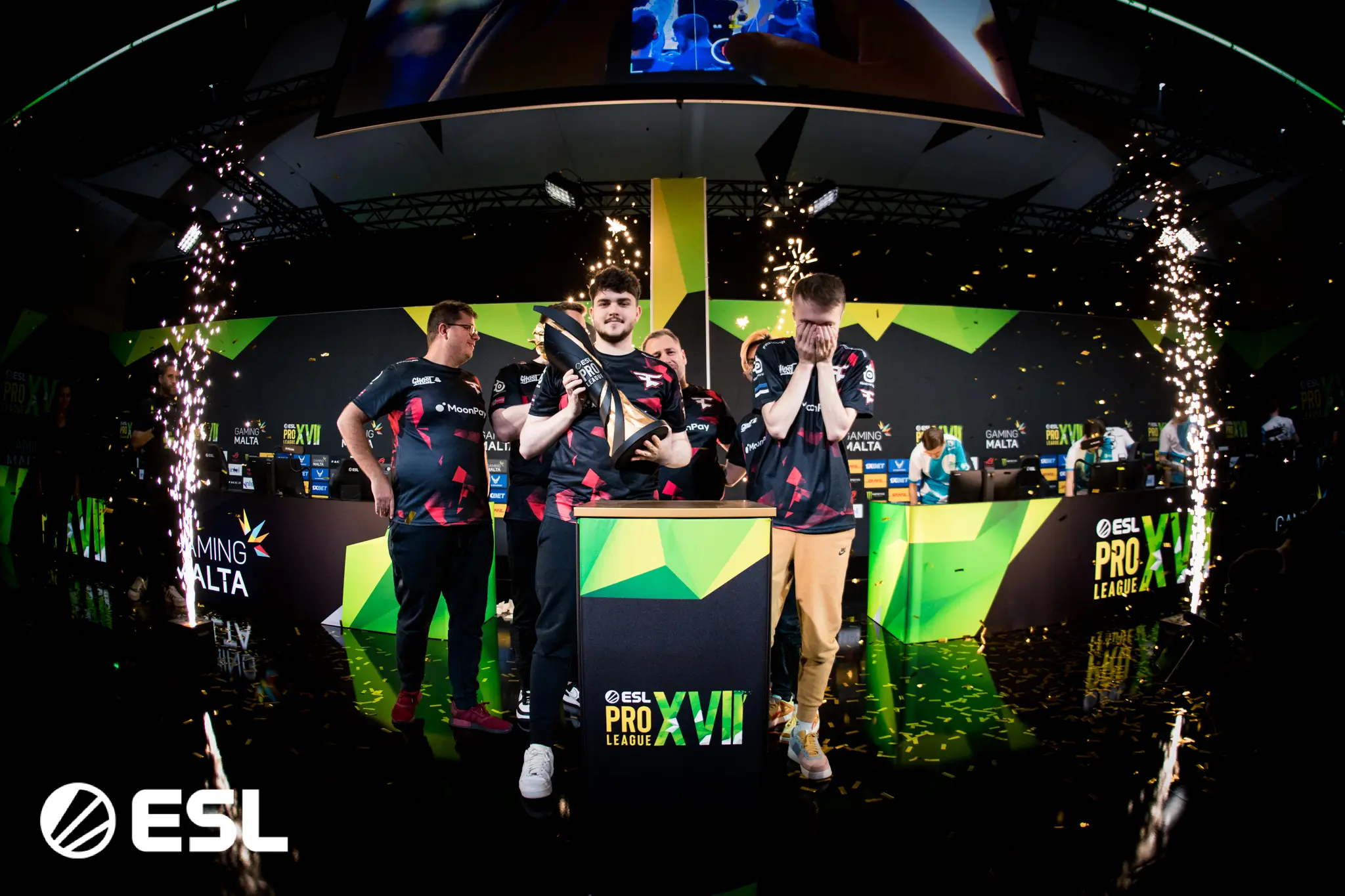
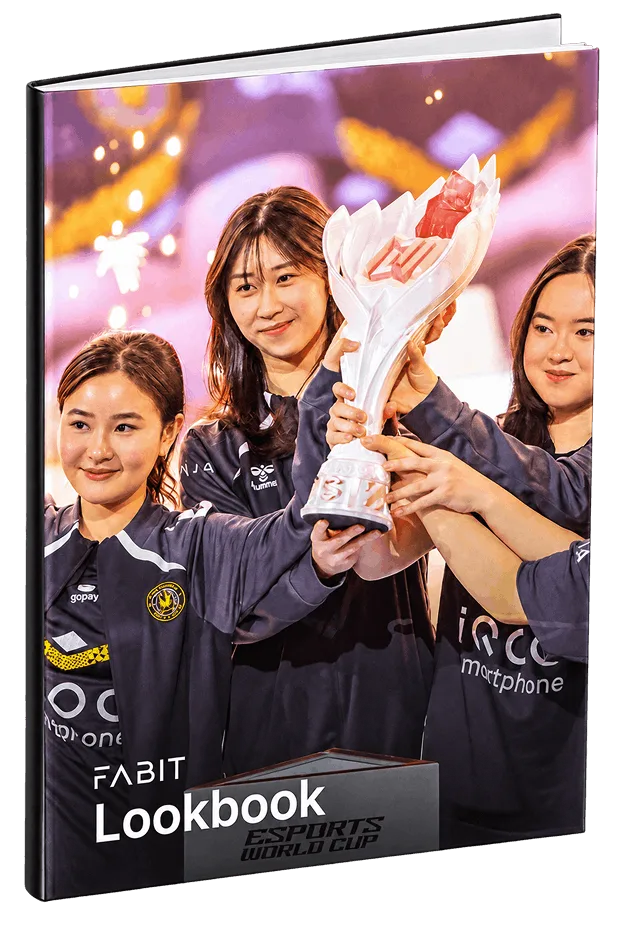
Some awards are defined by their material presence. A solid metal trophy carries a weight and a coolness in the hand that communicates permanence and prestige in a way lighter materials cannot. Lost foam casting lets us render ambitious, flowing or intricate designs in genuine metal, capturing detail while delivering that unmistakable heft. For milestone recognitions, lifetime achievements and the most prestigious ceremonies, this material quality can be exactly what the moment deserves.
The process also pairs beautifully with our digital capabilities. Foam patterns can be shaped from 3D data, so a design refined digitally and prototyped through printing can be translated into a foam pattern and then into metal. This continuity from digital concept to cast metal object is a powerful expression of the blend of technology and craft at the core of our custom trophies service.
Strengths of lost foam casting
Lost foam offers a distinct set of advantages that make it invaluable for certain pieces.
- Complex geometry: handles undercuts and organic forms without complex tooling.
- Solid metal result: delivers genuine weight, presence and permanence.
- Fine detail: captures surface detail from the foam pattern faithfully.
- Design continuity: patterns can derive from the same digital models used elsewhere.
- Sculptural freedom: ideal for flowing, artistic forms difficult to mould conventionally.
From pattern to finished metal
As with all casting, the quality of the finished piece depends heavily on the pattern and on the finishing that follows. A cast metal piece emerges from the process needing refinement, the removal of any casting remnants, smoothing, and then finishing such as polishing, patination, plating or coating to achieve the intended appearance. This finishing is where a raw casting becomes a premium award. Metal can be brought to a mirror polish, given an antique patina or plated in precious tones, each transforming the character of the piece. The range of finishes available is reflected across our materials overview.
Lost foam among the casting methods
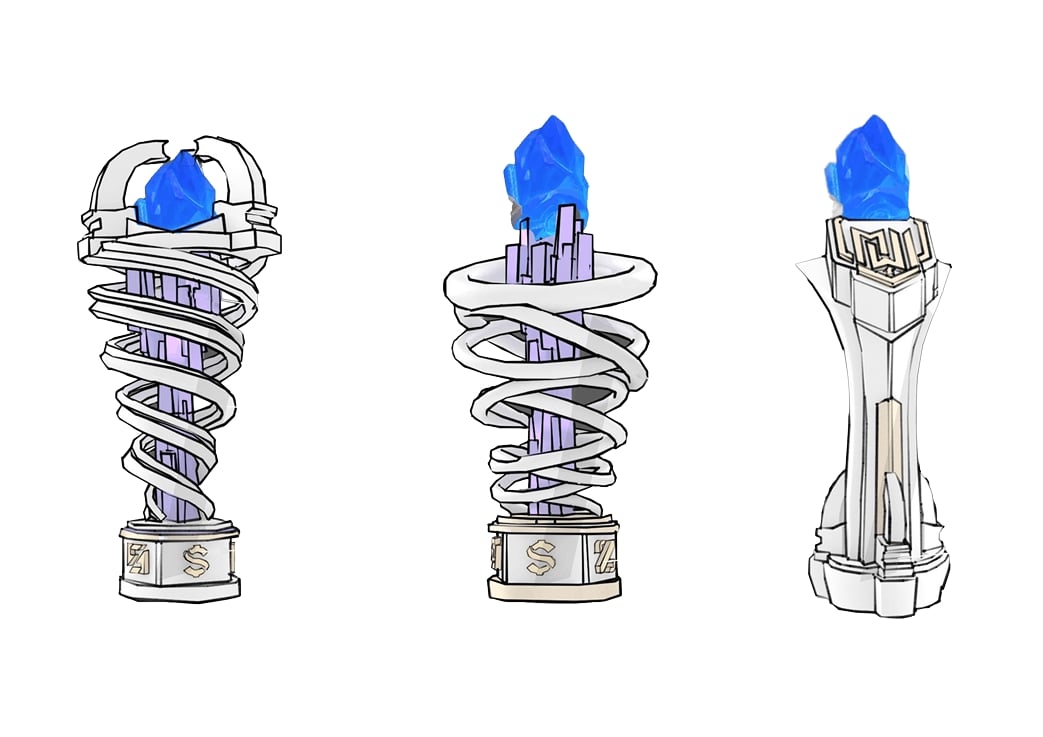
Lost foam is one of several casting routes, chosen for its ability to render complex metal forms. It differs from vacuum casting, which produces detailed resin pieces in small series, and from gravity casting, which fills a reusable mould under the pull of gravity. Each has its place, and the right choice depends on material, quantity, geometry and desired finish. Guiding clients to the appropriate method is central to our advisory role, and the resulting variety can be seen throughout our 3D printed trophy gallery, where printed and cast elements often meet in a single piece.
What this means for your project
If your vision calls for a solid metal award with sculptural ambition, lost foam casting may be the route to realise it. Because metal casting is involved, early conversation matters so we can advise on feasibility, finish and timeline. Share your concept through our design studio and our team will guide you on whether lost foam, another casting method or a hybrid build best serves the piece.
Craft, control and worldwide reach
Metal casting is an old craft, and it rewards patience and expertise at every stage, from preparing the pattern to controlling the pour to the finishing that follows. By keeping our capabilities integrated rather than scattering a project across separate specialists, we maintain a single line of accountability for the finished award. The digital design, the pattern, the casting decision and the finishing are all considered together, so the piece that leaves us reflects one coherent vision rather than a series of handoffs.
That control extends all the way to your recipient. A solid metal award is a significant object, and we plan its packaging and worldwide delivery so that its weight and presence arrive as intended, whether the ceremony is in Antwerp or overseas. It also underpins our promise to respond to every enquiry within 24 hours, because the people who can answer your questions about feasibility and finish are the same people who will make the piece.
Frequently asked questions
Can lost foam casting reproduce fine detail? Yes. Detail from the foam pattern transfers well into the metal, and finishing refines the surface to a premium standard.
Why choose cast metal over a printed trophy? Cast metal offers weight, permanence and a material prestige that printed polymers cannot replicate. For the most significant recognitions this presence is often worth it.
Can the foam pattern come from a 3D model? Yes. Patterns can be derived from the same digital design data used in our printing, giving continuity from concept to metal.
What metals can be used? A range of casting metals is possible, each with its own look and finishing options. We advise on the ideal choice for your design during your enquiry.
Related terms