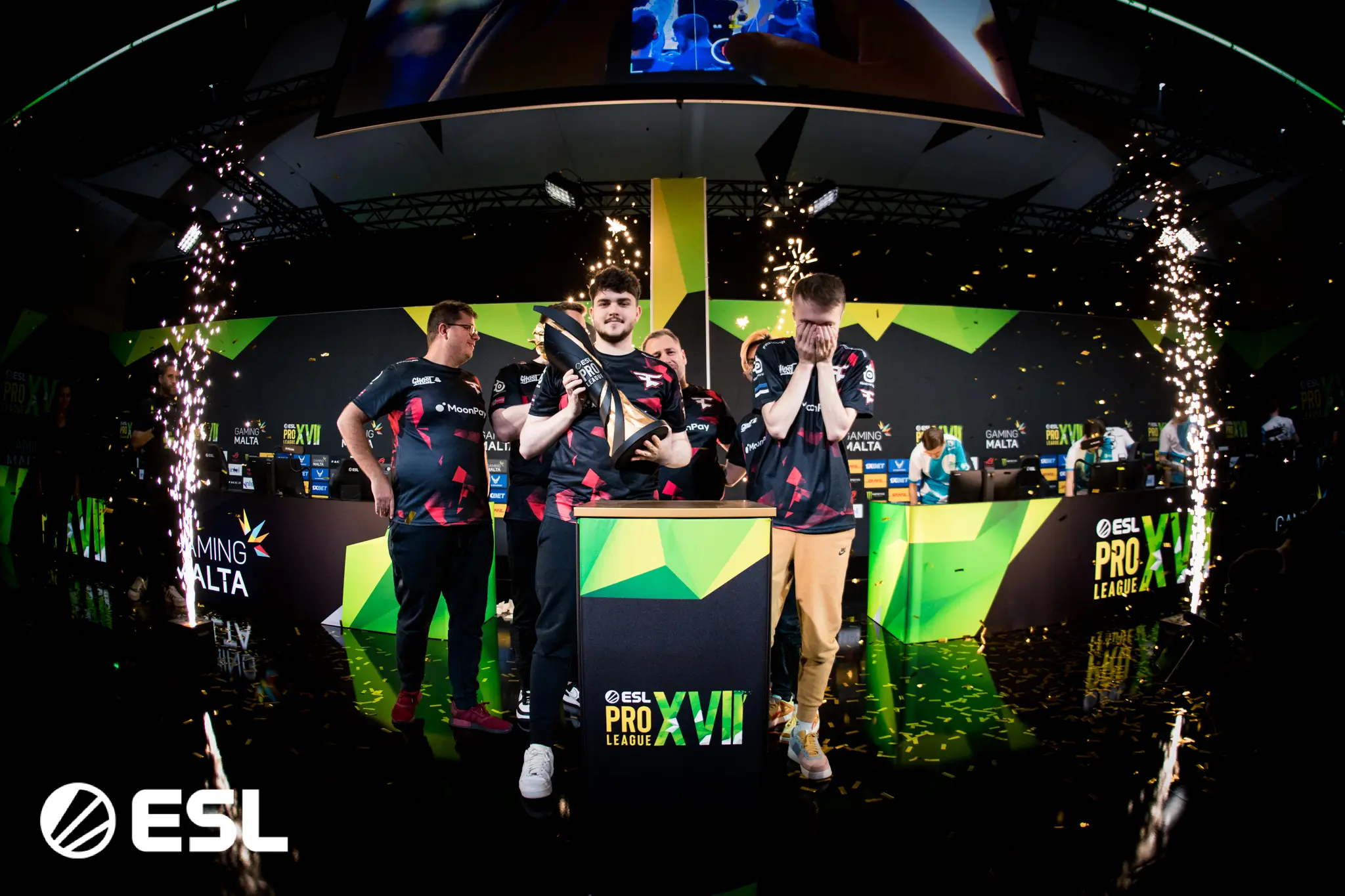
DLP printing, or Digital Light Processing, is a resin based additive manufacturing process that forms each layer of an object by projecting a single image of light onto a vat of liquid photopolymer, curing an entire cross section in one exposure and producing exceptionally fine, smooth detail. Where FDM builds a part by tracing lines of molten plastic, DLP builds it by flashing whole layers of light, and that difference is precisely why we reach for DLP when a design demands crisp edges, delicate features and a refined surface.
How DLP printing works
A DLP printer holds a reservoir of liquid resin that hardens when exposed to specific wavelengths of light. A digital projector, the same core technology found in high quality video projectors, casts a precise image of the current layer onto the resin. Every point the light touches solidifies simultaneously. A build platform then lifts by a tiny increment, fresh resin flows beneath the cured layer, and the projector flashes the next image. Layer by layer, an object emerges from the liquid, drawn upward out of the vat.
Because a whole layer cures in a single exposure rather than being traced point by point, DLP can be both fast and extraordinarily precise. The resolution is defined largely by the projector, with each projected pixel forming a tiny building block of the layer. This gives DLP the ability to reproduce fine lettering, intricate ornament and sharp geometric transitions that would be challenging for filament based methods.
Why DLP matters for premium awards
Certain recognition pieces are defined by their detail. A crest with fine heraldry, a logo with slender strokes, a sculptural form with delicate filigree, or a transparent element meant to catch the light all benefit from the resolution DLP provides. The process produces surfaces that are smooth straight off the printer, reducing the finishing labour required to reach a jewel like standard.
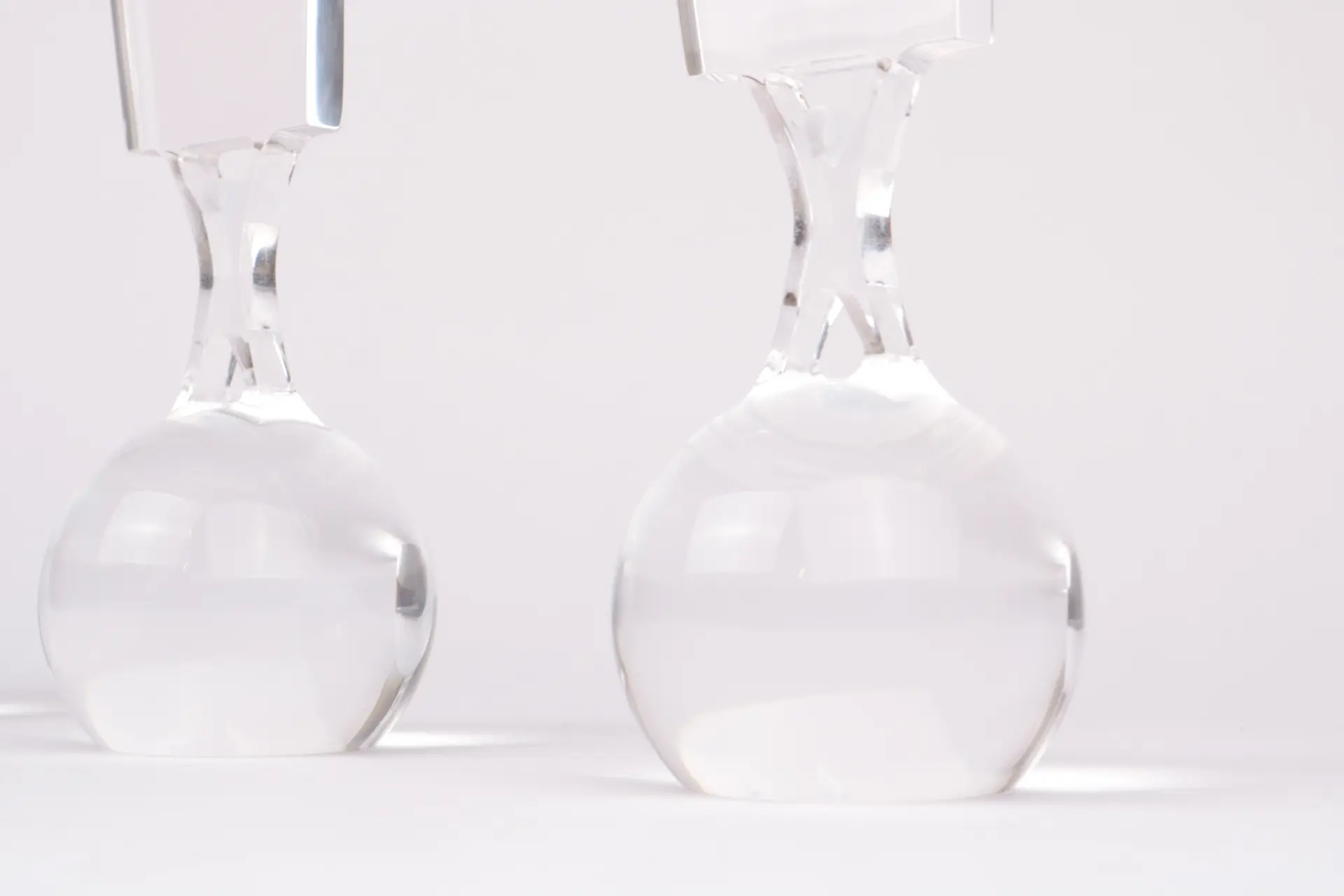
Resin materials also open expressive possibilities that filaments cannot match. Clear and tinted resins allow for translucent and transparent effects, so light can travel through a trophy and animate it. This is why DLP frequently appears in the most visually ambitious pieces we produce. You can see how detail and clarity elevate a design across our 3D printed trophy gallery.
Materials for DLP
The resin chosen governs the appearance, strength and behaviour of the finished part. Standard resins offer excellent detail for display pieces, tough resins add resilience, and specialist optical resins provide the clarity needed for transparent showpieces. Each has its own handling characteristics and finishing route. We describe the substrates and finishes available across our work on the materials overview, and we advise per project on which resin best expresses the design.
From printer to finished piece
A DLP part requires careful post processing. Freshly printed parts are coated in uncured resin, so they are cleaned and then cured further under controlled light to reach full strength. Support structures are removed and their contact points refined. From there the piece may be polished to optical clarity, painted, coated or combined with other components. The result of this attention is a surface and edge quality that reads as genuinely premium.
DLP compared with FDM
Choosing between DLP and FDM is a question of matching process to intent rather than declaring one superior.
- Detail: DLP resolves finer features and smoother surfaces than FDM.
- Transparency: DLP resins can be clear or tinted; FDM is opaque.
- Scale: FDM handles large forms more economically; DLP shines at small and mid scale detail.
- Robustness: engineering FDM polymers can be tougher for structural, high stress parts.
- Finish effort: DLP arrives smoother, reducing certain finishing steps.
In practice many Fabit awards combine both, using DLP for the detailed hero element and FDM or casting for structure and scale. Knowing where each earns its place is the heart of our advisory approach.
When we recommend DLP
We tend to propose DLP when a design leans on intricate detail, when a transparent or translucent effect is central, or when the finished surface must be flawless with minimal visible texture. If your concept involves fine lettering, delicate ornament or a light catching form, DLP is very likely part of the answer. Share your idea through our design studio and we will confirm the ideal route.
The advantage of in house resin printing
Resin printing rewards experience. The behaviour of a photopolymer changes with temperature, exposure and even the age of the resin, and small missteps show up as soft detail, warping or failed prints. Because we run our DLP printing in house rather than sending files to an outside bureau, we have built up a deep, practical understanding of how each resin behaves and how to coax the very best from it. That accumulated knowledge is difficult to buy off the shelf, and it is a large part of why our detailed pieces look as crisp as they do.
In house control also protects your timeline and your confidentiality. Prototypes and revisions happen on our own machines, so we can react quickly to feedback and honour our commitment to respond to every enquiry within 24 hours. It further means that a design perfected for one client is produced and finished by the same trusted hands, then shipped anywhere in the world with the assurance that nothing was compromised along the way.
Frequently asked questions
Is DLP printing more expensive than FDM? Per part it can be, because resin materials and the additional curing and cleaning steps carry cost. The right question is which process serves the design, and we advise transparently so the investment matches the intended impact.
Can DLP produce transparent trophies? Yes. With optical resins and careful polishing, DLP can create genuinely clear, light catching pieces, a signature capability for showpiece awards.
How durable are DLP printed awards? Properly cured and finished, they are robust and well suited to display and handling. For pieces that face heavy mechanical stress we may recommend a tougher resin or a hybrid build.
How large can a DLP piece be? DLP is best suited to small and medium scale detail work. For larger forms we combine it with other techniques described in our custom trophies service.
Related terms