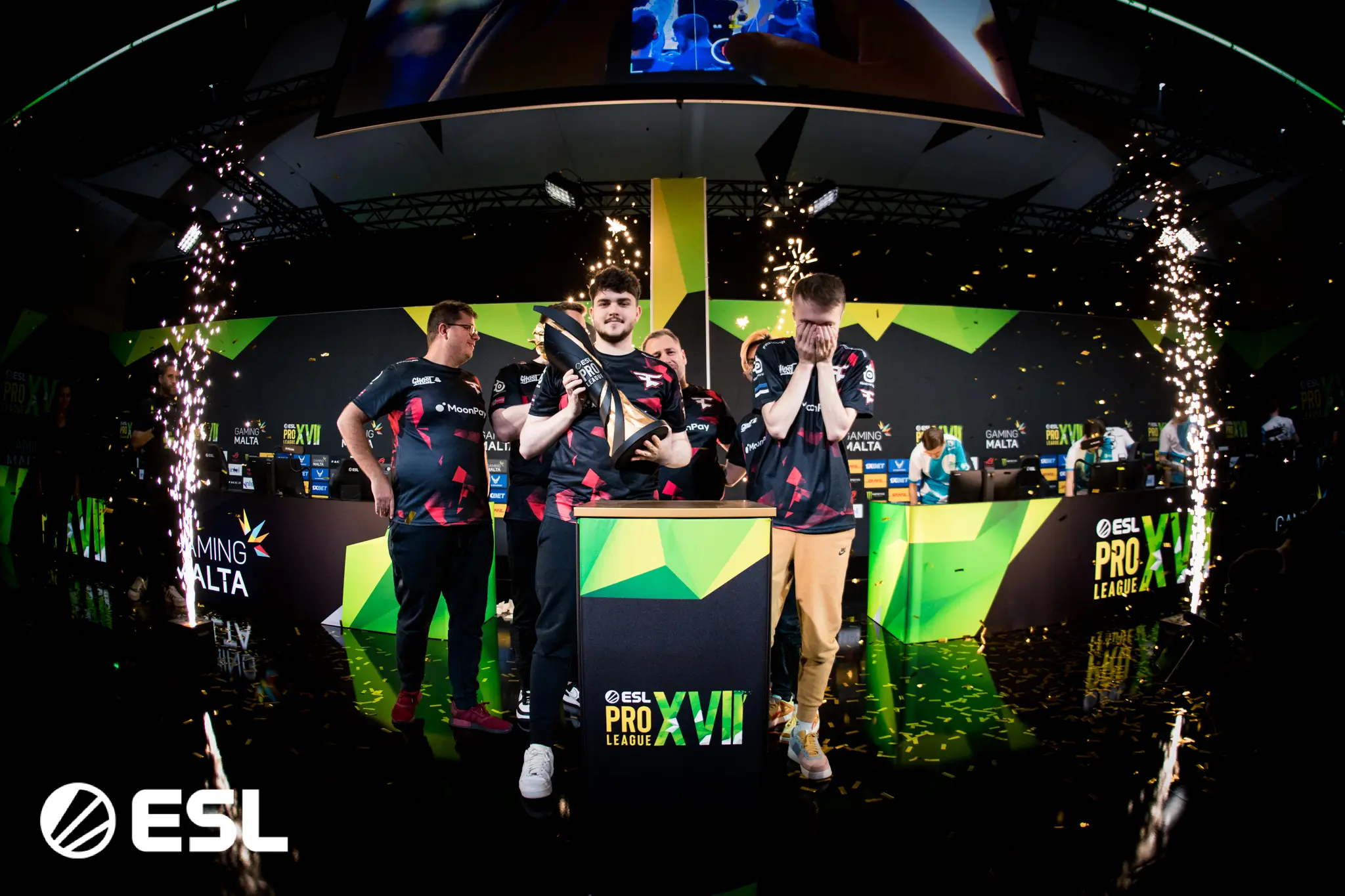
Directed energy deposition, often abbreviated as DED, is a metal 3D printing process in which a focused energy source such as a laser, electron beam, or plasma arc melts metal feedstock, delivered as powder or wire, at the exact point of deposition, building up material bead by bead to form or repair a part. Unlike powder bed methods, DED does not work inside a bed of loose powder. Instead a nozzle feeds material directly into a moving melt pool. Understanding DED broadens the perspective Fabit brings to every commission, even though our intricate award work relies chiefly on the fine detail of powder bed fusion.
How directed energy deposition works
In a DED system, a deposition head combines an energy source with a feedstock delivery system. As the head moves, the energy source creates a small molten pool on the surface below, and metal powder or wire is fed into that pool where it melts and fuses. The head traces the geometry of the part, and material accumulates layer upon layer as beads are laid side by side and stacked. Many DED machines mount this head on a multi axis arm or gantry, which allows metal to be added onto existing surfaces at almost any angle.
Because the feedstock is delivered precisely where it is needed rather than spread across a whole bed, DED can build large parts efficiently and can add material to an existing object. This last capability is what makes DED unusual among additive processes, since it can repair and rebuild as readily as it can create from scratch.
What directed energy deposition is used for
DED is most valuable in heavy industry. It builds large metal components at high deposition rates, adds features onto existing parts, and repairs worn or damaged high value items such as turbine blades, tooling, and machinery. Because it can blend materials as it builds, DED is also used to apply wear resistant or corrosion resistant coatings and to create functionally graded parts whose composition changes from one region to another.
These strengths make DED a workhorse for maintenance, repair, and large scale fabrication. Its surface finish is comparatively rough and its feature resolution coarse, so it is rarely the first choice where fine, decorative detail is the goal.
Why DED is not our route for detailed awards
A premium trophy lives or dies on its detail, its lettering, its logos, and its polished surfaces. DED, with its relatively large melt pool and coarse deposition, cannot match the crisp resolution of a laser scanning a fine powder bed. That is precisely why Fabit builds its intricate awards with powder bed fusion processes like SLM, which render delicate features cleanly in a single dense build. We explain these distinctions plainly, because choosing the right process is the foundation of the advice we give on every custom trophy project. Where DED becomes interesting for us is in understanding the full landscape of metal manufacturing so our recommendations are always grounded.
Directed energy deposition compared with powder bed fusion
The core contrast is how material arrives. Powder bed fusion, including SLM and EBM, spreads powder in a bed and melts selected regions, giving fine detail and excellent surface quality. DED feeds powder or wire directly into a melt pool through a moving nozzle, giving high build rates, large part capability, and the unique power to add onto existing surfaces, at the cost of resolution and finish. Neither is superior in the abstract. Each answers a different question, and knowing which question a project poses is the essence of good manufacturing judgement.
The strengths of DED at a glance
- Large parts: high deposition rates suit big components.
- Repair and rebuild: material can be added onto existing objects.
- Material blending: composition can shift within a single build for graded properties.
- Coatings: wear and corrosion resistant layers can be applied to surfaces.
- Wire or powder: flexible feedstock options to suit the application.
How Fabit puts this knowledge to work
Fabit is a craft led studio, and our value lies in matching each commission to the right technology and then finishing it by hand to a museum standard. Directed energy deposition is not our tool for delicate awards, but understanding it, alongside powder bed fusion, binder jetting, and the rest, is what lets us advise clients with confidence. Because our production is coordinated in house in Antwerp, we control quality end to end, respond within twenty four hours, and deliver finished pieces worldwide. The metals we bring to life are shown on our materials overview.
Starting a metal award project
If your idea calls for genuine metal, fine detail, and lasting quality, the path almost always runs through a fine detail process, guided by our team from concept to finished object. To begin, open our online create tool and let us help shape your vision.
Frequently asked questions
Can DED make a detailed trophy? Not cleanly. Its coarse resolution suits large parts and repairs, so we use fine detail powder bed fusion for intricate awards.
What makes DED unique? It can add metal onto existing surfaces, which allows repair and rebuilding, not just creation from scratch.
Does DED use powder or wire? Either. Both are common feedstocks, chosen to suit the part and application.
Why does DED need so much finishing? Its large melt pool leaves a rough surface, so extensive machining and polishing are needed to refine it.
Directed energy deposition is a powerful industrial technology, and understanding its place helps us always steer each award toward the process that will serve it best.
Related terms