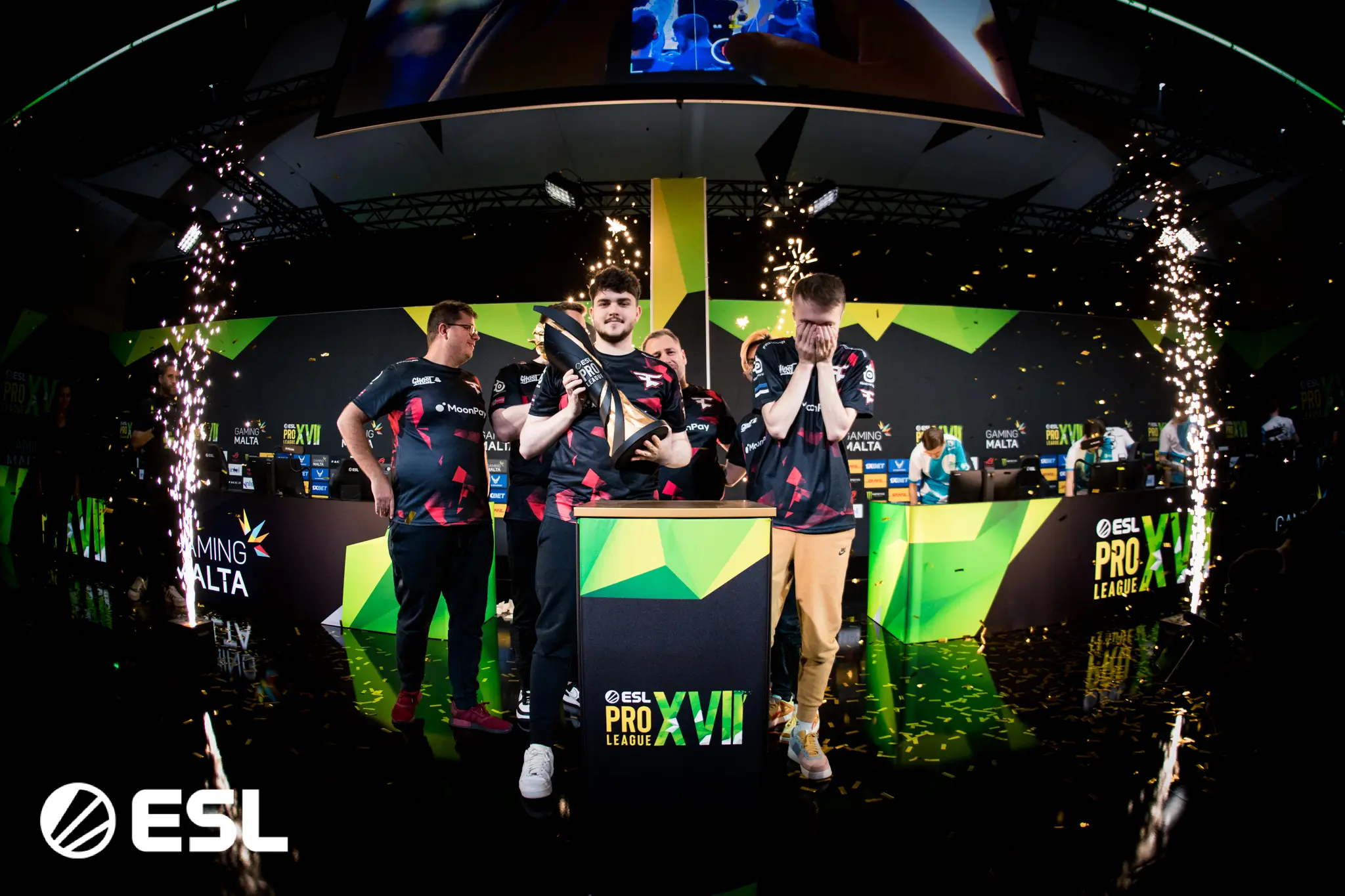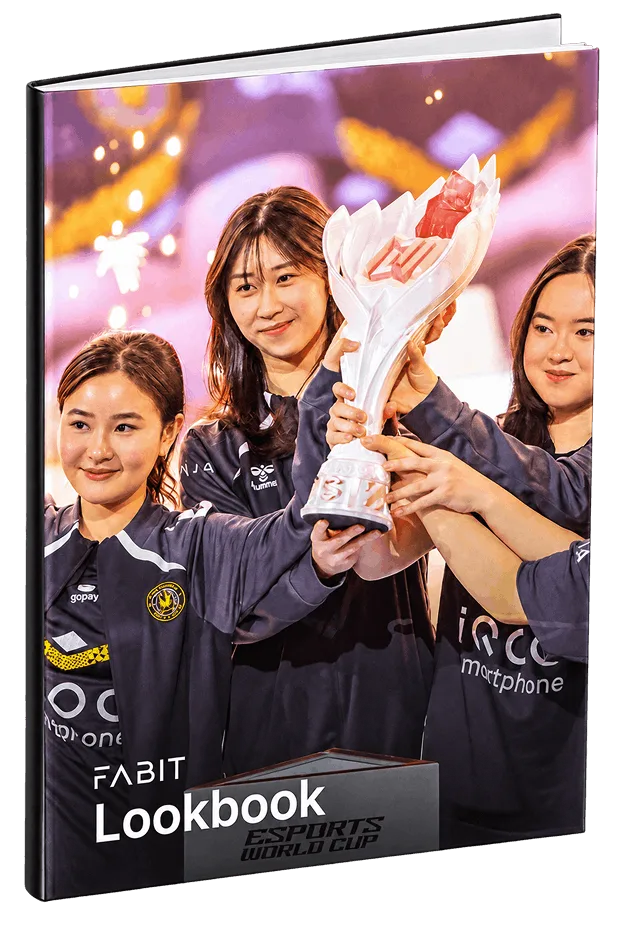
A silhouette in award design is the outline shape of a piece seen against its background, the single most powerful cue that makes a trophy recognisable from across a room and unmistakably yours. Before a viewer registers colour, finish, or engraving, they read the silhouette. At Fabit, our Antwerp studio treats the silhouette as the foundation of every custom award, because a distinctive outline is what turns a trophy into an icon rather than a generic shape.
Why the outline comes first
Human vision is tuned to edges. We identify objects by their contours long before we process detail, which is why a well-chosen silhouette does so much heavy lifting in design. A trophy with a strong outline is memorable in a photograph thumbnail, on a shelf among other pieces, and in the split second a recipient first sees it. A weak or generic silhouette, by contrast, blends into every other award ever made, no matter how refined its surface.
This is the same principle that makes famous products identifiable by shape alone. In award work, it means we start not with decoration but with the question of what shape the piece should be, and how that shape can carry meaning for the brand or occasion.
What a silhouette communicates
An outline can express a great deal before a single word is engraved. A tall, narrow silhouette suggests aspiration and prestige. A broad, grounded form communicates stability and permanence. Flowing, asymmetric contours feel contemporary and creative, while geometric, symmetrical shapes read as precise and technical. When we design a custom award, we choose the silhouette to match the story: an innovation prize might take a dynamic, forward-leaning form, while a heritage award might rest on a solid, architectural base.
Silhouettes can also be literal. A brand’s product, a landmark, a letterform from a logo, or an abstraction of an industry can all become the defining outline of an award. When that shape is executed with restraint, the result feels premium rather than gimmicky.
How Fabit develops a silhouette
We begin with sketches and quick digital studies, exploring several outline directions before committing to detail. Working shape-first keeps the design honest, because a piece that looks good in pure black outline will almost always look good once material and finish are added. Once a silhouette is agreed, we move into full three-dimensional design, refining proportion and stance so the form holds up from every viewing angle, not just head-on.
Because we design and manufacture under one roof, the silhouette is never divorced from feasibility. A striking outline still has to stand, balance, and survive shipping, so our designers and makers refine the shape together. You can see the range of forms we produce across our custom trophies work, where the silhouette does most of the talking.
Silhouette and stability
A beautiful outline still has to obey physics. Tall, slender silhouettes need thoughtful material choices and internal weighting so they do not feel flimsy or tip easily. Cantilevered or asymmetric forms require a base that counterbalances the visual mass. We resolve these questions during design so the finished award has both presence and poise, a topic connected to how we handle weighting across the studio.
Where silhouette matters most
- Series awards, where a shared outline unifies every year or category
- Brand-driven trophies that abstract a product or logo into form
- Event awards that must photograph well and read at a distance
- Desk and display pieces seen daily, where the outline becomes familiar
- Sculptural art awards where the silhouette is the entire concept
- Multi-tier programmes that scale one silhouette across sizes and metals
Balancing silhouette with detail
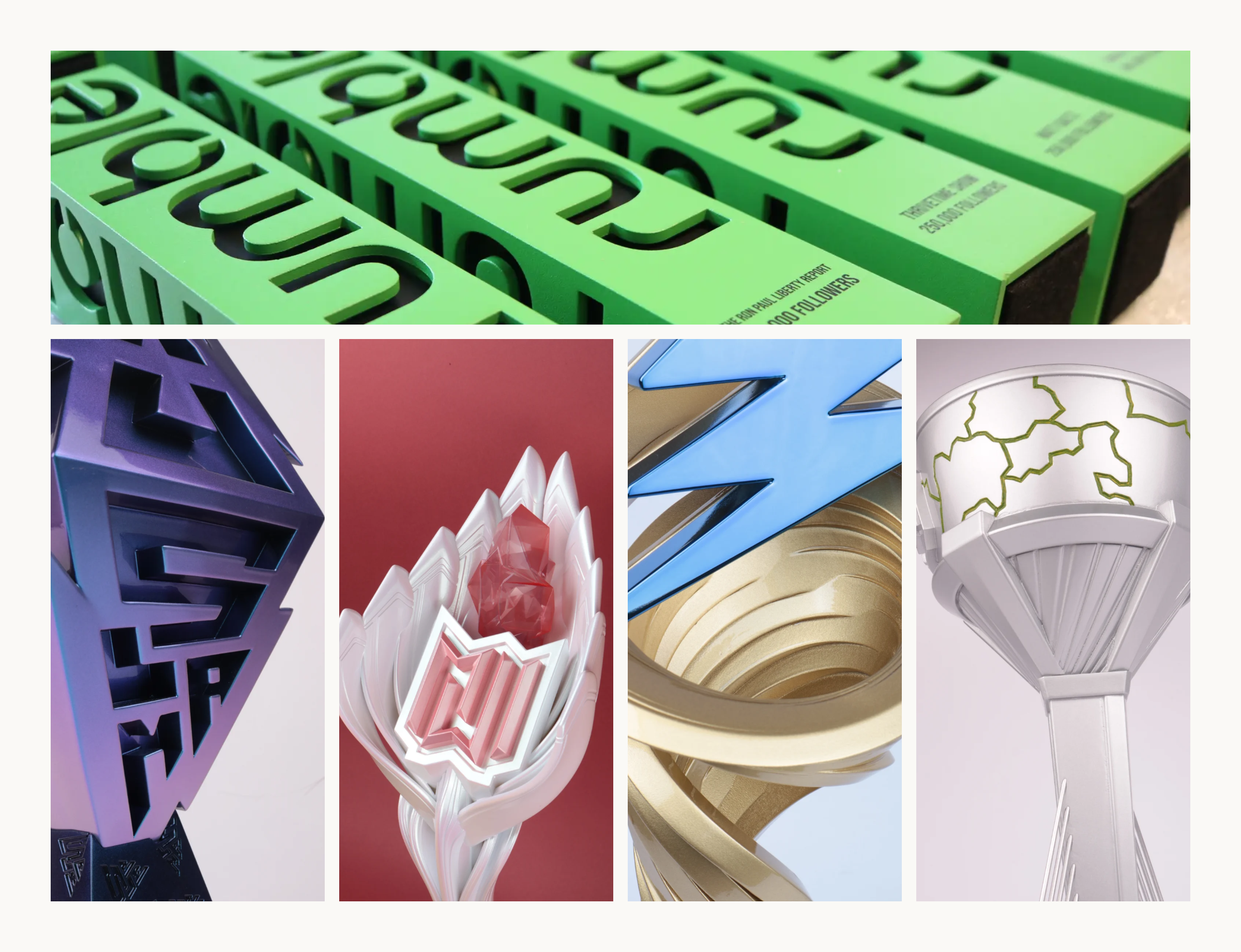
A strong outline does not mean a busy one. The most effective award silhouettes are often simple, letting engraving, relief, and finish add richness without fighting the shape. We advise clients to protect the clarity of the outline and to add detail inside it rather than complicating its edges. This restraint is a hallmark of premium design and one of the easiest ways to keep an award timeless rather than dated.
Explore a shape yourself
If you want to experiment with forms before briefing us, our tool at create.fabit3d.com lets you play with proportions and ideas. When you are ready, our Antwerp studio refines the concept into a production-ready design, responds within 24 hours, and delivers finished awards worldwide.
Silhouette as the anchor of a brand identity
For organisations that run recognition programmes year after year, the silhouette can become a genuine asset in its own right. A distinctive outline, once established, becomes shorthand for the honour itself: people learn to recognise the award by its shape alone, the way they recognise a landmark trophy in sport. This is why we encourage clients thinking beyond a single event to treat the silhouette as a long-term investment rather than a one-off decision. A well-judged outline can be scaled across categories, reproduced at different sizes for different tiers, and refreshed subtly over the years without losing its core identity. Getting that foundational shape right at the outset pays dividends across the entire life of a programme, and it is a conversation we are always glad to have during the advisory stage.
Testing a silhouette before you commit
One practical benefit of designing shape-first is that a silhouette can be evaluated cheaply and quickly. We can show an outline in pure form, at ceremony scale and in thumbnail, so you can judge how it reads at a glance and from across a room before any material or finish is chosen. This early validation removes much of the risk from a bespoke commission, and it means the decisions that cost the most to change are made when they are still easy to change. It is a small discipline that consistently produces stronger, more confident awards.
Frequently asked questions
Can you base a silhouette on our logo? Yes. We regularly abstract a logo or a letterform into a three-dimensional outline. The key is simplifying it enough to work as a physical shape while keeping it recognisable.
Does a complex silhouette cost more? Often, because intricate outlines demand more design and production care, and sometimes more support material or machining. We quote clearly so you can weigh impact against budget.
How do you keep a tall silhouette stable? Through material choice, base design, and internal weighting. We resolve balance during design rather than discovering it after production.
Should the silhouette be literal or abstract? Either can work. Literal shapes tell an immediate story; abstract ones feel more timeless. We help you choose based on the award’s purpose and audience.
Related terms