Ein Direct Listing ist eine Methode des Börsengangs, bei der ein Unternehmen seine bestehenden Aktien direkt an einer Börse notieren lässt, ohne neue Aktien auszugeben, Underwriter zum Kauf und Weiterverkauf der Aktien einzusetzen oder den traditionellen Roadshow-und-Zuteilungs-Prozess eines Börsengangs (IPO) zu durchlaufen. Statt durch neu geschaffene Aktien frisches Kapital aufzunehmen, öffnet ein Direct Listing lediglich die Tür für bestehende Anteilseigner wie Gründer, Mitarbeitende und frühe Investoren, ihre Anteile am Eröffnungstag zu einem Preis, den Angebot und Nachfrage ermitteln, am öffentlichen Markt zu verkaufen.
Wie sich ein Direct Listing von einem IPO unterscheidet
Bei einem herkömmlichen IPO agieren Investmentbanken als Underwriter. Sie kaufen neu ausgegebene Aktien zu einem vereinbarten Preis vom Unternehmen und verkaufen sie an institutionelle Investoren weiter, womit sie dem Unternehmen faktisch einen festen Kapitalbetrag garantieren und den frühen Handel stabilisieren. Bei einem Direct Listing gibt es keine Underwriter, die die Aktien kaufen, keinen festen Angebotspreis und oft keine Lock-up-Frist, die Insider am Verkauf hindert. Die Börse lässt die bestehenden Aktien einfach zu, und Market Maker ermöglichen eine Eröffnungsauktion, die den ersten Handelspreis festlegt.
Dieser Unterschied ist wichtig. Ein Direct Listing wählen typischerweise Unternehmen, die nicht dringend Geld aufnehmen müssen, bereits eine starke Markenbekanntheit genießen und die Verwässerung und die Underwriting-Gebühren eines Standard-IPO vermeiden möchten.
Warum Unternehmen ein Direct Listing wählen
Die Motive sind meist dreifach. Erstens die Kosten. Underwriting-Gebühren bei einem großen IPO können in die zweistelligen Millionen gehen, und ein Direct Listing umgeht einen Großteil dieser Ausgaben. Zweitens die Fairness der Preisfindung. Da der Eröffnungspreis vom Markt gesetzt und nicht mit einer Bank verhandelt wird, argumentieren Unternehmen, er spiegele die tatsächliche Nachfrage genauer wider und verringere den Kurssprung am ersten Tag, der Geld auf dem Tisch liegen lassen kann. Drittens die Liquidität für bestehende Anteilseigner. Mitarbeitende und frühe Unterstützer können sofort verkaufen, ohne eine Lock-up-Frist abzuwarten.
Aufsichtsbehörden haben inzwischen primäre Direct Listings zugelassen, bei denen ein Unternehmen im Zuge des Verfahrens auch neues Kapital aufnehmen kann und so einige Vorteile des IPO mit dem Direct-Listing-Modell verbindet. Diese Entwicklung hat die Attraktivität der Struktur über die wenigen prominenten Technologienamen hinaus erweitert, die sie eingeführt haben.
Die Rolle von Beratern und Market Makern
Auch wenn es keine Underwriter im klassischen Sinn gibt, spielen Banken weiterhin eine wichtige beratende Rolle. Sie helfen dem Unternehmen bei der Vorbereitung der Registrierung, informieren Investoren und unterstützen den designierten Market Maker, der die Eröffnungsauktion leitet. Finanzberater begleiten Bewertungserwartungen und Kommunikationsstrategie. Das Fehlen eines formalen Bookbuilding-Prozesses legt noch mehr Gewicht auf klare Offenlegung und das Verständnis der Investoren.
Risiken und Überlegungen
Direct Listings sind nicht ohne Nachteile. Ohne Underwriter, die Kapital zusagen, kann der frühe Handel volatiler sein. Ohne Lock-up kann eine Welle von Insiderverkäufen den Kurs unter Druck setzen. Und ohne die Marketingmaschinerie einer Roadshow tun sich weniger bekannte Unternehmen womöglich schwer, die Nachfrage aufzubauen, die ein Direct Listing braucht. Aus diesen Gründen eignet sich das Modell tendenziell für reife, gut kapitalisierte, weithin bekannte Unternehmen.
Ein Direct Listing mit einem Deal Toy würdigen
Der Gang an die Börse ist ein prägender Moment in der Geschichte jedes Unternehmens, und ein Direct Listing ist nicht weniger bedeutsam, nur weil das Underwriting entfällt. Die Teams, die monatelang die Registrierung vorbereiten, die Berater, die die Strategie formen, und die Führungskräfte, die die Glocke läuten, verdienen alle ein bleibendes Andenken. Ein Direct-Listing-Deal-Toy, manchmal Tombstone oder Finanztrophäe genannt, hält diesen Tag in einem physischen Objekt fest, das Pressezyklen und Kursschwankungen überdauert.
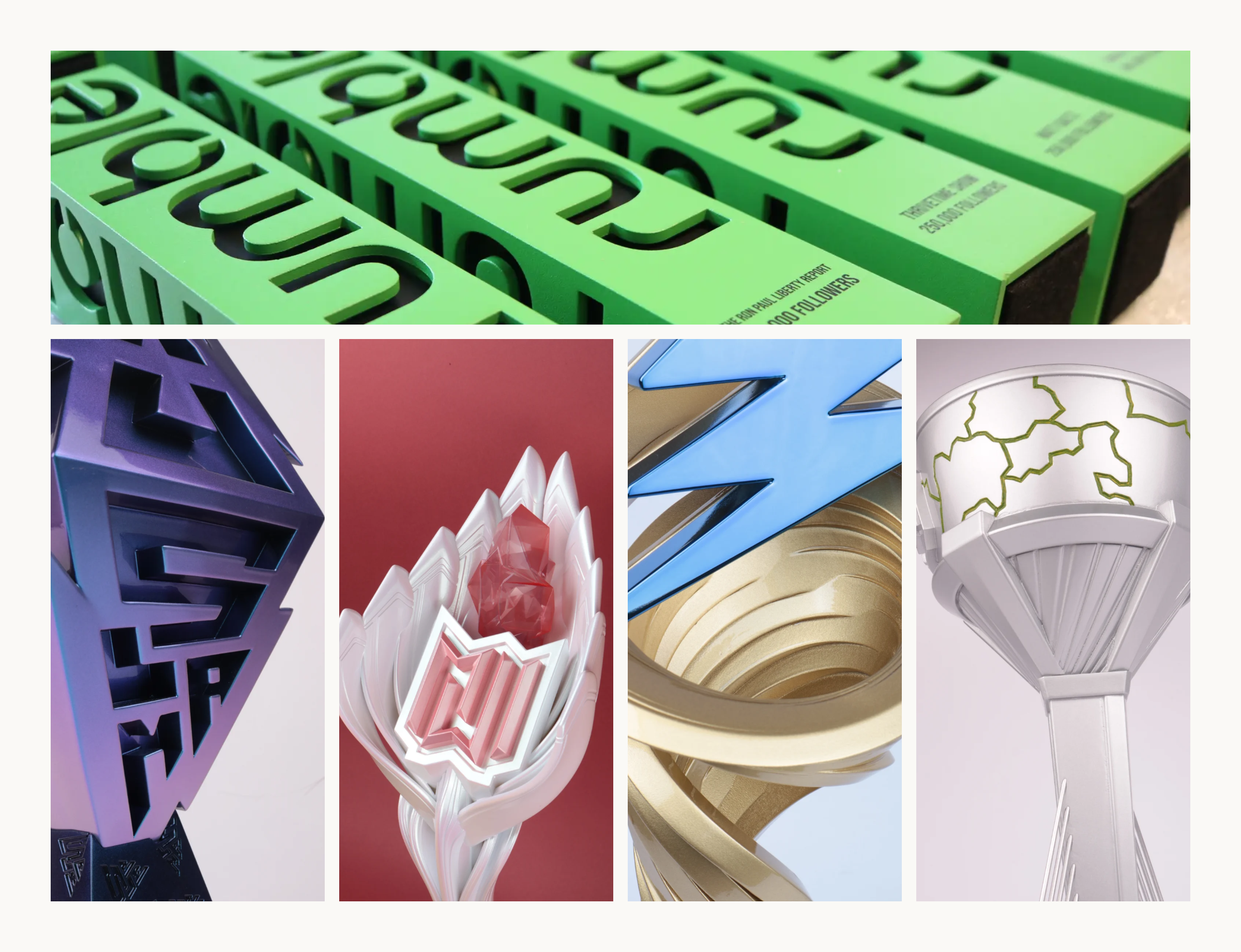
Bei Fabit fertigen wir diese Stücke in eigener Fertigung in Antwerpen und verbinden dabei 3D-Design, Metallbearbeitung und Handveredelung. Ein Direct-Listing-Tombstone kann die Eröffnungsglocke darstellen, das Tickersymbol einbinden oder die Börsenfassade im Miniaturformat nachbilden. Da ein Direct Listing ein Zeichen von Selbstvertrauen und Unabhängigkeit ist, sollte das Objekt ebenso souverän wirken. Wie wir Meilensteine am Kapitalmarkt gestalten, sehen Sie auf unserer Seite für die Finanzbranche, und das handwerkliche Können entdecken Sie auf unserer Deal-Tombstone-Service.
- Bestehende Aktien werden direkt an der Börse notiert
- Keine Underwriter kaufen oder verkaufen die Aktien weiter
- Eine Eröffnungsauktion legt den ersten Handelspreis fest
- Insider erhalten sofort Liquidität, ohne Lock-up
- Berater und ein Market Maker begleiten das Debüt
- Der Notierungstag wird mit einem Deal Toy gewürdigt
Einen Direct-Listing-Tombstone gestalten
Ein Direct Listing steht für Unabhängigkeit, daher ist das Erinnerungsobjekt oft klar und selbstbewusst gehalten. Häufig kombinieren wir gefrästes Metall mit transparenten 3D-gedruckten Elementen, um die Transparenz der Preisfindung anzudeuten, eine passende Metapher für eine vom Markt bestimmte Eröffnung. Zu den Empfängern zählen in der Regel das Führungsteam, die Finanzberater, die Rechtsberatung und der Designated Market Maker. In unserer gemeinsamen Skizzenphase stimmen sich alle Beteiligten auf das Konzept ab, bevor die Fertigung beginnt. Einen zugänglichen Einstieg finden Sie über unseren 3D-gedruckten Trophäe.
Häufig gestellte Fragen
Beschafft ein Direct Listing Kapital für das Unternehmen? Traditionell nein, doch primäre Direct Listings erlauben einem Unternehmen inzwischen, neue Aktien auszugeben und Kapital aufzunehmen, zusammen mit der Notierung bestehender Aktien.
Wer erhält typischerweise ein Direct-Listing-Deal-Toy? Führungskräfte, Finanzberater, Rechtsbeistand und gelegentlich Schlüsselmitarbeitende, die den Prozess vorangetrieben haben. Die Stückzahlen reichen meist von wenigen bis zu mehreren Dutzend.
Können Sie die Börse oder die Eröffnungsglocke in das Design einbeziehen? Ja. Wir modellieren regelmäßig Börsenfassaden, Glocken, Tickersymbole und Eröffnungskurse in maßgefertigte Stücke ein.
Wie schnell können Sie auf eine Anfrage reagieren? Wir antworten auf jede Anfrage innerhalb von vierundzwanzig Stunden und richten den Produktionsplan nach Ihrem Notierungstermin oder Ihrer Feier aus.
Verwandte Begriffe