
Bronze and stainless steel are the two materials that define the language of a serious award. Choosing between them is not a matter of budget alone. It is a decision about the story your trophy tells the moment it is lifted.
Bronze reads as heritage, warmth and permanence, which makes it the natural choice for legacy awards and long-standing honours. Stainless steel reads as modern, sharp and engineered, which suits sport, technology and contemporary brands. If your event is about tradition and prestige, choose bronze. If it is about performance and precision, choose stainless steel.
Two materials, two very different messages
A trophy is a physical argument about what matters. Bronze carries centuries of association with monuments, medals and craftsmanship. It feels earned. Stainless steel, by contrast, feels current and confident, closer to aerospace than to the museum.
At Fabit we work with both every week, and the right answer almost always comes from the brand behind the award rather than from the metal itself. We start with what the trophy needs to say, then engineer backwards from there.
Fabit
Custom awards, designed and built in house
Fabit designs and produces custom awards for brands, ceremonies and programs. 3D design, in house production and worldwide delivery, with a response within 24 hours.
Bronze: warmth, patina and gravitas
Bronze has a depth of colour that no other trophy material matches. Its surface can be polished to a rich glow or given a controlled patina that deepens the sense of age and importance. It photographs beautifully under warm light, which matters when a winner’s photo travels further than the trophy ever will.
It is also forgiving of sculptural, organic forms. If your concept involves figurative shapes, flowing lines or fine relief detail, bronze holds that intent with remarkable fidelity. This is why heritage sporting honours and cultural prizes so often stay loyal to it.
Stainless steel: precision, edge and clarity
Stainless steel is the material of the modern podium. Brushed or mirror-polished, it delivers crisp geometry, clean edges and a cool, contemporary presence. It resists corrosion, fingerprints wipe away, and it keeps its look for decades with almost no care.
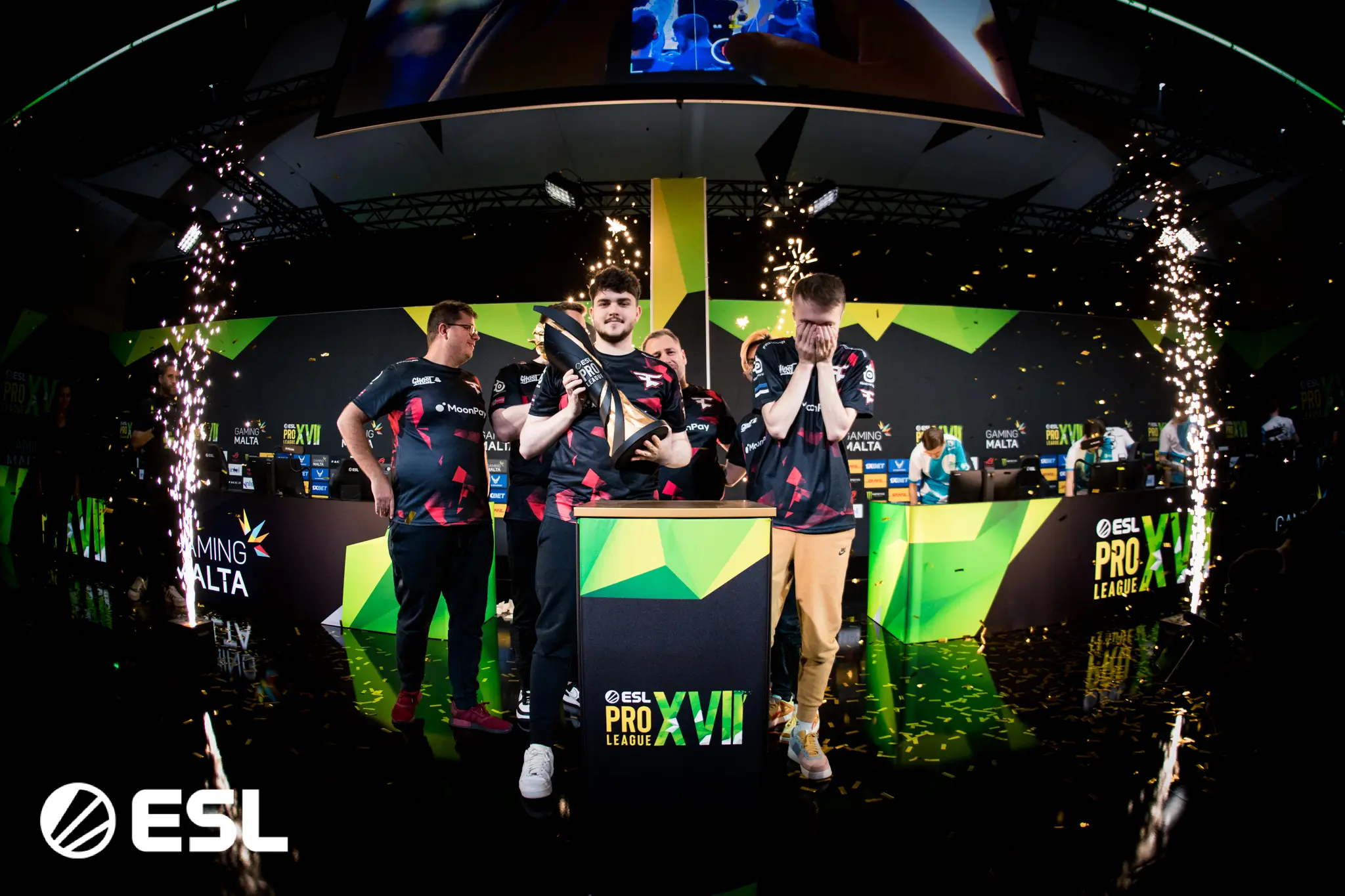
For leagues and competitions with a sharp visual identity, steel is often the stronger fit. When we produced trophies in the world of premium esports, working around the aesthetics familiar to ESL and BLAST audiences, stainless steel gave us the engineered, high-tech language those finals demand.
Weight, presence and the moment of the lift
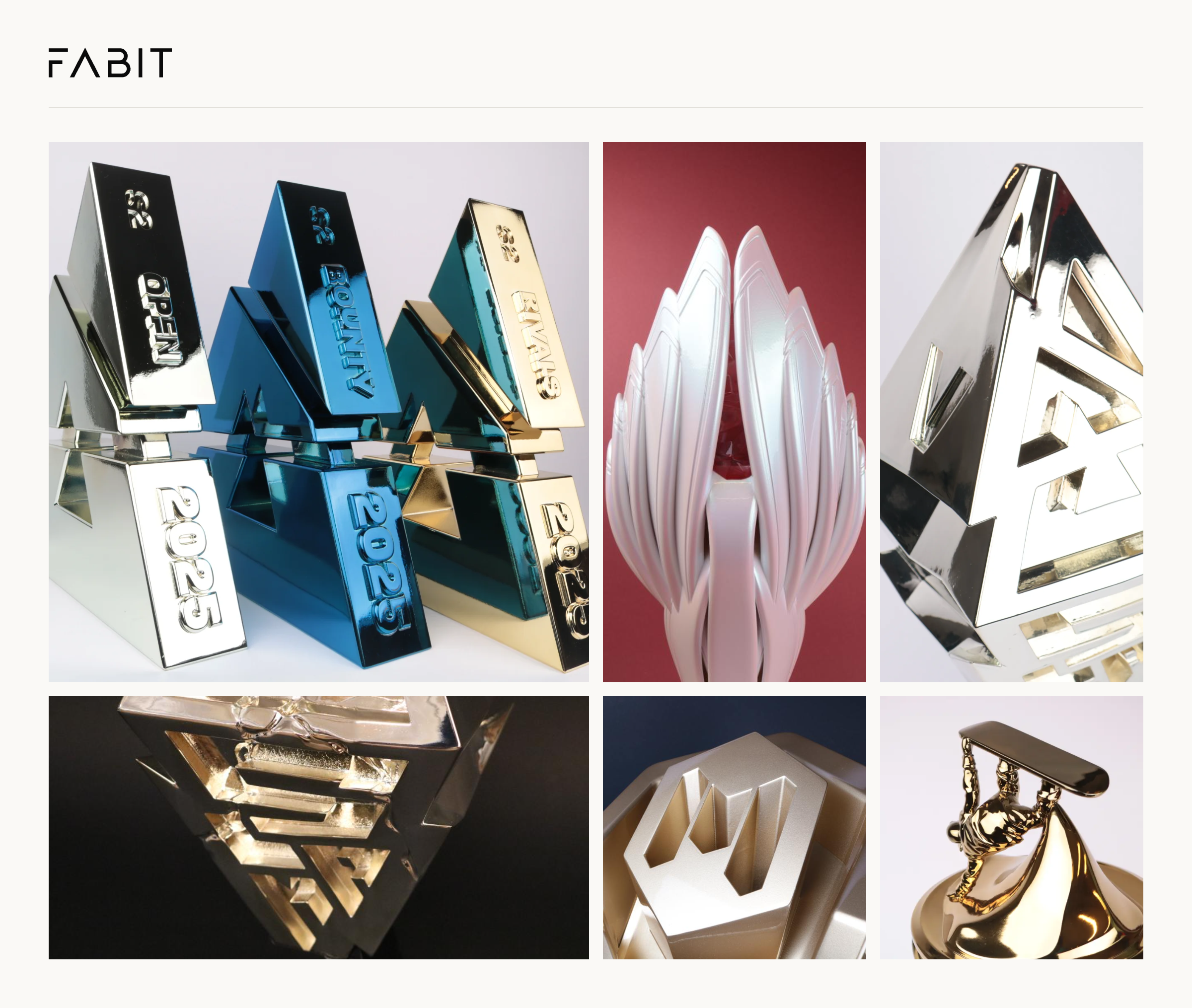
Both materials carry real weight, and weight is part of the experience. A winner should feel that they are holding something significant. Bronze tends to feel denser and more solid in the hand, reinforcing its sense of gravitas. Steel can be engineered for a lighter, more balanced feel, especially in taller sculptural pieces.
We often combine either metal with a stone or solid base to control the centre of gravity, so the trophy sits securely on a shelf and photographs cleanly on stage. This is where in-house engineering earns its place, because balance is designed, not left to chance.
How in-house additive manufacturing changes the choice
Traditional trophy production forces a compromise between ambition and what a mould will allow. Our in-house DMLS metal 3D printing removes much of that limit. We can build complex, hollow or intricate geometries in metal that casting struggles to reach, then finish them by hand.
This matters for the bronze-versus-steel decision because you are no longer choosing purely on manufacturability. You choose on meaning and finish, and we handle the precision. You can explore what that looks like on our materials overview and across our custom trophy service.
A simple comparison
- Bronze: warm tone, heritage feel, excellent for sculptural and figurative forms, ages gracefully with patina, ideal for legacy and cultural awards.
- Stainless steel: cool tone, modern and engineered feel, crisp geometric detail, highly durable and low maintenance, ideal for sport, tech and contemporary brands.
- Both: substantial weight, premium presence, fully bespoke through in-house production, suited to worldwide events.
Combining the two for something distinctive

The most memorable awards often refuse the binary. A brushed steel form on a bronze base, or a bronze centrepiece framed by steel, lets you speak two visual languages at once. Contrast like this reads as considered and expensive, precisely because it is harder to execute.
Because we craft in-house, we can mix materials with confidence and keep tolerances tight where the two meet. That control is what separates a refined award from one that merely looks the part in a render.
Which should you choose
Choose bronze when your award celebrates history, achievement over time, or a brand rooted in tradition. Choose stainless steel when your award celebrates innovation, sport or a modern identity that wants to feel forward-looking. When you want both stories in one object, combine them.
If you are still weighing it up, our case work shows how each material behaves in real projects, from high-end sport to industry galas.
Frequently asked questions
Is bronze more expensive than stainless steel? Cost depends more on size, complexity and finish than on the raw metal. We can build a premium result in either and will advise on the most effective route for your budget.
Which material lasts longer? Both last for generations. Stainless steel needs almost no maintenance, while bronze develops a patina over time that many clients consider part of its appeal.
Can you match our brand colours? Yes. We use finishes, coatings and material combinations to align a trophy with your identity while keeping it timeless.
Can you deliver internationally? Yes. We craft in Antwerp and deliver worldwide, with a 24-hour response on every enquiry.
Request a quote
Tell us about your event and the message your award should carry, and we will recommend the material, form and finish that fit. Everything is designed and crafted in-house in Antwerp, delivered worldwide, with a guaranteed 24-hour response. Request a quote and we will help you choose with confidence.