Electroforming is a process that grows a solid metal object atom by atom onto a shaped model, using an electric current to deposit metal from a solution until a self supporting metal shell or body is formed. For custom awards, electroforming lets us reproduce intricate sculptural detail in genuine metal with a seamless, jointless surface that casting simply cannot match.
The short answer
Where casting pours molten metal into a mould, electroforming builds metal up slowly and precisely over a model called a mandrel. The result is a metal piece that captures every fingerprint of detail from the original form, with a purity and surface fidelity that make it ideal for the most demanding, gallery grade awards. It is the technique to reach for when detail, seamlessness and genuine metal matter more than raw production speed.
How electroforming works
The process begins with a master model. That model might be sculpted by hand, machined, or 3D printed to capture a precise digital design. The surface is made electrically conductive, then suspended in an electrolyte bath alongside a source of the plating metal, commonly copper, nickel or silver. When current flows, metal ions travel through the solution and deposit onto the conductive model, layer upon microscopic layer. Over hours or days the deposit thickens into a robust metal structure. The mandrel is then either left inside as a core or removed to leave a hollow metal form. Throughout the deposition, the current, temperature and chemistry of the bath are monitored closely, because these variables govern how evenly the metal builds and how strong the finished shell becomes. This slow, patient control is what separates a gallery grade electroform from a rushed one.
The craft behind the science
Electroforming looks like pure chemistry, but the finest results depend on a maker’s judgement. Positioning the model correctly in the bath, shaping the electrical field so metal deposits evenly into recesses as well as raised areas, and knowing when a piece has reached the right thickness are all matters of experience rather than formula. This blend of scientific control and hand won expertise is exactly why we keep the process in house, where a craftsperson watches each build and adjusts as it grows, rather than treating it as a fire and forget operation.
What makes electroforming special
The defining quality of electroforming is fidelity. Because metal is deposited directly onto the model surface, the finished piece records detail down to the micron. Fine engraving, delicate textures, crisp lettering and sculptural undercuts all survive intact. There are no mould seams to clean up and no draft angles to compromise the design. For an award that needs to feel like a genuine work of art, this level of surface honesty is hard to beat.
Electroforming compared to casting
- Detail: electroforming captures finer detail than most casting because there is no mould release stage to soften edges.
- Seamlessness: electroformed pieces have no parting lines, so there is nothing to grind away or disguise.
- Weight: hollow electroforms can be surprisingly light for their size, which helps with worldwide shipping.
- Material purity: the deposited metal is very pure, giving excellent surfaces for subsequent plating or gilding.
- Lead time: electroforming is slower than casting, so it suits premium, lower volume commissions rather than large fast runs.
Finishing an electroformed award
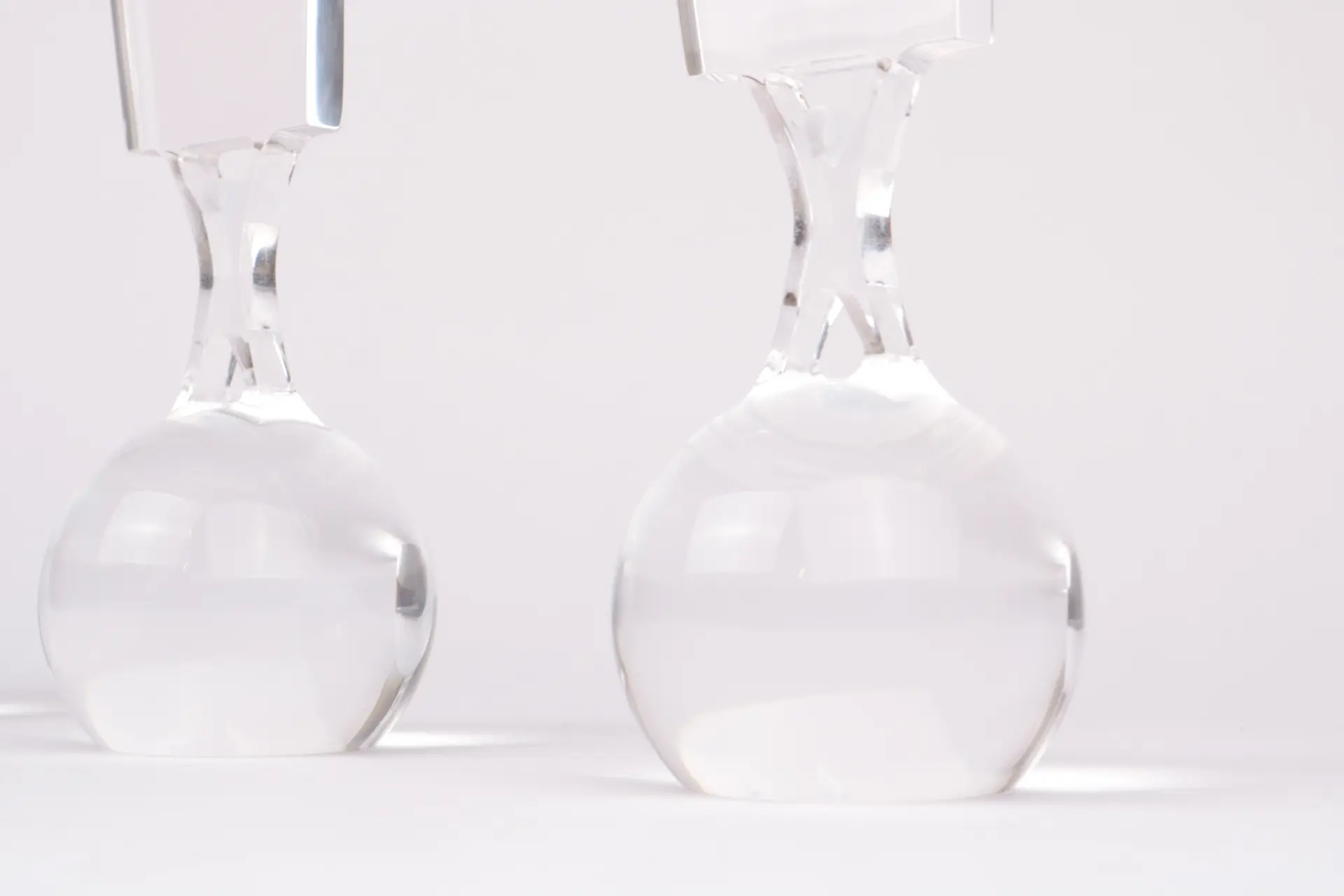
An electroformed body is the perfect canvas for further finishing. Because the surface is pure and even, it takes plating, gilding and patination beautifully. A copper electroform might be silver plated for a cool contemporary look, or gilded for warmth. It can be given a black oxide patina in the recesses to make raised detail leap forward, or selectively polished to create contrast between bright and matte areas. Browse our materials guide to understand how the base metal choice shapes these downstream options.
Where electroforming shines in award design
Electroforming is the choice for flagship trophies, artist collaborations and heritage awards where the object itself is meant to be admired as much as the recognition it carries. It is also invaluable when a design combines organic complexity with the demand for real metal, for example nature inspired forms, filigree structures, or reproductions of a signature object tied to an event. When you want an award that feels precious in the hand and rewards close inspection, this is the technique that delivers.
Practical considerations
Because electroforming is time intensive, planning matters. We recommend discussing timelines early, especially for annual awards tied to a fixed ceremony date. The good news is that once a master model exists, it can be reused to build a matched series, so a signature trophy can be reproduced year after year with perfect consistency. Our in house control over the full process, from model to finished surface, is what keeps that consistency reliable across editions.
How Fabit works with electroforming
At Fabit we treat electroforming as a premium option within our wider custom trophy service. We guide clients on when the technique justifies its lead time and when a faster finish will serve the brief just as well. Every piece is produced and inspected in Antwerp, and we answer questions within 24 hours so your project keeps moving. To explore whether electroforming suits your award, start a brief in our online studio and share your reference imagery.
Frequently asked questions
Is an electroformed award solid metal? It is genuine metal throughout the deposited shell. Many pieces are hollow with a lightweight core, which keeps weight manageable without sacrificing the metal feel.
How long does electroforming take? The deposition alone can run from many hours to several days depending on the metal thickness required, so we plan these commissions with extra lead time.
Can any shape be electroformed? Almost any shape that can be modelled and made conductive. Complex organic forms are exactly where the technique excels.
Can it be combined with colour or engraving? Yes. Electroformed surfaces accept plating, patina, enamel and engraving, so rich mixed finish designs are entirely possible.
Related terms