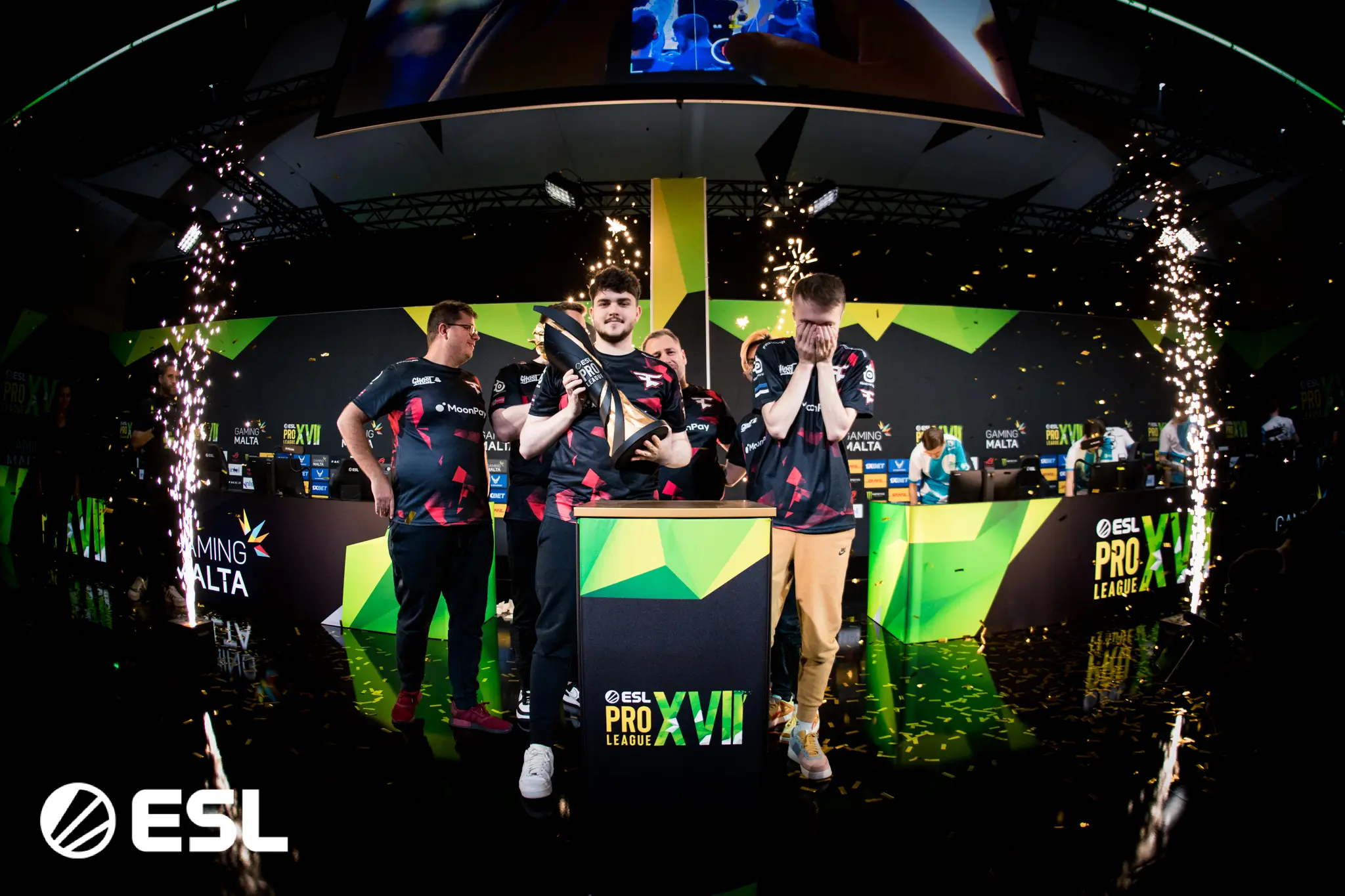
Seeding is the process of ranking and placing teams within a tournament structure so that stronger competitors are positioned advantageously, kept apart in early rounds, and rewarded for prior performance with a more favourable path toward the final. Seeding is the invisible hand that shapes a bracket. It determines who plays whom and when, and by doing so it influences the entire narrative of a tournament, from the opening matches to the trophy presentation at the end.
What Seeding Accomplishes
The purpose of seeding is to reflect merit in the structure of a competition. Teams that performed well in the group stage, earned high rankings across a season, or built strong records deserve some reward for that achievement, and seeding provides it. A top seed is typically placed so that it faces weaker opponents early and does not meet another elite team until the later rounds. This protects the integrity of the competition by making it more likely that the best teams reach the climax.
Seeding also serves the audience. By separating the strongest teams, it ensures that the most anticipated matchups arrive at the semifinals and final rather than being wasted in the opening round. The result is a tournament that builds toward a crescendo, with the biggest matches saved for the moment the trophy is closest.
How Seeding Is Determined
- Group stage results: standings from the group phase are a common basis for seeding into the bracket.
- Season rankings: circuit points accumulated over a season can determine seeds at major events.
- Prior performance: historical results and reputation may inform seeding at invitationals.
- Regional balance: seeding sometimes accounts for region to ensure a fair global spread.
The Advantages a High Seed Earns
A strong seed can be a significant competitive advantage. Depending on the format, a top seed might receive a bye that skips an early round, a placement in the upper bracket of a double elimination event, or simply an easier set of early opponents. Each of these shortens or smooths the path to the final. Seeding therefore turns early season excellence into a tangible benefit when the stakes are highest, reinforcing the value of consistent high level performance.
Why Seeding Matters to the Whole Event
Seeding is not a mere administrative step. It shapes the storylines that fans follow, the matchups broadcasters promote, and the sense of fairness that underpins a champion’s legitimacy. A well seeded tournament feels balanced and builds naturally toward a worthy final. When the top seeds reach the closing rounds and contest the trophy, the audience trusts that the best teams are competing for the title, which makes the eventual victory all the more meaningful.
Connecting Seeding to the Award

The trophy is the destination that seeding helps teams navigate toward. Every seeding decision is ultimately about who gets the smoothest road to the award. Because the strongest teams are protected until the later rounds, the final tends to feature elite competitors, and the trophy they contest deserves to match that quality. Fabit builds championship awards for events at this level, working with organisers including Riot, BLAST, and ESL, as shown across our esports and gaming portfolio.
For events that recognise not only the champion but also top seeds or standout performers, coordinated award sets can honour multiple achievements. Our esports trophy service produces families of awards that share a design language across a single event.
Planning Awards Around the Structure
Understanding how seeding shapes a tournament helps organisers plan a complete award program. The champion’s trophy is the headline, but recognition for regular season leaders, top seeds, or most valuable players extends the celebration across the whole competition. Organisers can explore forms suited to both headline and supporting awards through our configurator at create.fabit3d.com.
Delivery for Every Level of Recognition
Whether an event awards a single grand trophy or a coordinated set spanning several honours, the pieces must arrive on time and to specification. Operating from Antwerp with worldwide delivery and a 24 hour response commitment, Fabit supports award programs of any scope, wherever the tournament is held.
Frequently Asked Questions
What is seeding in a tournament? It is the process of ranking and placing teams so that stronger competitors are positioned advantageously and kept apart until the later rounds.
How is seeding decided? Common bases include group stage results, season rankings, prior performance, and sometimes regional balance.
What advantage does a high seed give? A top seed may earn a bye, an upper bracket start, or easier early opponents, all of which smooth the path to the final.
How does seeding relate to the trophy? Seeding shapes who reaches the final, helping ensure the best teams contest the championship award and making the eventual victory more meaningful.
Related terms