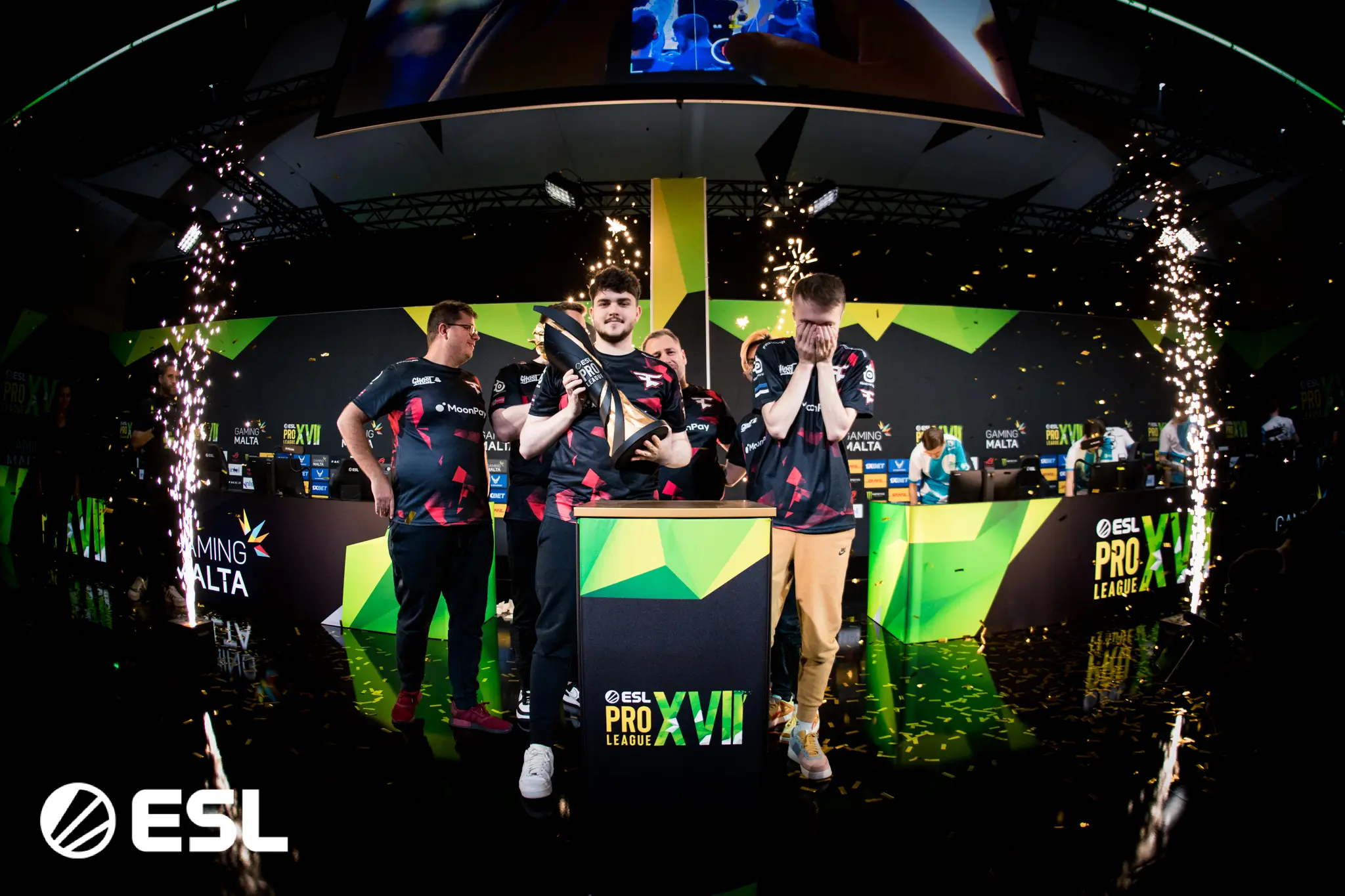
The playoffs are the knockout phase of a tournament that follows the group stage, in which the surviving teams compete in a bracket where losses carry elimination, progressively narrowing the field until two finalists meet to decide the champion and lift the trophy. This is where a tournament’s stakes reach their peak. Every match in the playoffs can end a team’s run, which makes this phase the most dramatic and the most watched part of any event.
What the Playoffs Represent
If the group stage is about proving consistency, the playoffs are about performing under maximum pressure. The margin for error disappears. A team that dominated the group stage can be eliminated in a single afternoon if it falters, and an underdog that scraped through can author a fairytale run. This heightened tension is why the playoffs draw the largest audiences and generate the most memorable moments in competitive gaming.
The playoffs also concentrate the emotional payoff of the entire event. Every match builds toward the grand final, and the grand final builds toward the trophy lift. That final image, a champion raising the award amid confetti, is the destination the whole tournament has been travelling toward.
How the Playoff Bracket Works
Teams enter the playoffs seeded according to their group stage results, and they are placed into a bracket that maps out the path to the final. As matches are decided, winners advance and losers are eliminated or dropped into a lower bracket, depending on the format. The bracket provides a clear, visual structure that fans can follow, and it ensures that the two teams meeting in the final have each earned their place through a series of high stakes victories.
Formats Used in the Playoffs
- Single elimination: one loss ends a team’s tournament, producing maximum tension and a fast, decisive schedule.
- Double elimination: teams must lose twice to be eliminated, giving strong sides a second chance and reducing the impact of a single upset.
- Best of series: playoff matches are usually played over multiple games, often escalating to a longer series for the final.
- Seeding advantages: higher seeds may earn byes or upper bracket starts that shorten their path.
Why the Playoff Trophy Is the Centrepiece
The playoffs exist to produce a champion, and the champion’s reward is the trophy. Because the playoffs are the most watched phase, the award presented at their conclusion receives the greatest exposure of any object at the event. It is lifted on the main stage, photographed for every headline, and featured in every highlight package. A trophy that matches the drama of the playoffs completes the spectacle. A forgettable one leaves the climax feeling incomplete.
Fabit builds championship pieces designed for exactly this climactic moment, working with organisers including Riot, BLAST, and ESL. The engineering considerations, from durability during celebration to clarity under broadcast lighting, are detailed on our esports and gaming page.
Designing for the Climactic Moment
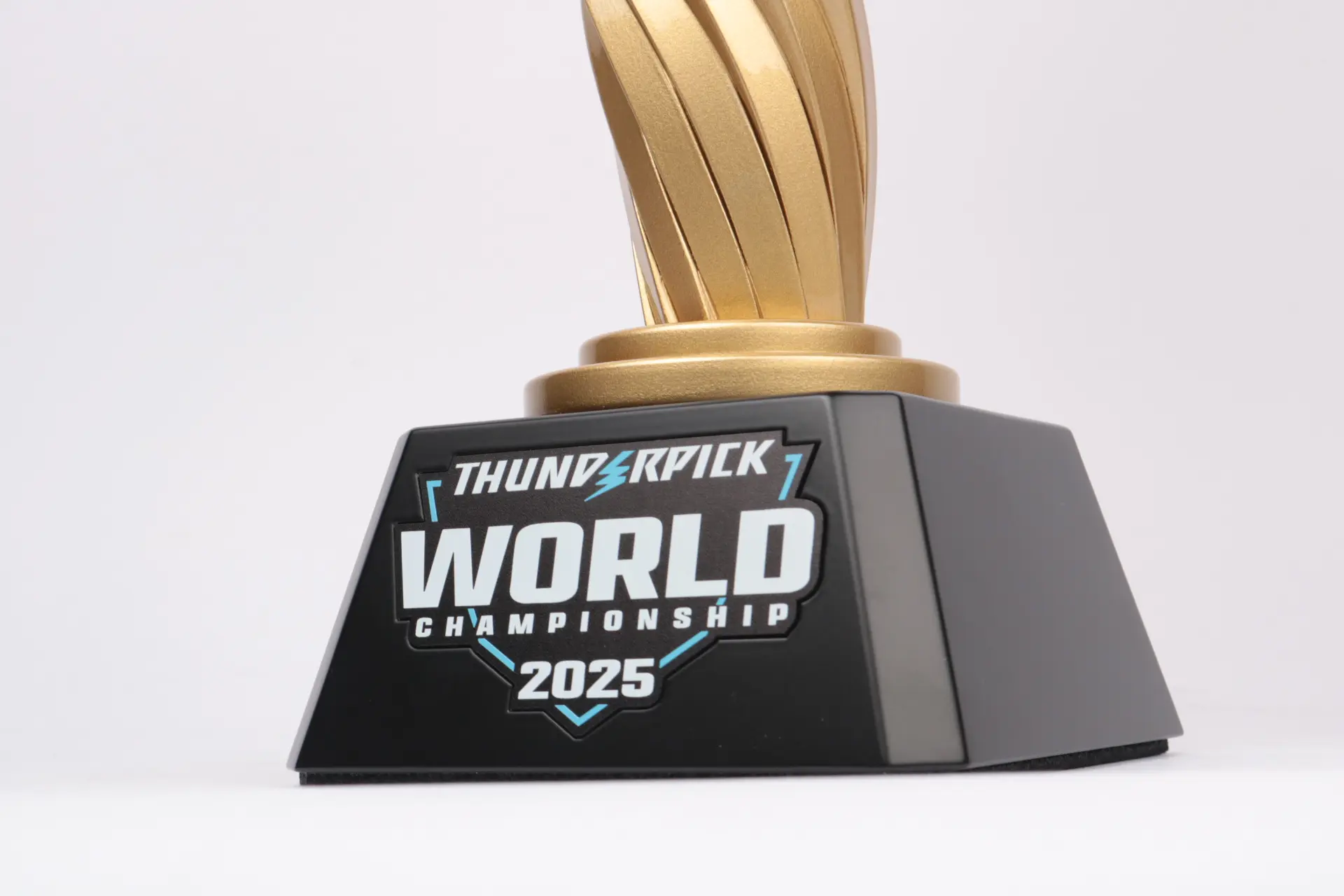
A playoff trophy has to perform in a very specific context. It is handled energetically by celebrating players, held aloft repeatedly, and passed among teammates. It must be robust enough to survive that treatment while looking pristine on camera. For grand finals that call for a true statement piece, an oversized award can amplify the moment, which is why XL esports trophies are a dedicated category built for the biggest stages.
Planning the Playoff Award
Because the playoff trophy is the emotional centrepiece, it deserves early attention in an event’s planning. Organisers can begin developing a concept through our configurator at create.fabit3d.com and then work with the studio to finalise materials, scale, and detailing. The goal is a piece that feels inseparable from the moment of victory, an award the champions will treasure long after the confetti is swept away.
Ready When the Bracket Is Decided
Playoff schedules can compress or shift as an event unfolds, so a trophy partner has to be responsive. Fabit operates from Antwerp with worldwide delivery and a 24 hour response commitment, ensuring the award is ready and flawless when the final match ends, wherever in the world the playoffs are staged.
Frequently Asked Questions
How are the playoffs different from the group stage? The group stage tests teams over many matches, while the playoffs are a knockout phase where losses carry elimination and every match can end a team’s run.
What formats are used in the playoffs? Common formats include single elimination and double elimination, with matches usually played as best of series to reward the stronger team.
Why does the playoff trophy get so much attention? The playoffs are the most watched phase, so the champion’s trophy receives the greatest exposure of any award at the event.
Should the playoff trophy be oversized? For grand finals, a larger statement piece can amplify the celebration, which is why dedicated XL options exist for the biggest stages.
Related terms