
Mezzaninefinanciering is een hybride vorm van kapitaal die zich in de kapitaalstructuur van een bedrijf tussen senior schuld en eigen vermogen bevindt en kenmerken van beide combineert door geldverstrekkers hogere rendementen te bieden in ruil voor meer risico dan bij traditionele schuld. Het overbrugt de kloof tussen de gedekte leningen die een bedrijf kan krijgen en het eigen vermogen dat de eigenaren willen inbrengen, en biedt flexibele financiering voor groei, overnames en buyouts.
Begrijpen waar mezzaninefinanciering past
Om mezzaninefinanciering te begrijpen helpt het om het kapitaal van een bedrijf voor te stellen als een stapel, gerangschikt naar terugbetalingsprioriteit. Onderaan, met de eerste aanspraak op activa en kasstroom, staat senior schuld: de gedekte leningen van banken met de laagste rente omdat ze het minste risico dragen. Bovenaan staat eigen vermogen: het eigendomskapitaal dat het meeste risico draagt en het grootste potentiële rendement kent, maar als laatste aanspraak heeft op de waarde van het bedrijf. Mezzaninefinanciering neemt de middelste laag van deze stapel in, vandaar de naam, ontleend aan de architectonische term voor een tussenverdieping.
Omdat mezzaninekapitaal lager rangschikt dan senior schuld maar hoger dan eigen vermogen, wordt het pas terugbetaald nadat senior geldverstrekkers zijn voldaan, maar voordat aandeelhouders bij een liquidatie iets ontvangen. Die tussenpositie betekent dat mezzaninegeldverstrekkers meer risico nemen dan senior geldverstrekkers en dus hogere rendementen eisen, maar minder risico nemen dan investeerders in eigen vermogen en genoegen nemen met enigszins lager opwaarts potentieel. Het resultaat is een flexibel instrument dat kan worden afgestemd op de behoeften van een specifieke transactie.
De kenmerken die mezzaninefinanciering bepalen
Mezzaninefinanciering kent verschillende onderscheidende kenmerken die haar hybride karakter weerspiegelen.
- Achtergestelde positie: ze rangschikt achter senior schuld in de volgorde van terugbetaling, waardoor ze risicovoller is voor de geldverstrekker.
- Hogere rente: ter compensatie van het extra risico draagt mezzaninekapitaal een hogere rente dan senior schuld.
- Kenmerken van eigen vermogen: vaak bevat het warrants of opties waarmee de geldverstrekker meedeelt in de toekomstige groei van het bedrijf.
- Flexibele voorwaarden: terugbetalingsstructuren kunnen op maat worden gemaakt, soms met uitgestelde rente om de kasstroom van het bedrijf te sparen.
- Geen of beperkte zekerheid: anders dan senior schuld is ze doorgaans ongedekt of slechts licht gedekt door activa.
Wanneer bedrijven mezzaninefinanciering gebruiken
Mezzaninefinanciering komt vooral voor in specifieke situaties. Bij leveraged buyouts gebruiken PE-fondsen mezzaninekapitaal om de kloof te overbruggen tussen de senior schuld die ze kunnen ophalen en het eigen vermogen dat ze willen inbrengen, waardoor ze grotere overnames kunnen afronden met minder eigen geld. Groeiende bedrijven gebruiken mezzaninefinanciering om uitbreiding te financieren zonder bestaande eigenaren zo sterk te verwateren als een zuivere uitgifte van eigen vermogen zou doen, en zonder de strikte zekerheidseisen van senior schuld.
De aantrekkingskracht van mezzaninefinanciering ligt in de flexibiliteit. Voor de lener biedt ze aanzienlijk kapitaal zonder de directe eigendomsverwatering van eigen vermogen en vaak met soepelere terugbetalingsvoorwaarden dan senior schuld. Voor de geldverstrekker biedt ze aantrekkelijke rendementen en, via kenmerken van eigen vermogen zoals warrants, een aandeel in de winst als het bedrijf floreert. Deze balans van belangen maakt mezzaninefinanciering een waardevol instrument in het gereedschap van de financier, en een goede structurering vraagt echte expertise.
Waarom een mezzaninefinanciering erkenning verdient
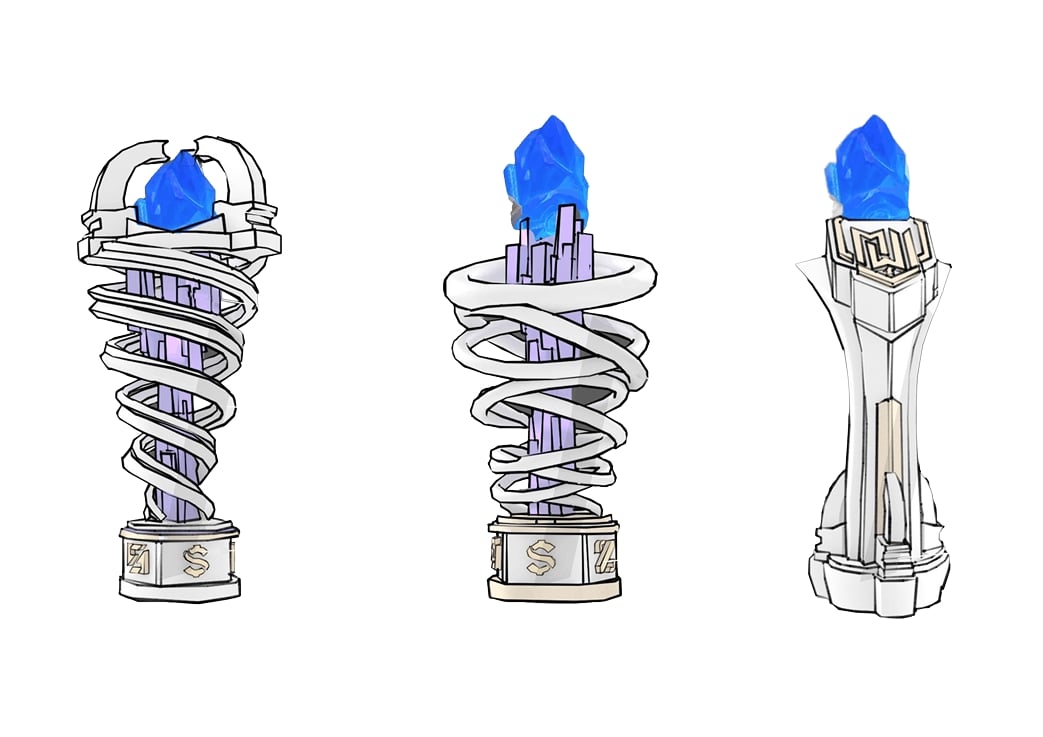
Het arrangeren van mezzaninefinanciering is een gesofisticeerde onderneming. Het vraagt om zorgvuldig onderhandelen over voorwaarden die tegelijk senior geldverstrekkers, mezzanineverstrekkers en aandeelhouders tevreden stellen, waarbij concurrerende aanspraken op de kasstroom en waarde van het bedrijf worden afgewogen. Wanneer een mezzaninefinanciering wordt gesloten, zeker als onderdeel van een grotere buyout of uitbreiding, is dat een aanzienlijke prestatie van de adviseurs en principals die haar hebben gestructureerd. Net als bij andere belangrijke financiële transacties is de afsluiting een gelegenheid die het markeren waard is.
Hoe een mezzaninefinanciering wordt herdacht met een deal toy
Wanneer een mezzaninefinanciering wordt gesloten, markeren de betrokken partijen de mijlpaal vaak met een deal toy, soms een financial tombstone of deal gift genoemd. Deze objecten op maat leggen de details van de transactie vast: het gefinancierde bedrijf, het bedrag en de structuur van de mezzaninefaciliteit, de closingdatum en de deelnemende instellingen. De deal toy dient als blijvende herinnering aan een transactie die vakmanschap vroeg om te structureren en vertrouwen om af te ronden.
Bij Fabit, gevestigd in Antwerpen en wereldwijd leverend, zien we dat de gelaagde aard van mezzaninefinanciering zich prachtig leent voor ontwerp. Een mezzanine deal toy kan letterlijk de kapitaalstructuur uitbeelden, met aparte lagen voor senior schuld, de mezzaninetranche en eigen vermogen, en zo in fysieke vorm de structuur vastleggen die het instrument definieert. Door geheel in eigen productie te werken met 3D-ontwerp, metaalbewerking en vakmanschap vertalen we deze financiële concepten naar elegante objecten, en we beantwoorden elke aanvraag binnen 24 uur.
Ontdek hoe wij de gemeenschap van private kapitaal en kredietverstrekking bedienen via ons werk aan financiële deal toys, en begin met het ontwerpen van een stuk dat de structuur van uw transactie vastlegt via de Fabit-onlinestudio. Onze service voor deal tombstones en deal toys zorgt ervoor dat elke deelnemer aan de financiering een aandenken van gelijke kwaliteit ontvangt.
Financiële structuur omzetten in sculpturale vorm
Weinig financiële concepten vertalen zich zo natuurlijk naar driedimensionaal ontwerp als de gelaagde kapitaalstructuur in het hart van mezzaninefinanciering. Onze 3D-geprinte trofeemogelijkheden stellen ons in staat deze gelaagde vormen nauwkeurig weer te geven en deal toys te maken die zowel accurate weergaven van de transactie zijn als opvallende objecten op zich.
Veelgestelde vragen
Is mezzaninefinanciering schuld of eigen vermogen?
Het is een hybride die kenmerken van beide combineert. Het gedraagt zich als achtergestelde schuld, maar bevat vaak elementen van eigen vermogen, zoals warrants waarmee de geldverstrekker meedeelt in de groei van het bedrijf.
Waarom heet het mezzaninefinanciering?
De naam komt uit de architectuur, waar een mezzanine een tussenverdieping is. De financiering bevindt zich op een tussenniveau van de kapitaalstructuur, tussen senior schuld en eigen vermogen.
Wie verstrekt doorgaans mezzaninefinanciering?
Gespecialiseerde mezzaninefondsen, private-creditbedrijven en sommige investeringsbanken verstrekken dit type kapitaal, vaak als onderdeel van buyouts of groeifinancieringen.
Kan Fabit een deal toy ontwerpen die de kapitaalstructuur uitbeeldt?
Ja. De gelaagde structuur van mezzaninefinanciering leent zich goed voor een gestapeld ontwerp, en wij maken zulke stukken geheel in eigen productie in Antwerpen voor levering wereldwijd.
Gerelateerde termen