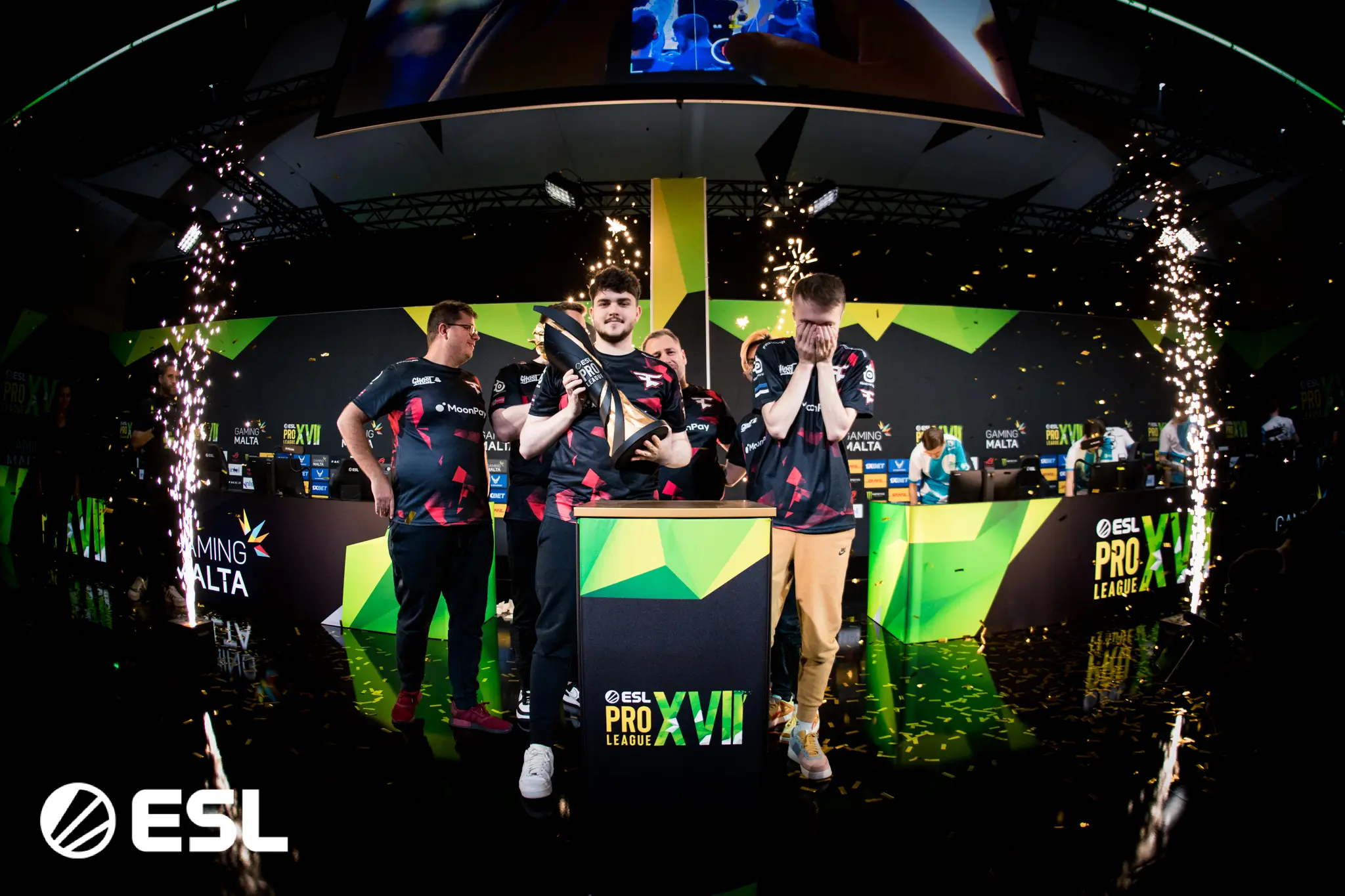
A trophy column is the vertical element that rises between the base and the topper of an award. It provides height, creates visual drama, and frames the achievement being celebrated. In fine award design the column carries rhythm and proportion, guiding the eye upward toward the crowning feature.
At Fabit in Antwerp, we think of the column as the spine of a trophy. It is the part that gives an award its stature, quite literally, and it is where a great deal of the design personality lives. Whether classical and fluted or sharp and architectural, the column sets the tone before anyone reads a word of engraving.
The Role of the Column in Award Design
Height signals significance. A tall column lifts the topper into a position of prominence and creates the silhouette that people recognise from across a room. But height alone is not the goal. The column must relate harmoniously to the base beneath it and the topper above it, forming a single confident gesture rather than three stacked parts.
The column also controls pacing. A slim, elongated column feels contemporary and light. A broad, tapered column feels monumental and traditional. By adjusting these proportions we tune the emotional register of the award to match the occasion, from a playful team prize to a solemn lifetime honour.
Materials and Finishes for Trophy Columns
The column is often where clients express the boldest material choices. Because it occupies the central visual field, its finish defines the character of the whole piece. Our Antwerp studio works across a wide spectrum, detailed on our materials page.
- Polished metal: mirror finishes that project prestige and catch ambient light.
- Anodised aluminium: coloured, matte and modern, resistant to fingerprints.
- Clear and tinted acrylic: luminous columns that appear to glow from within.
- Turned wood: warm, tactile and rich with grain character.
- 3D printed forms: intricate lattices and twisting geometries impossible by traditional turning.
Classical Versus Contemporary Columns
The column has deep roots in classical architecture, and many award programmes still draw on that heritage. Fluting, capitals and tapering echo the temples of antiquity and lend an award instant gravitas. This vocabulary suits institutions, academic honours and legacy brands that want to signal permanence.
Contemporary columns move in the opposite direction. They embrace asymmetry, negative space and unexpected materials. A twisted ribbon of steel, a fractured crystal shard or a printed organic form can all serve as a column while breaking every classical rule. For brands that want to feel forward looking, this is fertile ground, and our custom trophy service is built to explore it.
How 3D Printing Expands the Column
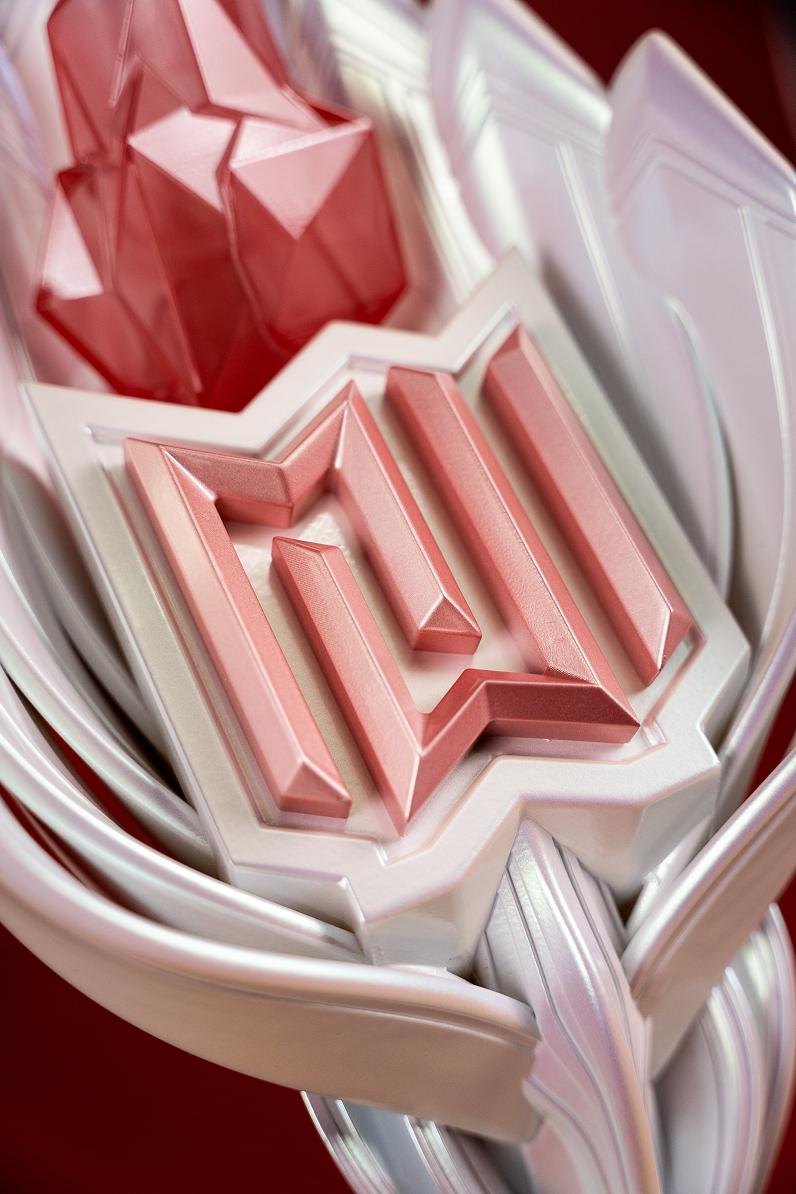
Traditional columns were limited by what a lathe or mould could produce. Additive manufacturing removes those limits. We can now design columns with internal geometry, hollow channels for lighting, interlocking layers and surface textures that shift as the viewer moves. The column becomes a canvas for genuine invention.
This matters for brand storytelling. A technology company might want a column that visualises data flow. A sustainability award might feature a column shaped like growth rings or flowing water. Because we design and print in-house, described on our 3D printed trophy page, these ideas move from sketch to solid object quickly and precisely.
Structural Considerations
A beautiful column that fails structurally is worthless. The column must transfer the weight of the topper safely down to the base and resist the stresses of handling and shipping. We engineer every column for its specific load, choosing wall thickness, internal reinforcement and joint design accordingly.
Joints deserve special attention. The connection between column and base, and between column and topper, must be invisible yet unbreakable. We use concealed threaded inserts, precision bonding and, where appropriate, printed interlocks that lock the assembly together without visible hardware.
Matching the Column to Your Brand
The column is a natural place to embed brand identity. Its proportions can echo a logo, its colour can match a corporate palette, and its surface can carry a subtle pattern drawn from brand assets. When an award programme runs across several tiers, a consistent column language ties the family together while allowing each level to feel distinct.
We advise clients to treat the column as a recurring brand element rather than a one off decision. A signature column, reused and refined across years of awards, becomes an ownable design asset that recipients come to recognise.
Frequently Asked Questions
Does a trophy always need a column?
No. Many modern awards compress base and topper into a single sculptural form. The column is a choice, not a requirement, and we help clients decide whether height serves their concept.
Can columns be produced in matching sets?
Yes. Our digital masters guarantee consistency across large runs, so every column in a series is identical. Begin a project at create.fabit3d.com.
What is the tallest column you can make?
Height is limited mainly by shipping and stability. We routinely produce tall columns and engineer weighting and packaging to protect them in worldwide transit.
How quickly can I get a column concept?
We respond to every enquiry within 24 hours and can share initial column concepts rapidly through our 3D workflow.
The trophy column is where an award finds its posture. Chosen well, it lends height, harmony and unmistakable presence. Fabit’s Antwerp team blends classical proportion with modern additive craft to create columns that stand tall, on any shelf in the world.
Related terms