A Swiss stage in esports is a tournament format in which teams are matched against opponents with similar records across a series of rounds, without being eliminated after a single loss. Teams advance once they reach a set number of wins and are knocked out after a set number of losses, producing balanced, meaningful matchups throughout. The Swiss format has become one of the most popular structures for the group phases of major esports tournaments.
At Fabit in Antwerp, we design trophies for every phase of a competition, from the stages that decide who advances to the grand final where the champion is crowned. Here we explain what the Swiss format is, why it has become so widely used, and how a considered awards strategy can recognise achievement across an entire event.
What the Swiss format is
The Swiss format takes its name from its origins in chess tournaments. Rather than a single-elimination bracket or a round-robin group, teams are paired each round against opponents with a similar win-loss record. Over several rounds, this sorts the field naturally. Teams that keep winning face progressively tougher opponents, while those that lose face others in the same position.
Advancement and elimination are governed by thresholds. A common structure sees teams qualify once they reach three wins and drop out once they reach three losses. This means no team is eliminated by a single defeat, and every match carries real weight because it directly affects a team’s standing.
Why the Swiss format has become popular
The Swiss format solves several problems that other structures struggle with. It gives every team multiple meaningful games rather than a single knockout, which is fairer and more satisfying for competitors and fans. It produces balanced matchups, since teams face others at their level. And it is efficient, sorting a large field into qualifiers and eliminations without the huge number of games a full round-robin would require.
For organisers, this makes the Swiss stage an attractive way to run the group phase of a major event before the knockout finals. It builds narratives, keeps more teams alive longer, and sustains fan engagement across the tournament. It has become a familiar structure across the esports and gaming calendar.
How the Swiss stage fits into a tournament
The Swiss stage typically serves as an intermediate phase. A larger field enters, plays through the Swiss rounds, and the qualifiers advance to a single-elimination playoff bracket. That bracket then culminates in the grand final, where the championship trophy is lifted. In this way the Swiss stage is a filter, narrowing the field to the strongest contenders for the title.
Understanding this structure matters when planning awards. A tournament has multiple moments worth recognising, not only the final. Thoughtful organisers consider how to mark progression and achievement across the whole event, not just the last match.
Recognising achievement across every phase
While the championship trophy is the ultimate prize, there is value in recognising other milestones: standout individual performances, qualification from a tough Swiss stage, or the runner-up finish. A coordinated family of awards gives an event depth and rewards more of the effort on display. Our esports trophy service frequently produces such families, designed to share a coherent visual language across the championship piece, MVP awards, and stage trophies.
The grand final and the championship piece
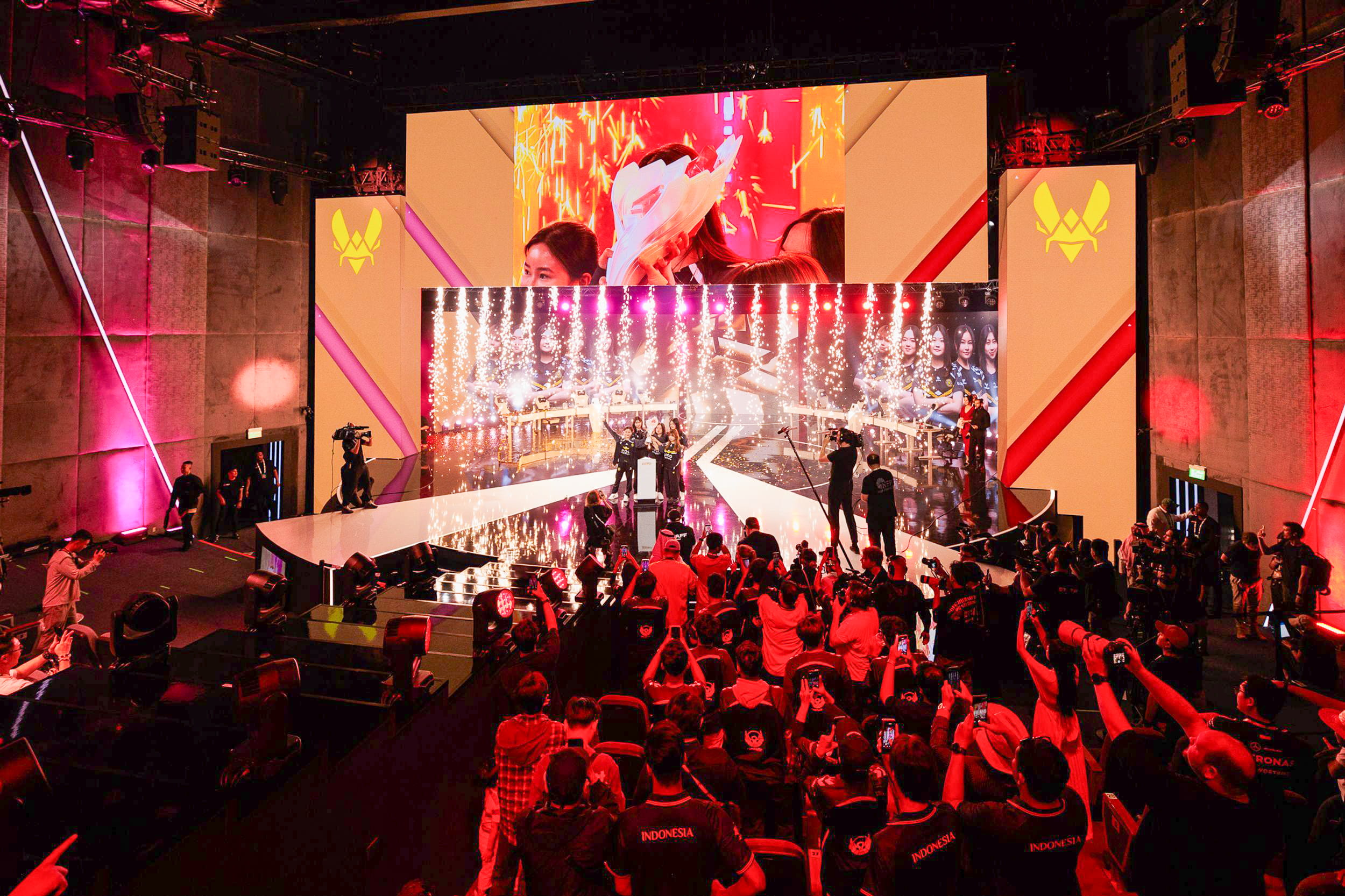
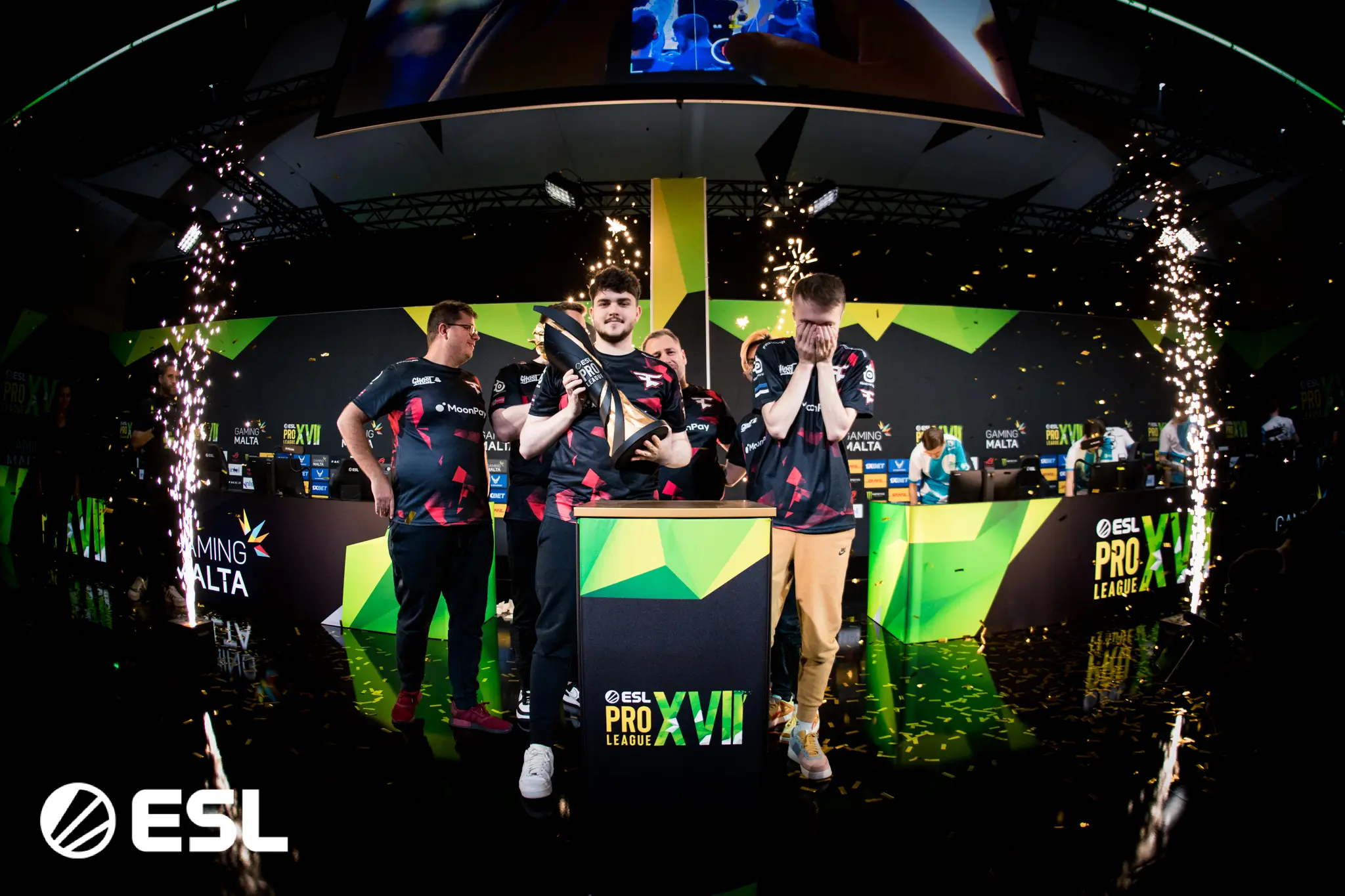
Whatever the group format, the emotional climax is the grand final and the trophy lift. This is where the hero piece earns its investment. For headline finals we build pieces with genuine presence, including our XL esports trophies, engineered to command the stage and deliver an unforgettable lift moment at the culmination of the bracket.
Planning awards from the start
The best results come from planning the awards strategy early, alongside the tournament structure itself. Knowing that a Swiss stage feeds into a playoff bracket and a grand final helps shape which moments deserve a physical award and how those pieces relate to one another. Clients can begin exploring a coordinated concept with us in our design studio, and we bring an advisory approach to the whole event.
How the format shapes the story fans follow
The Swiss format does more than sort a field efficiently. It generates storylines. Because teams face opponents with matching records, the later Swiss rounds naturally produce high-stakes matches between evenly matched sides, each fighting to qualify or avoid elimination. Fans follow these do-or-die games closely, and narratives build around teams clawing their way through the stage or stumbling unexpectedly.
These stories carry through to the trophy moment. A team that battled through a gruelling Swiss stage and then won the bracket has a richer story than one that simply cruised through, and the trophy lift becomes the payoff to that entire arc. Recognising the phases along the way, whether through stage awards or simply through how the ceremony is framed, deepens the narrative and rewards the effort fans have invested in following it. We keep this bigger picture in mind when advising clients on their awards, because a trophy is most meaningful when it caps a story the audience has lived through.
How Fabit supports tournaments worldwide
From our Antwerp workshop we design, produce, and deliver trophies and award families worldwide, with bespoke protective cases and a 24-hour response to every enquiry. Whether it is a single championship piece or a full suite recognising every phase of a Swiss-stage tournament, we bring the same craft and advisory partnership to the work.
- Record-based pairing: teams face opponents with similar records.
- Win and loss thresholds: advance or exit at set totals.
- No single-loss exit: every team gets multiple meaningful games.
- Efficient sorting: a large field narrowed without a full round-robin.
- Award opportunities: multiple phases worth recognising.
Frequently asked questions
How is the Swiss format different from a bracket? In a bracket a single loss can eliminate a team, while in the Swiss format teams play on until they reach a set number of losses, getting multiple meaningful games.
Does the Swiss stage decide the champion? No. It usually filters a field into a playoff bracket that culminates in the grand final where the trophy is lifted.
Should we award more than just the champion? Often yes. We design coordinated award families that recognise milestones across the whole tournament.
Do you deliver internationally? Yes. From Antwerp we ship worldwide with protective cases and respond to every enquiry within 24 hours.
Related terms