A recapitalization is a deliberate restructuring of a company’s mix of debt and equity, undertaken to strengthen the balance sheet, return capital to shareholders, fund growth, or reposition the business for its next chapter. Rather than changing what a company does, a recapitalization changes how the company is financed, adjusting the proportion of borrowed money against owner capital to achieve a specific strategic or financial objective.
Mark the closing with a custom deal tombstone
Understanding recapitalization in plain terms
Every company is funded by some combination of two ingredients: equity, which is the ownership stake held by shareholders, and debt, which is money borrowed from lenders that must be repaid with interest. The balance between these two is called the capital structure. A recapitalization is a purposeful shift in that balance. A business might take on new debt to buy back shares, or issue new equity to pay down existing loans. In both cases the underlying operations remain the same, but the financial architecture supporting them is rebuilt.
Companies pursue recapitalizations for many reasons. A private equity sponsor may recapitalize a portfolio company to extract a dividend while retaining ownership. A founder may recapitalize to take some money off the table without selling the whole business. A firm under financial pressure may recapitalize to avoid insolvency by converting debt into equity. Each of these scenarios represents a significant financial milestone, often the product of months of negotiation and careful modeling.
The main types of recapitalization
Recapitalizations come in several recognizable forms, each serving a distinct purpose. Understanding these variations helps clarify why the term appears so often in the language of corporate finance and private equity.
- Leveraged recapitalization: The company issues new debt and uses the proceeds to buy back shares or pay a large dividend to shareholders. This increases financial leverage and is common in private equity.
- Equity recapitalization: The company issues new shares to reduce its debt load, lowering financial risk and interest obligations.
- Dividend recapitalization: A specific leveraged approach where borrowed funds are distributed to owners as a dividend, allowing investors to realize returns before an eventual sale.
- Restructuring recapitalization: Undertaken by companies in distress, often converting debt to equity to survive a difficult period and stabilize the balance sheet.
Why recapitalizations matter to founders and investors
For a founder, a recapitalization can be transformative. It offers a way to convert years of built value into liquidity without relinquishing control or walking away from the business they created. A partial recapitalization allows an entrepreneur to secure personal financial stability while continuing to lead the company toward its next stage of growth. This dual outcome, liquidity today and upside tomorrow, is one reason recapitalizations are so prized in the mid-market.
For investors, particularly private equity firms, recapitalizations are a tool for managing returns and risk across a holding period. A well-timed dividend recapitalization can return a meaningful portion of invested capital to limited partners while the fund retains ownership of an appreciating asset. The precision required to structure these transactions well, balancing lender appetite, covenant limits, and shareholder expectations, is exactly why the advisers who orchestrate them treat a successful close as a genuine achievement.
The role of advisers in a recapitalization
Recapitalizations rarely happen in isolation. They involve investment bankers who model the new capital structure, lawyers who paper the transaction, lenders who provide the debt, and often a private equity sponsor guiding the strategy. The process demands rigorous analysis of cash flows, debt capacity, and the sensitivity of the business to changing conditions. When the deal finally closes, it represents the culmination of substantial intellectual effort and collaborative trust among many parties.
How a recapitalization is commemorated with a deal toy
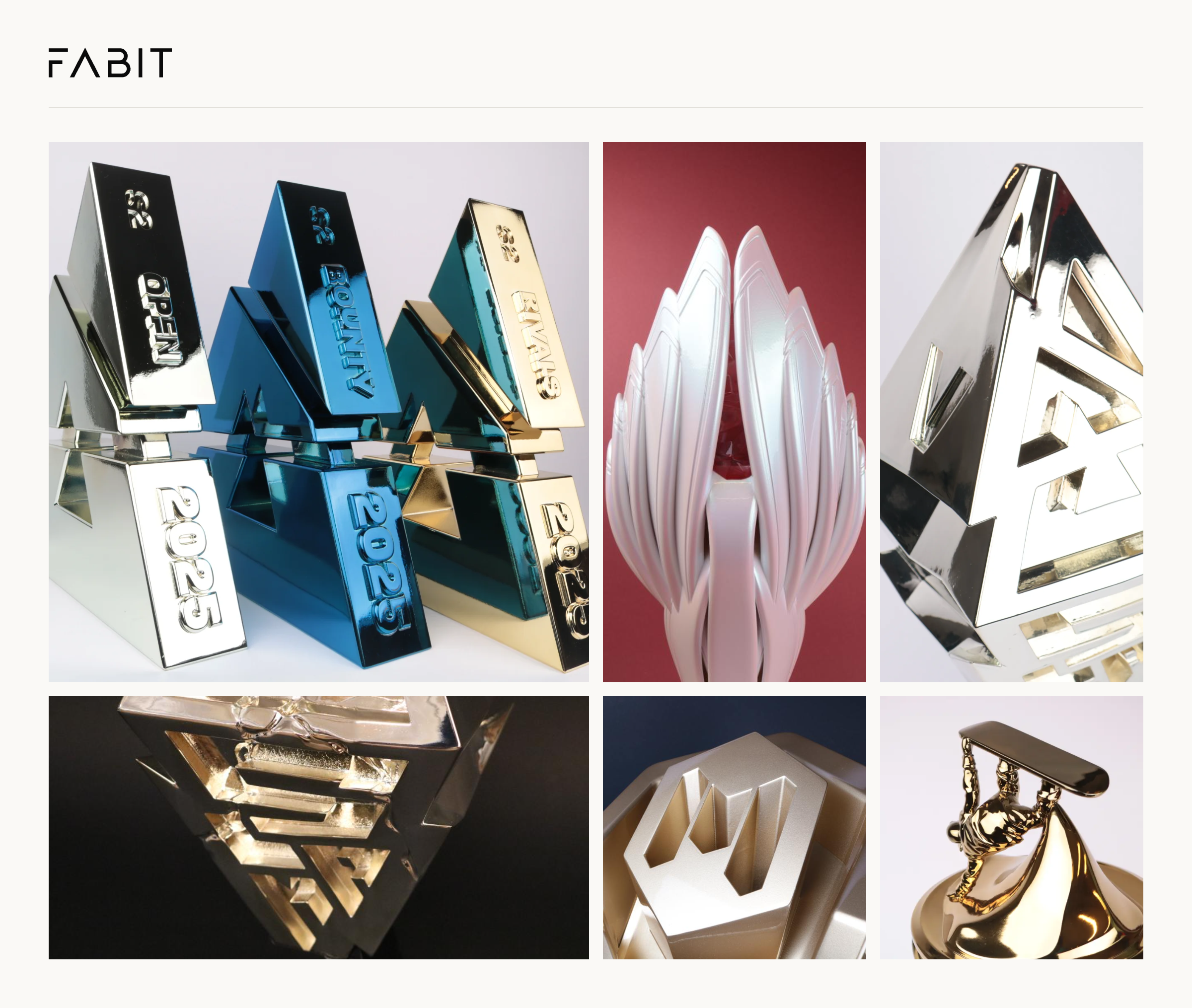
Because a recapitalization marks a defining moment in a company’s financial life, the professionals who make it happen have long marked the occasion with a physical memento known as a deal toy, financial tombstone, or deal gift. These objects are custom made to capture the essence of the transaction, often incorporating the company logo, the transaction value, the closing date, and the names of the advisers involved.
At Fabit, based in Antwerp and delivering worldwide, we design and produce these commemorative pieces entirely in house, combining 3D design, metalwork, and traditional craft. A recapitalization deal toy might feature a sculpted representation of the balance sheet transformation, a stacked-layer motif suggesting the rebalancing of debt and equity, or an abstract form that speaks to the renewal the transaction represents. Our team collaborates with advisers to translate the story of the deal into an object that will sit on a desk for years, quietly reminding everyone involved of the work they accomplished together.
Whether the recapitalization was a straightforward dividend transaction or a complex restructuring that saved a company, the deal toy becomes a durable symbol of the relationship between adviser and client. Explore our approach to finance deal toys to see how we translate transactions into tangible art, or begin designing one now through our online design studio.
Designing a recapitalization deal toy that lasts
The best deal toys are neither generic nor disposable. They are considered objects, made from materials chosen for their weight and permanence. Our deal tombstone and deal toy service allows firms to specify everything from the metal finish to the internal lighting, ensuring that the finished piece reflects the prestige of the transaction it commemorates. A recapitalization that returned significant value to shareholders deserves a memento of equal substance.
Frequently asked questions
Is a recapitalization the same as a sale of the company?
No. In a recapitalization the business is not sold outright. Instead, its financing mix is changed. Owners often retain control and continue operating the company.
Why would a healthy company recapitalize?
Healthy companies recapitalize to return capital to shareholders, fund acquisitions, take advantage of favorable lending conditions, or allow founders to realize partial liquidity while staying invested.
Who typically receives a deal toy for a recapitalization?
The advisers, bankers, lawyers, lenders, and company principals who worked on the transaction usually each receive a commemorative piece marking their role in the close.
Can Fabit ship a recapitalization deal toy internationally?
Yes. We deliver worldwide from our Antwerp workshop and respond to every inquiry within 24 hours, so distributing pieces to a global deal team is straightforward.
Related terms