Ergonomics is the discipline of designing objects to suit the human body, so they are comfortable, safe, and intuitive to hold and use. In trophy and award design, ergonomics governs how a piece feels in the hand during the emotional moment of presentation, how balanced its weight is, how safe its edges are, and how naturally a recipient can lift and display it, turning a static object into a genuine physical pleasure.
Most discussions of trophy design focus on how an award looks. Ergonomics asks a different and equally important question. How does it feel to hold? An award is not only viewed, it is picked up, gripped, raised for photographs, passed between hands, and carried home. At Fabit, we design for that whole physical experience, because the moment a recipient first holds their award is the moment that matters most.
What ergonomics means for an award
Ergonomics is the science and craft of fitting objects to people. For an award, that means considering the size of the human hand, the way fingers wrap around a form, how weight is distributed, where the balance point sits, and how edges feel against skin. An ergonomically considered trophy invites holding. An ergonomically neglected one can feel awkward, sharp, unbalanced, or simply unpleasant, no matter how striking it looks on a shelf.
This matters because awards are inherently interactive objects. Unlike a painting or a plaque, a trophy is meant to be handled. Designing only for the eye and ignoring the hand misses half the experience.
The emotional moment of the handover
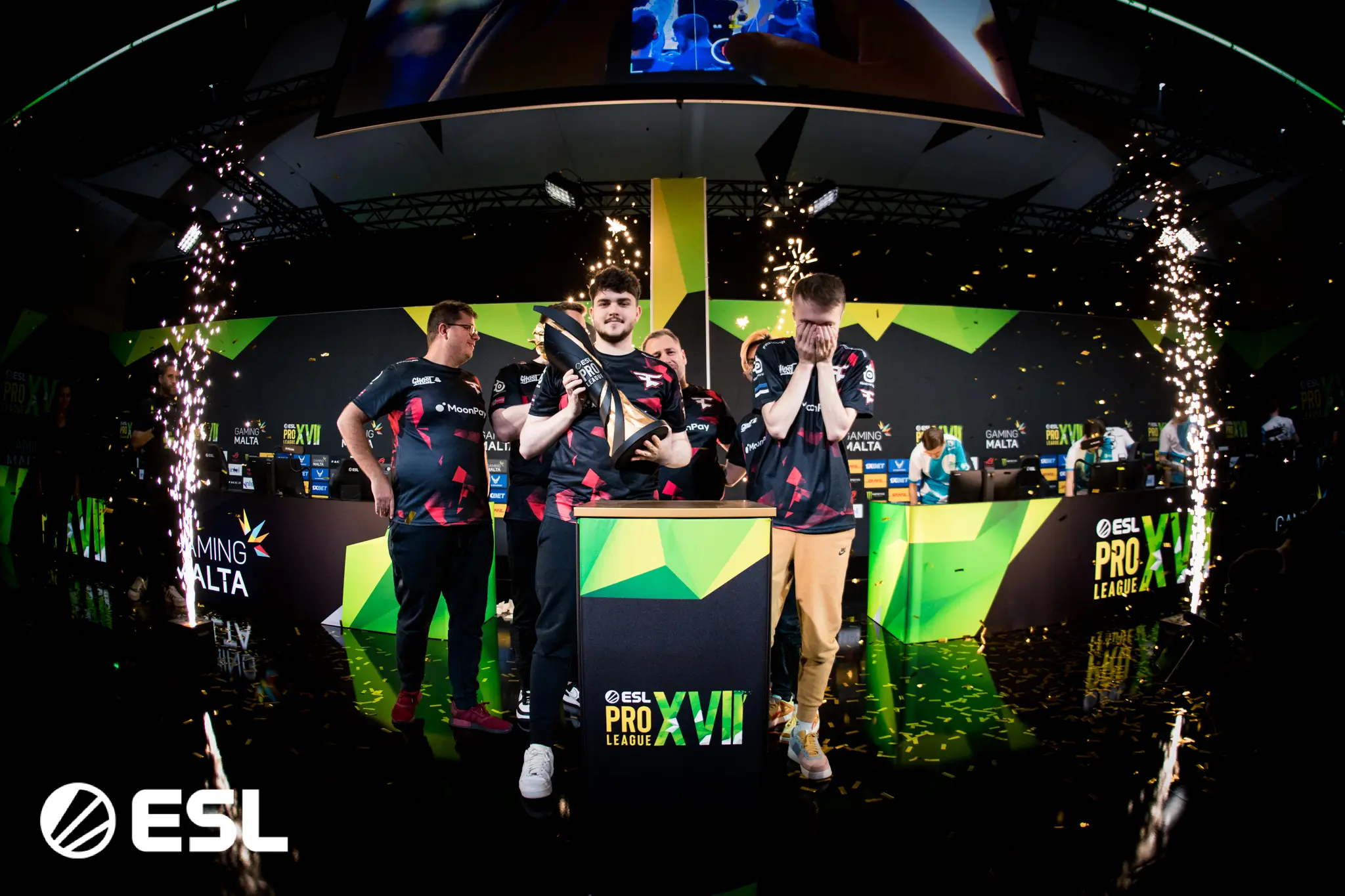
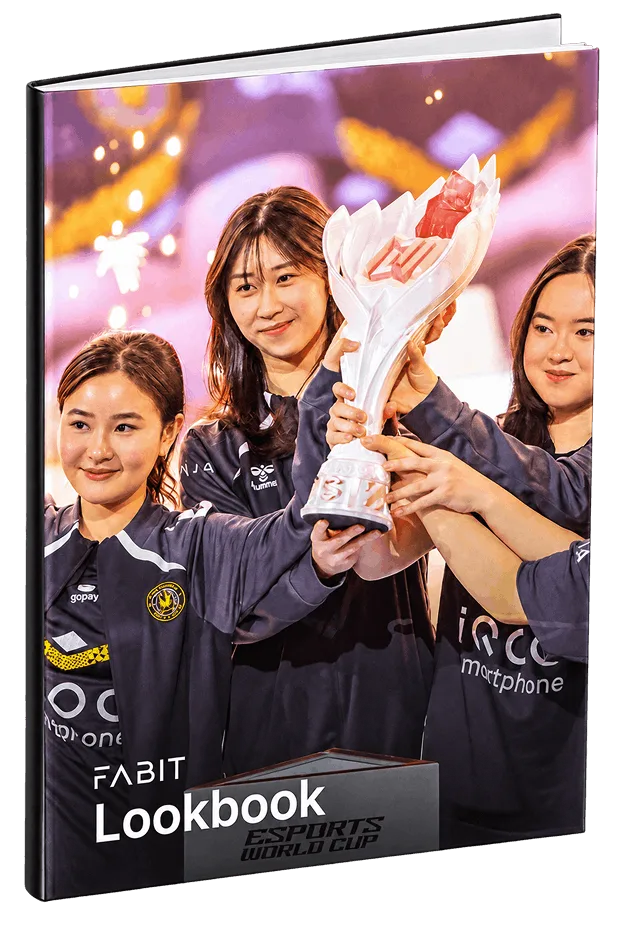
The single most important instant in an award’s life is when it is handed to the recipient. That is the photographed moment, the emotional peak, the memory that lasts. Ergonomics shapes that instant directly. A trophy that sits comfortably and securely in the hand lets the recipient hold it confidently and naturally, and lets them raise it for the camera without fumbling. A poorly balanced or sharp edged piece makes the recipient tense and awkward at the very moment they should feel triumphant. We design for that peak experience within our custom trophy service.
Weight and balance
Weight communicates value. A trophy that feels substantial in the hand reads as important and well made, while one that feels flimsy disappoints regardless of appearance. But weight must be balanced. A top heavy award feels unstable and tiring to hold, while a well balanced one feels solid and reassuring. We consider both the absolute weight and the location of the centre of gravity, tuning them through material choice and internal structure so the piece feels just right when lifted.
Edges, grip, and safety
Ergonomics and edge treatment are closely linked. Sharp, unfinished edges are uncomfortable and even hazardous when a piece is gripped firmly. This is one of the practical reasons we use fillets and chamfers, rounding and refining the areas most likely to be held so they feel smooth and safe against the hand. Where a recipient will naturally grip a trophy, we ensure the form invites the fingers rather than resisting them.
Ergonomic factors we design around
- How the form fits the natural grip of an adult hand
- Where the centre of gravity sits for balanced, comfortable lifting
- How weight communicates quality without becoming tiring to hold
- Where edges are rounded for comfort and safety at grip points
- How the piece can be raised for photographs without awkwardness
- How the base allows the award to be set down easily and stably
Designing for handling and transport
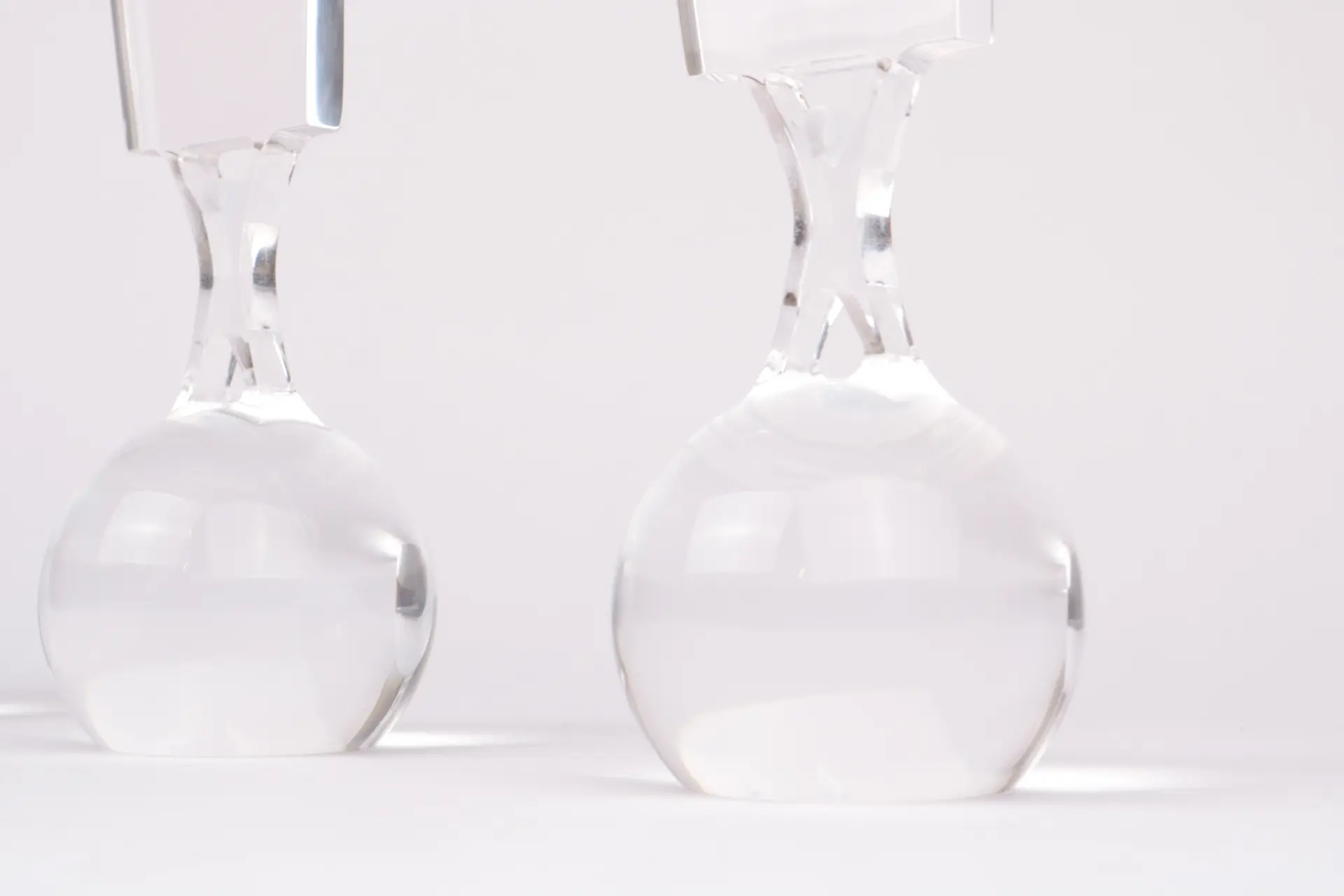
Ergonomics extends beyond the recipient to everyone who handles the piece, including the people who pack, ship, and unpack it. Because Fabit delivers worldwide, we design forms that can be gripped and moved safely, with no fragile projections at natural handling points and no edges that invite damage. A piece that is comfortable and intuitive to hold is also easier to handle carefully throughout its journey.
Simulating the human experience digitally
Our in-house 3D design process lets us model ergonomics before production. We can assess the size of the form against typical hand dimensions, calculate the centre of gravity, and identify grip points that need softening. This means the ergonomic experience is engineered deliberately rather than left to chance. You can start shaping a comfortable, holdable form yourself in our online design tool.
Material and the feel in the hand
Material shapes the tactile experience as much as the visual one. A cool, dense metal feels precious and weighty. A warm resin feels smooth and approachable. A textured surface offers grip, while a polished one feels sleek. Because ergonomics is about how a piece feels, material choice is inseparable from it, and our materials overview helps clients understand how each substrate feels in the hand, not just how it looks.
Ergonomics and display
Ergonomics does not end when the piece is set down. A well designed award has a stable base that makes it easy and safe to place on a desk or shelf, sits at a natural viewing angle, and does not require awkward handling to reposition. The transition between being held and being displayed should feel effortless, and we design that whole cycle as one continuous experience.
Frequently asked questions
Why does ergonomics matter for a trophy?
Because a trophy is meant to be held, especially during the emotional handover. A comfortable, balanced piece makes that moment feel confident and celebratory.
How heavy should an award be?
Heavy enough to feel valuable, but balanced so it is not tiring to hold. We tune weight and centre of gravity through material and structure.
Do ergonomic considerations affect the look?
They work together. Rounded grip points and balanced forms are both comfortable and elegant, so ergonomics enhances rather than limits the design.
How do we get started?
Share your brief and our Antwerp studio responds within 24 hours to develop an award that is a pleasure to hold and to display.
Related terms