Reverse engraving on acrylic is the technique of engraving or marking a design onto the back face of a clear acrylic piece, so that it is viewed through the front. This protects the engraving from wear, creates a sense of depth, and allows colour to be added into the engraved recesses from behind for a striking, floating effect.
Clear acrylic invites you to look into it, not just at it. Reverse engraving takes advantage of that transparency, placing the artwork on the hidden back surface so that it appears to sit inside the material when viewed from the front. It is a refined technique that separates thoughtfully made acrylic awards from ordinary ones.
How reverse engraving works
The design is engraved onto the rear face of a transparent acrylic panel. Crucially, because it will be read from the opposite side, any text or asymmetric graphic must be mirrored before engraving, so it appears correct when viewed through the front. The engraved recesses can then be left frosted, which reads as a bright detail against the clear body, or filled with paint or colour so the design glows with colour when seen from the front. A polished front face and clear body let light carry the image forward to the viewer.
Why it matters for premium awards
Reverse engraving delivers three advantages that matter to a premium piece. First, the engraving is physically protected. Because it lives on the back, it cannot be scratched or worn by handling of the front face, so the award stays pristine. Second, it creates genuine depth. The design appears suspended within the acrylic, giving a three dimensional quality that front engraving cannot match. Third, it enables clean colour fills that read vividly through the clear material without any risk of smudging the visible face.
Together these make reverse engraving a hallmark of considered acrylic design, the kind of detail a discerning recipient notices and appreciates.
The importance of mirroring
The single most important rule of reverse engraving is that the artwork must be mirrored. Because the viewer looks through the material from the opposite side, unmirrored text would appear backwards. This applies to all text and to any logo or graphic that is not perfectly symmetrical. It sounds obvious, but it is precisely the kind of detail that separates experienced makers from careless ones, and it is checked meticulously on every reverse engraved piece.
Adding colour from behind
One of the most beautiful effects reverse engraving allows is colour fill. After engraving, the recesses on the back can be filled with paint. When the piece is then viewed from the front, the colour appears to float inside the crystal, protected and vivid. Multiple colours can be applied to different areas, and metallic or bright fills can make a logo truly sing. Because the colour sits behind the clear body, it is shielded from wear entirely.
Reverse engraving versus front engraving
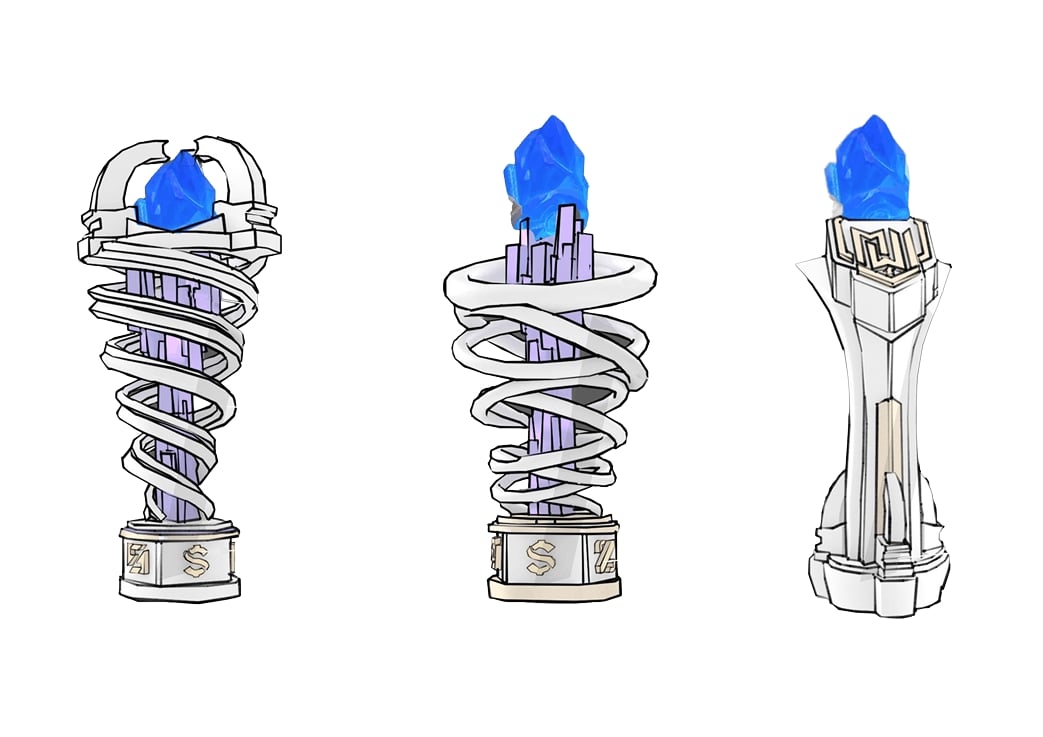
Front engraving marks the surface you touch, which is simpler but leaves the detail exposed and flat against the face. Reverse engraving places the detail behind the material, protecting it and giving depth, at the cost of requiring mirrored artwork and a clear, well polished body to view through. For premium clear acrylic awards, reverse engraving is usually the more sophisticated choice, though front engraving still has its place for certain frosted or tactile effects.
Design considerations before you commit
- Mirroring: all text and asymmetric graphics must be mirrored, which we handle and verify.
- Material clarity: a clear, well polished body is essential to view the engraving cleanly through the front.
- Colour fills: decide whether recesses stay frosted or are filled with colour for extra impact.
- Edge finishing: flame or diamond polished edges let more light in and enhance the depth effect.
- Thickness: thicker acrylic amplifies the sense of the design floating within the piece.
How Fabit approaches it
Reverse engraving rewards precision at every step, from mirroring the artwork to filling the recesses cleanly and polishing the viewing face. Because we engrave, fill, and finish in house, we control the whole sequence and verify the mirroring before a single mark is made. That discipline is why our reverse engraved acrylic awards read cleanly and hold their depth. You can explore acrylic within our wider range on the custom trophies service page, and the clear and coloured grades we use on the materials overview.
Every acrylic enquiry receives a response within twenty four hours, and we deliver finished pieces worldwide.
الأسئلة المتداولة
Why does the artwork need to be mirrored?
Because it is viewed from the opposite side. Mirroring ensures text and logos read correctly through the front face. We handle and double check this.
Can colour be added to reverse engraving?
Yes. The engraved recesses on the back can be filled with paint, so the colour appears to float inside the clear body when viewed from the front.
Is reverse engraving more durable than front engraving?
Yes. Because the detail sits on the protected back face, it cannot be scratched by handling the front, keeping the award pristine.
Does it work on coloured acrylic?
It works best on clear or lightly tinted acrylic, where light carries the design forward. Heavily coloured material reduces the depth effect, which we advise on.
Pairing reverse engraving with light
Reverse engraving reaches its full potential when it is considered alongside how the award will be lit and displayed. Because the engraved and colour filled detail sits inside the material, it responds beautifully to light entering through polished edges, which can make a logo appear to glow from within. Some clients choose to display these pieces on a lit base, where light introduced from below travels up through the acrylic and illuminates the reverse engraved artwork dramatically. Even in ordinary room lighting, the depth effect gives the design a presence that flat surface engraving cannot rival. Thinking about the lighting context during design, rather than treating it as an afterthought, is what turns a well engraved piece into one that genuinely captivates whoever is looking at it.
Reverse engraving on acrylic is a quiet piece of craft that delivers a big impression, protecting the detail while giving it the depth and glow of something suspended in crystal. It is exactly the kind of technique that makes an award feel precious. Start your clear acrylic concept in our online design studio.
Related terms