Een fusie is de samenvoeging van twee bedrijven tot één nieuwe juridische entiteit, overeengekomen op relatief gelijkwaardige voorwaarden, waarbij beide groepen aandeelhouders hun belang inruilen tegen aandelen in het gecombineerde bedrijf in plaats van dat de ene partij de andere simpelweg voor contant geld koopt. Waar een overname een koper en een verkoper impliceert, impliceert een echte fusie partnerschap: twee besturen, twee managementteams en twee aandeelhoudersgroepen die besluiten dat ze samen meer waard zijn dan apart. Het resultaat is een nieuwe bedrijfsstructuur, vaak met een nieuwe naam, een nieuw bestuursmodel en een gecombineerde balans die geen van beide bedrijven alleen had kunnen opbouwen.
Wat een fusie werkelijk betekent
In de bedrijfsfinanciering wordt het woord fusie in de pers losjes gebruikt, maar het heeft een precieze betekenis onder de bankiers, juristen en adviseurs die deze transacties structureren. Een fusie is een vriendschappelijke, onderhandelde samenvoeging waarbij de aandeelhouders van beide bedrijven de combinatie goedkeuren en aandelen ontvangen in de overblijvende of nieuw gevormde entiteit. De klassieke term is een fusie tussen gelijken, al is in de praktijk bijna altijd één partij iets groter of dominanter. Het kenmerk is dat waarde in aandelen wordt uitgewisseld in plaats van volledig in contanten wordt afgerekend, en dat beide besturen de deal aan hun respectieve eigenaren aanbevelen.
Fusies hervormen hele sectoren. Wanneer twee middelgrote concurrenten samengaan, creëren ze een bedrijf met meer schaal, bredere distributie en sterkere prijsmacht. Wanneer een fabrikant fuseert met een leverancier, beheerst het nieuwe bedrijf meer van zijn eigen waardeketen. Elke fusie is in de kern een gok dat de gecombineerde entiteit meer waard zal zijn dan de som van de twee zelfstandige bedrijven, een begrip dat financiële professionals synergie noemen.
Fusie versus overname
Het onderscheid tussen een fusie en een overname is zowel juridisch als cultureel van belang. Bij een overname koopt het ene bedrijf het andere, houdt het overgenomen bedrijf op te bestaan als zelfstandige entiteit en neemt de overnemer zijn activa en activiteiten over. Bij een fusie ligt de nadruk op samenvoeging en continuïteit voor beide partijen. De afkorting M&A groepeert de twee omdat de dealteams, het due-diligenceproces en de afrondingsmechanismen grotendeels vergelijkbaar zijn, maar de toon van een fusie is samenwerkend, terwijl een overname zowel kan worden verwelkomd als bestreden.
Dit verschil bepaalt hoe de transactie wordt herinnerd. Een fusie is een gedeelde prestatie, en de mensen die eraan hebben gewerkt, van de CEO's tot de junioranalisten, willen een aandenken dat partnerschap weerspiegelt in plaats van verovering. Daar verdient een goed ontworpen herdenkingsobject zijn plaats.
De opbouw van een fusieproces
Een fusie verloopt doorgaans over enkele maanden en betrekt een grote groep adviseurs. De belangrijkste fasen zijn de volgende:
- Strategische rationale: Elk bestuur bepaalt waarom de combinatie waarde creëert, via kostenbesparingen, omzetgroei of toegang tot markten.
- Waardering en ruilverhouding: Adviseurs bepalen hoeveel aandelen van de nieuwe entiteit elke bestaande aandeelhouder ontvangt.
- Due diligence: Beide partijen onderzoeken elkaars financiën, contracten en verplichtingen om te bevestigen dat er geen verborgen risico's zijn.
- Goedkeuring door toezichthouders: Mededingingsautoriteiten beoordelen de deal om te zorgen dat die consumenten niet schaadt of eerlijke concurrentie niet vermindert.
- Aandeelhoudersstemming: De eigenaren van beide bedrijven keuren de voorwaarden goed voordat de fusie kan worden afgerond.
- Integratie: De twee organisaties voegen systemen, teams en culturen samen tot één functionerend bedrijf.
Elk van deze fasen is intensief, en de professionals die een fusie tot een goed einde brengen, maken vaak lange periodes zeer lange dagen. De succesvolle afronding is een echte mijlpaal en verdient het om met iets blijvends te worden gemarkeerd.
Waarom fusies worden herdacht met deal toys
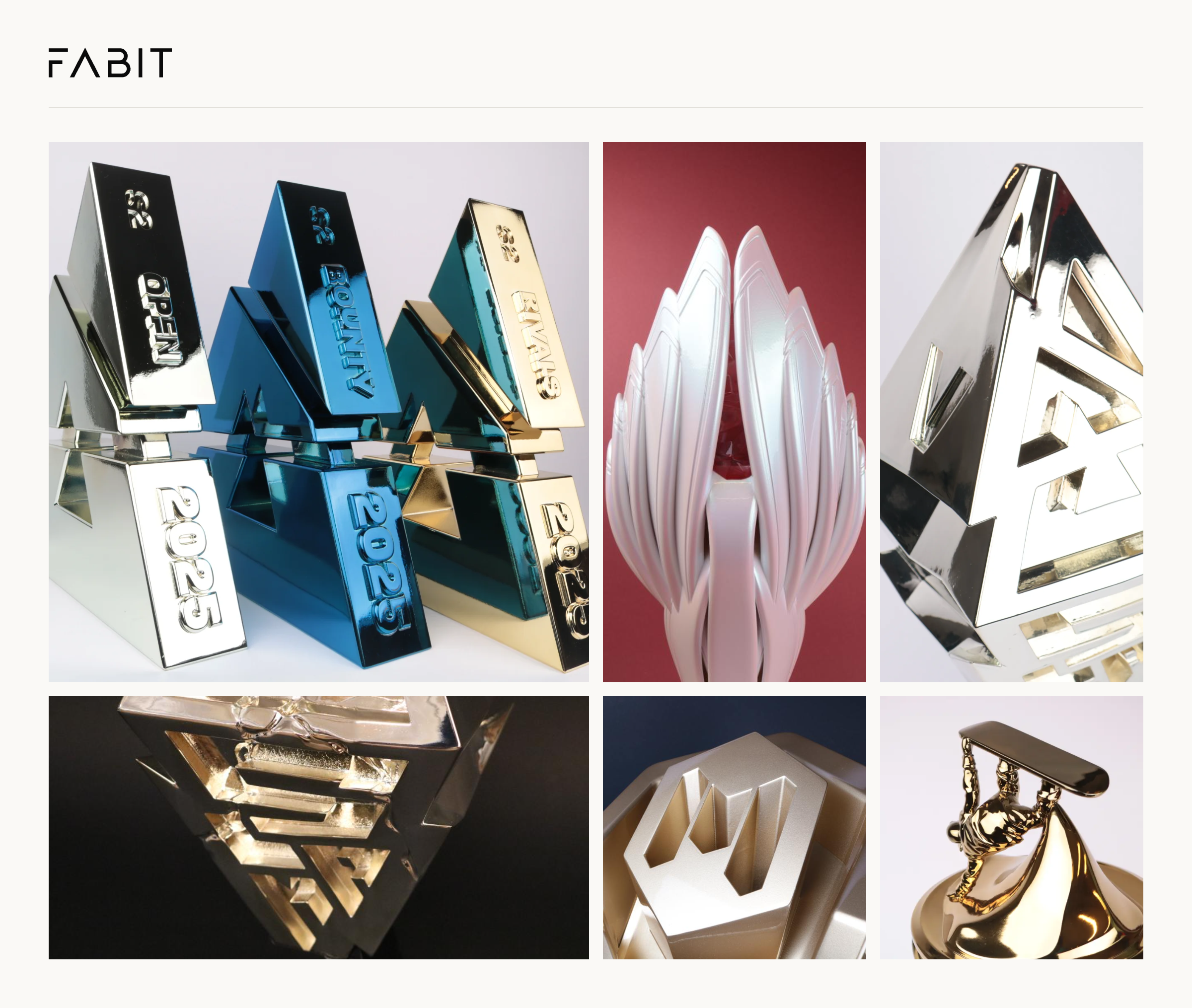
Een deal toy, ook wel tombstone of financiële trofee genoemd, is een op maat gemaakt object dat wordt gemaakt om de afronding van een belangrijke transactie te vieren. Bij een fusie vangt de deal toy meestal het idee van twee die één worden. Ontwerpers vertalen dat concept naar fysieke vorm met in elkaar grijpende vormen, samengevoegde logo's of twee verschillende materialen die tot één object zijn versmolten. Het resultaat staat op het bureau van de leidinggevenden en bankiers die de deal mogelijk maakten, als blijvende herinnering aan een loopbaanbepalend moment.
Deze objecten zijn belangrijk omdat een fusie abstract is. Contracten, aandeelhoudersregisters en dossiers voor toezichthouders zijn geen dingen die u kunt vasthouden. Een deal toy maakt het ontastbare tastbaar. Hij geeft het dealteam, het bestuur en de adviseurs een gedeeld symbool van wat zij samen hebben gebouwd. Voor de betrokken adviesbureaus is hij ook een subtiele uiting van prestige, tentoongesteld in kantoren en directiekamers waar toekomstige klanten hem zullen zien.
Een deal toy voor een fusie ontwerpen
De beste herdenkingsstukken voor fusies gaan verder dan het standaard lucite blok met een bedrukt logo. Bij Fabit begint elk stuk met het verhaal van de specifieke deal. Bij een fusie kan dat betekenen dat twee vormen worden gebeeldhouwd die naadloos in elkaar grijpen, of dat gepolijst metaal wordt gecombineerd met een vakkundig gemaakte voet om de eenwording van twee tradities te tonen. Omdat Fabit in eigen productie ontwerpt en produceert, met geavanceerd 3D-modelleren, echt metaalwerk en handafwerking, is het ontwerp niet beperkt tot wat een catalogus biedt. Het wordt alleen beperkt door het concept.
Hierin verschilt Fabit van de traditionele lucite fabrieken in de Verenigde Staten die de handel in deal toys al decennia domineren. Die leveranciers vertrouwen vaak op vaste vormen en lange productieketens. Fabit brengt het hele vakmanschap onder één dak in Antwerpen, met een combinatie van digitaal beeldhouwen en echte materiaalkennis. U kunt de volledige aanpak verkennen op de pagina over onze deal tombstones, en zien hoe moderne fabricage verandert wat mogelijk is op het overzicht van 3D-geprinte trofeeën.
Van concept tot geleverd object
Een deal toy voor een fusie bestellen is eenvoudig. Er wordt een concept overeengekomen, een 3D-ontwerp voorgesteld en na goedkeuring wordt het object geproduceerd en wereldwijd verzonden. Fabit reageert binnen vierentwintig uur op aanvragen, wat telt wanneer een deal onder tijdsdruk wordt afgerond en het herdenkingsstuk klaar moet zijn voor een ondertekeningsdiner of een aankondigingsevenement. Bedrijven in de financiële sector kunnen de speciale pagina voor de financiële sector bekijken om te begrijpen hoe het proces is afgestemd op bank- en adviesklanten.
Veelgestelde vragen
Is een fusie hetzelfde als een overname?
Nee. Een fusie combineert twee bedrijven tot één nieuwe entiteit op relatief gelijkwaardige voorwaarden, meestal via een uitwisseling van aandelen. Een overname is een bedrijf dat een ander koopt, waarna het overgenomen bedrijf niet langer zelfstandig bestaat.
Hoe lang duurt het voordat een fusie is afgerond?
De meeste fusies duren enkele maanden van aankondiging tot afronding, en complexe deals met toezicht van toezichthouders kunnen een jaar of langer duren.
Wat moet een deal toy voor een fusie weergeven?
Hij moet het idee van eenwording vangen. In elkaar grijpende vormen, samengevoegde logo's of twee materialen die tot één object zijn gecombineerd communiceren allemaal het partnerschap in de kern van een fusie.
Kan een deal toy snel na de afronding van een deal worden geproduceerd?
Ja. Met ontwerp en productie in eigen productie en een toezegging om binnen vierentwintig uur te reageren, kan een stuk op maat worden geleverd binnen de deadlines van het evenement. Start een concept op create.fabit3d.com.
Gerelateerde termen