A prospectus is the formal legal document that a company issuing securities to the public must produce and file with regulators, disclosing everything a potential investor needs to make an informed decision, including the company’s business, financial statements, management, the terms of the offering, the intended use of the proceeds, and the risks involved. It is the definitive reference document of a public offering. Before investors are asked to buy shares or bonds, the prospectus lays out the full picture, ensuring that the decision to invest is made on the basis of complete and accurate disclosure rather than hope or hearsay.
What a Prospectus Is
The prospectus stands at the heart of securities regulation. When a company goes public or issues bonds to the market, the law requires it to publish a prospectus so that investors are properly informed. The document is prepared by the issuer with its underwriters and lawyers, reviewed by regulators, and made available to the market. Its purpose is disclosure, to place before every potential investor the same body of material information about the company and the offering.
A prospectus is comprehensive. It describes the company’s history and business model, presents audited financial statements, profiles the management and board, explains the terms and size of the offering, details how the money raised will be used, and sets out the risk factors that could affect the investment. It is often a lengthy document, precisely because the standard of disclosure is high and the legal consequences of omission are serious.
What a Prospectus Contains
The contents of a prospectus are broadly standardized so that investors can find what they need. The main sections include the following:
- Business description: An account of what the company does, its markets, and its strategy.
- Financial statements: Audited historical accounts and often selected financial data.
- Risk factors: A candid list of the things that could go wrong and harm the investment.
- Use of proceeds: An explanation of how the capital raised will be deployed.
- Offering terms: The price, the number of securities, and the mechanics of the sale.
- Management and governance: Details of the people running the company and how it is governed.
Preparing these sections accurately is demanding work, and any misstatement can expose the issuer and its underwriters to legal liability. This is one reason due diligence and the drafting of the prospectus consume so much of the team’s time in the run up to an offering.
The Prospectus and the Offering Process
The prospectus is central to how an offering is marketed and completed. A preliminary version, often called a red herring in equity offerings, is used during the roadshow to introduce the company to investors before the final price is set. Once pricing is agreed, the final prospectus is published with the definitive terms. Regulators review the document to ensure it meets disclosure standards, and only then can the securities be sold to the public. The prospectus is thus both a legal safeguard and a marketing foundation for the entire offering.
From Prospectus to Closing to Commemoration
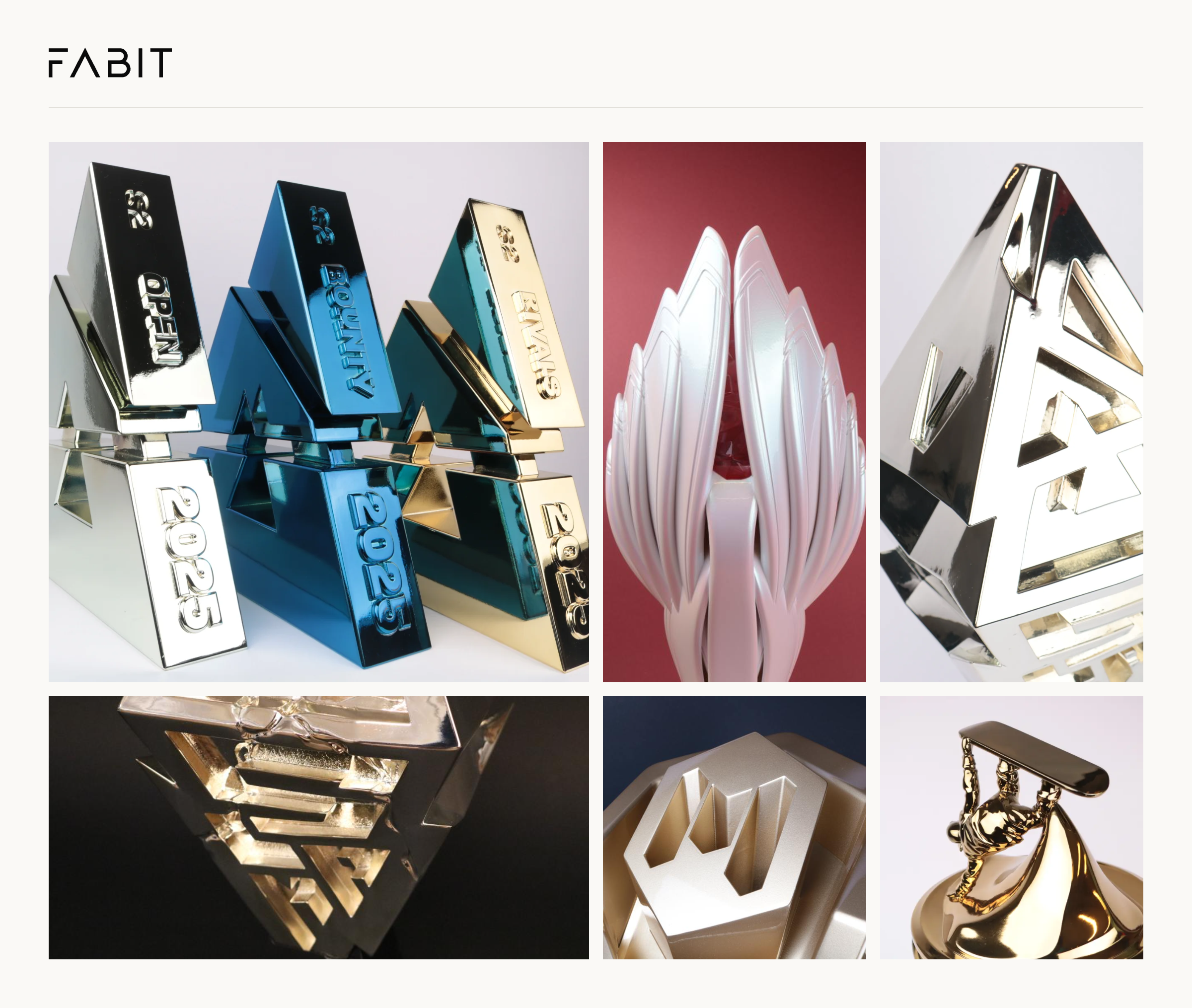
The publication of a prospectus signals that an offering is real and imminent, and its completion marks the culmination of months of preparation. When the offering closes, the issuer and the underwriters commemorate the achievement with a deal toy. The commemorative records the offering that the prospectus documented, capturing the name of the issuer, the size and type of the offering, and the banks involved. For a company completing its first public offering in particular, the prospectus and the deal toy together mark a transformative moment, the transition from a private company to a public one.
The deal toy translates the dry, legalistic disclosure of the prospectus into a celebratory object. Where the prospectus is read once and filed, the commemorative sits on a desk for years, a lasting reminder of the day the company came to market.
Commemorating a Public Offering
An initial public offering is often the most significant event in a company’s history, and the commemorative should reflect that. Fabit designs and produces each piece in house in Antwerp, combining 3D modeling, real metalwork, and hand finishing to create objects that far exceed the standardized lucite blocks that the legacy United States factories have produced for decades. Because the whole process is controlled under one roof, the commemorative can be tailored to capture the character of the issuer and the scale of the offering. Explore the possibilities on the deal tombstones page and see how modern fabrication changes what is achievable on the 3D printed trophy page.
Working With Fabit
Offerings price and close on defined dates, and the commemorative frequently needs to be ready for the listing celebration. Fabit responds to enquiries within twenty four hours and ships worldwide, so an issuer or underwriter anywhere can commission a piece and receive it in time. Capital markets teams can review the tailored process on the finance industry page.
Frequently Asked Questions
Who prepares the prospectus?
The issuing company prepares it with its underwriters and lawyers, and it is reviewed by regulators before publication.
What is a preliminary prospectus?
It is an early version used to market an offering during the roadshow, before the final price and terms are fixed.
Why is the prospectus so long?
Because the standard of disclosure is high. Investors must be given all material information, and omissions carry legal risk.
When is the deal toy for an offering commissioned?
Usually as the offering approaches closing, so it is ready for the listing celebration. Start a concept at create.fabit3d.com.
Related terms