Una desinversión es la venta, la escisión o la enajenación de una unidad de negocio, filial, división o activo por parte de una empresa, con el fin de afinar el enfoque estratégico, obtener capital o deshacerse de operaciones que ya no encajan en la cartera corporativa. Es la imagen especular de una adquisición: donde una adquisición suma a una empresa, una desinversión resta, y permite a la matriz concentrar sus recursos en sus puntos fuertes.
Entender la desinversión en contexto
Las grandes empresas suelen acumular con el tiempo diversas líneas de negocio, ya sea mediante adquisiciones, expansión orgánica o diversificación. No todas las partes de una cartera siguen siendo valiosas para la matriz. Algunas unidades pueden rendir mal, distraer a la dirección o pertenecer de forma más natural a otro propietario. Una desinversión es la decisión deliberada de desprenderse de una unidad así, convirtiéndola en efectivo o en una entidad independiente, y de ese modo liberar un valor que quedaba oculto dentro de la organización mayor.
La lógica estratégica de la desinversión es convincente. Los inversores suelen valorar más a las empresas enfocadas que a los conglomerados dispersos, un fenómeno que a veces se describe como el descuento de conglomerado. Al desinvertir en operaciones no estratégicas, una empresa puede demostrar disciplina, reasignar capital a actividades de mayor rentabilidad y presentar al mercado un relato más claro. Para la unidad desinvertida, un nuevo propietario puede aportar inversión y atención directiva centradas de las que carecía como parte periférica de una empresa mayor.
Las principales formas que puede adoptar una desinversión
Las desinversiones se ejecutan mediante varios mecanismos diferenciados, cada uno adecuado a circunstancias y objetivos distintos.
- Venta a un comprador estratégico: la unidad se vende a otra empresa, a menudo un competidor o un negocio que busca expandirse al mercado de la unidad.
- Venta a un comprador financiero: una firma de capital riesgo o un inversor similar adquiere la unidad, con frecuencia con la intención de hacerla crecer y venderla de nuevo más adelante.
- Spin-off: la unidad se separa como empresa cotizada independiente, y las acciones se reparten entre los accionistas actuales de la matriz.
- Carve-out: una parte de la unidad se vende al público mediante una oferta inicial mientras la matriz conserva una participación.
- Liquidación: los activos se venden por separado cuando la unidad en su conjunto no es viable.
Por qué las desinversiones son operaciones exigentes
Separar una unidad de negocio de su matriz rara vez es sencillo. La unidad puede compartir sistemas, empleados, contratos e instalaciones con el resto de la empresa, y desenredar estas conexiones requiere una planificación cuidadosa. Los asesores deben valorar la unidad con exactitud, estructurar la operación para optimizar el resultado fiscal y negociar condiciones que protejan los intereses del vendedor y del comprador. Los acuerdos de servicios transitorios suelen regular cómo seguirá apoyando la matriz a la unidad desinvertida durante un periodo tras el cierre.
Por esta complejidad, las desinversiones implican durante muchos meses a equipos de banqueros de inversión, abogados, contables y consultores. Completar con éxito una desinversión, sobre todo si es grande o complicada, supone un logro importante para todos los implicados. Indica que una separación difícil se ha gestionado con limpieza y que se ha materializado valor para los accionistas.
Cómo se conmemora una desinversión con un deal toy
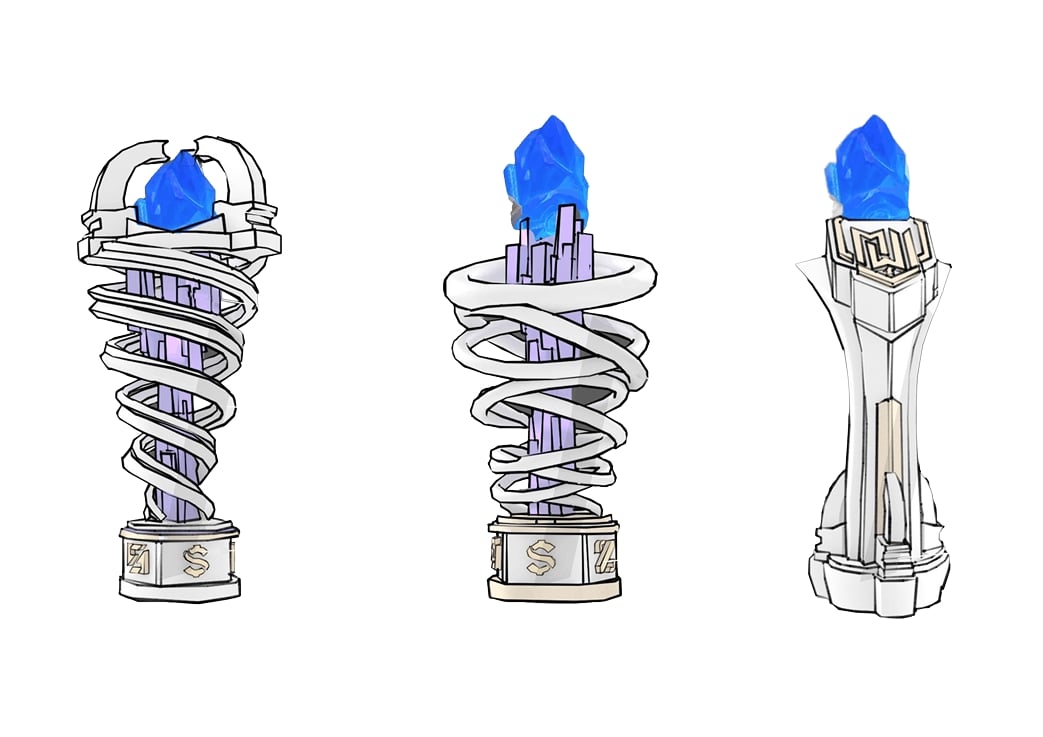
Dado el esfuerzo que exige una desinversión, los profesionales que la llevan a cabo suelen marcar la ocasión, por tradición, con un deal toy, también conocido como tombstone financiero o regalo de cierre. Estos objetos personalizados capturan la esencia de la operación y suelen incluir los nombres o logotipos de las partes, el valor de la operación y la fecha de cierre. En una desinversión, el deal toy conmemora no solo una venta, sino también la claridad estratégica que la empresa logró al llevarla a cabo.
En Fabit, en Amberes, diseñamos y fabricamos estas piezas íntegramente en nuestro propio taller, combinando diseño 3D, metalistería y artesanía. Un deal toy de desinversión puede representar visualmente la separación como idea central, quizá con dos formas encajadas que se separan, o con una división nítida de materiales que evoque la escisión. Como controlamos todo el proceso, desde el concepto hasta el objeto terminado, podemos traducir la historia concreta de una desinversión en un recuerdo que ambas partes valoren. Entregamos en todo el mundo y respondemos a cada consulta en 24 horas.
Descubra cómo atendemos a quienes cierran operaciones a través de nuestra experiencia en deal toys financieros, o empiece a diseñar una pieza para su propia operación con el estudio de diseño online de Fabit. Para los equipos que deseen explorar técnicas de producción modernas, nuestras capacidades de trofeos impresos en 3D abren formas que sería imposible lograr solo a mano.
Diseñar un recuerdo que honre a ambas partes
Una desinversión implica al menos a dos partes, el vendedor y el comprador, y a menudo a muchos asesores en cada lado. Un deal toy bien pensado reconoce el carácter colaborativo de la operación. A través de nuestro servicio de deal tombstones y deal toys, ayudamos a las firmas a crear piezas que se pueden producir en serie, de modo que cada miembro del equipo de la operación, en ambos lados de la mesa, reciba un recuerdo de igual calidad que marque el trabajo compartido.
Preguntas más frecuentes
¿Cuál es la diferencia entre una desinversión y un spin-off?
Un spin-off es un tipo de desinversión en el que la unidad se convierte en una empresa cotizada independiente. Desinversión es el término más amplio, que abarca ventas, spin-offs, carve-outs y otras formas de enajenación.
¿Por qué una empresa rentable desinvertiría en una unidad de negocio?
Incluso las unidades rentables pueden no encajar con la estrategia de la empresa. Desinvertir en ellas permite a la dirección centrarse en las operaciones principales y suele traducirse en una mayor valoración global de mercado.
¿Quién recibe deal toys cuando se cierra una desinversión?
Los banqueros, abogados y directivos de la parte vendedora y de la compradora suelen recibir, cada uno, una pieza conmemorativa.
¿Puede Fabit diseñar un deal toy que refleje la historia concreta de una desinversión?
Sí. Trabajamos en nuestro propio taller, desde el concepto hasta el objeto terminado, por lo que podemos traducir la narrativa única de cualquier desinversión en un diseño a medida y enviarlo a todo el mundo desde Amberes.
Términos relacionados
- ampliación de capital
- recapitalización
- banca de inversión
- oferta de acciones
- ceremonia de firma del acuerdo