Geslagen en gegoten zijn de twee belangrijkste productiemethoden voor metalen medailles. Een geslagen medaille wordt onder enorme druk met een geharde stempel uit metaal geslagen, wat scherp detail en een dichte, verfijnde uitstraling oplevert. Een gegoten medaille wordt gemaakt door gesmolten metaal in een mal te gieten, waardoor meer sculpturale, driedimensionale en complexe vormen mogelijk zijn. Geen van beide is universeel beter. De juiste keuze hangt af van het ontwerp, de gewenste uitstraling en het aantal.
Plant u medailles voor een race of evenement? Bekijk onze marathonmedailles.
Bij Fabit in Antwerpen adviseren we over deze keuze bij elke medailleopdracht, in plaats van standaard het goedkoopste te kiezen. We leveren wereldwijd, beantwoorden elke aanvraag binnen 24 uur en helpen u de productiemethode af te stemmen op wat uw award moet bereiken.
Hoe geslagen medailles worden gemaakt
Geslagen medailles beginnen met een geharde stalen stempel waarin het ontwerp is gegraveerd. Een metalen blanco wordt onder een pers geplaatst en met enorme kracht geslagen, waardoor het metaal in het fijne detail van de stempel wordt gedrukt. Het resultaat is een medaille met scherp, nauwkeurig reliëf, schone letters en een gladde, dichte ondergrond. Het slaan comprimeert het metaal, wat deels verklaart waarom geslagen medailles zo'n bevredigend gewicht en kwaliteitsgevoel hebben.
Hoe gegoten medailles worden gemaakt
Gegoten medailles worden gemaakt door een mal te maken en er gesmolten metaal in te gieten. Na afkoeling wordt de medaille uit de mal gehaald, gereinigd en afgewerkt. Gieten maakt vormen en diepten mogelijk die slaan niet gemakkelijk kan bereiken: uitgesproken driedimensionaliteit, ondersnijdingen, open delen en sculpturale vormen. Het oppervlak heeft een iets zachter, meer getextureerd karakter dan een geslagen medaille, wat precies de look kan zijn die een sculpturaal ontwerp vraagt.
Sterke punten van geslagen
- Uitzonderlijke scherpte en fijn detail, ideaal voor logo's, wapens en kleine tekst.
- Een dicht, premium gewicht en gladde ondergrond.
- Uitstekende consistentie over grote oplagen.
- Schone oppervlakken die gepolijste, gecoate en emailafwerkingen prachtig opnemen.
Geslagen is vaak het juiste antwoord voor klassieke podiummedailles, finishersmedailles in volume en elk ontwerp waarbij scherp detail en een verfijnde uitstraling prioriteit hebben.
Sterke punten van gieten
Gieten blinkt uit waar de medaille meer een sculptuur is dan een schijf. Het verwerkt gedurfde driedimensionale vormen, ongewone silhouetten, uitsnedes en uitgesproken diepte die onmogelijk te slaan zouden zijn. Voor een MVP-award, een kenmerkende finishersmedaille met een dramatische vorm of een stuk waarin het ontwerp de ster is, opent gieten creatieve mogelijkheden die slaan niet kan evenaren. Het kan ook voordeliger zijn voor zeer diepe of complexe vormen.
Hoe kiest u tussen beide
De keuze komt neer op een paar vragen die we met elke klant doorlopen. Hoe fijn en nauwkeurig is het detail? Stansen geeft de meeste scherpte. Hoe sculpturaal en driedimensionaal is de vorm? Gieten geeft de meeste diepte. Hoe groot is de oplage en hoe gelijkmatig moet elk exemplaar zijn? Stansen blinkt uit in consistentie bij grote aantallen. Welk gevoel wilt u in de hand? Beide kunnen premium aanvoelen, maar op een andere manier. We pushen geen methode, maar adviseren de route die past bij het specifieke ontwerp. Dat staat centraal in onze adviesaanpak.
Afwerking hangt samen met methode
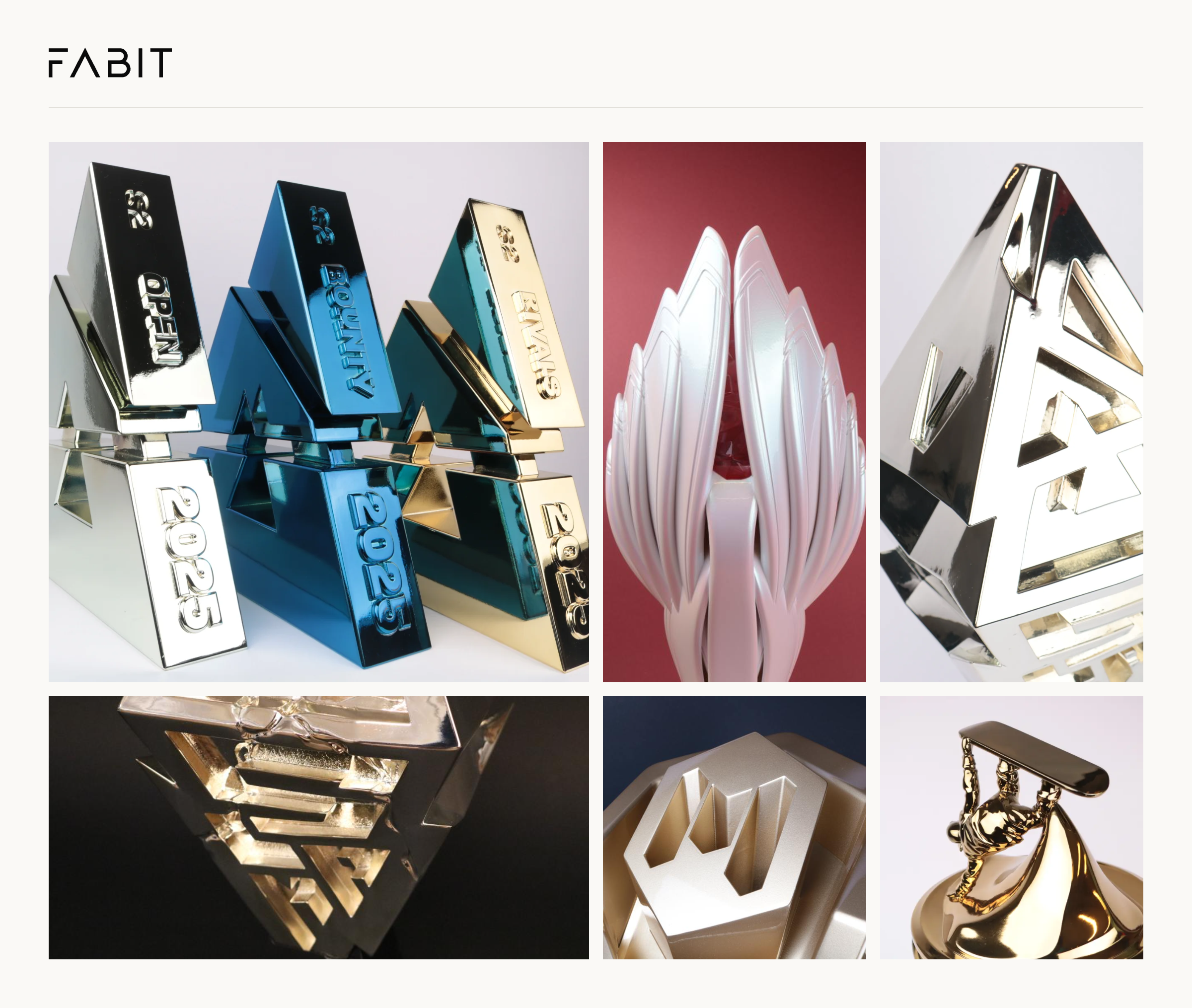
De productiemethode bepaalt hoe afwerkingen overkomen. Het gladde oppervlak van een gestanste medaille komt prachtig tot zijn recht met een glanzende verguldlaag en scherpe emailranden. Het getextureerde oppervlak van een gegoten medaille past bij antieke en satijnen afwerkingen die het sculpturale karakter versterken. We kijken naar methode en afwerking samen, zodat ze elkaar versterken. Welke afwerkingen mogelijk zijn, ontdekt u op onze materialenpagina.
Veelvoorkomende misverstanden
Een veelvoorkomend misverstand is dat gegoten goedkoop is en gestanst premium, of andersom. Geen van beide klopt. Beide kunnen op premiumniveau worden uitgevoerd, en beide kunnen slecht worden gedaan. Kwaliteit komt voort uit de matrijs, het metaal, de afwerking en de zorg, niet uit de methode alleen. Een ander misverstand is dat u voor het hele project één methode moet kiezen. In de praktijk kan een set awards methoden combineren: gestanst voor medailles in grote aantallen en gieten voor een sculpturale trofee voor de hoogste categorie.
Kosten en aantallen
De kosten gedragen zich bij beide methoden anders, en dat inzicht helpt bij het plannen. Zowel gestanste als gegoten medailles vragen om gereedschap, een eenmalige opstartkost, dus de stukprijs daalt naarmate de aantallen stijgen. Bij grote oplagen van een gedetailleerde, relatief vlakke medaille is stansen meestal de voordeligste route en tegelijk de beste kwaliteit. Bij kleinere aantallen van een diep, sculpturaal stuk kan gieten voordeliger zijn, omdat het gereedschap geschikt is voor complexe geometrie. Er is geen vaste regel. Daarom beoordelen we elk project op zichzelf en adviseren we de route die voor uw aantal en budget het beste resultaat geeft, in plaats van te sturen op wat het makkelijkst te produceren is.
Ook de praktische details plannen we, ongeacht de methode. Levertijden worden ruim voor het evenement afgesproken, aantallen bevatten een marge voor late inschrijvingen en vervangingen, en personalisatiegegevens worden netjes verzameld zodat de gravure klopt. Onze toezegging om binnen 24 uur te reageren houdt beslissingen in beweging, en voor internationale evenementen is wereldwijde levering vanuit Antwerpen in de planning verwerkt.
De methode afstemmen op het niveau van de award
Binnen één evenement passen verschillende niveaus vaak bij verschillende methoden. Finishermedailles en deelnamemedailles in grote aantallen vragen meestal om stansen, voor constante kwaliteit op schaal, terwijl een unieke MVP-award of een sculpturale trofee voor de hoogste categorie om gieten kan vragen. In plaats van het hele programma in één methode te dwingen, kiezen we per stuk, zodat elke award op de beste manier voor zijn rol wordt gemaakt. Deze gemengde aanpak, integraal gepland over het hele programma, is een kernonderdeel van hoe we kwaliteit en waarde leveren, van concept tot afgeronde set.
Waarom organisatoren op het advies van Fabit vertrouwen
Organisatoren vertrouwen op Fabit omdat we deze afwegingen helder uitleggen en de methode aanbevelen die de award dient, niet de methode die het makkelijkst te produceren is. Vanuit onze studio in Antwerpen adviseren we vóór we een offerte maken, reageren we binnen 24 uur en leveren we wereldwijd. Onze ervaring met evenementen op het niveau van de Durbuy GT Tour en de Global Champions Tour betekent dat we zowel gestanste als gegoten stukken op het hoogste niveau hebben geproduceerd. Bekijk voorbeelden in onze caseoverzicht.
Wilt u de juiste methode voor uw medaille bespreken? Begin dan in onze ontwerpstudio of ontdek onze service voor medailles op maat.
Veelgestelde vragen
Is gestanst beter dan gegoten?
Geen van beide is universeel beter. Geslagen blinkt uit in scherp detail en consistentie in volume, gieten blinkt uit in sculpturale driedimensionale vormen. De juiste keuze hangt af van het ontwerp.
Welke methode is premiumer?
Beide kunnen premium zijn. Kwaliteit komt van gereedschap, metaal en afwerking, niet van de methode zelf.
Kan één project beide methoden gebruiken?
Ja. Een set kan geslagen volumemedailles combineren met een gegoten sculpturaal paradepaardje.
Worden zowel geslagen als gegoten medailles geproduceerd?
Ja. We produceren beide op premiumniveau vanuit Antwerpen en leveren wereldwijd.
Gerelateerde termen
- gouden medaille
- medailleontwerp op maat
- finishersmedaille
- zilveren medaille
- bronzen medaille
- sport-MVP-award