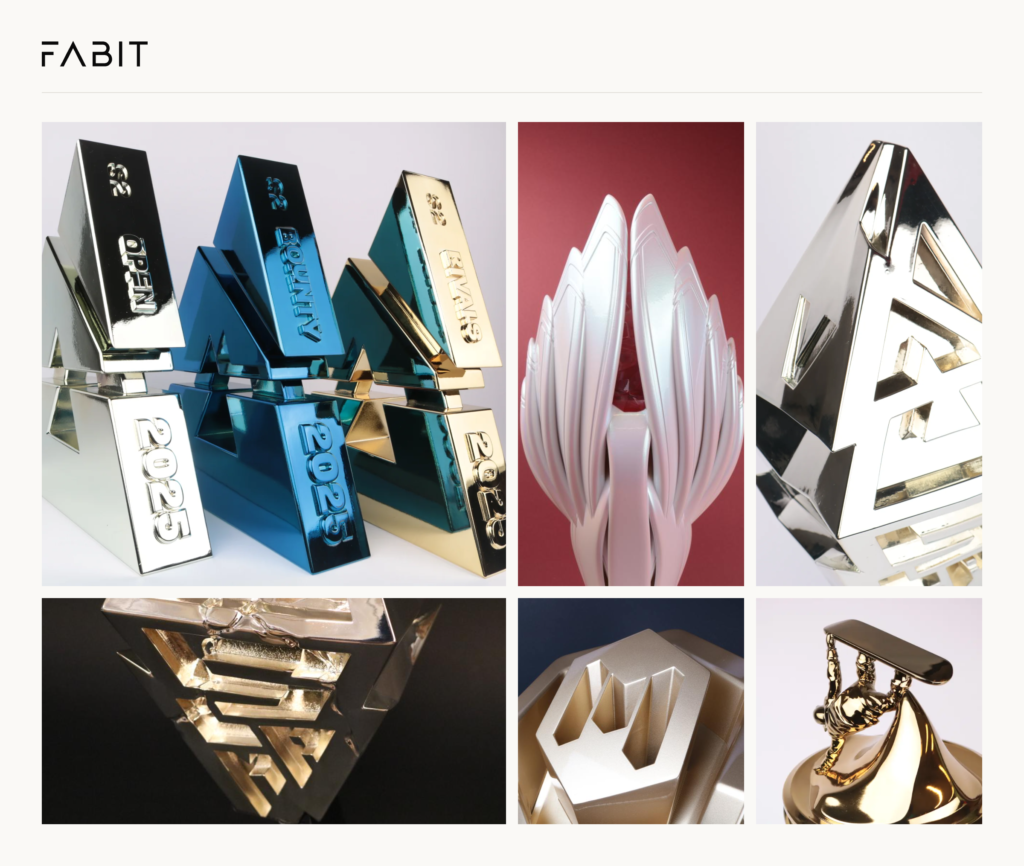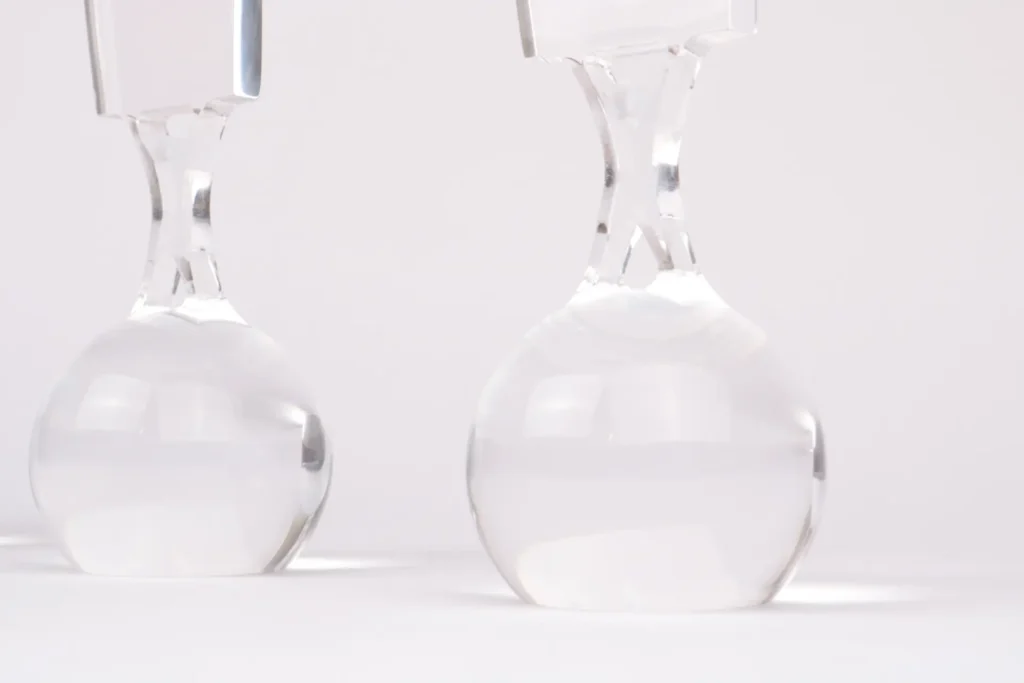
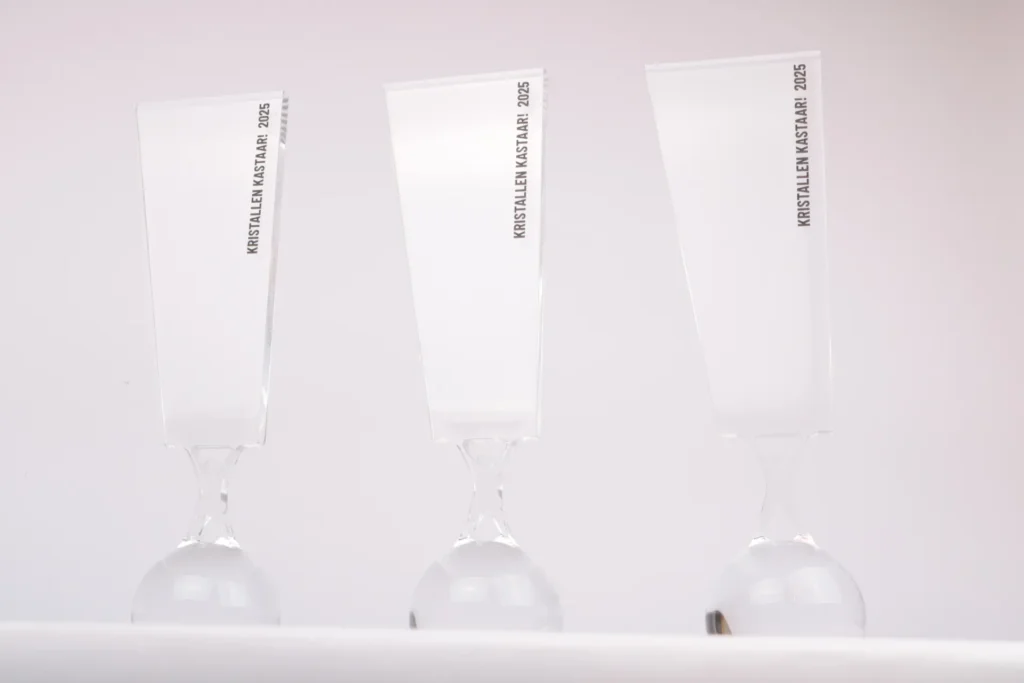
A lucite deal toy looks effortless. A logo, a tombstone, a figure suspended in perfect clarity, as if it simply grew that way. The truth is the opposite. Every flawless block is the end of a disciplined process that runs from a first render to a final polish, and the quality you feel in your hand is decided long before the resin is ever poured.
So how are lucite deal toys made? A lucite deal toy is built in stages: design and 3D rendering, tooling and mould preparation, embedment of the objects inside layers of poured acrylic resin, then curing, machining, and hand polishing to optical clarity. The craft lives in the embedment and the finish, where trapped air, alignment, and edge work separate a premium piece from a cheap one.
At Fabit, we make these in-house in Antwerp, combining 3D printing, metalwork, and traditional casting under one roof. That is what lets us engineer pieces most legacy lucite factories cannot. Here is how a commemorative deal toy actually comes to life.
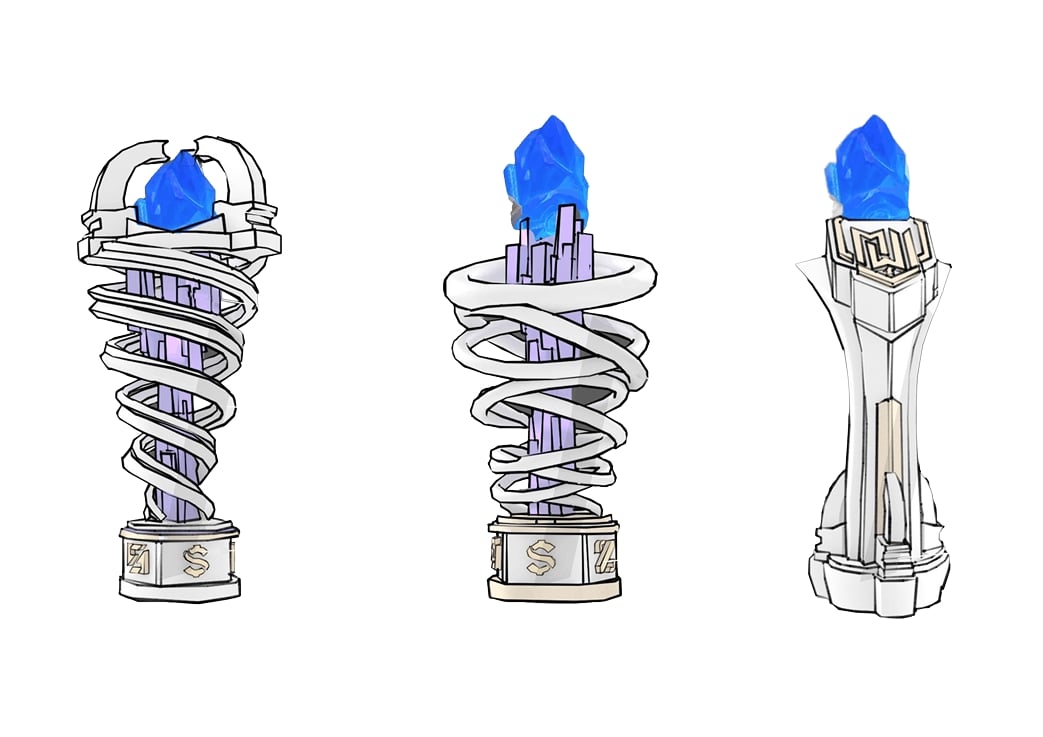
It starts with the render, not the resin
Before anything is cast, the concept is built in 3D. We model the geometry, the embedded elements, the logo placement, and the proportions, then render it so you can approve exactly what you will receive. This is where a deal toy becomes bespoke rather than generic.
Rendering removes guesswork. You see scale, weight, and composition in advance, and revisions happen on screen where they cost nothing. By the time we move to production, every decision is locked.
Tooling and the pieces that go inside
Lucite is only half the story. The objects embedded inside, logos, coins, miniature buildings, cut assets, are made separately using 3D printing, metal casting, or precision cutting. This is the step where in-house capability matters most.
Because we print and finish these components ourselves, we control their tolerances and their surface quality. A crisp, well-finished embed reads as premium once it is locked in resin. A rough one is trapped forever, magnified by the acrylic around it.
The embedment: layer by layer
Embedment is the heart of the craft. Objects are not dropped into a single pour. They are suspended and encased through multiple controlled layers of acrylic resin, each one cured before the next is added, so that elements sit exactly where the design intends.
This layering is what creates that signature illusion of objects floating in clear space. Done well, the transitions between layers are invisible. Done badly, you see seams, distortion, and a cloudy plane where two pours failed to bond.
Why air is the enemy
The single biggest threat to a lucite piece is trapped air. Bubbles form during pouring and curing, and in a transparent block there is nowhere for them to hide. One bubble beside a logo ruins the whole effect.
Controlling air demands the right resin chemistry, temperature discipline, and curing environment. This is why cured blocks are handled with pressure and time controls rather than rushed. Patience here is not optional, it is the product.
Curing, cutting, and machining to shape
Once fully embedded, the block cures into a solid, stable mass. Only then is it machined. The raw casting is cut, ground, and shaped to its final dimensions, whether that is a classic tombstone, a bevelled monolith, or a complex custom silhouette.
Machining defines the architecture of the piece. Clean angles, true faces, and precise edges give a deal toy its engineered, intentional feel, the sense that it was designed rather than merely produced.
The finish is what people actually touch
After machining, every surface is refined by hand through progressive polishing until the acrylic reaches optical clarity. This is slow, skilled work, and it is what your recipients register the instant they pick the piece up.
A premium finish does several things at once:
- Removes machining marks so faces read as glass-clear
- Sharpens edges and corners for a crisp, architectural line
- Brings out the depth and refraction that make embedded elements pop
- Signals care, and by extension, the significance of the deal itself
Where 3D printing changes the game
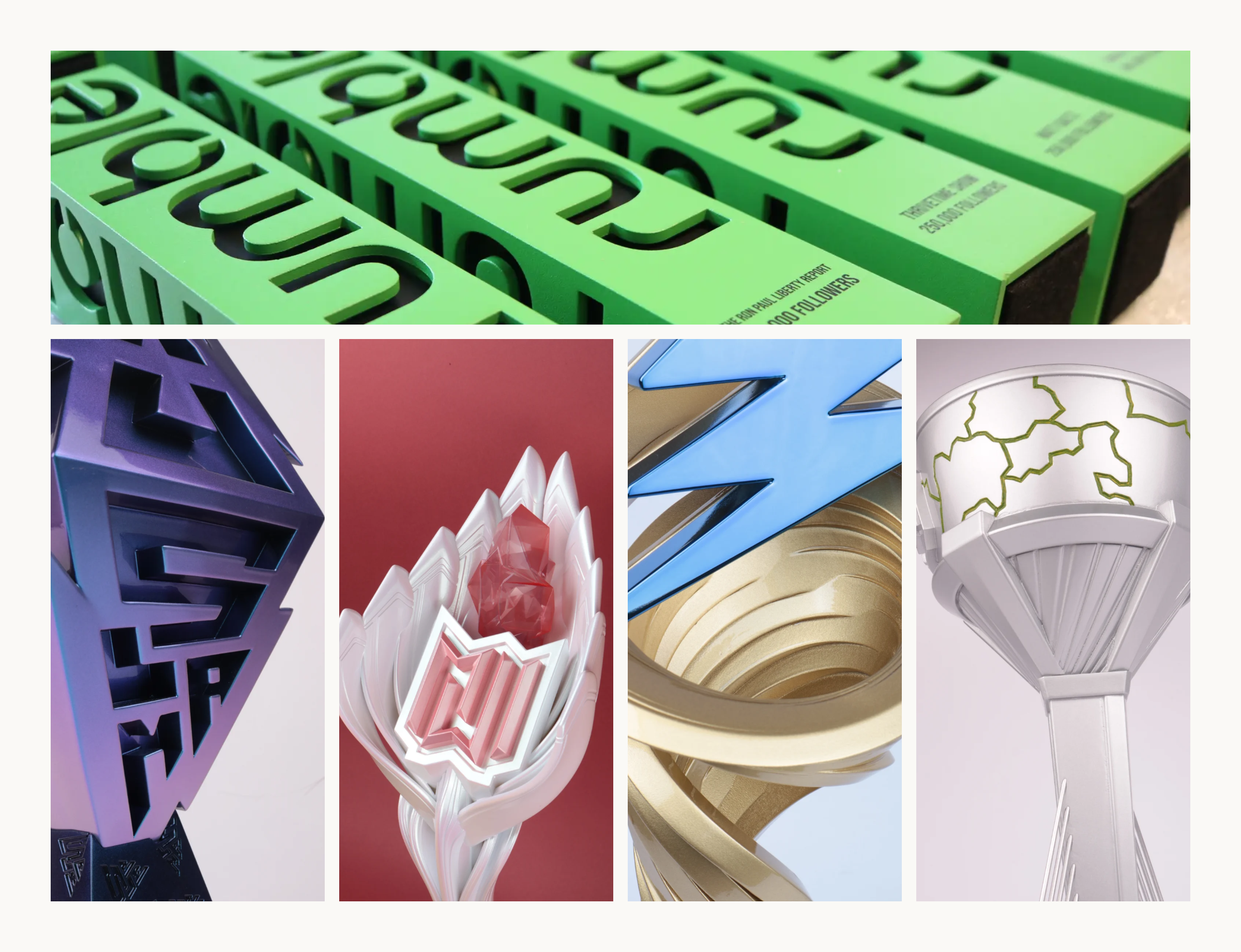
Legacy lucite production is limited by what can be cut and hand-assembled. By printing embedded components in-house, we produce geometry that would be impossible or prohibitively expensive to fabricate the old way: intricate skylines, faithful product replicas, layered logos with real dimension.
This is the core difference between Fabit and traditional lucite factories. We are not just casting acrylic around off-the-shelf parts. We are engineering the interior of the piece as deliberately as the exterior. Explore what that makes possible on our 3D printed trophy page.
Built for finance, built to last
Deal toys commemorate moments that matter: closings, IPOs, mergers, milestones. They sit on desks for decades and outlast the teams that earned them. That permanence is a design brief in itself, and it informs every stage above.
We work with banks, private equity firms, and advisory teams to create pieces that hold their meaning over time. See how we approach the sector on our financiën page, and browse the range on our trofeeën op maat service.
Veelgestelde vragen
How long does it take to make a lucite deal toy?
Timelines depend on complexity and quantity, but the embedment and curing stages cannot be rushed without risking clarity. We respond to every enquiry within 24 hours with a realistic schedule for your deadline.
Can you embed almost anything inside lucite?
Almost. Logos, coins, miniatures, product parts, and printed assets all embed well. Some materials and organics need testing first, which we handle during design so there are no surprises in the pour.
Is lucite the same as acrylic?
Yes. Lucite is a brand name for cast acrylic resin. In deal toys, the terms are used interchangeably to describe the clear material that encases the embedded elements.
Why do some lucite pieces look cheap?
Usually trapped air, poor edge finishing, or low-quality embedded components. Because acrylic magnifies every flaw, corners cut in production are impossible to hide later.
Offerte aanvragen
If you are commemorating a deal that deserves better than a stock block, we can help you engineer something bespoke and timeless. Fabit crafts in-house in Antwerp with worldwide delivery and a 24-hour response on every enquiry. Start your project at create.fabit3d.com or request a quote today.