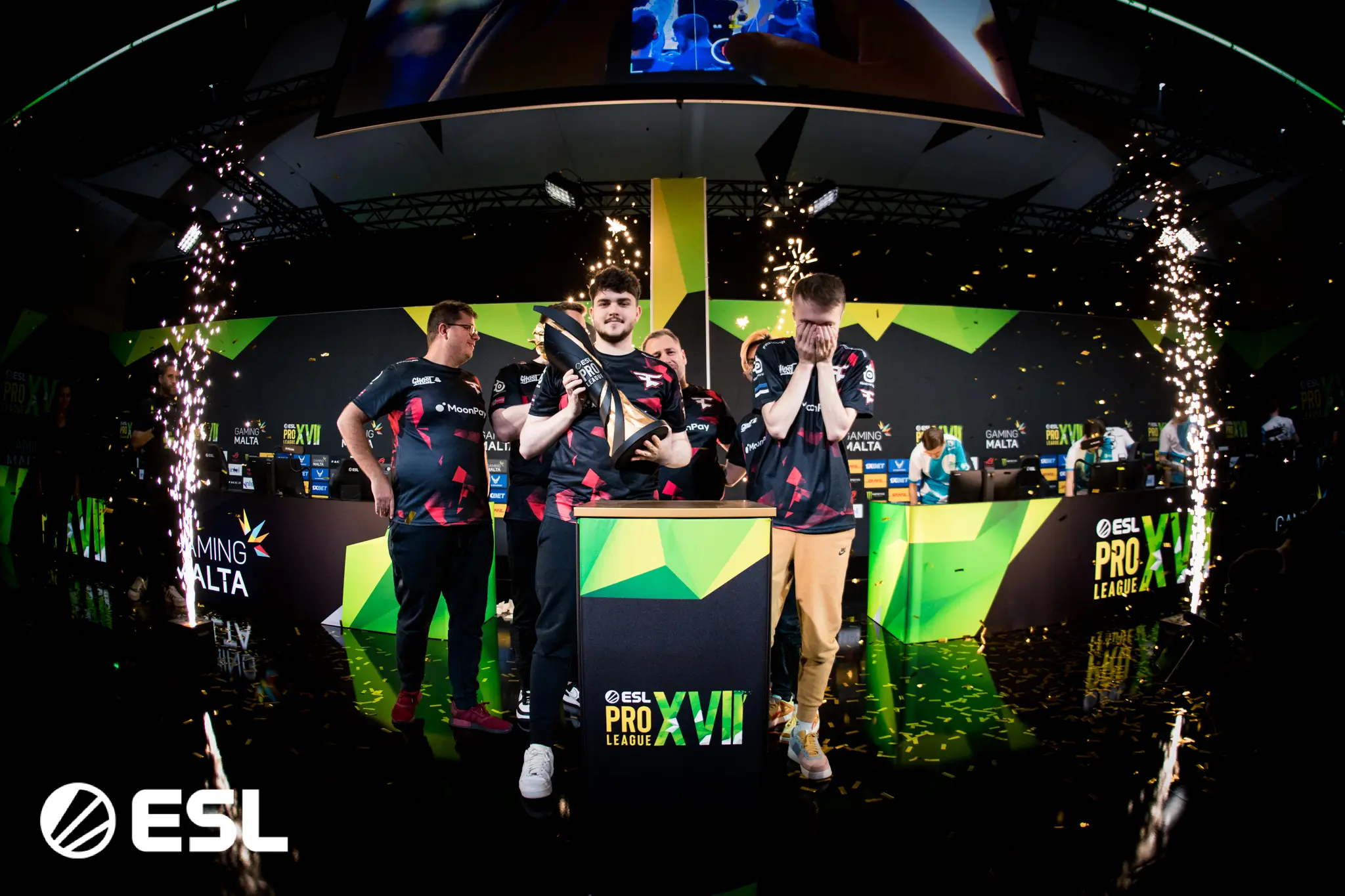
¿Qué es un trofeo hecho a medida y qué lo hace diferente de un premio estándar?
Un trofeo a medida es aquel que ha sido diseñado y producido específicamente para un único cliente, evento o propósito. A diferencia de los premios estándar que se seleccionan de un catálogo del fabricante y quizás se graban con un nombre o fecha, un trofeo a medida se crea desde cero para reflejar la identidad, los valores y el significado específicos de la ocasión para la que se encarga. Cada elemento del diseño es el producto de una toma de decisiones creativas deliberada en lugar de una selección entre opciones existentes.
Entender qué significa el término a medida en el contexto de los trofeos y los premios ayuda a las organizaciones a elegir el enfoque de encargo adecuado a sus necesidades. Este artículo explica qué distingue un premio a medida de otros formatos, cómo funciona el proceso a medida y cuándo es la opción adecuada.
Fabit
Trofeos personalizados, diseñados en 3D
Fabit diseña y produce trofeos totalmente personalizados para marcas y eventos globales. Diseño 3D, producción propia en Amberes y envío a todo el mundo, con respuesta en 24 horas.
Solicitar un presupuestoDescubra los trofeos personalizados →
The meaning of «bespoke» in British professional culture
The word bespoke has its roots in British craft tradition, specifically in the tailoring trade. A bespoke garment was one that had been «spoken for», commissioned to fit a specific individual rather than made to a standard pattern. The word carried connotations of craftsmanship, individualisation, and careful attention to the specific requirements of the client.
En el contexto de premios y trofeos, "bespoke" (hecho a medida) tiene el mismo significado esencial. Un trofeo hecho a medida ha sido diseñado en torno a un encargo específico y no puede ser replicado para otro cliente sin crear un nuevo diseño. Es intrínsecamente singular en su concepción, incluso si se producen múltiples copias físicas.
El término se ha vuelto ampliamente utilizado en contextos profesionales británicos y es bien entendido por los equipos de adquisiciones, los gerentes de eventos y los gerentes de marca en todo el Reino Unido. Señala un nivel de inversión e intención que distingue el encargo a medida de la compra de productos estándar.
Elsewhere, the same concept may be described as «custom», «fully custom», or «purpose-designed». The distinction being made is the same regardless of terminology: a piece that has been created specifically for this occasion rather than adapted from something that already exists.
¿Qué hace que un trofeo sea genuinamente hecho a medida?
La característica principal de un trofeo a medida es que su diseño se originó a partir de un encargo específico de un cliente específico. Un diseñador que trabaja en un encargo a medida comienza con una página en blanco en lugar de una plantilla. Cada decisión sobre forma, material, proporción y tratamiento de superficie se toma en respuesta al encargo en lugar de en respuesta al inventario existente.
Esto no significa que cada trofeo hecho a medida sea completamente diferente a todo lo que se ha hecho antes. Un buen diseño a menudo se basa en convenciones establecidas y lenguajes visuales. Lo que hace que un trofeo sea hecho a medida es el proceso de diseño, el hecho de que cada elemento ha sido considerado específicamente para este propósito, no necesariamente la novedad radical del resultado.
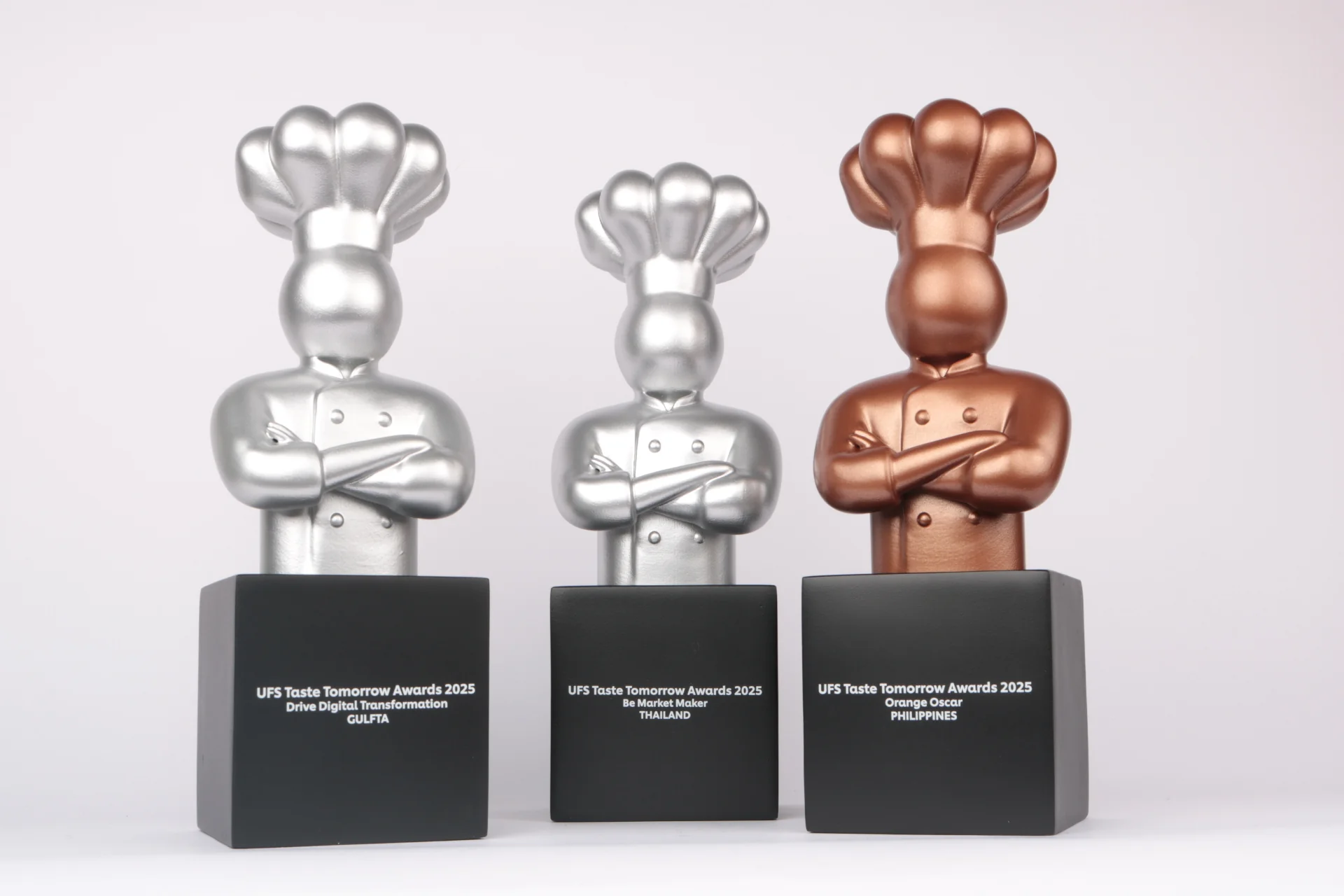
Un trofeo a medida suele incorporar elementos de diseño específicos del cliente o del evento: la identidad visual de la organización, símbolos relevantes para la industria u ocasión, materiales elegidos por su significado en el contexto, o una forma que haga referencia a la geografía o cultura de la organización que otorga el premio. Estos elementos no pueden transferirse a otro cliente sin perder completamente su significado.
La producción de un trofeo a medida suele implicar herramientas personalizadas, prototipos y un proceso de aprobación de diseño que no se requiere para los artículos de catálogo. Esto es parte de lo que hace que lo a medida sea más caro y requiera más tiempo que las alternativas de stock, y parte de lo que lo hace más valioso.
Cómo funciona el proceso de diseño a medida
Una comisión de trofeo a medida generalmente comienza con una conversación informativa en la que el cliente comparte el contexto del premio, la audiencia que lo recibirá, los valores que necesita comunicar y cualquier referencia visual o restricción que se aplique. Esta información se convierte en la base del trabajo de diseño que sigue.
El fabricante o equipo de diseño desarrolla los conceptos iniciales en respuesta al brief. Estos suelen presentarse como imágenes renderizadas o bocetos en lugar de objetos físicos en esta etapa temprana. El cliente revisa los conceptos y proporciona comentarios que dan forma a la siguiente iteración del diseño.
Pueden seguir múltiples rondas de desarrollo de diseño antes de confirmar una dirección. Una vez aprobado el diseño, normalmente se produce un prototipo físico. Esto permite a ambas partes evaluar la pieza en tres dimensiones antes de comprometerse con la producción completa. Los ajustes realizados en la etapa de prototipo evitan que los errores queden integrados en la tirada final.
La producción completa sigue la aprobación del prototipo. Para un trofeo a medida, esto puede implicar procesos de fundición, mecanizado, acabado manual y ensamblaje específicos del diseño. El resultado es una pieza que no podría haberse producido sin el trabajo de desarrollo personalizado que la precedió.
Trofeos a medida frente a trofeos de catálogo y semipersonalizados
Comprender el espectro de opciones entre totalmente a medida y totalmente estándar ayuda a las organizaciones a elegir el enfoque que mejor se adapte a su presupuesto y objetivos. Los trofeos de catálogo se fabrican con antelación a partir de diseños estándar y están disponibles para su compra inmediata. Suelen ser la opción más asequible y se pueden personalizar con grabados, pero el diseño en sí es fijo.
Los trofeos semipersonalizados se sitúan entre los de catálogo y los totalmente hechos a medida. Se basan en un marco de diseño existente, pero permiten una personalización significativa, un material diferente, un color personalizado, una proporción modificada o la adición de un elemento de diseño específico. El costo de desarrollo es menor que el de los totalmente hechos a medida, pero el resultado es más distintivo que el de un artículo de catálogo.
Completo trofeos personalizados a medida ofrecen el mayor grado de diferenciación y la más estrecha alineación entre el premio y la ocasión que representa. Requieren la mayor inversión de tiempo y presupuesto, pero producen un resultado verdaderamente único para la organización que los encarga.
La elección correcta depende de la importancia de la ocasión, el presupuesto disponible, el tiempo de entrega y el grado en que la distinción es importante. No todos los premios necesitan ser completamente a medida. Pero para eventos insignia, categorías prestigiosas u ocasiones en las que el trofeo será fotografiado, transmitido y asociado con la marca de una organización durante muchos años, la personalización suele ser la inversión más apropiada.
Usos comunes de los trofeos a medida en el Reino Unido
Los trofeos a medida son particularmente comunes en el Reino Unido para campeonatos deportivos, premios de la industria, programas de reconocimiento corporativo y producciones de medios de radiodifusión. Cada uno de estos contextos crea una demanda de premios que son visualmente distintivos y claramente asociados con el evento u organización específica que los presenta.
Los principales organismos deportivos del Reino Unido, ligas de fútbol, uniones de rugby, asociaciones de cricket y organizaciones de golf, encargan trofeos a medida para sus competiciones emblemáticas. Estas piezas se convierten en objetos icónicos tan asociados con el evento como la competición misma. El trofeo de la FA Cup y la urna de las Ashes son ejemplos extremos de esto, pero el principio se aplica a todos los niveles del deporte organizado.
La industria activa de premios del Reino Unido, que abarca los sectores de medios, propiedades, finanzas, tecnología, caridad y muchos otros, produce miles de premios hechos a medida cada año para eventos de reconocimiento sectoriales. Estas piezas necesitan reflejar la identidad específica del evento al tiempo que son lo suficientemente distintivas como para ser codiciadas por las organizaciones e individuos que compiten por ellas.
Los programas de reconocimiento corporativo en grandes organizaciones del Reino Unido encargan cada vez más piezas personalizadas para sus categorías más importantes. Un premio al empleado del año que parece un artículo de catálogo tiene un valor percibido menor que uno que ha sido diseñado específicamente para la empresa y la ocasión.
El papel de la identidad de marca en el diseño de trofeos a medida
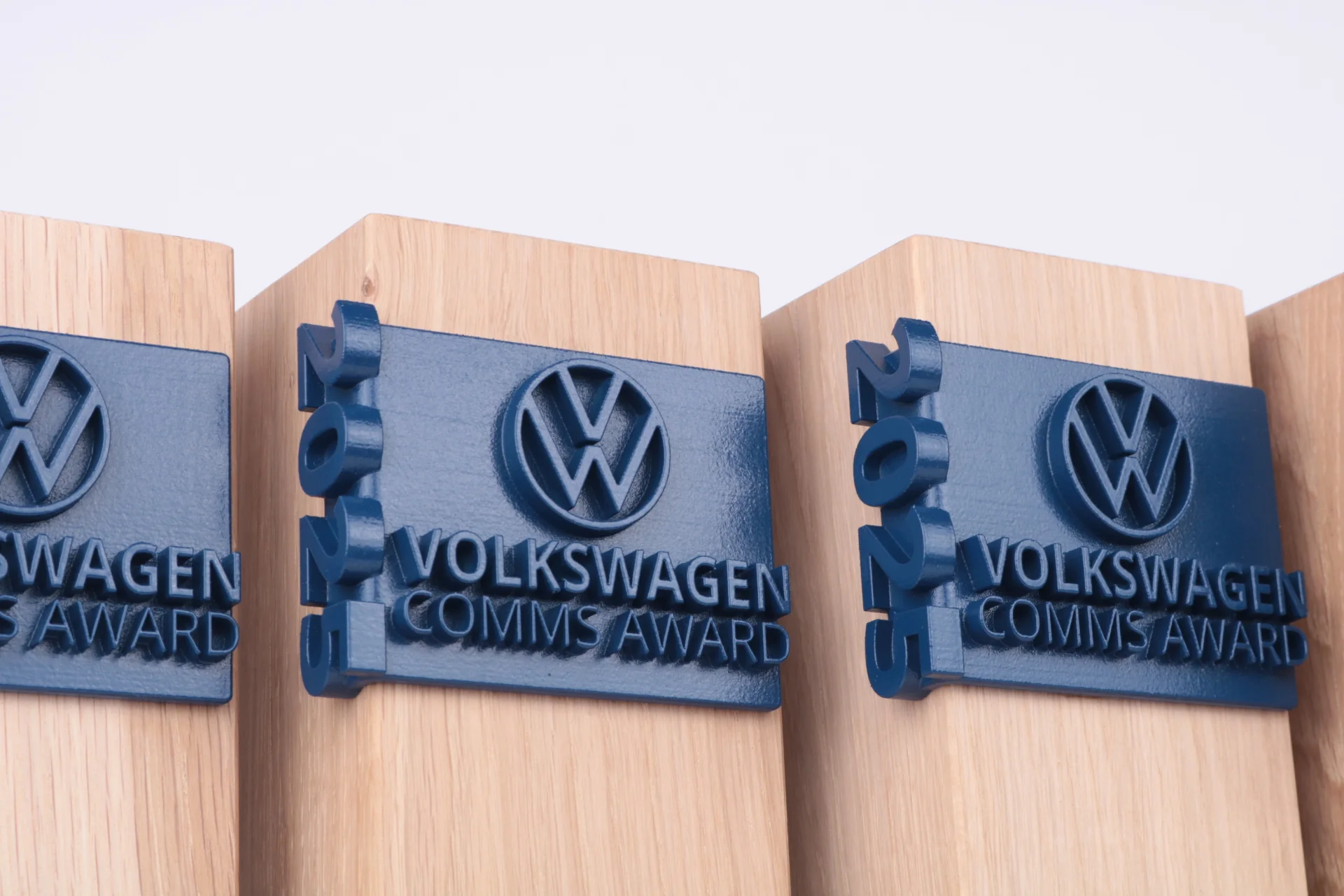
Muchas comisiones de trofeos a medida tienen una fuerte dimensión de identidad de marca. El logotipo, los colores, la tipografía y el lenguaje visual de la organización que otorga el premio deben incorporarse de una manera que se sienta intencional y resuelta en lugar de aplicada como una ocurrencia tardía. Este es un desafío de diseño que los trofeos de catálogo no pueden abordar.
Trabajar con las directrices de marca de una organización requiere que el fabricante comprenda y respete las reglas que rigen cómo se expresa la marca. La precisión del color, la calidad de reproducción del logotipo y las relaciones espaciales entre los elementos de la marca tienen especificaciones que deben respetarse en el material tridimensional.
Algunas organizaciones utilizan el diseño de trofeos a medida como una oportunidad para extender su identidad visual a un nuevo formato. El trofeo se convierte en una expresión tridimensional de la marca, aplicando los principios de diseño de la organización a un objeto físico de manera que refuerza la coherencia de la marca en diferentes puntos de contacto.
Para eventos que tienen su propia marca, en lugar de ser simplemente organizados por una entidad, el diseño del trofeo debe reflejar la identidad del evento en lugar de (o además de) la organización anfitriona. Comprender esta distinción al principio del brief evita un trabajo de diseño que resuelve el problema incorrecto.
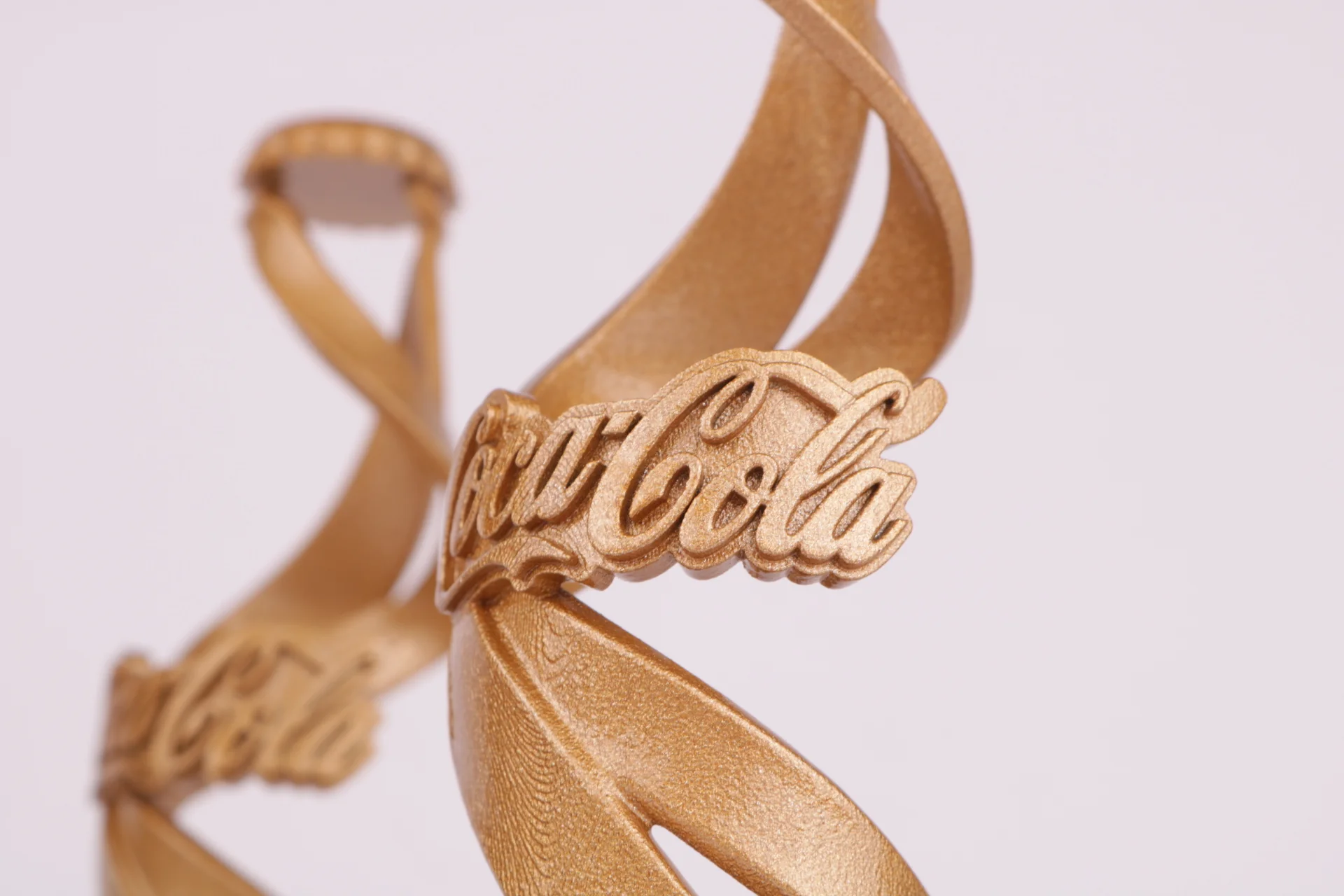
Materiales típicamente asociados con encargos a medida del Reino Unido
Las organizaciones del Reino Unido que encargan trofeos a medida tienden a favorecer materiales que comunican calidad y permanencia. Vidrio y cristal se mantienen fuertes preferencias, particularmente para premios del sector corporativo y financiero, donde la elegancia visual del material se alinea con las expectativas profesionales.
El metal, en acabados dorado, plateado y bronce, es el material dominante para los trofeos deportivos en la tradición del Reino Unido. Los trofeos en forma de copa, las estatuillas y las piezas metálicas de grandes dimensiones están profundamente arraigados en la cultura deportiva británica. Los encargos contemporáneos a medida a menudo reinterpretan esta tradición en lugar de apartarse completamente de ella.
Los materiales naturales como la madera, la pizarra y la piedra aparecen en el diseño de trofeos a medida del Reino Unido, a menudo en combinación con metal o vidrio. Estas combinaciones pueden crear piezas visualmente distintivas que se sienten arraigadas en la cultura material británica, al tiempo que son contemporáneas en su enfoque de diseño.
Acrílico se utiliza en encargos a medida cuando el presupuesto, el peso o los requisitos de diseño lo convierten en la opción más adecuada. El acrílico de primera calidad, mecanizado con tolerancias precisas y acabado de alto nivel, puede ser un material excelente para diseños geométricos contemporáneos donde la claridad y el color son elementos de diseño primarios.
¿Cuánto tiempo lleva una comisión a medida?
Los encargos de trofeos a medida requieren más tiempo que los pedidos de catálogo porque el proceso de diseño debe completarse antes de que pueda comenzar la producción. Un plazo realista para una pieza totalmente a medida, desde el encargo inicial hasta la entrega, suele ser de ocho a dieciséis semanas, dependiendo de la complejidad del diseño, el material seleccionado y el número de rondas de prototipos necesarias.
La fase de diseño suele durar entre dos y cuatro semanas para un brief directo con un cliente receptivo y un proceso de aprobación eficiente. Los briefs más complejos, o aquellos que involucran la aprobación de múltiples partes interesadas, pueden llevar considerablemente más tiempo. Los retrasos en el diseño son la causa más común de plazos prolongados en encargos personalizados.
La producción de prototipos añade de una a tres semanas dependiendo del método de fabricación. La revisión física del prototipo y los ajustes de diseño resultantes añaden tiempo adicional. Es importante tener en cuenta el tiempo de revisión en el calendario del cliente desde el principio, ya que los retrasos en la etapa de prototipo pueden tener un efecto dominó significativo en el cronograma de producción.
El tiempo de producción completo varía según el material y la complejidad. Para organizaciones con fechas de eventos fijas, es esencial encargarlo lo antes posible en el ciclo de planificación. Un plazo de tres meses entre el encargo y la fecha del evento es generalmente adecuado para la mayoría de los encargos personalizados; un plazo menor que este conlleva un riesgo creciente.
Trofeos a medida y propiedad intelectual
Un diseño de trofeo a medida es una obra de propiedad intelectual encargada. Los derechos de diseño de un trofeo a medida pueden recaer en el fabricante o en el cliente según los términos del acuerdo, y aclarar esto en la etapa de contratación es importante para las organizaciones que desean conservar el control del diseño para uso futuro.
Si la organización concedente desea reproducir el mismo diseño en años futuros, poseer los archivos de diseño o encargar réplicas a un fabricante diferente, debe asegurarse de que el acuerdo con el fabricante otorgue explícitamente estos derechos. Sin esta claridad, la reproducción del diseño en el futuro puede requerir negociación o un pago adicional.
El registro de diseños está disponible en el Reino Unido para diseños tridimensionales originales y puede proteger un trofeo personalizado de la reproducción por parte de terceros. Para los premios insignia que se asocian fuertemente con la marca de un evento, registrar el diseño brinda protección adicional a la inversión realizada en su desarrollo.
Ser claro sobre las expectativas de propiedad intelectual en el brief inicial, y confirmarlas en el acuerdo de producción, evita complicaciones que de otro modo solo surgirían si y cuando surgieran preguntas de reproducción o licencia.
Evaluación de las credenciales a medida de un fabricante
No todos los fabricantes de trofeos son igualmente capaces de ofrecer trabajos de diseño a medida de alta calidad. Es importante evaluar las credenciales de diseño a medida de un posible socio antes de encargar, especialmente para los premios insignia, donde el resultado se asociará públicamente con la marca de la organización.
Revise el portafolio del fabricante centrándose específicamente en la calidad y originalidad de su trabajo a medida. La capacidad de producción de catálogos dice poco sobre la habilidad de diseño a medida. Busque piezas que estén claramente diseñadas para un propósito específico y que demuestren una variedad de enfoques creativos en lugar de una repetición formulada de las mismas convenciones de diseño.
¿Cómo se gestiona el trabajo de diseño a medida? ¿El fabricante cuenta con diseñadores internos? ¿Trabajan con socios de diseño externos? ¿Cuántas rondas de revisión se incluyen en el precio cotizado? ¿Cómo se toman las decisiones sobre la dirección del diseño? Estas preguntas sobre el proceso revelan si el fabricante tiene una capacidad de diseño a medida genuina o si adaptan piezas de catálogo y describen el resultado como a medida.
Solicitar referencias a clientes para quienes se han completado encargos a medida. Hablar con clientes anteriores sobre su experiencia en el proceso de diseño, no solo sobre la calidad de la pieza terminada, le brinda la información más confiable sobre lo que implica trabajar con un fabricante en particular.
El valor perdurable de una pieza hecha a medida
Uno de los argumentos más importantes para la comisión a medida es el valor duradero que crea. Un trofeo que ha sido diseñado específicamente para una ocasión se asocia con esa ocasión de una manera que un artículo de catálogo no puede. Con el tiempo, a medida que el trofeo se presenta año tras año, acumula significado a través de la asociación.
Los destinatarios de un trofeo hecho a medida entienden, ya sea conscientemente o no, que se ha invertido tiempo y consideración en lo que han recibido. La pieza comunica que la organización que otorga el premio se toma el reconocimiento en serio, que el premio no es una ocurrencia tardía sino una expresión considerada del valor que se le da al logro que marca.
Para las organizaciones que otorgan premios regularmente, el trofeo a medida se convierte en parte de su identidad. Las decisiones de diseño tomadas al encargarlo reflejan los valores de la organización, su sensibilidad estética y su compromiso con la calidad. Estas asociaciones se construyen con el tiempo y contribuyen a la credibilidad del programa de reconocimiento en su conjunto.
La inversión inicial en diseño a medida, el costo y tiempo adicionales en comparación con las alternativas de catálogo.
Reconocimiento que vale la pena hacer bien
Un trofeo hecho a medida representa el compromiso de reconocer adecuadamente. Señala que la ocasión que se celebra es lo suficientemente importante como para merecer algo diseñado específicamente para ella, en lugar de algo elegido de un estante. Esa señal es recibida por los homenajeados, por el público presente en los eventos de premiación y por todos los que vean el trofeo expuesto posteriormente.
Las organizaciones que invierten en diseño a medida descubren constantemente que la calidad de su programa de reconocimiento se eleva de maneras que son difíciles de lograr por cualquier otro medio. El proceso de diseño en sí mismo es valioso, produce una pieza que refleja un pensamiento genuino, y esa reflexión se nota en el objeto terminado.