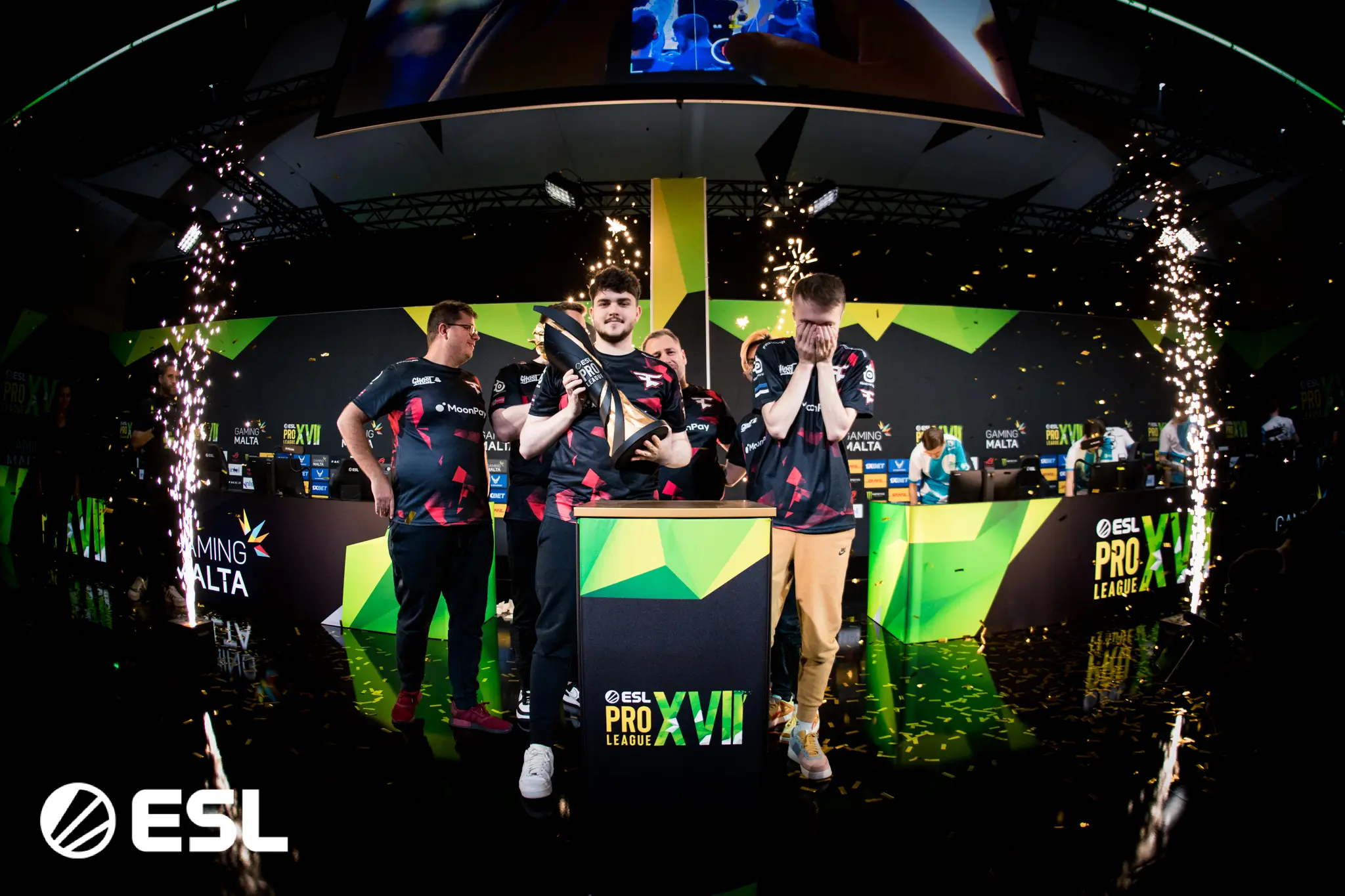
Un chaflán es una superficie plana e inclinada que sustituye a una arista viva de noventa grados, normalmente cortada a cuarenta y cinco grados, y que convierte una esquina dura en una transición limpia y facetada. En el diseño de trofeos y premios, un chaflán refina la silueta, capta la luz a lo largo de una línea nítida, suaviza el filo para una manipulación segura y da a la pieza un carácter preciso, técnico y premium.
El chaflán es uno de esos pequeños detalles que distinguen el diseño cuidado del casual. La mayoría de las personas nunca se fija conscientemente en un chaflán, pero notan su ausencia de inmediato, porque un borde sin chaflán parece en bruto y se siente inacabado. En Fabit, los chaflanes forman parte del vocabulario discreto de calidad que aplicamos a todos nuestros premios fabricados en Amberes.
Qué es un chaflán y de dónde viene
Un chaflán es un corte inclinado y simétrico en la esquina donde se unen dos superficies. En lugar de un filo vivo, se obtiene una pequeña faceta plana en ángulo entre las dos caras. La técnica procede de la metalurgia, la carpintería y la arquitectura, donde los chaflanes se han usado desde hace mucho para eliminar aristas peligrosas y dar definición visual a los elementos estructurales. La misma lógica se aplica de maravilla a los premios.
Un chaflán se define por su anchura y su ángulo. Un chaflán estrecho se lee como un refinamiento sutil. Un chaflán ancho se convierte en un rasgo facetado audaz por sí mismo. Ambos son decisiones de diseño legítimas según el carácter que se desee para el trofeo.
Por qué importan los chaflanes en el diseño de premios
Los chaflanes hacen tres cosas a la vez por un trofeo. Refinan el aspecto al introducir una línea nítida que capta la luz y se lee como precisión. Mejoran la seguridad y la durabilidad al eliminar los bordes afilados, quebradizos y propensos a astillarse. Y realzan sutilmente el valor percibido, porque los bordes facetados evocan el cristal tallado, el metal mecanizado y otras marcas de artesanía. En un premio corporativo que debe transmitir calidad, un chaflán bien medido hace mucho trabajo en silencio.
Cuando desarrollamos piezas dentro de nuestro servicio de trofeos personalizados, los chaflanes están entre las decisiones de acabado que tomamos con intención, adaptando el tratamiento del borde al lenguaje de diseño del conjunto.
Chaflán, redondeo y bisel
Estos tres términos se confunden a menudo, así que conviene aclararlos. Un chaflán es una faceta plana e inclinada, normalmente simétrica. Un redondeo es una transición curva en lugar de plana. Un bisel también es una superficie inclinada, pero el término suele implicar una pendiente a lo largo de todo un borde o cara con un ángulo distinto de noventa grados, a menudo por razones funcionales. En la práctica, un chaflán es el pequeño primo simétrico de cuarenta y cinco grados del bisel más amplio, mientras que el redondeo es la alternativa suavizada. Elegir entre ellos determina si un trofeo se siente afilado y preciso o suave y cercano.
El efecto facetado, como de joya
Varios chaflanes en una forma crean facetas, y las facetas se comportan como los cortes de una gema. Cada superficie plana refleja la luz desde un ángulo ligeramente distinto, de modo que un trofeo achaflanado centellea y cambia a medida que el observador se mueve. Esto es especialmente llamativo en materiales reflectantes y es una de las razones por las que los chaflanes aparecen tanto en el diseño de premios premium. A menudo usamos el achaflanado para dar vida óptica a una forma geométrica por lo demás sencilla.
Chaflanes en el diseño digital y la producción

En nuestro flujo de trabajo 3D propio, los chaflanes se aplican con precisión y coherencia, algo mucho más difícil de garantizar con un acabado puramente manual. Podemos especificar una anchura exacta de chaflán en todo un borde, previsualizar cómo capta la luz y asegurar que todas las piezas de una edición coincidan. Tanto si un trofeo se imprime en 3D, se funde o se mecaniza, el chaflán se integra primero en el modelo digital. Puede explorar cómo los tratamientos de borde cambian una forma con nuestro herramienta de diseño en línea.
Decisiones prácticas sobre el chaflán
- Qué anchura debe tener el chaflán en relación con el tamaño total de la pieza
- Si conviene un solo chaflán nítido o una serie de facetas para el diseño
- Cómo interactúa el ángulo del chaflán con el material y el acabado elegidos
- Dónde los chaflanes mejoran la seguridad al eliminar esquinas vulnerables y afiladas
- Cómo se leerán los bordes achaflanados bajo la iluminación de la ceremonia
- Si los chaflanes deben alinearse con la simetría de toda la forma
Chaflanes y comportamiento del material
Los distintos materiales responden de forma diferente al achaflanado. Los chaflanes en metal se pueden pulir hasta lograr una línea brillante y reflectante. Los chaflanes en resina y polímero impreso dan facetas limpias, mates o brillantes. El acrílico y los materiales similares al vidrio usan los chaflanes para doblar y proyectar la luz. Consulte guía de materiales para ver cómo responde cada sustrato al detalle de los bordes, de modo que la elección del chaflán apoye la elección del material.
Cuándo no achaflanar
Un chaflán no siempre es la respuesta correcta. Algunos diseños piden la suavidad de un redondeo, y otros un borde genuinamente afilado para transmitir severidad o precisión. Parte de nuestra labor de asesoramiento es saber cuándo un chaflán refinaría en exceso una pieza o chocaría con el tono previsto. El objetivo es siempre la coherencia, no la decoración por la decoración.
Preguntas más frecuentes
¿Un chaflán es meramente decorativo?
No. También elimina bordes afilados y frágiles, lo que mejora la durabilidad y la seguridad al manipular la pieza, algo importante en premios que se envían a todo el mundo.
¿Cuál es la diferencia entre un chaflán y un bisel?
Un chaflán suele ser una pequeña faceta simétrica a cuarenta y cinco grados, mientras que un bisel es una superficie inclinada más amplia. En el uso cotidiano, los términos se solapan.
¿Se pueden añadir chaflanes a cualquier forma de trofeo?
La mayoría de las formas geométricas y muchas orgánicas admiten bien los chaflanes. Evaluamos la idoneidad durante el diseño y asesoramos en consecuencia.
¿Los chaflanes aumentan el coste?
El impacto suele ser menor, porque van integrados en el modelo digital. Respondemos en 24 horas para hablar de su pieza concreta.
Términos relacionados