A spin-off is a corporate transaction in which a parent company separates part of its business, typically a division, subsidiary, or product line, into a new, independent company, distributing shares in that new entity to its existing shareholders. The result is two distinct listed companies where there was once one. Shareholders end up owning stakes in both the parent and the newly independent business, in proportion to their original holding. A spin-off is a form of demerger, and it is one of the principal tools companies use to unlock value that the market may not fully recognise while the business remains bundled inside a larger group.
How a spin-off is executed
In a classic spin-off, the parent company allocates the assets, liabilities, employees, and contracts of the target business into a separate legal entity. It then distributes shares of that entity to its own shareholders, usually on a pro rata basis and often in a tax-efficient manner where the rules allow. No cash typically changes hands with shareholders; they simply receive new shares in the spun-off company alongside their existing ones. The new company lists independently, with its own board, management, and strategy.
Variations exist. In a carve-out, the parent first sells a minority stake in the subsidiary to the public through an IPO, retaining control, and may spin off the remainder later. In a split-off, shareholders choose whether to exchange parent shares for subsidiary shares, rather than receiving them automatically. Each structure serves different strategic and tax objectives.
Why companies pursue spin-offs
The central rationale is focus and value. Large conglomerates sometimes trade at a discount, because investors struggle to value a collection of unrelated businesses, a phenomenon known as the conglomerate discount. By separating a division, both the parent and the new company can present a cleaner investment story, attract investors who want pure exposure to one activity, and give management sharper accountability. A high-growth unit freed from a slower parent may command a richer valuation on its own, while the parent may refocus on its core.
Independence and standing up a new company
A spin-off is operationally demanding. The new company must establish its own finance, legal, HR, and technology functions, or negotiate transitional service agreements with the parent to provide them temporarily. It must adopt a capital structure, appoint a board, and communicate a strategy to investors who have never evaluated it as a standalone entity. The teams who accomplish this in the months around separation carry an enormous workload, and the successful debut of the new company is a genuine achievement.
Market reception and long-term performance
Markets often respond well to spin-offs over time, and academic studies have found that spun-off companies frequently outperform in the years after separation, freed to pursue their own strategies. The immediate reaction depends on how clearly the rationale is communicated and how well the new company is capitalised. Either way, the separation is a decisive moment in the history of both businesses.
Commemorating a spin-off with a deal toy
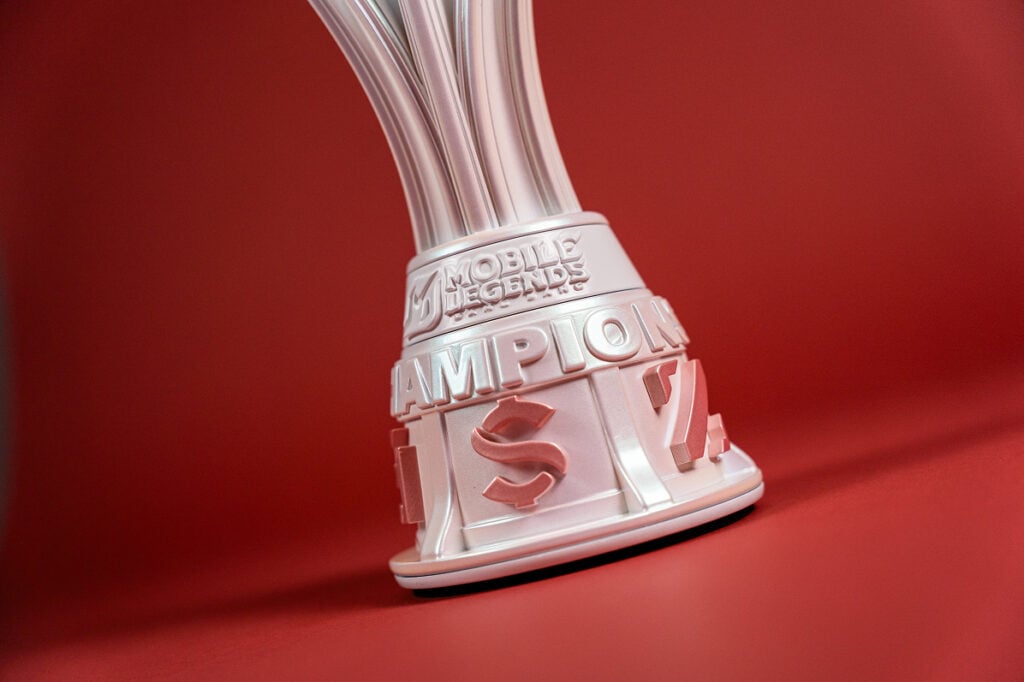
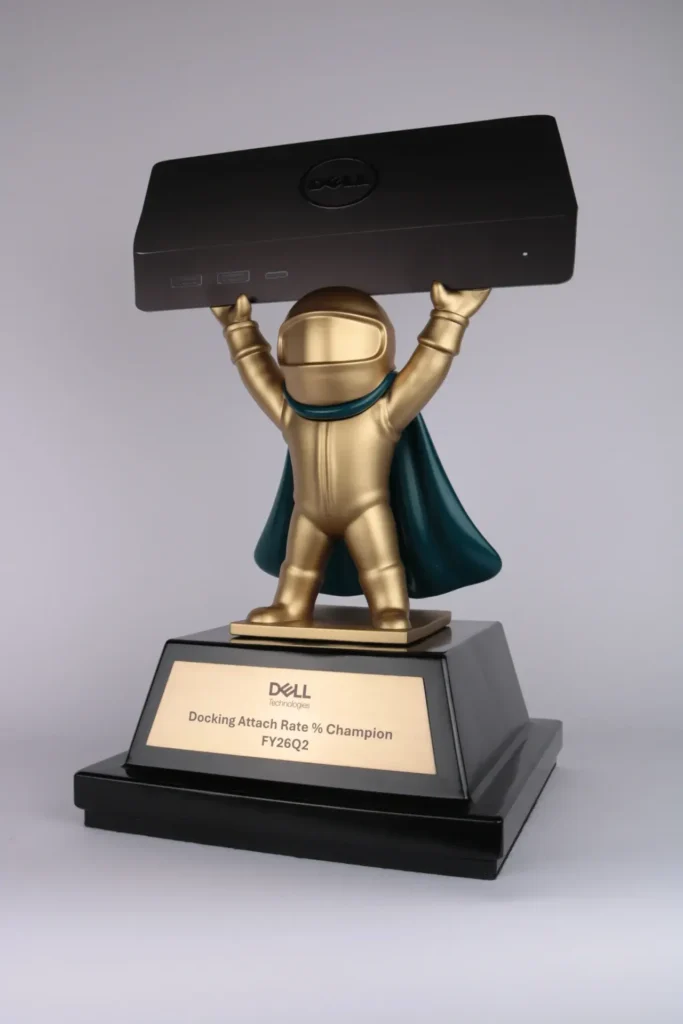
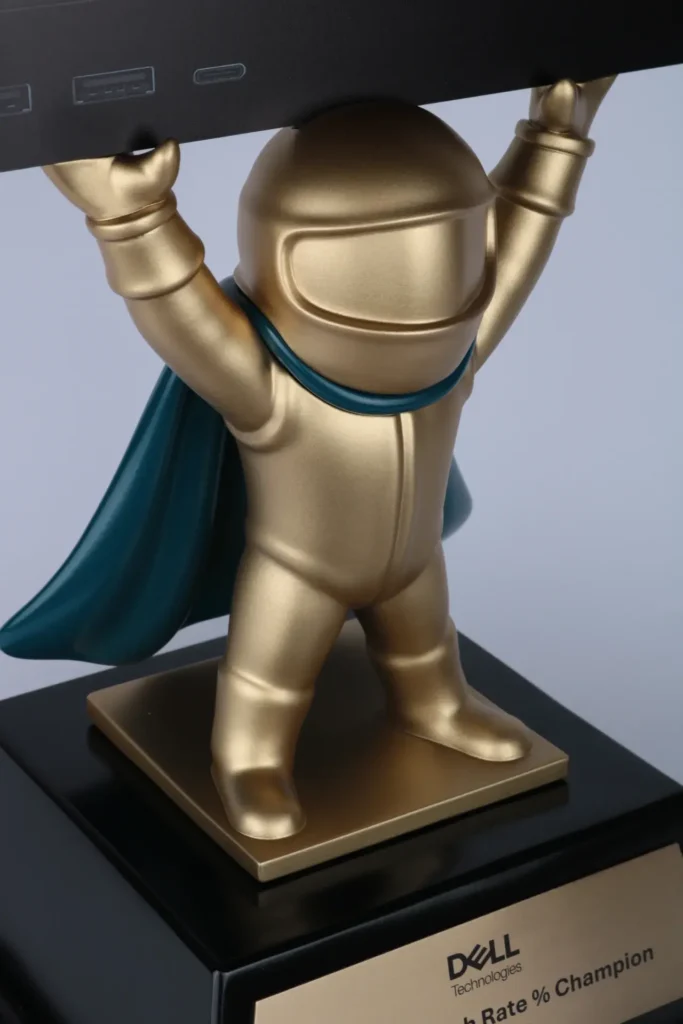
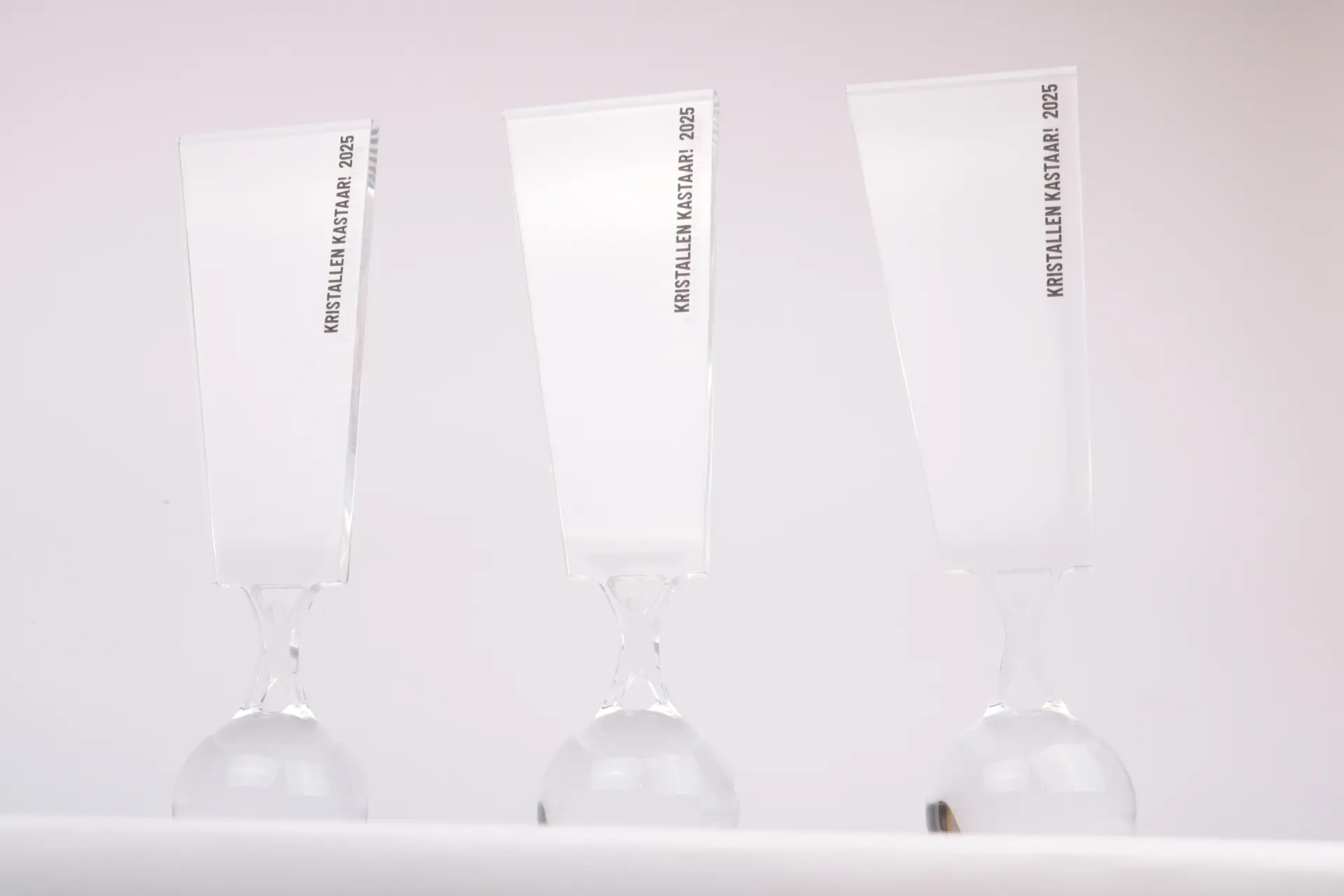
A spin-off marks a birth, a new independent company stepping into the market, and a transformation of the parent. It is a natural occasion for a deal toy, and it invites especially creative commemoration because the object can symbolise separation and new beginnings at once. A spin-off tombstone captures the new company’s identity, its listing details, and the moment it became independent, a keepsake for the leaders and advisers who guided the separation.
At Fabit we produce these commemorative pieces in-house in Antwerp, blending 3D modelling, metalwork, and craft. A spin-off deal toy might depict two forms parting, a single object dividing, or the new company emerging as its own emblem. Because the story is one of independence and focus, the object can be both elegant and expressive. Explore our approach to corporate milestones on the finance industry page, and view the craftsmanship on our custom trophies service.
- A parent separates a division into a new company
- Shareholders receive shares in the spun-off entity
- The new company lists and operates independently
- The structure can be a spin-off, carve-out, or split-off
- Separation aims to unlock value and sharpen focus
- The debut is marked with a bespoke deal toy
Designing a spin-off tombstone
The narrative of separation gives a spin-off deal toy real design potential. We often explore forms that divide or that show a new shape emerging, symbolising independence without losing the connection to the parent’s heritage. Because both the parent’s advisers and the new company’s team may receive pieces, we sometimes design complementary versions for each side. Our in-house production keeps a larger, split run perfectly consistent. Begin your concept through our online design studio, where the collaborative sketch stage brings the idea to life before manufacture.
الأسئلة المتداولة
Do shareholders pay for the shares they receive in a spin-off? Usually not. In a classic spin-off, shares of the new company are distributed to existing shareholders, often on a tax-efficient basis where rules permit.
What is the difference between a spin-off and a carve-out? A carve-out sells a minority stake in the subsidiary to the public first, while a spin-off distributes the subsidiary’s shares directly to existing shareholders.
Can the deal toy represent both the parent and the new company? Yes. We can design forms that symbolise separation and create complementary pieces for both sides of the transaction.
How quickly can you start? We respond within twenty-four hours and align production with your separation date and any celebration.
Related terms