

كيف تطلب جوائز مخصصة لشركتك دون تخمين
إن معرفة كيفية طلب جوائز مخصصة لشركتك أكثر تعقيداً من إجراء عملية شراء عادية لمنتج جاهز. فالجوائز المصممة خصيصاً تتطلب قرارات تصميمية ومهل إنتاج وتنسيقاً مع المورّد، وهو ما لا تواجهه معظم فرق المشتريات إلا بضع مرات في السنة. والخطأ في هذه العملية يؤدي إلى تأخير أو تكاليف غير متوقعة أو قطع لا تلبي التوقعات.
يغطي هذا الدليل عملية الطلب من البداية إلى النهاية، بما في ذلك ما ينبغي إعداده قبل التواصل مع الشركة المصنّعة، وكيفية تقييم عروض الأسعار، وكيفية إدارة مرحلتي الاعتماد والإنتاج بكفاءة. والهدف إزالة الغموض عن عملية هي في الواقع مباشرة بمجرد أن تعرف خطواتها.
فابيت
جوائز التقدير التي يحتفظ بها فريقك
تصمم Fabit وتنتج جوائز تقديرية مخصصة للبرامج المؤسسية، بدءاً من جائزة موظف العام وحتى جوائز الخدمة الطويلة. إنتاج داخلي، وجودة ثابتة بأي كمية.
حدّد ما تحتاج إليه قبل أن تبدأ
أكثر الأخطاء شيوعاً في طلب الجوائز المخصصة بدء الحديث مع الشركة المصنّعة قبل تحقيق التوافق الداخلي. فقبل التواصل، تحتاج إلى اتفاق على بضعة أسئلة أساسية: ما الغرض من الجائزة؟ كم عدد القطع المطلوبة؟ ما الميزانية؟ ومتى يجب أن تُسلَّم؟
تبدو هذه الأسئلة الأربعة بسيطة، لكنها كثيراً ما تكشف خلافات أو فجوات داخل مؤسستك. فمنظمو الفعاليات وفرق الموارد البشرية والإدارات المالية قد تكون لكل منها أولويات مختلفة. وحسم هذه الأمور داخلياً يوفر الوقت ويمنع تغييرات النطاق في منتصف المشروع التي تضيف تكلفة وتأخيراً.
تحتاج أيضاً إلى تصور عمّن سيتلقى الجوائز وما ينبغي أن تعبّر عنه لهم. فجائزة سنوات الخدمة لموظف متقاعد لها تبعات تصميمية مختلفة عن كأس أداء المبيعات التي تُقدَّم في مؤتمر وطني. وسياق المتلقي هو ما يشكّل الموجز.
وإذا كانت هناك إرشادات للعلامة التجارية تنطبق، مثل لوحة الألوان واستخدام الشعار والخطوط، فاجمع هذه المواد قبل التواصل مع الموردين. فبعض الشركات لديها معايير صارمة للهوية البصرية يجب أن تنعكس في أي جائزة تحمل علامتها. ووجود هذه المواد في متناول اليد منذ البداية يسرّع مرحلة التصميم كثيراً.
حدّد ميزانية واقعية قبل طلب عروض الأسعار
تتفاوت ميزانيات الجوائز تفاوتاً كبيراً بحسب المواد والتعقيد والكمية. وتحديد نطاق للميزانية قبل طلب العروض يتيح للموردين اقتراح ما هو واقعي بدلاً من تقديم تصور لا تستطيع تحمله.
تنخفض تكلفة الوحدة للجوائز المخصصة عادةً مع زيادة الكمية. فإنتاج خمسين قطعة متطابقة تكون تكلفة الوحدة فيه أقل من إنتاج خمس قطع، لكن الاستثمار الإجمالي أعلى. وفهم هذه الديناميكية يساعدك على اتخاذ قرار أكثر وعياً بشأن كيفية هيكلة برنامج جوائزك.
لا تخصص الميزانية للكأس وحدها. فالتغليف والنقش أو التخصيص والشحن وأي رسوم استيراد منطبقة كلها تضاف إلى التكلفة الإجمالية. وقد تقارب تكلفة صندوق فاخر يحمل العلامة التجارية مع حشوة إسفنجية مخصصة تكلفة الجائزة التي يحويها، خصوصاً في القطع الفاخرة.
يضيف الإنتاج المستعجل تكلفة كبيرة إلى كل مرحلة تقريباً من العملية. وإذا كنت تحتاج إلى الجوائز في وقت أقصر من المعتاد، فتوقّع علاوة تتراوح بين 20 و50 بالمئة. والنهج الأكثر أماناً هو إتاحة مهلة كافية في تخطيطك بحيث لا تنطبق رسوم الاستعجال أبداً.
ابحث عن الموردين وضع قائمة مختصرة بعناية
ليست كل شركات تصنيع الجوائز تقدم القدرات نفسها. فبعضها متخصص في جوائز بكميات كبيرة وبصيغ قياسية مع تخصيص محدود. وتركّز أخرى على التصميم والإنتاج المخصصين بالكامل لعملاء ذوي متطلبات عالية. وتحديد الفئة التي تحتاج إليها قبل التواصل مع الموردين يجنّبك إضاعة الوقت في محادثات غير مناسبة.
تفحّص معارض الأعمال بعناية. فما تعرضه الشركة المصنّعة علناً يعكس أفضل ما تجيده. وإذا كنت تحتاج إلى كؤوس مخصصة ذات أشكال معقدة أو مواد محددة، فابحث في معرضها عن أمثلة تُظهر هذه القدرات، لا عن إنتاج الجوائز العام فقط.
مراجع العملاء ودراسات الحالة مفيدة متى توفرت. وتعد فعاليات القطاع وحفلات الجوائز أماكن جيدة لمعاينة جودة الجوائز بنفسك. فإذا أنتجت شركة مصنّعة جائزة لفعالية حضرتها، يمكنك تقييم القطعة الفعلية بدلاً من صورة فوتوغرافية.
اختر من ثلاثة إلى خمسة موردين وأرسل إليهم موجزاً متطابقاً. فمقارنة الردود على قدم المساواة تمنحك رؤية أوضح لنهج كل مورّد وهيكل تسعيره وأسلوب تواصله. وطريقة استجابة المورّد للموجز تخبرك الكثير عن كيفية تعامله بوصفه شريك إنتاج.
اكتب موجزاً يمنح الموردين كل ما يحتاجون إليه
الموجز القوي هو أهم وثيقة في عملية الطلب. فهو يمنح الموردين المعلومات اللازمة لاقتراح ما يناسب وتسعيره بدقة. أما الموجز الضعيف فينتج عروض أسعار غير قابلة للمقارنة ومفاهيم تخطئ الهدف.
ينبغي أن يغطي موجزك الغرض من الجائزة، وملف المتلقي، وأي إرشادات للعلامة التجارية تنطبق، وتفضيلات الحجم والوزن التقريبية، والمواد المفضلة إن كانت لديك آراء بشأنها، والكمية، ومتطلبات التخصيص، وتوقعات التغليف، وموقع التسليم، والموعد النهائي. وليست هذه وثيقة طويلة، لكنها تغطي جميع المتغيرات الحاسمة.
أرفق مراجع بصرية. وإذا كانت هناك جوائز لمؤسسات أخرى تعجبك، فأرفق صورها. وإذا كانت هناك أساليب بصرية تريد تجنبها، فأرفقها أيضاً. فالمراجع تقلل الغموض أكثر بكثير من الوصف الكلامي وحده.
كن واضحاً بشأن المتطلبات الثابتة وتلك المتروكة لتوصية المورّد. فالقول إن الميزانية ثابتة لكن المادة مرنة يدعو إلى مقترحات أكثر إبداعاً. أما القول إن كليهما ثابت فيمنح الموردين معايير واضحة للعمل ضمنها. وكلا النهجين صحيح، والمهم أن تكون صريحاً.
قيّم العروض بما يتجاوز السعر وحده
عند وصول العروض، قاوم إغراء الاختيار بناءً على السعر فقط. فقد يعكس أقل عرض اختصارات في المواد أو جودة التشطيب أو عمليات الإنتاج، وستظهر في القطعة النهائية. قارن العروض عبر عدة أبعاد: جودة التصميم ومواصفات المواد والجدول الزمني للإنتاج وسياسة المراجعة وسرعة الاستجابة في التواصل.
اسأل كل مورّد عما يشمله السعر المعروض وما لا يشمله. فجولات المراجعة والنماذج الأولية ورسوم الإعداد مجالات شائعة تتباين فيها الأسعار المعروضة تبايناً كبيراً. وقد يكون عرض يشمل جولتين من النماذج الأولية أفضل قيمة من عرض أقل سعراً يحتسب كل مراجعة بشكل منفصل.
شروط الدفع مهمة، خصوصاً للطلبات الكبيرة. وتقتضي الممارسة المعتادة في قطاع الجوائز عادةً دفع عربون عند تأكيد الطلب ودفع الرصيد عند التسليم أو قبل الشحن. احذر من الموردين الذين يشترطون الدفع الكامل مقدماً دون مرحلة نموذج أولي.
تحقق مما إذا كان المورّد يحمل تغطية تأمينية للمسؤولية المهنية أو مسؤولية المنتج. ففي الفعاليات الكبيرة التي تشكّل فيها الجوائز جزءاً محورياً من المناسبة، تكون تبعات أخطاء الإنتاج أو الإخفاق في التسليم كبيرة. والعمل مع مورّد مؤمَّن بشكل كافٍ هو من أساسيات إدارة المخاطر.
أكّد التصميم قبل بدء الإنتاج
بعد اختيار المورّد تبدأ مرحلة التصميم. وهنا تحدث معظم التأخيرات. فاعتماد التصميم يتطلب أن يراجع الأشخاص المناسبون المفاهيم في الوقت المناسب، وليس من السهل دائماً تنسيق ذلك في المؤسسات الكبيرة.
عيّن نقطة اتصال واحدة من جانبك لاعتماد التصميم. فتعدد أصحاب المصلحة الذين يرسلون ملاحظات متضاربة يسبب ارتباكاً وتأخيراً. وأن يتولى شخص واحد جمع الملاحظات وتوحيدها ونقلها إلى المورّد أكثر كفاءة بكثير.
كن محدداً في ملاحظاتك التصميمية. فعبارة “أرى أنها تحتاج إلى أن تبدو أكثر فخامة” لا تمنح المصمم ما يعمل عليه. أما “تبدو القاعدة خفيفة جداً مقارنة بالجسم، فهل يمكن زيادة وزنها وعرضها بنحو 20 بالمئة؟” فهي ملاحظة قابلة للتنفيذ. والملاحظات المحددة تنتج نتائج أفضل وأسرع.
عند الوصول إلى تصميم ترضى عنه، أكّد الاعتماد كتابةً. ويكفي البريد الإلكتروني. فالسجل المكتوب لما تم اعتماده، مع صور المراجع، يحميك إذا اختلف المنتج النهائي عمّا اتُّفق عليه. كما يحمي المورّد من توسع النطاق أثناء الإنتاج.
افهم الجدول الزمني للإنتاج
ينطوي إنتاج الجوائز المخصصة على عدة مراحل متتالية، لكل منها متطلباته الزمنية. فالتجهيز والصب أو التشغيل الآلي وتشطيب السطح وفحص الجودة والتخصيص والتغليف كلها تستغرق وقتاً. وفهم هذا التسلسل يساعدك على تقييم مدى واقعية الجدول الزمني المقترح.
ستقدم معظم الشركات المصنّعة ذات السمعة الجيدة جدول إنتاج عند تأكيد الطلب. وهو يحدد عادةً كل مرحلة مع مواعيد الإنجاز المستهدفة. راجع هذا الجدول وسجّل المراحل الرئيسية، خصوصاً موعد اعتماد النموذج الأولي وموعد الشحن النهائي.
وتؤثر موافقاتك الداخلية على الجدول الزمني بقدر تأثير عملية الإنتاج نفسها. فإذا كان فريق التصميم أو الإدارة القانونية لديك يحتاج إلى الموافقة على العمل الفني، فضع ذلك في حسبانك عند التخطيط. وتتأخر مشاريع كثيرة لا بسبب تأخر التصنيع بل بسبب بطء الموافقات الداخلية.
أبلغ المورّد بتاريخ فعاليتك منذ البداية، لا بموعد التسليم فحسب. فإذا فهم المورّد أن الجائزة ستُقدَّم في مؤتمر في تاريخ محدد، فسينبّه إلى مخاطر تهدد هذا التاريخ استباقياً بدلاً من أن يعتبر التسليم القيد الوحيد.

راجع النموذج الأولي أو العينة واعتمده
بالنسبة إلى الطلبات الكبيرة، يُعد الإصرار على نموذج أولي مادي قبل الإنتاج الكامل ممارسة معتادة ومالاً في موضعه. فالنموذج الأولي يكشف مشكلات في النسب والوزن والتشطيب والبناء لا تظهر في العروض الرقمية أو النماذج المرئية.
عند وصول النموذج الأولي، قيّمه بشكل منهجي. قارنه بموجز التصميم المعتمد. افحص الأبعاد والوزن واتساق التشطيب وأي تخصيص. وإذا كان النقش أو الطباعة مشمولاً، فقيّم وضوح القراءة وموضع النص. وانظر إلى القطعة في ظروف إضاءة مختلفة، فتشطيبات الأسطح تتصرف بشكل مختلف في البيئات المختلفة.
وثّق تقييمك كتابةً. وإذا كانت هناك تعديلات مطلوبة، فاذكرها بوضوح وتحديد. وإذا لبّى النموذج الأولي متطلباتك، فأكّد الاعتماد كتابةً قبل التصريح بالإنتاج الكامل. وهذا يحمي الطرفين وينشئ سجلاً مشتركاً لا لبس فيه.
بالنسبة إلى الطلبات الأكبر، من المعقول أن تطلب رؤية أكثر من وحدة نموذج أولي واحدة. فالاتساق بين الوحدات مؤشر رئيسي على الجودة. وإذا اختلف نموذجان أوليان عن بعضهما بشكل ملحوظ، فهذا تحذير بشأن ضبط عملية الإنتاج.
أدر التخصيص بعناية
التخصيص، أي نقش أسماء المتلقين والتواريخ والفئات، هو في الغالب المرحلة الأخيرة من الإنتاج، والأخطاء في هذه المرحلة مكلفة وأحياناً لا رجعة فيها. وإدارة التخصيص بعناية تمنع مشكلات اللحظة الأخيرة.
زوّد الشركة المصنّعة ببيانات التخصيص بصيغة منظمة ومتفق عليها. والمعتاد جدول بيانات بأعمدة موسومة بوضوح لكل معلومة. وتأكد من المورّد كيف يريد تسلّم البيانات، بما في ذلك حدود عدد الأحرف وقواعد التنسيق وأي قواعد مفضلة لتسمية الملفات.
أضف خطوة تدقيق لغوي قبل تقديم البيانات للإنتاج. فالأخطاء الإملائية في الأسماء المنقوشة يصعب تصحيحها وتسيء إلى المؤسسة المانحة. اجعل شخصين على الأقل يراجعان ملف البيانات النهائي قبل إرساله.
اطلب من المورّد تأكيد استلام بيانات التخصيص ومعالجتها. ففي الفعاليات التي تضم متلقين وفئات متعددة، يمنحك تأكيد استلام جميع البيانات وجاهزيتها للإنتاج ثقة بأنه لم يفتك شيء.
خطط للتغليف والتسليم
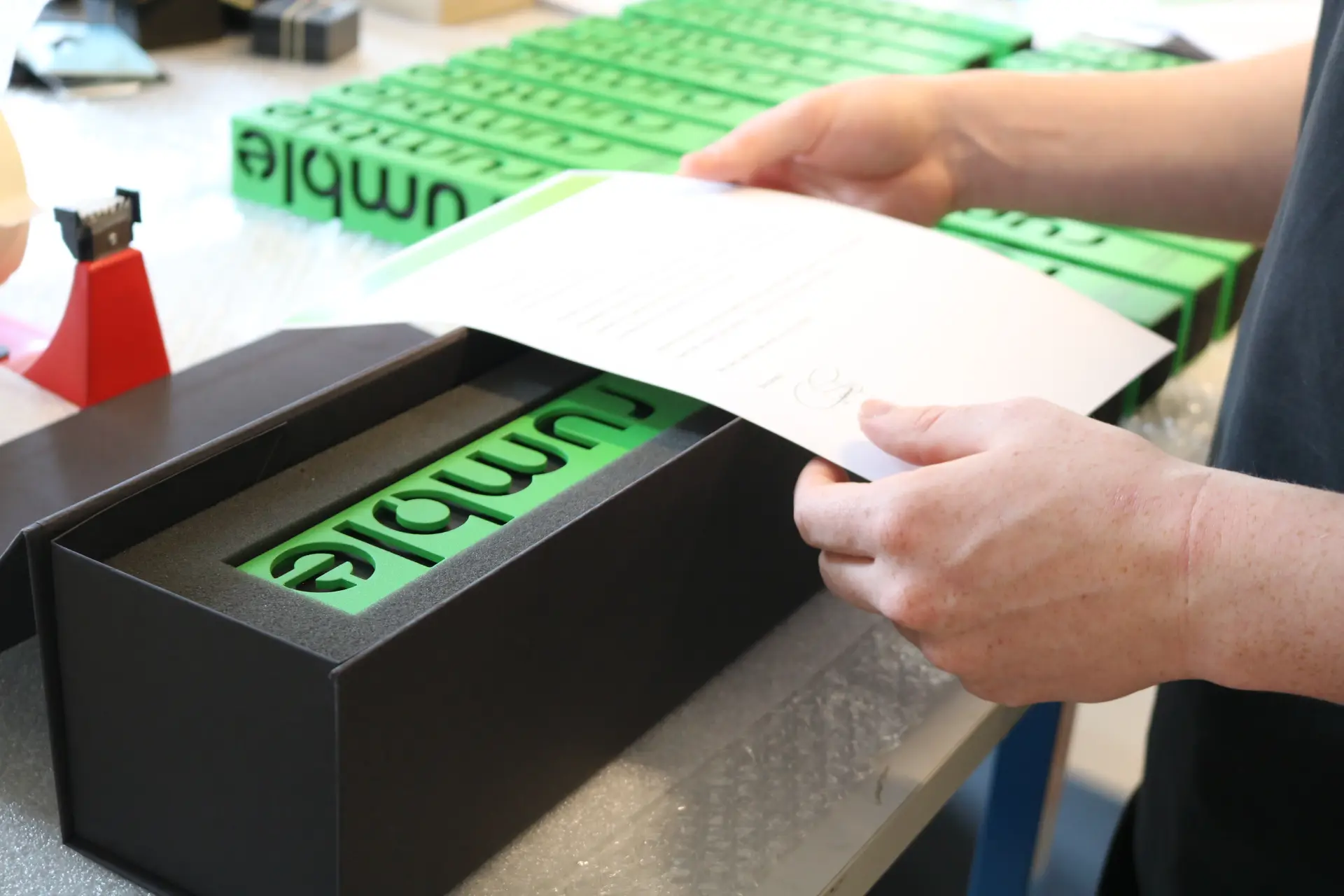
الخطوة الأخيرة قبل أن تصل الجائزة إلى المتلقي هي التغليف والتسليم، وكلاهما يستحق تخطيطاً دقيقاً. فالحشوات الإسفنجية المخصصة تحمي الجائزة أثناء النقل وتضيف إلى تجربة فتح العلبة. والتغليف الخارجي الذي يحمل العلامة التجارية يعزز مكانة المناسبة.
في الفعاليات التي تُقدَّم فيها الجوائز على المسرح، فكّر في كيفية نقلها إلى المكان. فالكؤوس الكبيرة تحتاج إلى صناديق نقل أو تغليف مناسب لتصمد خلال الرحلة دون ضرر. وينبغي تنسيق لوجستيات المكان مسبقاً، أي مكان تخزين الجوائز قبل التقديم وكيف تصل إلى المسرح.
وإذا كانت الجوائز ستُشحن مباشرة إلى متلقين على عناوين مختلفة، فتأكد من كل عنوان تسليم بعناية. فالشحنات المرتجعة أو المفقودة تستغرق وقتاً طويلاً لحلها وقد تعني ألا يتلقى المستلم جائزته أبداً. واستخدام خدمة توصيل قابلة للتتبع وتأكيد العناوين قبل الإرسال يقللان هذا الخطر.
أكّد مواعيد التسليم مع المورّد قبل الفعالية بوقت كافٍ. وإذا كانت الجوائز ستصل إلى مكان الفعالية، فنسّق نافذة التسليم مع فريق عمليات المكان. فالتسليم الذي يصل خارج ساعات الاستلام أو إلى رصيف تحميل بلا موظفين قد يسبب مشكلات خطيرة في اللحظة الأخيرة.
المتابعة بعد التسليم
بعد تسليم الجوائز وتقديمها، تُغلق متابعة المصنّع بشأن النتيجة الدائرة وتبني العلاقة من أجل الطلبات المستقبلية. وإذا حدث خطأ ما، فإن الملاحظات السريعة تتيح للمورّد معالجته بسرعة والتعلّم من التجربة.
وإذا لقيت الجوائز استحسانًا، فمن المفيد أيضًا إبلاغ المصنّع بذلك. فالملاحظات الإيجابية تساعده على فهم ما نجح، ويمكن الاستناد إليها في الملخصات المستقبلية. والعلاقات القوية مع الموردين الموثوقين تستحق الحفاظ عليها.
احتفظ بنسخ من جميع ملفات التصميم والموافقات والمواصفات الخاصة بالمشروع. فإذا احتجت إلى إعادة إنتاج الجائزة نفسها في العام المقبل، فإن وجود سجلات كاملة يجنّبك بدء عملية التصميم من الصفر. والانضباط في حفظ الملفات يوفّر الوقت والتكلفة في الطلبات المتكررة.
عملية طلب تسير على نحو سليم منذ البداية
يصبح طلب جوائز مخصصة لشركتك أكثر سهولة بكثير بمجرد فهم العملية بالكامل. والمفتاح هو التحضير: اتفاق داخلي واضح، وملخص قوي، وتقييم منظم للموردين، وإدارة دقيقة لموافقات التصميم والجداول الزمنية. وكل خطوة من هذه الخطوات تقلل من عدم اليقين وتحمي استثمارك.
أما المؤسسات التي تدير شراء الجوائز بأكبر قدر من الفعالية فتتعامل معه كمشروع ذي مراحل محددة وليس كعملية شراء بسيطة. وهذه العقلية، مقترنة بمواعيد تسليم واقعية وتواصل واضح، تحقق باستمرار نتائج تليق بالمناسبة وبالأشخاص الذين يجري تكريمهم.