
كيف تصمّم خاتم بطولة يجسّد إرث الفريق
يُعد تصميم خاتم البطولة من أكثر المهام الإبداعية معنىً في مجال التكريم الرياضي. فخاتم البطولة المخصص المصمَّم جيدًا يروي قصة موسم الفريق ويحمل هوية المؤسسة ويكون تذكارًا شخصيًا قد يرتديه اللاعبون والطاقم مدى الحياة. وأفضل الخواتم ليست مجرد مجوهرات، بل هي سرديات مكثّفة للإنجاز.
تنطوي عملية تصميم الخاتم على تعاون بين الجهة المانحة وفريق التصميم ومصنّع متخصص في المعادن الثمينة وتقنيات المجوهرات الراقية. وفهم كيفية عمل كل مرحلة يساعد الجهات المكلِّفة على اتخاذ قرارات أفضل وتسليم خاتم يليق بالإنجاز الذي يخلّده.
فابيت
جوائز مخصصة، مصممة ومصنوعة داخلياً
تصمم Fabit وتنتج جوائز مخصصة للعلامات التجارية، والاحتفالات، والبرامج. تصميم ثلاثي الأبعاد، وإنتاج داخلي، وتسليم عالمي، مع استجابة خلال 24 ساعة.
حدّد القصة التي ينبغي أن يرويها الخاتم
كل خاتم بطولة عظيم يبدأ بقصة. وقبل بدء أي عمل تصميمي، على الجهة المانحة أن تصوغ ما تمثّله هذه البطولة تحديدًا. ما اللحظة الحاسمة في الموسم؟ ما العقبات التي تجاوزها الفريق؟ وما الذي يميّز هذا اللقب عن سابقاته؟
تصبح هذه العناصر السردية المادة الخام للغة الخاتم البصرية. فهي تحدد الرموز التي تظهر على الخاتم ومواضعها وعلاقتها ببعضها. والخاتم الذي يعكس قصة محددة أقوى بكثير من آخر يكتفي بالإشارة إلى الدوري والسنة.
استشر اللاعبين والمدربين وقيادة الفريق خلال هذه المرحلة. فمن عاشوا الموسم غالبًا ما يملكون أوضح تصور لما كان ذا معنى فيه. وينبغي أن يشكّل رأيهم الملخص قبل أن يصل إلى أي مصمّم.
اجمع الأصول البصرية للفريق من شعارات وألوان وخطوط وأي علامات مخصصة خاصة بموسم البطولة. فهذه هي اللبنات الأساسية للتصميم ويجب أن تتوفر بصيغ عالية الدقة قبل بدء العمل التصميمي.
افهم بنية خاتم البطولة
خواتم البطولة أجسام ثلاثية الأبعاد معقدة ذات مكونات هيكلية محددة، يتيح كل منها فرصًا تصميمية. والواجهة العلوية، المعروفة بالمنضدة، هي عادةً أبرز سطح عرض وتحمل في الغالب شعار الفريق الرئيسي أو شعار البطولة.
أما الجانبان، وهما طرفا الخاتم، فهما حيث يحدث أدق السرد غالبًا. والجانب المواجه للاعب والجانب المواجه للفريق يحملان تقليديًا معلومات مختلفة: اسم المتسلّم ورقمه على جانب، وتفاصيل الفريق أو الموسم على الجانب الآخر.
وارتفاع الخاتم، أي علوّه من الإصبع إلى المنضدة، خيار جمالي مهم. فالخواتم الأعلى تقدّم بيانًا بصريًا أقوى وتوفّر مساحة أكبر لعناصر التصميم، أما الخواتم الأقل ارتفاعًا فأكثر راحة للارتداء اليومي. ويستحق هذا التوازن النقاش مع المتسلّمين إن أمكن أخذ رأيهم.
ويحمل الطوق الداخلي عادةً اسم المتسلّم ودوره وبيانات التخصيص، وأحيانًا نقشًا تذكاريًا. وهذا التفصيل المخفي من أكثر عناصر الخاتم شخصية، وكثيرًا ما يكون الجزء الذي يعود إليه المتسلّمون أكثر من غيره.
اعمل على التصميم البصري بمنهجية
يتولى تصميم خاتم البطولة عادةً مصممون متخصصون يفهمون قيود هذه الصيغة وأعرافها. ويُوصى بشدة بالعمل مع فريق تصميم خواتم ذي خبرة بدلًا من مصمم جرافيك عام، فدقائق التصميم ثلاثي الأبعاد في سياق المجوهرات كبيرة.
ابدأ بتصميم المنضدة لأنها ترسّخ الهوية البصرية العامة للخاتم. ويجب أن يكون هذا السطح مقروءًا من مسافة طول الذراع، لذا تتقدم الوضوح على التعقيد. فموضع الشعار واستخدام الأحجار الكريمة وتوزيع الألوان على المنضدة تحدد نبرة القطعة بأكملها.
وطوّر تصاميم الجانبين بالتوازي، مع ضمان ارتباطها بصريًا بالمنضدة بدلًا من التعامل معها كعناصر منفصلة. فاستخدام المعادن واللمسات النهائية والأساليب الطباعية بثبات عبر كل الأسطح يخلق الانسجام. والخاتم الذي يبدو متفككًا عبر وجوهه يبدو عادةً أقل اكتمالًا في مجمله.
وتتطلب الطباعة على الخواتم عناية خاصة. فارتفاع الحروف والمسافات وتفاعل النص مع السطح المنحني للخاتم، كلها تؤثر في الوضوح. اعمل مع فريق التصميم على اختبار خيارات مختلفة قبل الاعتماد، وقيّم التصاميم دائمًا بالحجم الفعلي لا بمقياس مكبَّر.
اختر المعادن والأحجار الكريمة بقصد
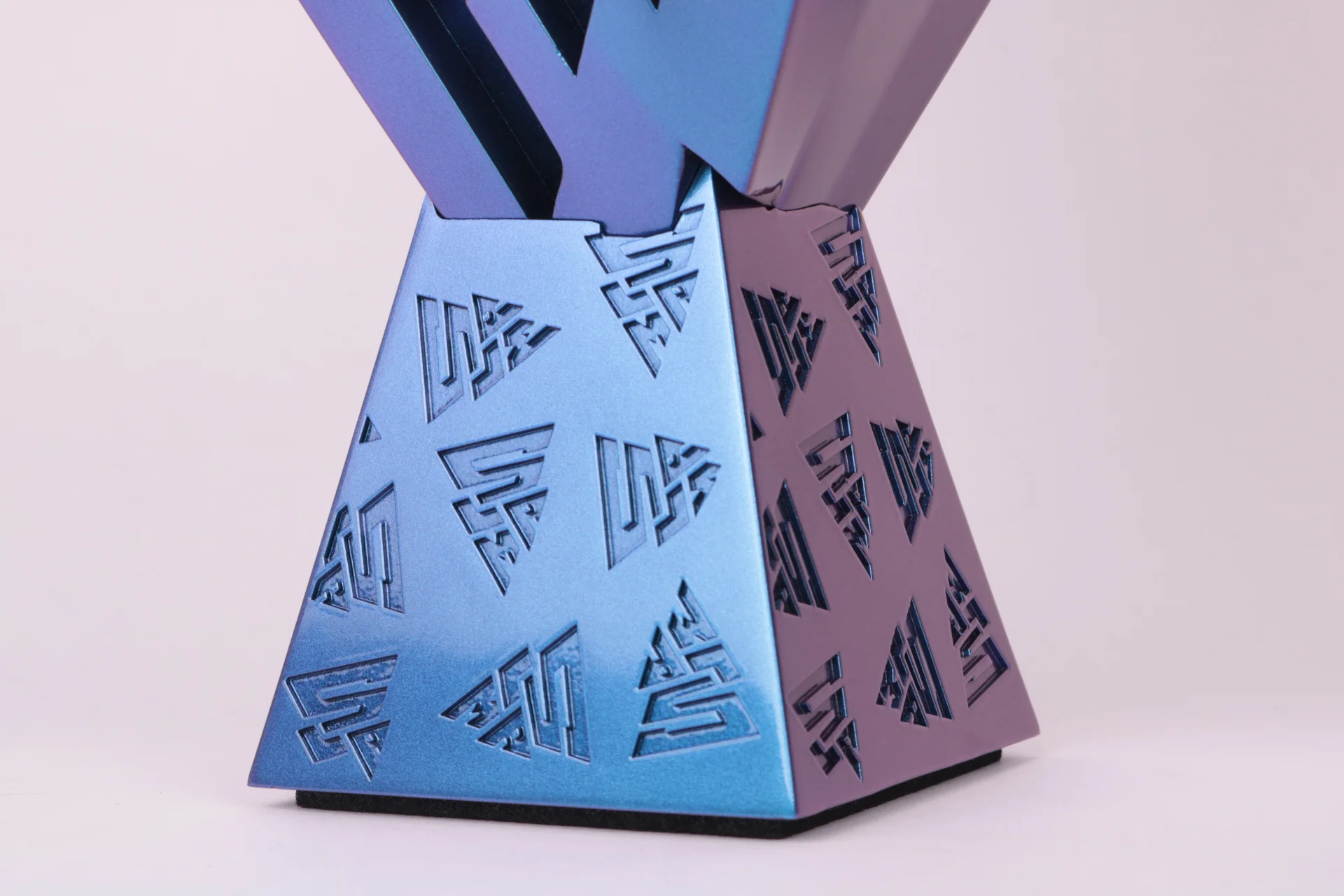
للمعادن المستخدمة في خاتم البطولة وزن كبير في طريقة إدراك القطعة. فالذهب، الأصفر أو الأبيض أو الوردي، هو الخيار الأكثر تقليدية لخواتم البطولة ويظل المعيار في الدوريات الاحترافية الكبرى. وعيار الذهب يؤثر في الثراء البصري وفي تكلفة القطعة معًا.
وتُستخدم الفضة الاسترليني في بعض السياقات، خصوصًا للخواتم التي تفرض فيها الكمية قيودًا على التكلفة أو التي يُفضَّل فيها عرض أقل فخامة. وتمنح الفضة مظهرًا نظيفًا معاصرًا وتتقبّل النقش بشكل ممتاز.
والأحجار الكريمة سمة مميزة لتصميم خواتم البطولة، لا سيما في الثقافة الرياضية الأمريكية. والألماس أكثر الأحجار استخدامًا، سواء كعناصر مركزية أو كأحجار زخرفية مرصّعة في سطح الخاتم. واختيارها وجودتها وقطعها وموضعها يؤثر بشكل كبير في طابع القطعة النهائية.
وتُستخدم الأحجار الملونة لتعزيز ألوان الفريق أو للدلالة على إنجازات محددة. فخاتم البطولة الذي يتضمن لون الحجر المميز للفريق يخلق رابطًا بصريًا فريدًا بين الجائزة والمؤسسة. اعمل مع المصنّع لتحديد أحجار تطابق مراجع ألوان الفريق بدقة وثبات.
حدّد مستويات جودة الإنتاج
تُنتَج خواتم البطولة عادةً بعدة مستويات جودة لتلبية المتسلّمين عبر المؤسسة. فبينما قد يتسلّم اللاعبون الأساسيون خواتم بأعلى جودة من المعادن والأحجار، تحتاج المؤسسات الأكبر إلى نهج عملي لمنح الخواتم للطاقم التدريبي وموظفي الإدارة وحاملي تذاكر الموسم أو المشجعين.
حدّد هذه المستويات مبكرًا في العملية. فقد يتضمن نموذج الإنتاج القياسي خاتم بطولة كاملًا للاعبين والمدربين، وخاتمًا شبه مخصص لموظفي الإدارة، وخاتم نسخة طبق الأصل أو خاتمًا للمشجعين. ويجب أن يتشارك كل مستوى التصميم البصري الأساسي مع استخدام مواد تناسب مستوى الاستثمار.
وكن متسقًا فيما ينقله كل مستوى. فإذا تسلّم موظفو الإدارة خاتمًا لا يمكن تمييزه بصريًا عن خاتم اللاعبين لكنه يستخدم مواد أقل جودة في داخله، فثمة خطر أن يُكشف هذا التناقض ويخلق احتكاكًا. والشفافية بشأن بنية المستويات أفضل عمومًا من إخفائها.
وتمثّل خواتم المشجعين أو النسخ المطابقة فرصة كبيرة للإيرادات والتفاعل للمؤسسات الرياضية. فخواتم المشجعين المصمَّمة جيدًا التي تحافظ على السلامة البصرية لتصميم البطولة تتيح للمناصرين المشاركة في الاحتفال دون المساس بحصرية جائزة اللاعبين.
إدارة التخصيص عبر قائمة متسلّمين كبيرة
تُخصَّص خواتم البطولة عادةً باسم كل متسلّم ورقم قميصه ودوره. وتتطلب إدارة هذه البيانات بدقة عبر قائمة من اللاعبين والمدربين والطاقم إدارة دقيقة للعملية. وأخطاء التخصيص من أكثر مشكلات إنتاج الخواتم شيوعًا وأعلاها كلفة.
اجمع كل بيانات التخصيص في جدول بيانات منظّم واحد بأعمدة محددة بوضوح. وأدرج الاسم الكامل للمتسلّم كما يريد أن يظهر، ورقم قميصه أو لقبه، وأي نقوش إضافية مطلوبة. ودع شخصين على الأقل يراجعان هذه البيانات قبل تقديمها للإنتاج.
وأكّد مقاسات الخواتم لجميع المتسلّمين. ويمكن التعامل مع المقاسات عبر مجموعات قياس خواتم قياسية تُرسَل إلى كل متسلّم أو باستخدام قياسات متاحة للعموم للرياضيين المحترفين. والمقاس الخاطئ مشكلة كبيرة بعد بدء الإنتاج، لأن تعديل مقاس خاتم بطولة معقد صعب وأحيانًا مستحيل.
وأدرج فحص جودة للتخصيص قبل اكتمال دفعة الإنتاج الكاملة. فطلب نموذج معاينة لنقش كل متسلّم، ولو كملف رقمي، قبل تنفيذه على الخاتم يكشف الأخطاء قبل أن تُثبَّت نهائيًا في المعدن.
فكّر في تجربة التقديم
يستحق خاتم البطولة تجربة تقديم تضاهي أهميته. فطريقة تقديم الخاتم، من تغليف وحفل ولحظة تسليم، تشكّل كيف يعيش المتسلّمون الجائزة. والخاتم الذي يوضع في علبة مجوهرات عادية يبخس الإنجاز الذي يمثّله.
وعلب الخواتم المخصصة التي تحمل شعار الفريق وسنة البطولة وتشطيبات داخلية مناسبة تخلق تجربة تقديم تليق بالمناسبة. وتنتج بعض المؤسسات علبًا مفصّلة بالكامل تصبح بحد ذاتها قطعًا للاقتناء. وتكلفة التغليف صغيرة مقارنةً بالخاتم نفسه لكن أثرها في القيمة المُدرَكة كبير.
وينبغي التخطيط لحفلات تسليم الخواتم، حين تُقام، بالعناية بالتفاصيل نفسها التي تُبذل في أي فعالية كبرى. فترتيب تقديم الخواتم والكلمات المصاحبة والتغطية بالصور أو الفيديو كلها تسهم في ذكرى تدوم أطول بكثير من الحفل نفسه.
وبالنسبة للمتسلّمين الذين لا يستطيعون حضور حفل التسليم، يتطلب التسليم بالبريد التغليف الواقي نفسه المستخدم في شحن الإنتاج. فالخاتم الذي يصل مثنيًا أو تالفًا بسبب تغليف نقل غير كافٍ إخفاق جسيم. استخدم حشوات إسفنجية مخصصة وشحنًا متتبَّعًا ومؤمَّنًا لكل عملية تسليم فردية.
اعمل مع مصنّع متخصص في خواتم البطولة
تصميم خواتم البطولة المخصصة وإنتاجها مجال متخصص. فليس كل مصنّع مجوهرات يملك الخبرة والأدوات وعمليات الإنتاج اللازمة لتسليم خواتم بالجودة التي تتطلبها هذه المناسبات. ويُنصح بشدة بالعمل مع مصنّع لديه سجل أعمال في خواتم البطولة.
راجع سجلات الأعمال بالتفصيل. وابحث عن خواتم تطابق مستوى التعقيد والجودة الذي تستهدفه. وانتبه إلى دقة ترصيع الأحجار وجودة النقش واتساق اللمسة النهائية عبر خواتم صُوِّرت في المجموعة نفسها. فهذه التفاصيل تكشف جودة الإنتاج بموثوقية أكبر من شهادات العملاء.
واسأل عن عملية المصنّع في إدارة مراجعات التصميم وأخطاء التخصيص وحالات رفض الجودة. فطريقة تعامله مع المشكلات لا تقل أهمية عن أدائه حين تسير الأمور على ما يرام. والمصنّع الذي يستجيب للمشكلات بشفافية وكفاءة شريك أوثق بكثير من آخر يقدّم عرضًا يبدو مثاليًا دون إجابة واضحة عن كيفية حل المشكلات.
واطلب عينات إن أمكن. فتقييم عينات خواتم مادية، ويفضَّل من تكليفات بطولات سابقة بمستوى جودة مماثل، يمنحك رؤية مباشرة لما يمكن توقعه من المنتج النهائي.
خطّط للجدول الزمني بعناية
يستغرق إنتاج خواتم البطولة عادةً من اثني عشر إلى عشرين أسبوعًا من تأكيد الملخص حتى التسليم. فتطوير التصميم وإنتاج النموذج الأولي وجولات الاعتماد والإنتاج الكامل والتخصيص والشحن كلها تسهم في هذا الجدول. ومحاولة اختصاره كثيرًا تهدّد الجودة.
ومرحلة التصميم عادةً أكثر المراحل تباينًا في الوقت. فحين تملك الجهة المكلِّفة ملخصًا واضحًا وعملية اعتماد فعّالة، يمكن أن يتقدم التصميم بسرعة. أما مع تعدد أصحاب المصلحة وقرارات اللجان وتغيّر اتجاه التصميم المتكرر، فقد تستهلك مرحلة التصميم وحدها نصف الجدول الزمني الكلي للمشروع.
ابنِ موعد بدء التكليف حول حفل تسليم الخواتم المقصود، لا حول نهاية الموسم. فأكثر حفلات تسليم الخواتم إبهارًا تُقام بعد أسابيع أو أشهر من الفوز بالبطولة، ما يتيح وقتًا كافيًا للإنتاج. ونادرًا ما يستحق التعجّل في تسليم الخواتم فور النهائي التنازلات في الجودة التي يتطلبها.
وأبلغ المصنّع بموعدك النهائي بوضوح في مرحلة الإحاطة. وإذا حدد المصنّع أي خطر على ذلك الجدول، فعالجه قبل بدء العمل. فاكتشاف مشكلة في الجدول في منتصف الإنتاج لا يترك سوى خيارات قليلة جيدة.
فكّر في إرشادات التخزين والعناية طويلة الأمد
خواتم البطولة تذكارات طويلة الأمد قد يرتديها المتسلّمون عقودًا. وتقديم إرشادات العناية والتخزين ضمن تسليم الخاتم يُظهر اعتبارًا للمتسلّم ويطيل عمر القطعة.
تحتاج الخواتم الذهبية إلى تنظيف دوري وفحص متخصص للحفاظ على تثبيت الأحجار. فالمخالب والإطارات التي تثبّت الأحجار الكريمة قد ترتخي بمرور الوقت، خصوصًا مع الارتداء المنتظم. ونصح المتسلّمين بفحص الخواتم سنويًا لدى صائغ احتياط بسيط يمنع فقدان الأحجار.
وينبغي الاحتفاظ بعلب الخواتم وحافظات التخزين للتخزين طويل الأمد حين لا يُرتدى الخاتم. فالتعرض للمواد الكيميائية القاسية والكلور في أحواض السباحة ودرجات الحرارة القصوى قد يؤثر في المعدن والأحجار معًا. وإرشاد بسيط عمّا يجب تجنّبه يحفظ مظهر الخاتم مع الزمن.
وبالنسبة للمؤسسات التي تنتج خواتم البطولة سنويًا، فإن الاحتفاظ بسجلات مواصفات تصميم كل عام ذو قيمة. فإذا فُقد خاتم أو تلف بعد سنوات، فإن توفّر ملفات التصميم الأصلية ومواصفات المواد يتيح إعادة إنتاجه بدقة.
قدّر عملية التصميم بقدر المنتج النهائي
عملية تصميم خاتم البطولة هي نفسها جزء من سردية البطولة. والمؤسسات التي تُشرك اللاعبين والمدربين وكبار الطاقم في عملية التصميم تنتج خاتمًا يحمل ملكية مشتركة. والمتسلّمون الذين أسهموا بأفكار في التصميم يملكون ارتباطًا أعمق بالقطعة النهائية.
وهذا لا يعني أن تصبح عملية التصميم فوضوية أو تقودها اللجان. فلا يزال وجود قائد إبداعي واضح ضروريًا. لكن جلسات المشاركة المنظّمة، حيث يُطرح على اللاعبين أسئلة محددة عن عناصر الموسم التي يريدون رؤيتها، تنتج مادة مصدرية أغنى وتخلق قبولًا قبل إنتاج الخاتم أصلًا.
ووثّق عملية التصميم بالصور والرسومات والملاحظات. وتنشئ بعض المؤسسات سجلًا من كواليس تصميم الخاتم وإنتاجه يصبح جزءًا من أرشيف الفريق. وهذه المادة ذات قيمة للبطولة الحالية وكمرجع تاريخي لبرامج الخواتم المستقبلية.
الخاتم النهائي قطعة مادية، لكن القصة التي يحويها هي ما يمنحه قوته الدائمة. وعملية التصميم هي حيث تتشكّل تلك القصة.
خاتم صُنع ليدوم بقدر الذكرى
يُعد تصميم خاتم بطولة مخصص من أكثر المهام تطلبًا ومكافأةً في التكريم الرياضي. وأفضل الخواتم تحقق أمرًا صعبًا: توازن بين التعقيد البصري اللازم لرواية قصة الفريق والضبط الجمالي الذي يجعل قطعة المجوهرات تستحق الارتداء مدى الحياة.
والمؤسسات التي تتناول هذه العملية باستثمار إبداعي حقيقي وتخطيط دقيق واحترام للحرفية المعنية تنتج باستمرار خواتم يعتزّ بها المتسلّمون. وهذه الجودة في النتيجة تستحق الوقت والاهتمام اللذين تتطلبهما العملية.