
Het is de vraag die elke koper als eerste beantwoord wil zien en die de meeste leveranciers ontwijken: wat kost een deal toy? Het eerlijke antwoord is dat een deal toy een object op maat is, dus er is geen vaste prijs. Maar de factoren die het bedrag bepalen zijn voorspelbaar, en als u ze begrijpt, kunt u slimmer briefen en met vertrouwen begroten.
Wat kost een deal toy? Deal toys van lucite op maat variëren doorgaans van ongeveer honderd euro per stuk voor eenvoudige ontwerpen tot enkele honderden euro's of meer voor complex, sterk op maat gemaakt werk, waarbij de kosten per stuk dalen naarmate de oplage stijgt. De prijs wordt vooral bepaald door ontwerpcomplexiteit, materialen, ingebedde elementen, formaat en volume, niet door een vast catalogustarief.
Bij Fabit offreren wij transparant en reageren wij binnen 24 uur. Hier leest u precies wat de prijs bepaalt, zodat niets u verrast.
Ontwerpcomplexiteit is de grootste hefboom
De grootste factor is hoe complex uw ontwerp is. Een zuivere, klassieke tombstone met een gegraveerd logo zit aan het ene uiterste. Een stuk met een geprinte productreplica, gelaagde inbedding en een eigen silhouet zit aan het andere.
Complexiteit beïnvloedt ontwerptijd, gereedschap, printen en afwerking tegelijk. Dit is geen opvulling, het is het werk en de techniek die een stuk op maat ook op maat laten voelen. Het goede nieuws is dat u deze hefboom volledig zelf bedient via uw briefing.
Fabit
Deal toys en tombstones, in eigen productie gemaakt
Fabit ontwerpt en produceert deal toys op maat, lucite tombstones en IPO-geschenken voor banken en investeerders. 3D-ontwerp, eigen productie en wereldwijde levering.
Materialen en constructie
Lucite alleen is één kostenpost. Voeg ingebed metaal, een bewerkte metalen voet of gemengde materialen toe, en het stuk wordt zwaarder, uitgebreider en waardevoller. Materiaalkeuzes veranderen zowel de gepercipieerde kwaliteit als de productie-inspanning.
Een zwaar stuk in gemengde materialen drukt belang uit op een manier die een licht acrylblok niet doet. Waar het budget het toelaat, is dit vaak de plek om het te besteden.
Wat u erin inbedt
Inbedding is waar lucite zijn kosten verdient. Eenvoudig ingebedde logo's zijn recht door zee. Gedetailleerde 3D-geprinte modellen, architectonische miniaturen of getrouwe productreplica's vragen om ontwerp, printen en zorgvuldige inbedding in meerdere lagen.
Elk ingebed element voegt werk toe, maar ook betekenis. Een stuk dat het werkelijke object van een deal toont, rechtvaardigt zijn prijs op het moment dat een ontvanger het herkent.
Formaat en gewicht
Grotere stukken kosten meer, en niet alleen aan materiaal. Grotere blokken vragen meer hars, langer uitharden, meer bewerking en meer polijsten, en brengen hogere verzendkosten en meer risico met zich mee. Formaat is een echte, vaak onderschatte kostenfactor.
De juiste keuze is zelden het grootst mogelijke stuk. Het is het formaat dat substantieel aanvoelt op een bureau zonder onhandig te worden, en wij adviseren over die balans.
Oplage en kosten per stuk
Volume verandert alles. Een groot deel van de kosten van een stuk op maat zit vooraf: ontwerp, renderen, gereedschap en printopzet. Verdeel dat over meer stuks en de prijs per stuk daalt aanzienlijk.
Daarom kan hetzelfde ontwerp duur voelen bij een oplage van vijf en redelijk bij vijftig. Zo schaalt de prijs met het volume:
- Zeer klein volume (1 tot 10): Hoogste kosten per stuk, omdat de opzet over weinig stuks wordt verdeeld
- Middelgroot volume (10 tot 50): De opzet wordt afgeschreven, de kosten per stuk dalen merkbaar
- Groter volume (50+): Beste kosten per stuk, ideaal voor oplagen voor afsluitdiners
Planning en verzending
Standaardplanningen houden de kosten efficiënt. Echt dringende deadlines kunnen om herprioritering vragen en wereldwijde levering voegt verzending en verzekerde afhandeling toe, vooral bij grotere stukken. Wij verwerken deze realiteit in een heldere offerte in plaats van ze als verrassing te laten.
Omdat wij vanuit Antwerpen wereldwijd leveren, plannen wij de logistiek vanaf het begin rond uw deadline. Lees hoe wij met financiële teams werken op onze financiën pagina.
Waar uw budget het verst komt
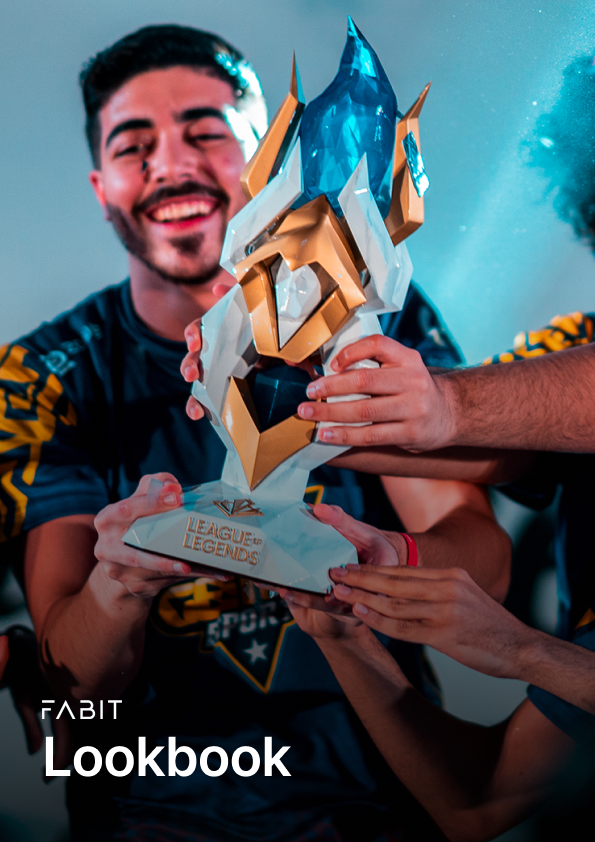
Wilt u maximale impact per euro, besteed dan aan wat mensen opmerken en onthouden: een betekenisvol ingebed middelpunt, een kwalitatieve afwerking en genoeg gewicht om serieus te voelen. Bespaar op overtollig formaat en onnodige versieringen.
Een kleiner, mooi ontworpen stuk presteert bijna altijd beter dan een groot, hol stuk. Ontdek wat mogelijk is op onze trofeeën op maat dienst en onze 3D-geprinte trofee pagina.
Waarom kosten in eigen productie eerlijker zijn
Traditionele fabrieken besteden onderdelen vaak uit, wat bij elke overdracht marge toevoegt. Omdat wij in eigen productie ontwerpen, printen, gieten en afwerken, beheersen wij de kostenopbouw rechtstreeks en kunnen wij duidelijk zeggen wat elke keuze toevoegt. Dat betekent minder verrassingen en meer waarde die zichtbaar is in het stuk zelf.
Veelgestelde vragen
Is er een minimale bestelling?
Wij maken zowel losse stukken op maat als grotere oplagen. Zeer kleine volumes hebben hogere kosten per stuk, omdat de opzet over minder stuks wordt verdeeld.
Kan ik vooraf een ruwe prijsindicatie krijgen?
Ja. Geef ons uw ruwe concept, formaat en oplage en wij reageren binnen 24 uur met een realistische bandbreedte voordat u zich vastlegt op een volledig ontwerp.
Waarom hebben twee deal toys van hetzelfde formaat een verschillende prijs?
Vrijwel altijd door wat erin zit en hoe het is gebouwd. Inbeddingscomplexiteit, materialen en afwerking bepalen de prijs veel meer dan de uiterlijke afmetingen.
Verlaagt een grotere bestelling de prijs echt zo sterk?
Ja. Ontwerp- en opzetkosten zijn grotendeels vast, dus als u ze over meer stuks verdeelt, daalt de prijs per stuk aanzienlijk.
Offerte aanvragen
Vertel ons uw concept, formaat en oplage en wij geven u een heldere, eerlijke prijs zonder giswerk. Fabit maakt in eigen productie in Antwerpen, met wereldwijde levering en reactie binnen 24 uur op elke aanvraag. Begin op create.fabit3d.com of vraag vandaag nog een offerte aan.