
Sustainable Materials
From bio-based polymers to recycled components and low-waste additive manufacturing, responsible material choices are integrated into our structural and production decisions from the start.
Responsible material solutions
Environmental performance must align with structural integrity and aesthetic standards.
Bio-based PA11
We use PA11 powder derived from renewable castor oil.
This material offers high impact resistance, structural stability and long-term durability while maintaining a significantly lower environmental footprint compared to petroleum-based alternatives.
Unused powder from the printing process can be reused in future builds, minimizing material waste.
Recycled & low-impact components
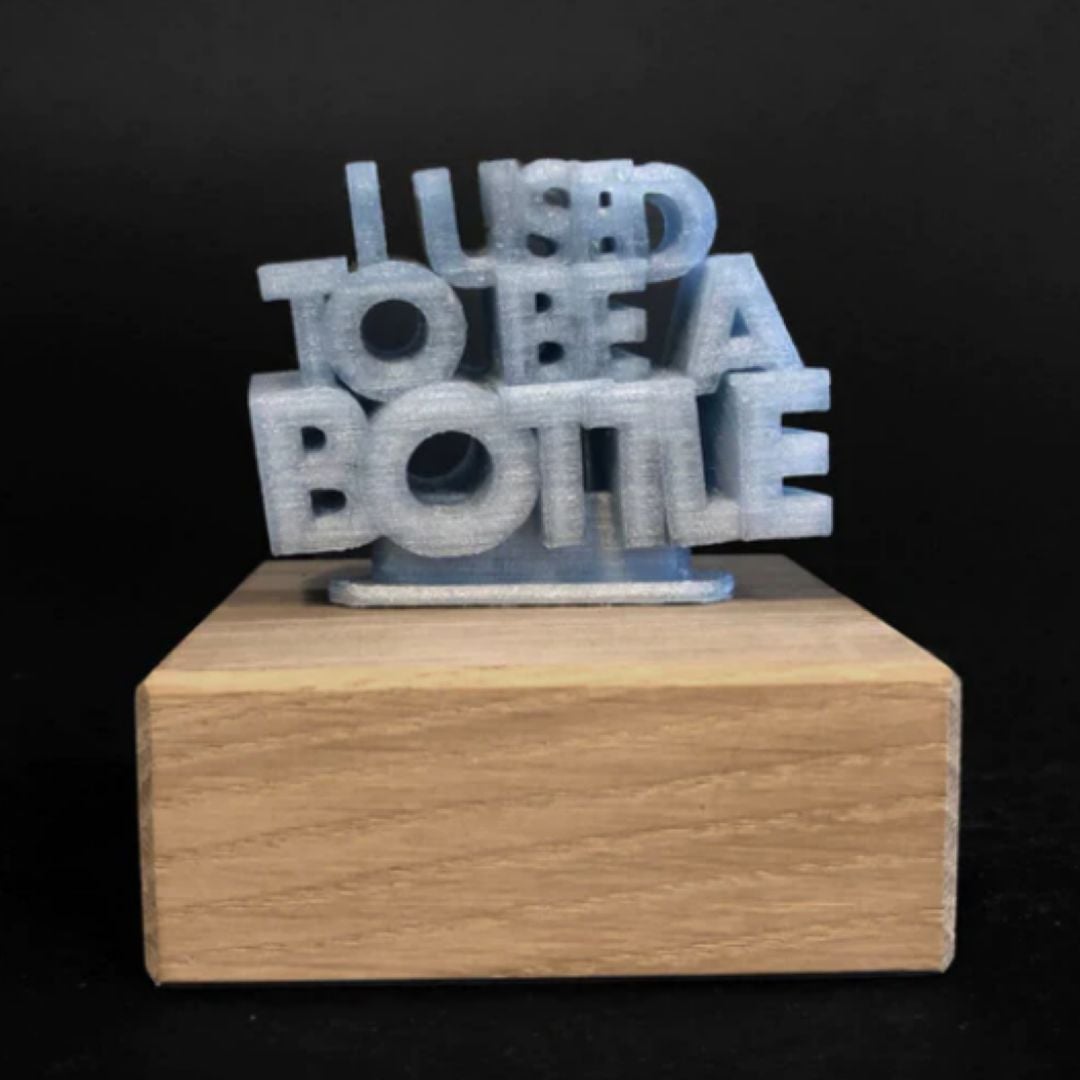
Where appropriate, we integrate recycled acrylic, PET-based filaments and composite bases containing recycled rubber granulate.
These materials maintain professional performance standards while reducing reliance on virgin resources.
Low-waste additive manufacturing
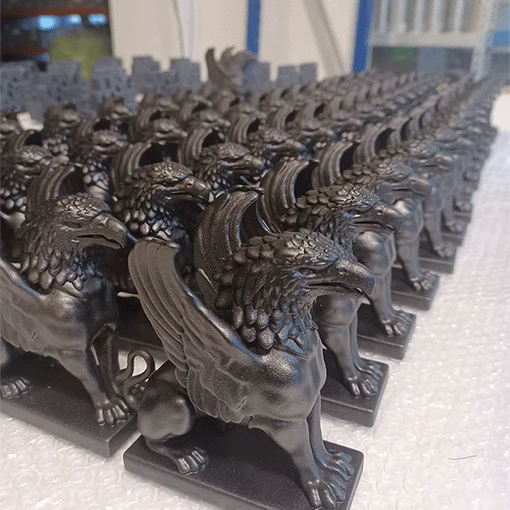
3D printing allows precise material placement only where structurally required.
Internal cavities, optimized wall thickness and reinforcement zones reduce unnecessary mass without compromising strength.
This approach minimizes material consumption and improves cost efficiency across single pieces or larger award programs.
Surface engineering for long-term durability
Sustainable production does not stop at material selection. Surface engineering plays a critical role in extending the functional lifespan of a trophy or award. A well-engineered finish protects the underlying structure against mechanical wear, environmental exposure and surface degradation over time.
Protective varnishes, impact-resistant coatings and calibrated surface sealing reduce the likelihood of scratches, discoloration or oxidation. By preventing premature deterioration, the need for replacement or refurbishment is minimized.
Durability is one of the most overlooked sustainability factors. The longer a product remains visually and structurally intact, the lower its overall environmental impact.
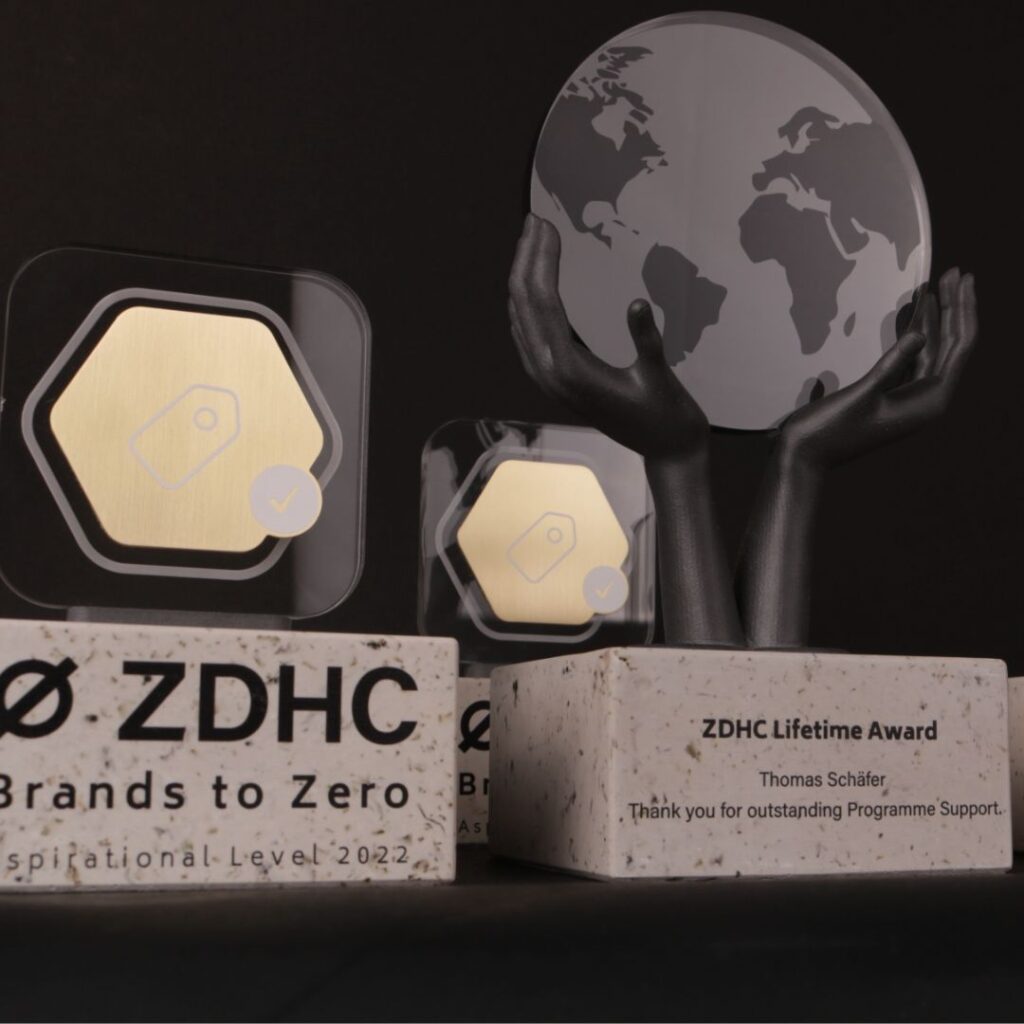
Sustainable Surface Performance
Long-term durability and responsible finishing must be engineered before production begins.
Finishing processes are calibrated to minimize overspray, excessive layering and unnecessary material consumption. Controlled spray systems and optimized curing reduce waste while maintaining consistent surface quality across production runs.
Protective varnishes and calibrated coatings extend product lifespan by shielding surfaces from scratches, UV exposure and environmental stress. A longer lifespan directly reduces replacement frequency and material waste.
Surface treatments are selected based on substrate behavior and long-term stability. Adhesion, expansion tolerance and curing compatibility are defined during the engineering phase to prevent failure, peeling or premature degradation.
Our cases
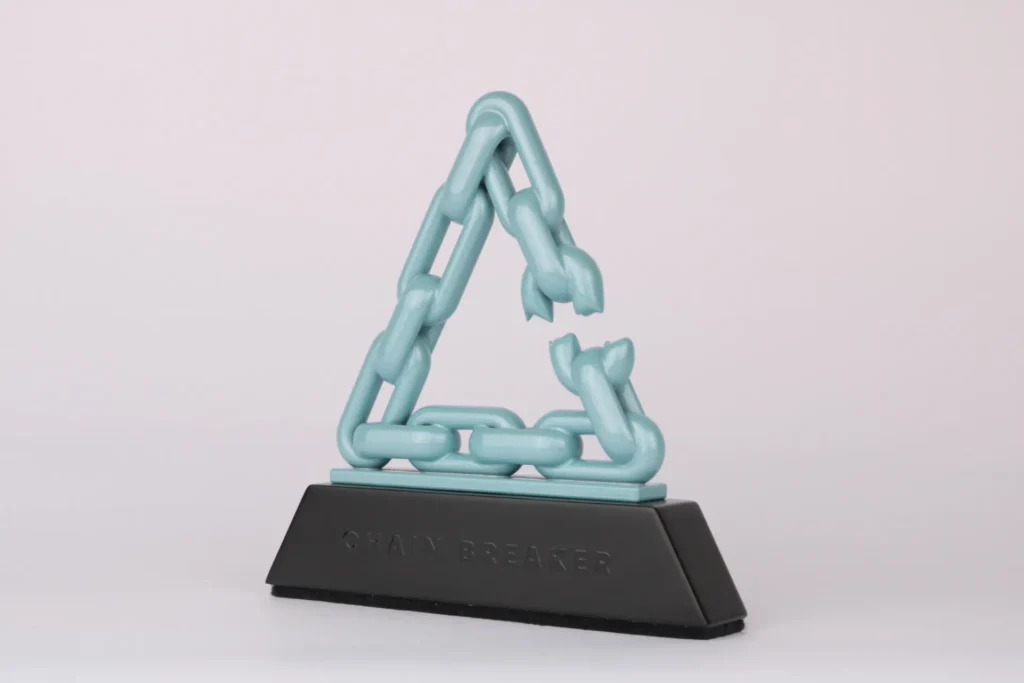
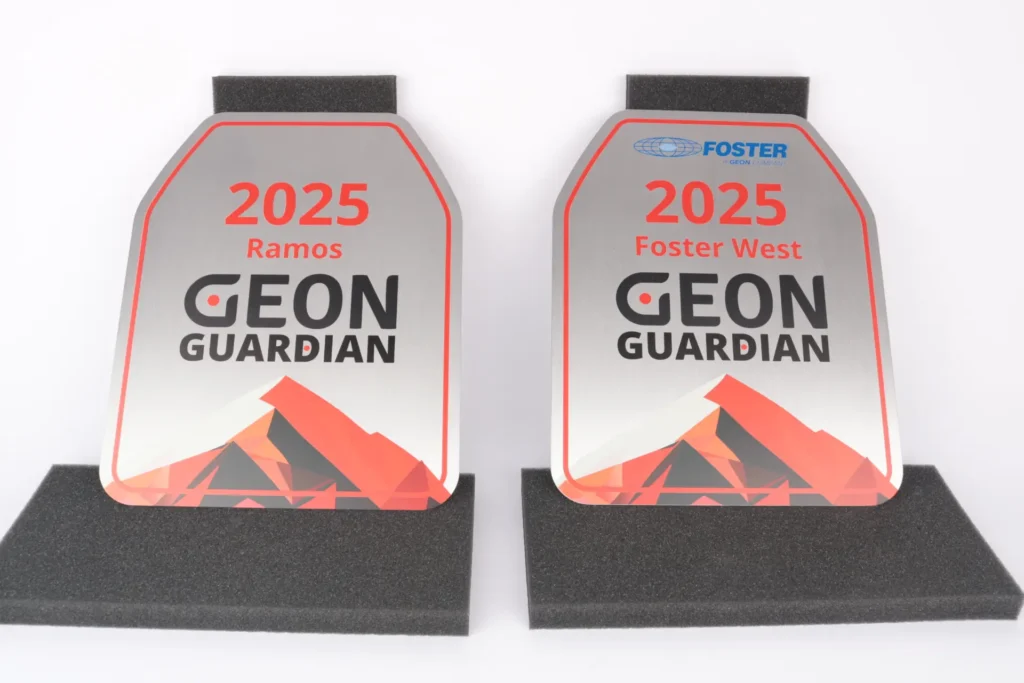
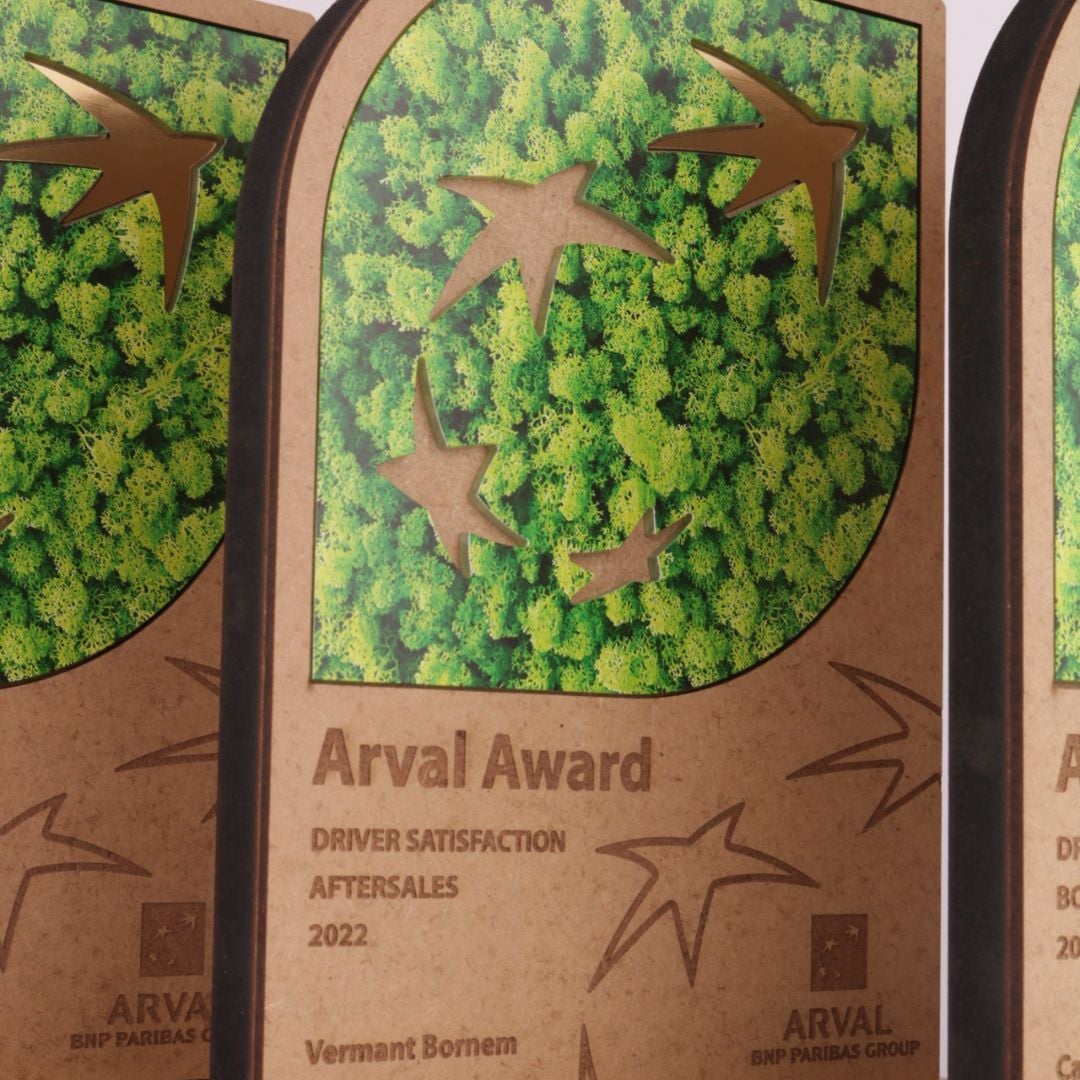
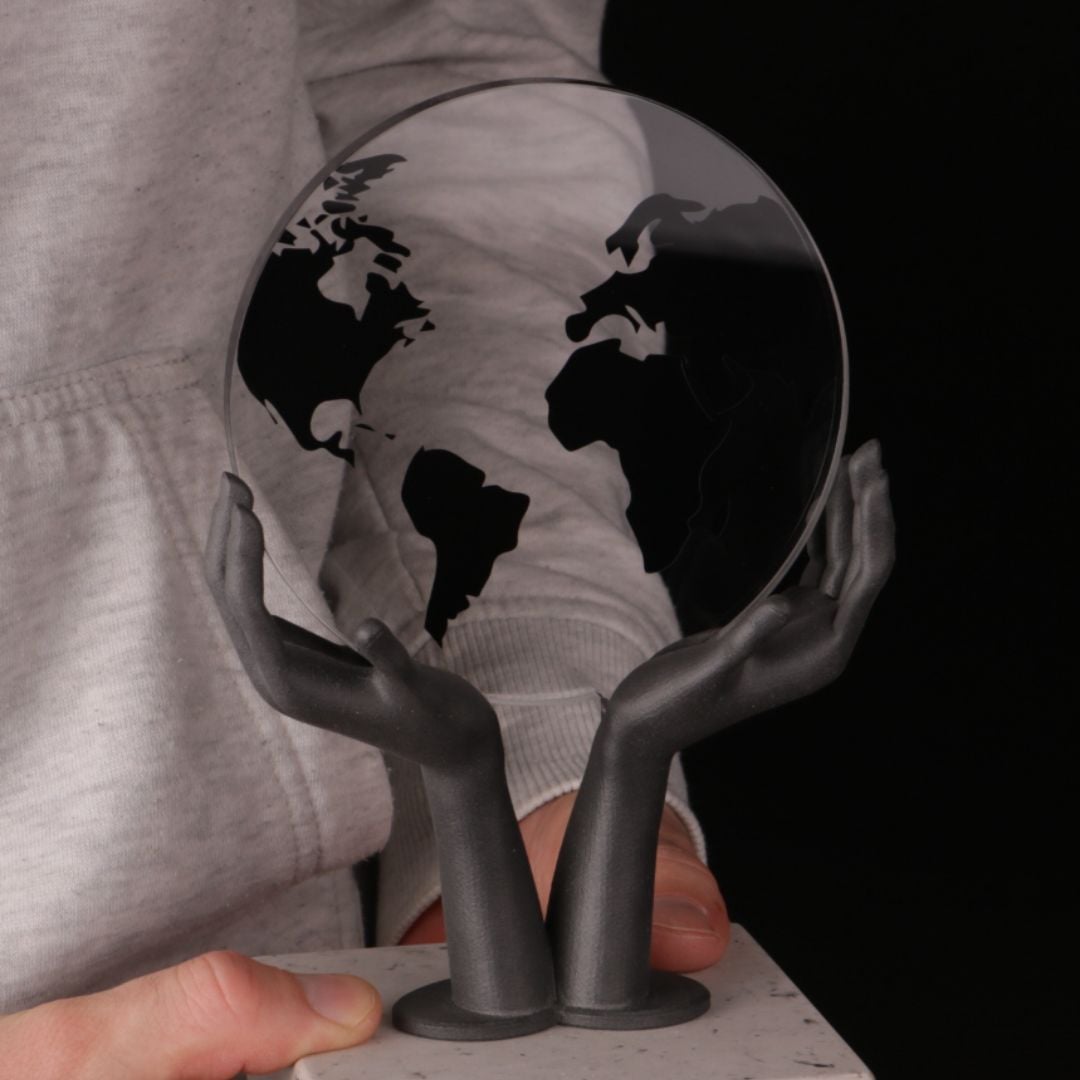
Innovative trophies created for global brands, esports tournaments and forward-thinking organizations.



Longevity as a sustainability metric
True sustainability is evaluated across the full lifecycle of a product. A trophy that remains structurally stable and visually refined for decades carries a significantly lower environmental burden than one that requires early replacement. Environmental impact is influenced not only by material origin, but by how long an object performs in real-world conditions.
Engineering decisions such as wall thickness, internal reinforcement, bonding strategy and finishing compatibility directly affect long-term durability. Structural planning ensures that materials do not degrade prematurely under handling, transport or display conditions.
When durability is intentionally integrated into the design phase, sustainability becomes measurable in years of performance. Longevity reduces material turnover, lowers replacement frequency and strengthens the overall environmental responsibility of the final piece.
Reviews
Bespoke trophies & awards for sports, esports, corporate and global events.
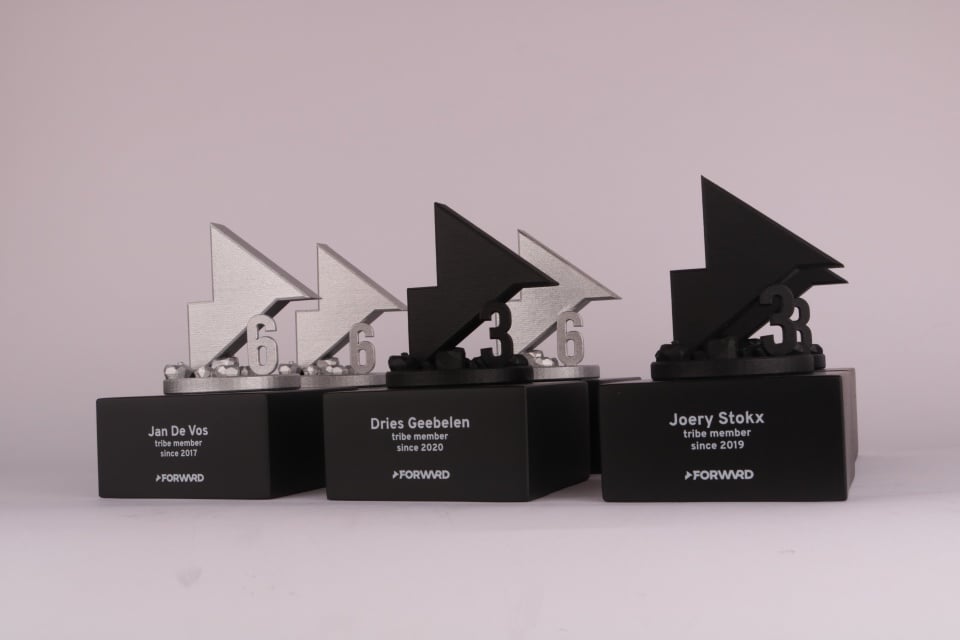
“We ordered a range of awards for our employees and were very happy with the result. Very personalized and unique.”
We ordered a range of awards for our employees. We were very happy with the result. Very personalized and unique! The team also accepts and picks up feedback to make sure we were happy with the result. Thanks team Fabit!The team actively listened to our feedback and made sure we were fully satisfied with the final outcome. Thanks, team Fabit.

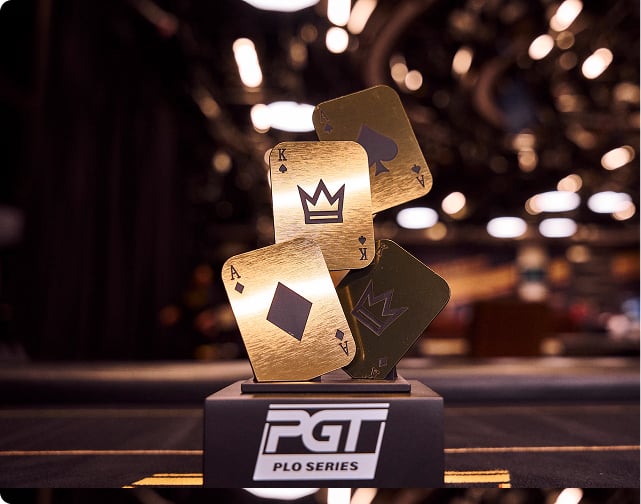
Fabit absolutely blew our expectations away with the 3D trophy for our PGT PLO Series in Las Vegas.
The players loved the look and feel. Fabit took our concept and delivered something even better than we envisioned. We will definitely work with them again.

Frequently Asked Questions
Clear answers about responsible materials, lifecycle impact and sustainable engineering in our award production.

Senior Account Manager
What does sustainability mean in the context of custom trophies?
Sustainability in custom trophies is not limited to using recycled or bio-based materials. It refers to the full lifecycle of the product, from sourcing and production to long-term durability and eventual disposal.
A responsibly designed trophy considers material origin, structural efficiency, transport footprint and expected lifespan. A product that remains structurally intact and visually relevant for decades often has a lower environmental impact than a short-lived alternative.
At Fabit, sustainability is evaluated during the engineering phase. Material selection, wall thickness, finishing systems and structural stability are defined early to prevent unnecessary waste, premature failure or replacement. Lifecycle thinking is central to responsible production.
How do you reduce material waste during production?
Material efficiency begins at the design stage. Structural optimization reduces unnecessary mass without compromising stability. Digital modeling allows precise control over wall thickness, reinforcement zones and internal geometry before production starts.
In additive manufacturing, objects are built layer by layer, minimizing excess material removal. Unused PA11 powder can be partially reused in subsequent production cycles, reducing raw material waste.
For CNC-based processes such as wood or acrylic cutting, layouts are optimized to maximize sheet yield and minimize offcuts. Waste reduction is not achieved through one technique, but through integrated engineering decisions across materials and manufacturing methods.
Why is durability an important sustainability factor?
Durability is one of the most important yet underestimated aspects of sustainability. A product that requires replacement after a few years generates additional material consumption, energy use and transport impact.
By engineering structural integrity, stable bonding and compatible finishing systems, we ensure long-term performance. Protective coatings are specified to prevent premature wear, discoloration or surface degradation.
A trophy designed for decades of display reduces environmental impact over time. Sustainable design is not only about reducing input materials, but also about preventing unnecessary output in the future.
Longevity reduces resource intensity across the entire lifecycle.
How do recycled and bio-based materials fit into your production?
Recycled and bio-based materials are integrated when they meet structural and aesthetic requirements. PA11, derived from castor oil, reduces reliance on fossil-based polymers while maintaining high impact resistance.
Recycled PET and recycled acrylic reduce the need for newly produced plastics. FSC-certified wood ensures responsible forest management and traceable sourcing.
Each material is evaluated for mechanical performance, finishing compatibility and long-term stability before implementation. Sustainable materials must function at a professional level.
Environmental responsibility does not replace quality standards; it complements them through informed material selection.
Is sustainable production compatible with high-end design?
Yes. Sustainability and premium design are not opposing concepts. Responsible material selection can be integrated into high-end award programs without reducing visual impact or structural quality.
Recycled acrylic can maintain clarity and depth. FSC wood introduces natural texture and authenticity. Bio-based polymers allow geometric freedom while lowering raw material impact.
The key lies in engineering integration. Sustainability must be embedded in the structure, finishing and material compatibility from the start. When designed correctly, responsible production enhances long-term value without compromising aesthetics, precision or performance.
Sustainability becomes part of the build quality, not a separate feature.
Ready to Design
Your Next Iconic Trophy?
Let’s create something worth celebrating
Share your idea with us. We’ll design and produce a custom trophy that fits your brand,
your moment and your ambition, from first sketch to worldwide delivery.
- Response time: 24 hours
- Worldwide shipping