
3D printing
3D printing is the structural foundation behind many of our most complex trophies, allowing complete control over geometry, internal construction and fine detailing. Every piece is engineered digitally before it physically exists, ensuring precision, balance and structural integrity from the very first design stage.
Why 3D printing performs differently
Unlike traditional manufacturing methods, additive production builds objects layer by layer, allowing complete structural control from the inside out.
Engineered geometric freedom
We define objectives, timeline and technical requirements. Feasibility and performance are assessed from the start.
Structural optimization from within
Wall thickness, reinforcement zones and weight balance are digitally defined before production. This ensures strength, stability and durability without unnecessary material mass.
Precision-ready surface finishing
Because the geometry is digitally controlled, surfaces are prepared for advanced finishing such as metallic coatings, matte textures or high-gloss varnishes without compromising detail.
Additive manufacturing as structural advantage
Unlike traditional production methods such as casting or machining, 3D printing builds objects layer by layer. This process removes many of the geometric limitations associated with molds or subtractive manufacturing. Complex silhouettes, hollow constructions and integrated structural reinforcements can be engineered directly into the design.
At Fabit, every 3D printed component starts as a production-ready digital model. Wall thickness, balance, internal cavities and finishing compatibility are defined before printing begins. This ensures that the final piece is not only visually distinctive, but also mechanically stable and suitable for real-world handling, transport and presentation.
3D printing does not replace craftsmanship. It enhances structural precision.

Engineered from file to final form
Every 3D printed structure is defined by digital control.
Each model is optimized for structural integrity, weight distribution and surface quality before printing begins. This prevents weak points and ensures consistent results across production runs.
We work with high-performance materials such as PA11 and professional resin systems. These materials offer durability, fine detailing and compatibility with premium finishing techniques.
Surface treatments such as metallic coatings, matte finishes or high-gloss varnishes are considered during the design phase. This ensures the printed structure supports the intended final aesthetic.
Our cases
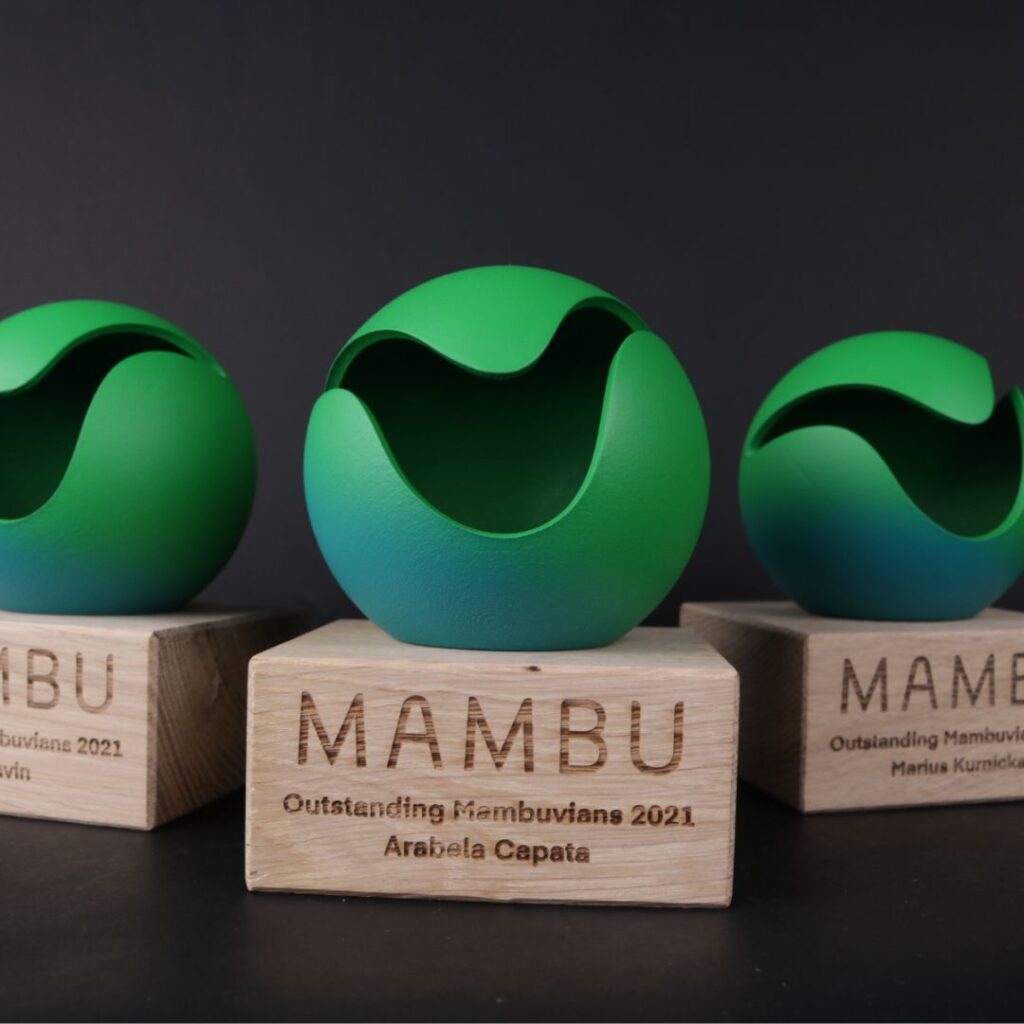
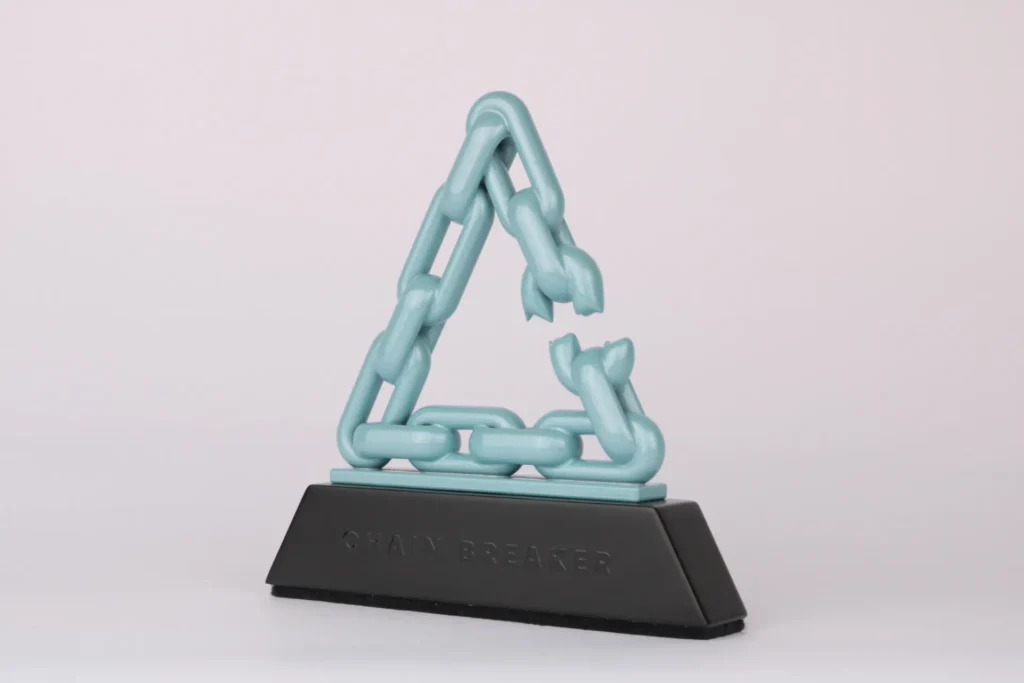
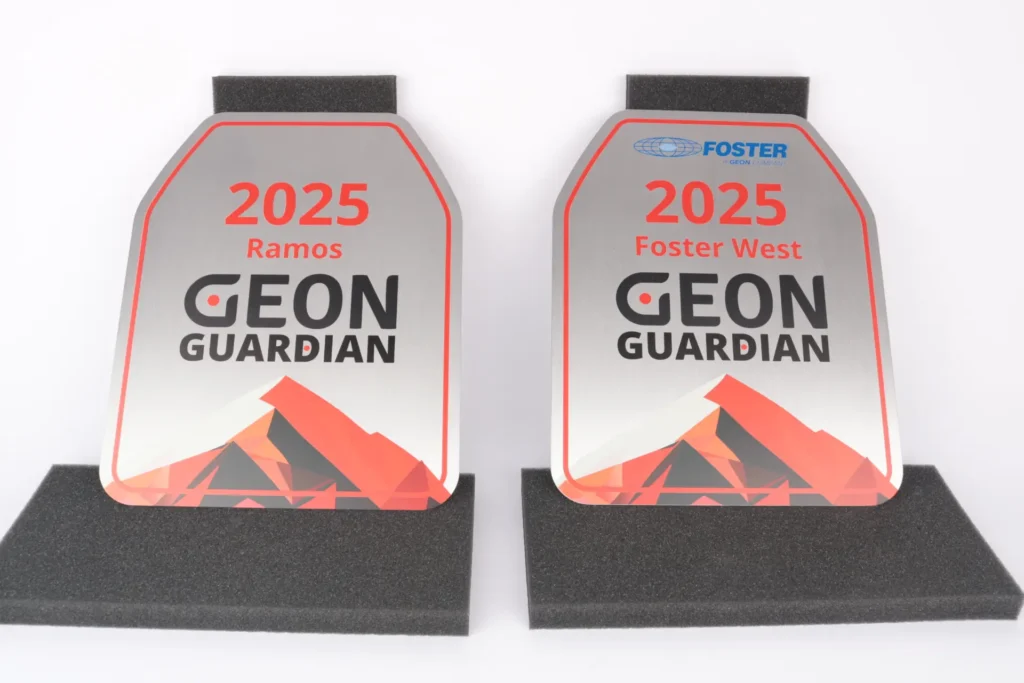
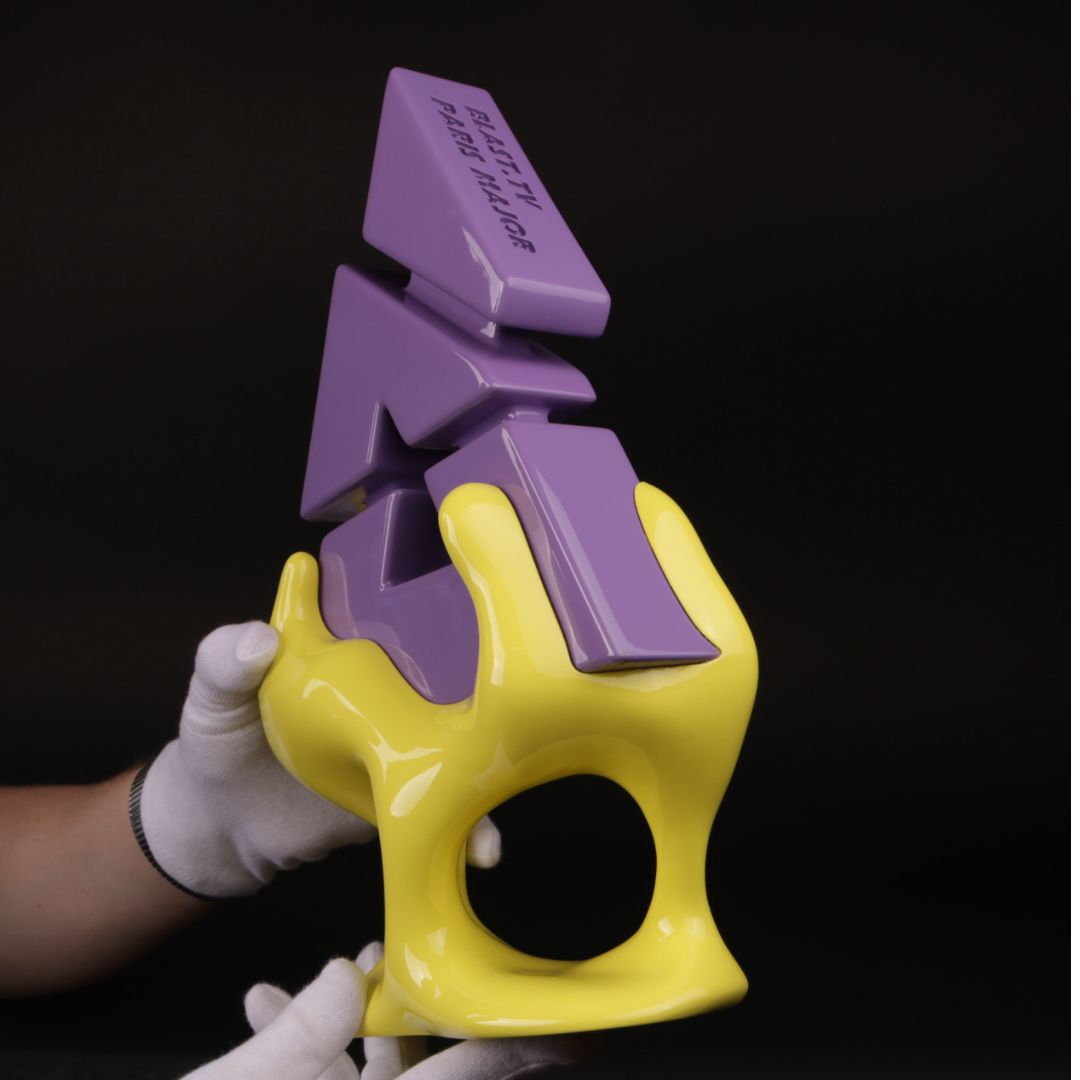
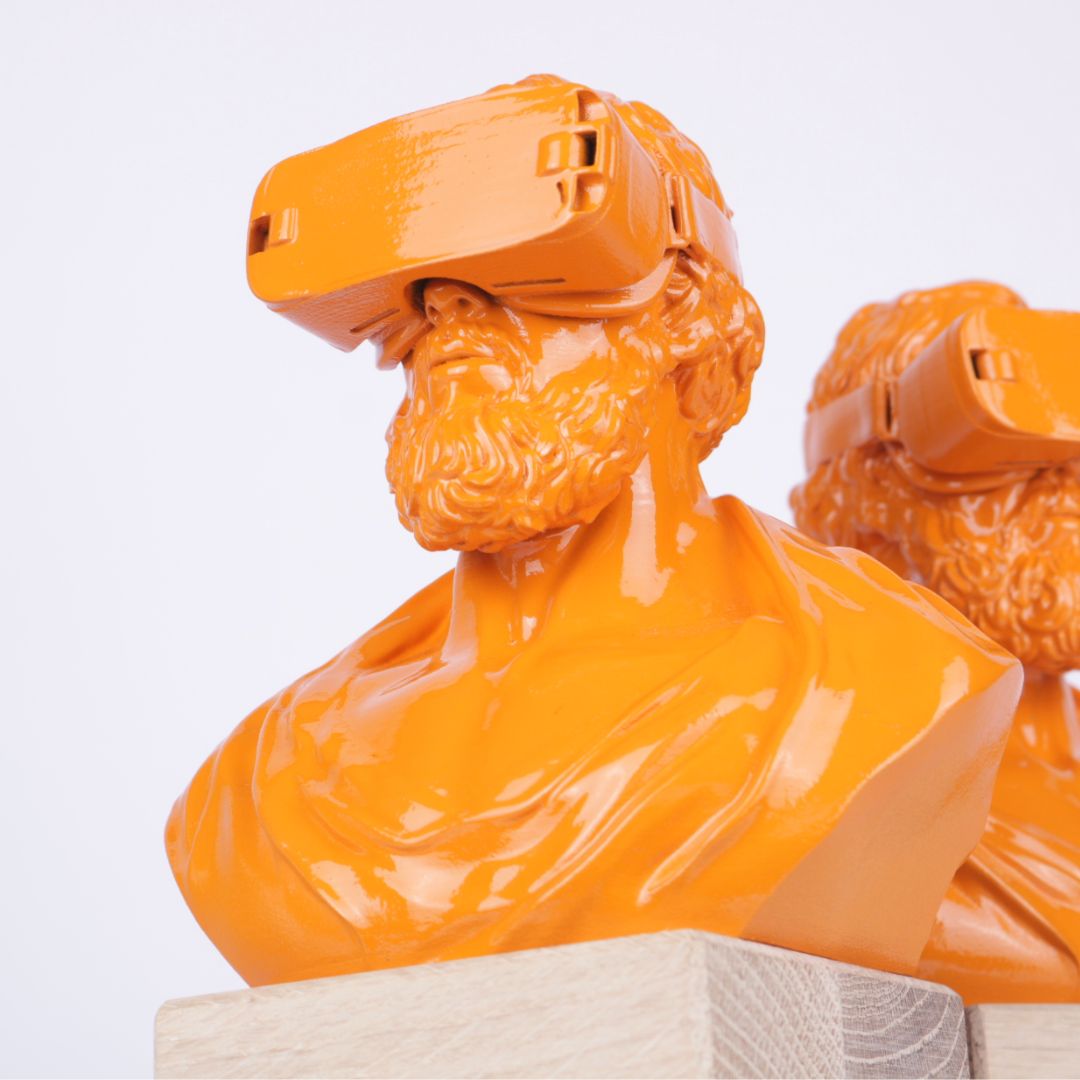
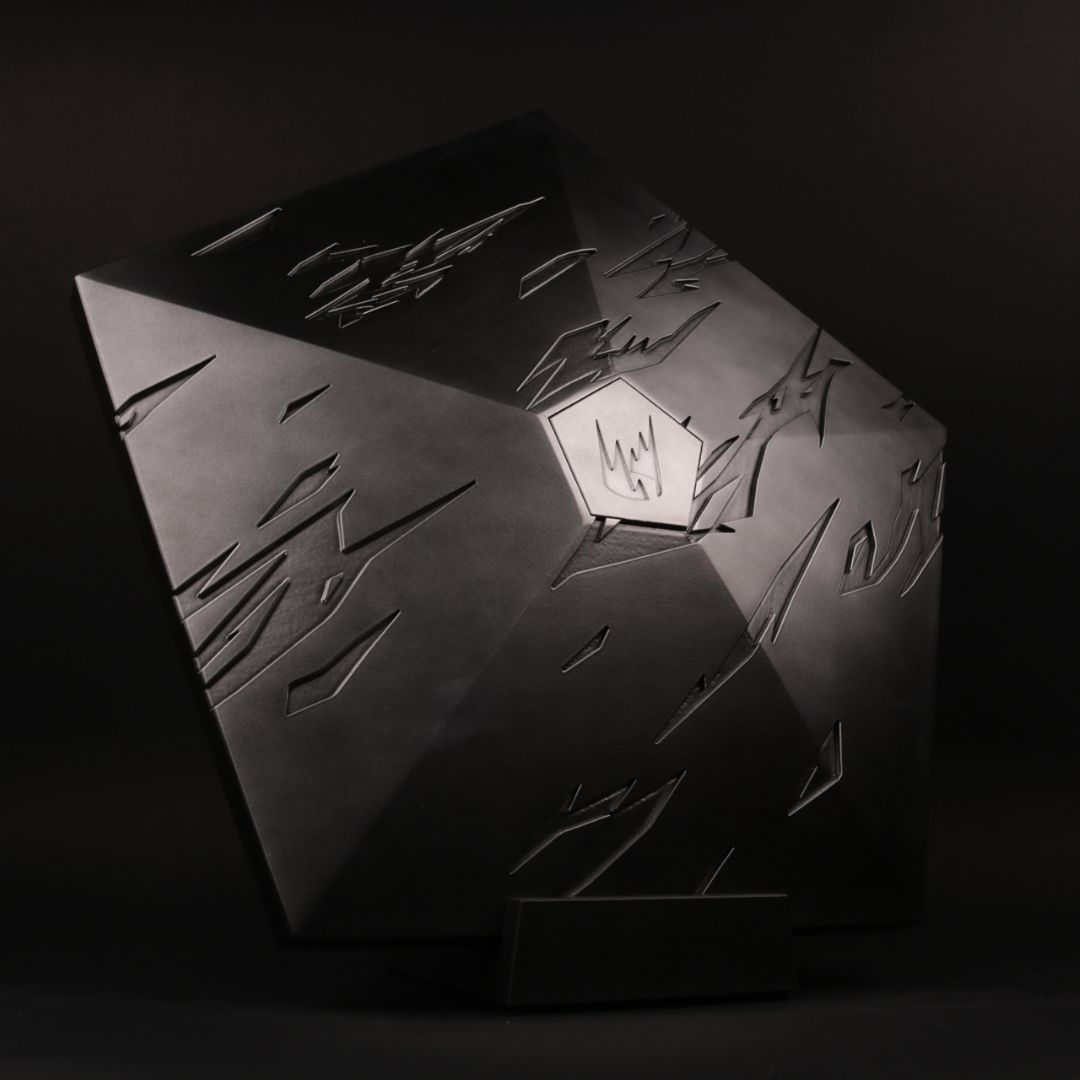
Innovative 3D printed trophies created for global brands, esports tournaments and forward-thinking organizations.



When 3D printing is the right choice
3D printing is particularly effective when structural control and geometric freedom are essential. Because additive manufacturing does not rely on molds or tooling, complex silhouettes, sharp transitions and sculptural forms can be produced without assembly constraints or structural compromise.
It becomes the preferred solution when large trophies require internal weight reduction while maintaining strength and balance. Hollow constructions and digitally optimized reinforcement zones allow mass to be reduced without sacrificing stability.
3D printing is also ideal when detailed branding, relief elements or intricate textures must be integrated directly into the structure. The fully digital workflow ensures repeatable precision across multiple units without retooling, making it suitable for both one-of-a-kind statement pieces and controlled award series.

Reviews
Bespoke trophies & awards for sports, esports, corporate and global events.
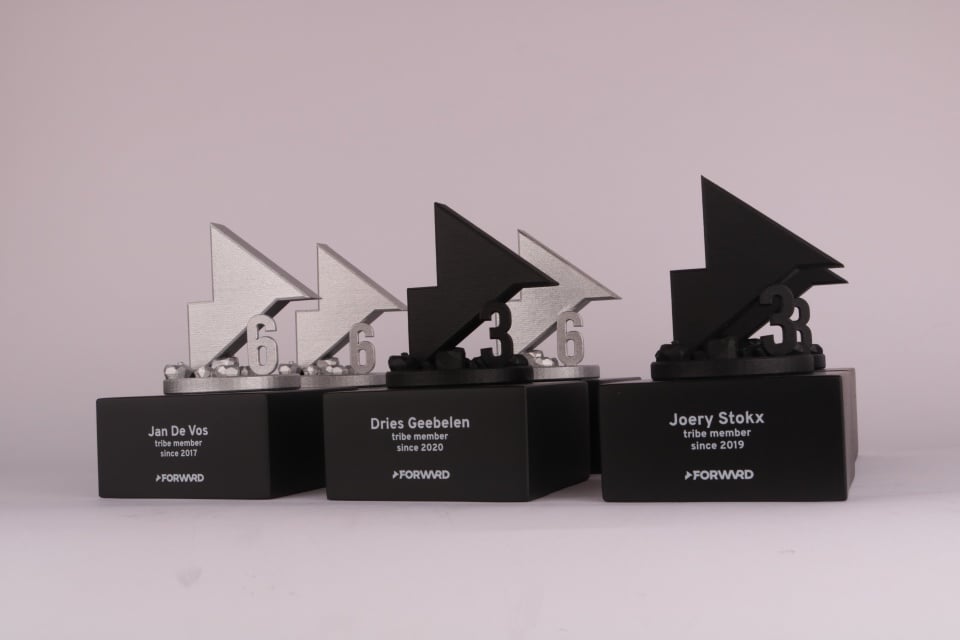
“We ordered a range of awards for our employees and were very happy with the result. Very personalized and unique.”
We ordered a range of awards for our employees. We were very happy with the result. Very personalized and unique! The team also accepts and picks up feedback to make sure we were happy with the result. Thanks team Fabit!The team actively listened to our feedback and made sure we were fully satisfied with the final outcome. Thanks, team Fabit.

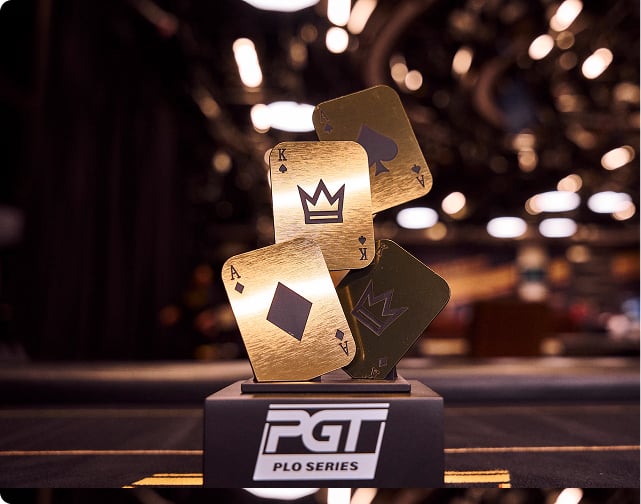
Fabit absolutely blew our expectations away with the 3D trophy for our PGT PLO Series in Las Vegas.
The players loved the look and feel. Fabit took our concept and delivered something even better than we envisioned. We will definitely work with them again.

Frequently Asked Questions
Everything you need to know about additive manufacturing, structural engineering and material performance in our 3D printing process.

Senior Account Manager
What 3D printing technologies do you use?
We primarily work with industrial SLS (Selective Laser Sintering) using PA11 nylon and high-resolution SLA resin printing. SLS allows us to produce strong, lightweight and complex structural forms without support limitations. SLA resin printing is used when ultra-smooth surfaces, fine detailing or transparency are required.
Technology selection depends on geometry, scale and finishing requirements. Each method offers specific structural and aesthetic advantages.
What materials are used in your 3D printing process?
We mainly use PA11, a high-performance nylon derived from renewable castor oil, and advanced resin systems. PA11 offers impact resistance, flexibility and excellent structural stability, making it ideal for larger or mechanically demanding trophies.
Resin provides extremely fine detailing and smooth surfaces, which is particularly suitable for premium finishing or transparent elements. Material selection is determined during the engineering phase based on strength, finish and environmental conditions.
How strong are 3D printed structures?
Structural strength is engineered digitally before production begins. Wall thickness, reinforcement zones and load-bearing areas are optimized within the 3D model. This ensures strength exactly where required, without unnecessary mass.
Industrial-grade PA11 offers high impact resistance and dimensional stability. When properly engineered, 3D printed trophies are fully capable of handling transport, repeated handling and large-scale constructions.
Can 3D printing produce hollow or lightweight structures?
Yes. One of the main advantages of additive manufacturing is the ability to create internal cavities and hollow constructions without compromising stability. Internal reinforcement patterns can be integrated into the structure to reduce weight while maintaining strength.
This is particularly important for oversized trophies, where weight balance and structural efficiency are critical.
What level of detail can 3D printing achieve?
3D printing allows for extremely fine detailing, including embossed logos, sharp edges, layered textures and intricate character elements. Because the object is built layer by layer from a digital model, complex geometry can be executed with precision.
Resolution depends on the selected printing technology, but both SLS and SLA allow for high-definition surface control suitable for professional finishing.
How does 3D printing support advanced finishing?
Because geometry is digitally controlled, surfaces can be engineered specifically for finishing compatibility. Smooth areas, sharp edges and transition zones are prepared in the modeling phase to ensure optimal adhesion of coatings and paints.
After printing, parts can undergo sanding, metallic spray coatings, matte or gloss varnishes, chrome finishes or leaf metal applications. The structural precision of the print ensures finishing quality remains consistent.
Is 3D printing a sustainable production method?
Compared to subtractive manufacturing, additive manufacturing generates significantly less material waste. In SLS printing, unused powder can often be reused in subsequent builds, reducing overall waste.
Additionally, PA11 is derived from renewable castor oil rather than petroleum-based sources. This makes it a lower-impact alternative to many traditional plastics.
Is 3D printing suitable for scalable production?
Yes. Once a digital model is validated, it can be reproduced consistently across multiple units. Additive manufacturing ensures repeatability without the need for molds or tooling adjustments.
This makes 3D printing suitable for both exclusive one-off trophies and controlled medium-scale award series where precision and consistency are essential.
s material waste. In SLS printing, unused powder can often be reused in subsequent builds, reducing overall waste.
Additionally, PA11 is derived from renewable castor oil rather than petroleum-based sources. This makes it a lower-impact alternative to many traditional plastics.
Ready to Design
Your Next Iconic Trophy?
Let’s create something worth celebrating
Share your idea with us. We’ll design and produce a custom trophy that fits your brand,
your moment and your ambition, from first sketch to worldwide delivery.
- Response time: 24 hours
- Worldwide shipping