Schwerkraftguss ist ein Metallgussverfahren, bei dem geschmolzenes Metall in eine wiederverwendbare Form gegossen wird und den Hohlraum allein durch die natürliche Schwerkraft füllt, ohne zusätzlichen Druck. So entstehen dichte, hochwertige Metallteile, die sich in einer Serie gleichmäßig reproduzieren lassen. Es ist ein verlässliches, bewährtes Verfahren, das wir einsetzen, wenn ein Design massive Metallstücke in wiederholbaren Stückzahlen verlangt und die Wertigkeit von Metallguss mit der Gleichmäßigkeit einer Dauerform verbindet.
So funktioniert der Schwerkraftguss
Der Schwerkraftguss beruht auf einer robusten, wiederverwendbaren Form, oft selbst aus Metall, in die das geschmolzene Metall sorgfältig gegossen wird. Wie der Name sagt, ist die Schwerkraft die einzige Kraft, die die Form füllt; das Metall fließt nach unten, füllt jeden Teil des Hohlraums und kühlt dann zur Form des Hohlraums ab. Nach dem Abkühlen wird die Form geöffnet, das Teil entnommen und die Form für den nächsten Guss vorbereitet. Weil die Form dauerhaft und nicht verloren ist, kann sie viele Teile herstellen, bevor sie ersetzt werden muss.
Die kontrollierte, von der Schwerkraft getriebene Füllung ergibt tendenziell dichte, einwandfreie Gussteile mit guten mechanischen Eigenschaften und feiner Oberfläche. Durch die Gleichmäßigkeit einer Dauerform gleicht jedes Teil dem vorigen, genau das, was eine Serie zusammenpassender Awards verlangt.
Warum der Schwerkraftguss für Awards wichtig ist
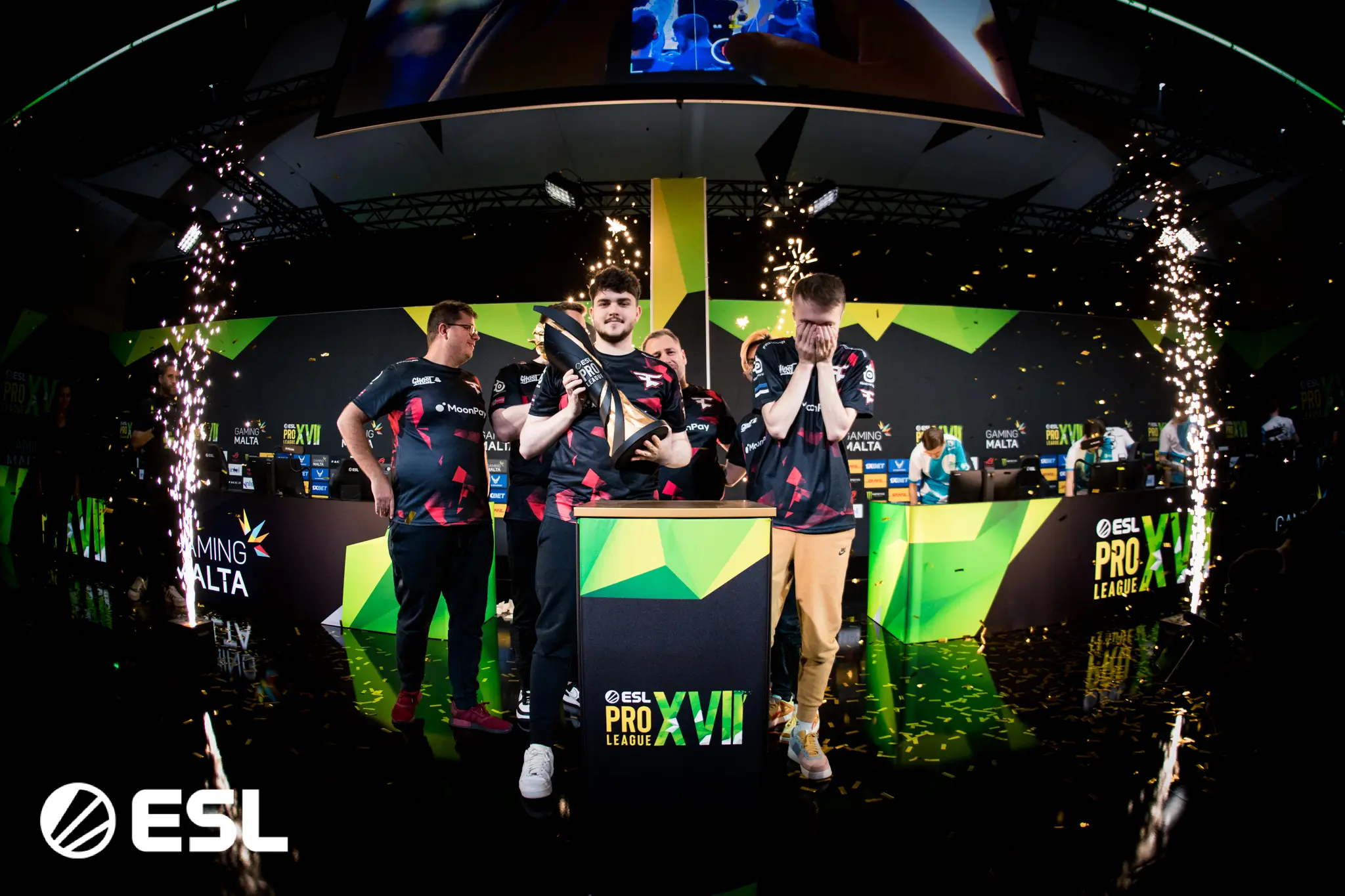
Wenn ein Anerkennungsprogramm mehrere oder viele identische Metallstücke verlangt, bietet der Schwerkraftguss ein hervorragendes Verhältnis von Qualität und Wiederholbarkeit. Jedes Gussteil hat die Präsenz und das Gewicht von massivem Metall und gleicht zugleich seinen Geschwistern, sodass ein komplettes Set von Awards einheitlich und durchdacht wirkt. Deshalb eignet sich der Schwerkraftguss gut für wiederkehrende Award-Serien, Zeremonien mit mehreren Kategorien und Anerkennungsreihen von Unternehmen in Metall.
Das Metall trägt zudem das Materialprestige, das einen Award aufwertet. Gewicht, Veredelungsmöglichkeiten und Beständigkeit von Metallguss vermitteln Bedeutung. Verbunden mit der Wiederholbarkeit einer wiederverwendbaren Form liefert der Schwerkraftguss dieses Prestige in einem Umfang, den individuelle Metallfertigung wirtschaftlich nicht erreichen könnte. Diese Fähigkeit ist Teil der umfassenderen integrierten Fertigung, die Sie hier beschrieben finden: Service für individuelle Trophäen Seite.
Stärken des Schwerkraftgusses
Der Schwerkraftguss bringt der Herstellung von Metall-Awards eine Reihe besonderer Vorteile.
- Wiederverwendbare Formen: effizient für die Herstellung wiederholter Stückzahlen eines Designs.
- Dichtes, einwandfreies Metall: die kontrollierte Füllung ergibt starke, hochwertige Gussteile.
- Gleichmäßigkeit: jedes Teil gleicht den übrigen im Set weitgehend.
- Feine Oberfläche: eine gute Gussoberfläche, die sich schön veredeln lässt.
- Materialprestige: das Gewicht und die Beständigkeit von echtem Metallguss.
Vom Guss zum fertigen Award
Ein im Schwerkraftguss gefertigtes Teil ist wie jedes Gussteil der Ausgangspunkt und nicht das fertige Stück. Nach der Entnahme aus der Form wird es nachbearbeitet, Gussreste werden entfernt und die Oberflächen gereinigt. Dann folgt die Veredelung, die bei Metall das Polieren auf Hochglanz, eine Patina für Tiefe und Charakter, Beschichtungen in edlen Tönen oder eine Lackierung für Farbe und Schutz umfassen kann. In dieser Phase verwandelt das Handwerk unseres Teams ein einwandfreies Gussteil in einen hochwertigen Award. Die Bandbreite der Oberflächen, mit denen wir arbeiten, sehen Sie hier: Materialübersicht.
Schwerkraftguss im Vergleich der Gussverfahren
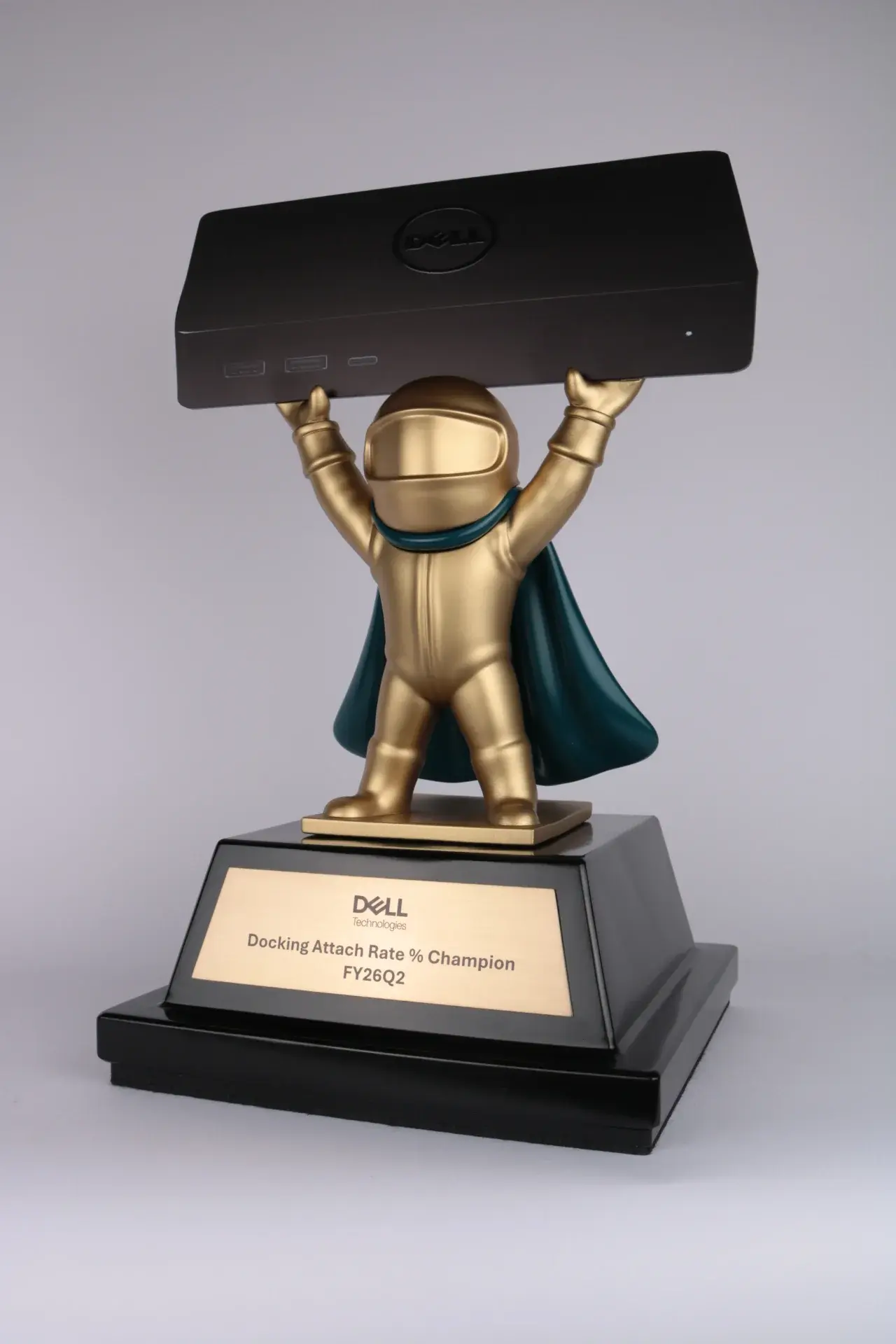
Der Schwerkraftguss ist einer von mehreren Wegen, mit denen wir Designs in Metall und Harz umsetzen, und jeder eignet sich für andere Anforderungen. Der Schwerkraftguss eignet sich für wiederholbare Metallteile aus einer Dauerform. Der Vollformguss überzeugt bei komplexen, skulpturalen Metallformen als Unikat oder in kleiner Stückzahl. Der Vakuumguss liefert hochdetaillierte Harzstücke in kleinen Serien. Welches Verfahren sich eignet, hängt von Material, Stückzahl, Geometrie und gewünschter Oberfläche ab. Diese beratende Entscheidung treffen wir mit jedem Kunden gemeinsam, damit das Verfahren zum Stück passt. Die daraus entstehende Vielfalt fertiger Arbeiten sehen Sie hier: 3D-gedruckte Trophäe Galerie.
Wie digitales Design den Prozess speist
Selbst ein traditionelles Verfahren wie der Schwerkraftguss profitiert von unseren digitalen Fähigkeiten. Modelle und Formvorlagen lassen sich aus denselben 3D-Daten entwickeln, die auch für den Druck genutzt werden, sodass ein digital verfeinertes und prototypisch gefertigtes Design bruchlos und präzise in ein Gussprogramm übergehen kann. Diese Verbindung moderner Designwerkzeuge mit etabliertem Metallhandwerk erlaubt es uns, kreativen Anspruch und verlässliche Produktion zu bieten.
Was das für Ihr Projekt bedeutet
Wenn Ihr Anerkennungsprogramm eine Serie massiver Metall-Awards in gleichbleibender Qualität verlangt, kann der Schwerkraftguss der ideale Weg sein. Weil Metallguss und Formenbau beteiligt sind, können wir in einem frühen Gespräch zu Machbarkeit, Stückzahl, Oberfläche und Zeitplan beraten. Teilen Sie Ihr Konzept mit uns über Designstudio und unser Team führt Sie zum passenden Verfahren für Ihr Briefing.
Wiederholbares Prestige, weltweit geliefert
Die große Stärke des Schwerkraftgusses für Award-Programme ist, dass er Prestige wiederholbar macht. Mit einer Dauerform können wir eine Serie massiver Metallstücke mit gleichem Gewicht, gleicher Oberfläche und gleichen Details fertigen, sodass ein Set von Awards einheitlich wirkt, egal wie viele Empfänger es erhalten oder wo sie sich befinden. Für Organisationen, die Leistungen Jahr für Jahr würdigen, bedeutet diese Wiederholbarkeit, dass jede Ausgabe der vorigen entsprechen kann und so eine wiedererkennbare Identität rund um den Award entsteht.
Weil Formenbau, Guss und Veredelung von einem Team koordiniert werden, können wir die Produktion an Ihren Zeitplan anpassen und die Verantwortung für das gesamte Ergebnis übernehmen, statt nur für einen einzelnen Schritt. Sind die Stücke fertig, kümmern wir uns um den weltweiten Versand und verpacken jeden Metall-Award so, dass er mit seiner vollen Präsenz ankommt. Den gesamten Prozess untermauern wir mit unserer Zusage, jede Anfrage innerhalb von 24 Stunden zu beantworten, damit Ihr Programm nie auf eine Antwort warten muss.
Häufig gestellte Fragen
Ist der Schwerkraftguss für Unikat-Awards geeignet? Das kann sie sein, ihre Effizienz zeigt sich aber vor allem bei wiederholten Stückzahlen. Für ein einzelnes skulpturales Metallstück ist der Vollformguss oft der bessere Weg. Wir beraten projektbezogen.
Wie gleichmäßig sind im Schwerkraftguss gefertigte Awards? Sehr gleichmäßig. Eine Dauerform reproduziert jedes Teil sehr genau und gibt einem Set von Awards eine einheitliche, durchdachte Anmutung.
Lassen sich im Schwerkraftguss gefertigte Stücke polieren oder beschichten? Ja. Metallgussteile lassen sich hervorragend veredeln, ob blank poliert, patiniert, beschichtet oder lackiert, wie unsere Materialübersicht zeigt.
Worin liegt der Unterschied zum Vollformguss? Der Schwerkraftguss nutzt eine wiederverwendbare Form für wiederholbare Teile, während beim Vollformguss ein Schaummodell verdampft, um komplexe Unikatformen zu erfassen. Jedes Verfahren eignet sich für andere Anforderungen.
Verwandte Begriffe