Best employee recognition award ideas for 2026: fresh approaches for US companies
Employee recognition award ideas for 2026 need to reflect how the workplace has changed. Remote and hybrid working, generational shifts in how people relate to institutional recognition, and a growing emphasis on values-aligned recognition all require organizations to think more carefully about what they give, how they give it, and whether what they are doing genuinely motivates the people it is meant to reach. A recycled approach to recognition is unlikely to produce fresh results.
This article presents practical recognition award ideas organized by program type, occasion, and recipient context. It is aimed at HR leaders, people operations teams, and managers who want to commission awards that mean something and produce the behavioral outcomes that recognition programs are designed to support.
Fabit
Recognition awards your team keeps
Fabit designs and produces custom recognition awards for corporate programs, from employee of the year to long service. In house production, consistent quality at any volume.
Rethink what your recognition awards are actually communicating
Before committing to specific award ideas, it is worth examining what your current recognition program communicates to employees. Many organizations present recognition awards that signal “we are ticking a recognition box” rather than “we genuinely value this specific contribution.” The difference is felt by recipients even when it is not consciously articulated.
Recognition awards communicate most powerfully when they are clearly connected to the specific behavior or achievement being recognized. An award labeled “Excellence Award” tells the recipient they have done something the organization values. An award labeled “Customer Champion Award, for resolving 200 complex issues with exceptional feedback scores” tells a specific story about a specific contribution.
The specificity of recognition is more important than its scale. Research on employee motivation consistently shows that specific, timely recognition has stronger behavioral impact than large-scale generic recognition. This principle should shape both what is written on the award and what is said at its presentation.
Redesigning recognition award programs for 2026 is an opportunity to audit existing categories and ask honestly whether each one is earning its place. Categories that nobody is excited about receiving or presenting are candidates for elimination or redesign. Programs that are pared down to genuinely meaningful categories typically have more impact than those with inflated lists of awards for every possible achievement type.
Long-service and tenure recognition ideas
Long-service awards remain one of the most consistent elements of US employee recognition programs, but the format and substance of what is given at tenure milestones has evolved significantly. The engraved plaque that dominated this category for decades has largely given way to more varied and personal recognition approaches.
Experience-based recognition, funding a meaningful personal experience chosen by the recipient, is increasingly preferred over physical awards at tenure milestones, particularly by younger employees. A travel voucher, a learning experience, or a substantial personal choice award signals individualization that a generic plaque cannot convey.
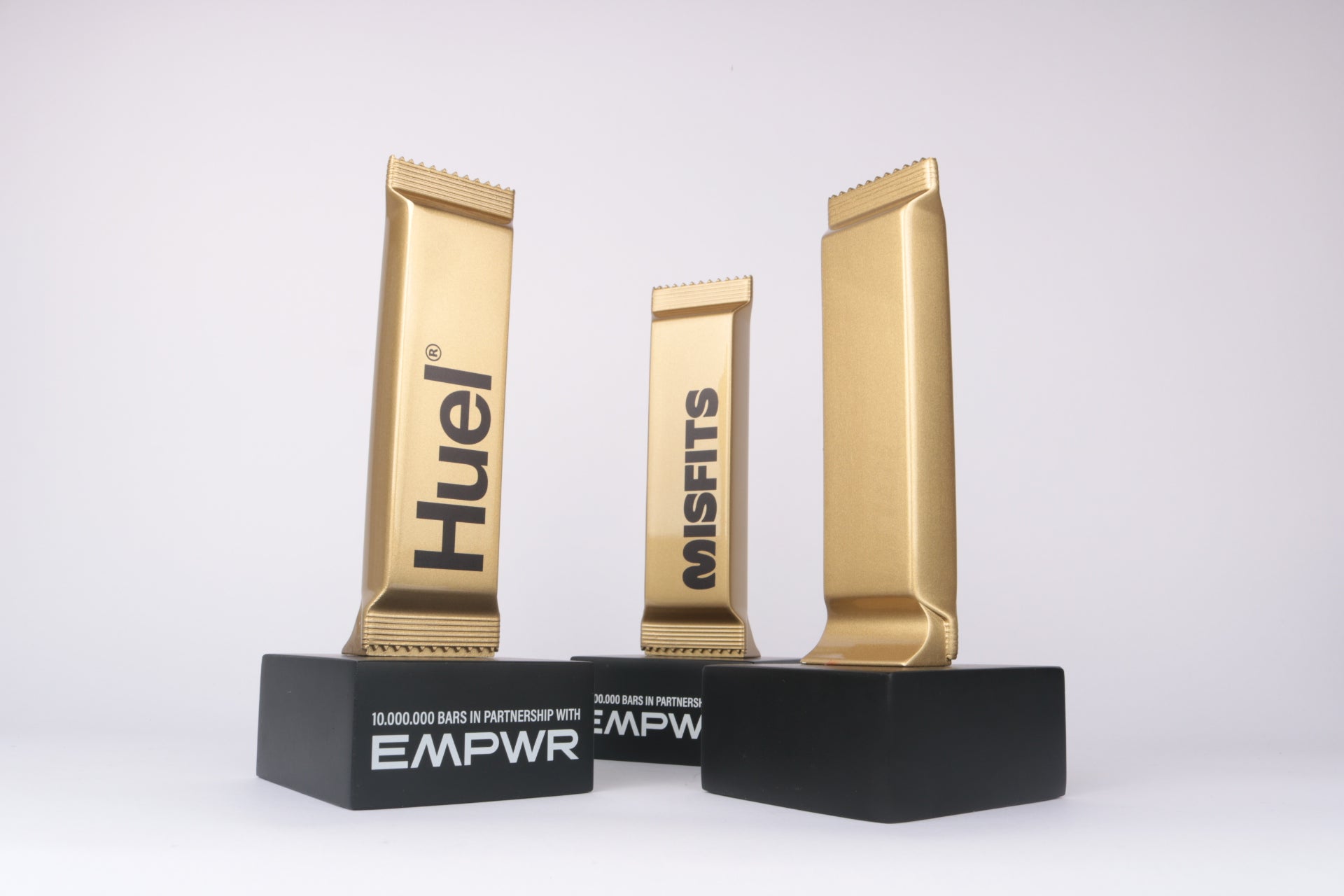
Where physical awards are given at tenure milestones, they work best when they acknowledge the specific journey rather than just the years counted. A custom trophy that incorporates a design element specific to the recipient’s department, team, or career history, rather than a standard long-service piece with only a date changed, creates a genuinely personal recognition moment.
Premium materials at significant milestones signal proportionate investment. A five-year milestone deserves something different from a twenty-five-year milestone. Using progressively better materials, from quality glass at five years to premium crystal or metal at twenty-five, creates a visible tier structure that employees notice and aspire to.
Performance-based award ideas
Performance recognition is where most award programs are strongest, and where there is also the most risk of recognition becoming a numbers exercise divorced from human meaning. Performance awards that recognize what the numbers represent, the effort, the problem-solving, the persistence, are more motivating than those that simply display the metric achieved.
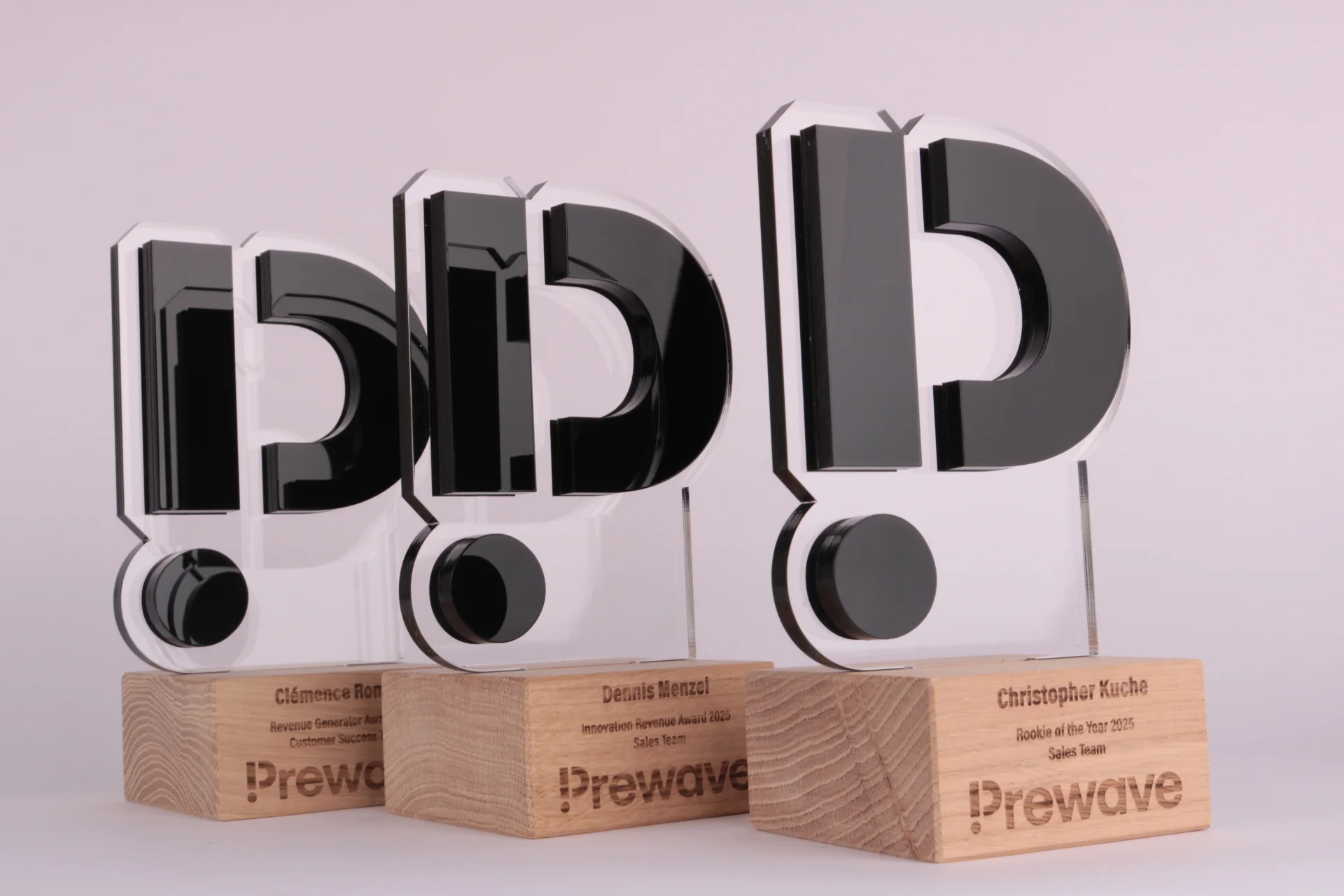
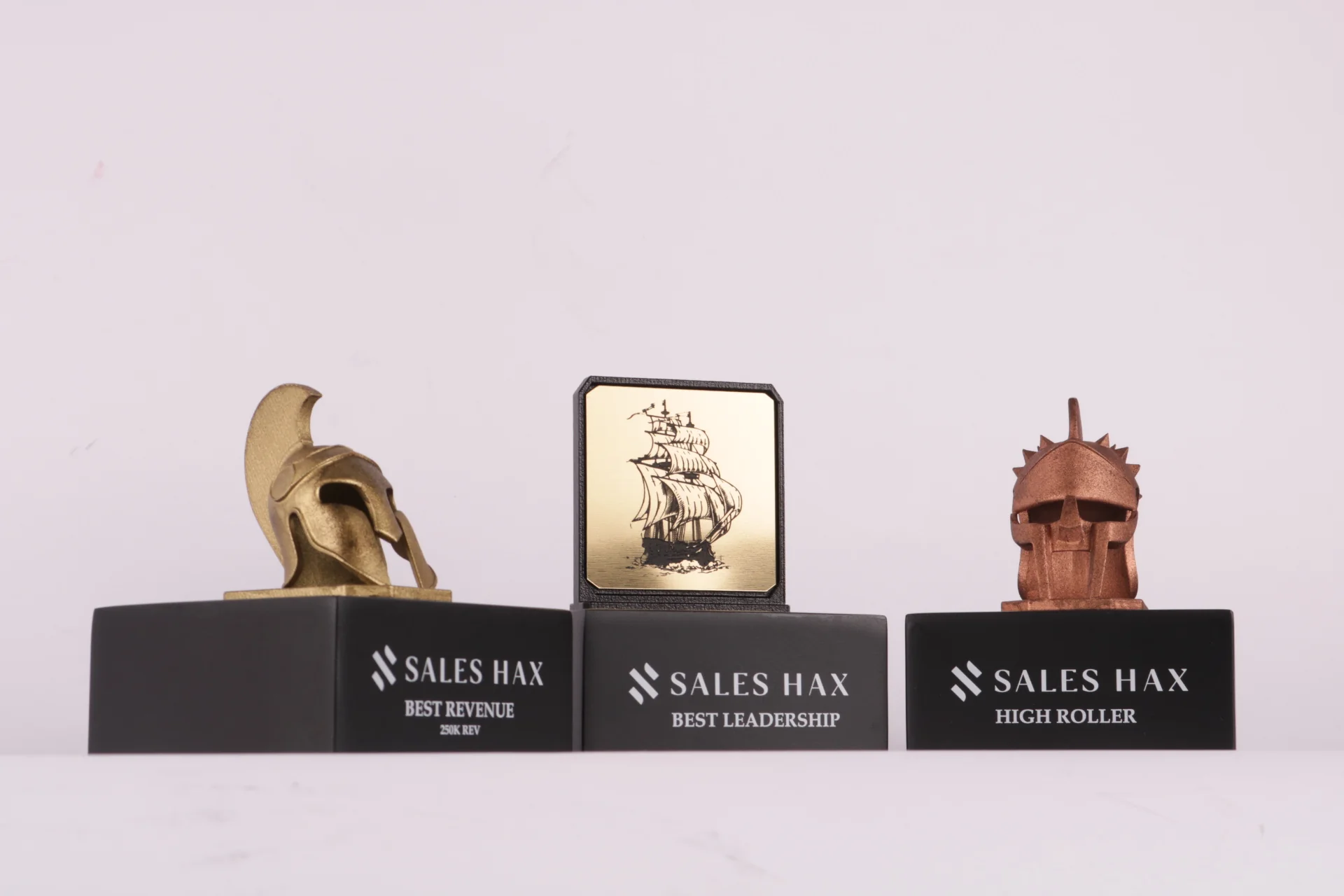
Sales achievement awards benefit from a design language that reflects energy and ambition rather than corporate formality. Bold materials, dynamic forms, and clear visual differentiation from standard recognition pieces signal that reaching a sales target is a significant achievement worth distinctive recognition.
Customer satisfaction and service excellence awards recognize behaviors that directly affect how external audiences experience the organization. These categories benefit from recognition that is specific and visible, presented in front of the team and communicated externally as well as internally. The award design should reflect the premium character of client relationships.
Innovation awards are increasingly important as organizations look to recognize contributions that go beyond metrics. Recognizing creative problem-solving, process improvement, and ideas that affect organizational capability signals that the organization values thinking as much as it values doing. The award design for innovation categories should feel as contemporary and forward-looking as the behavior it rewards.
Team and departmental award ideas
Individual recognition programs leave a significant gap if they do not also acknowledge team achievement. In organizations where most meaningful work is collaborative, recognizing only individuals creates a recognition landscape that is misaligned with how work is actually done.
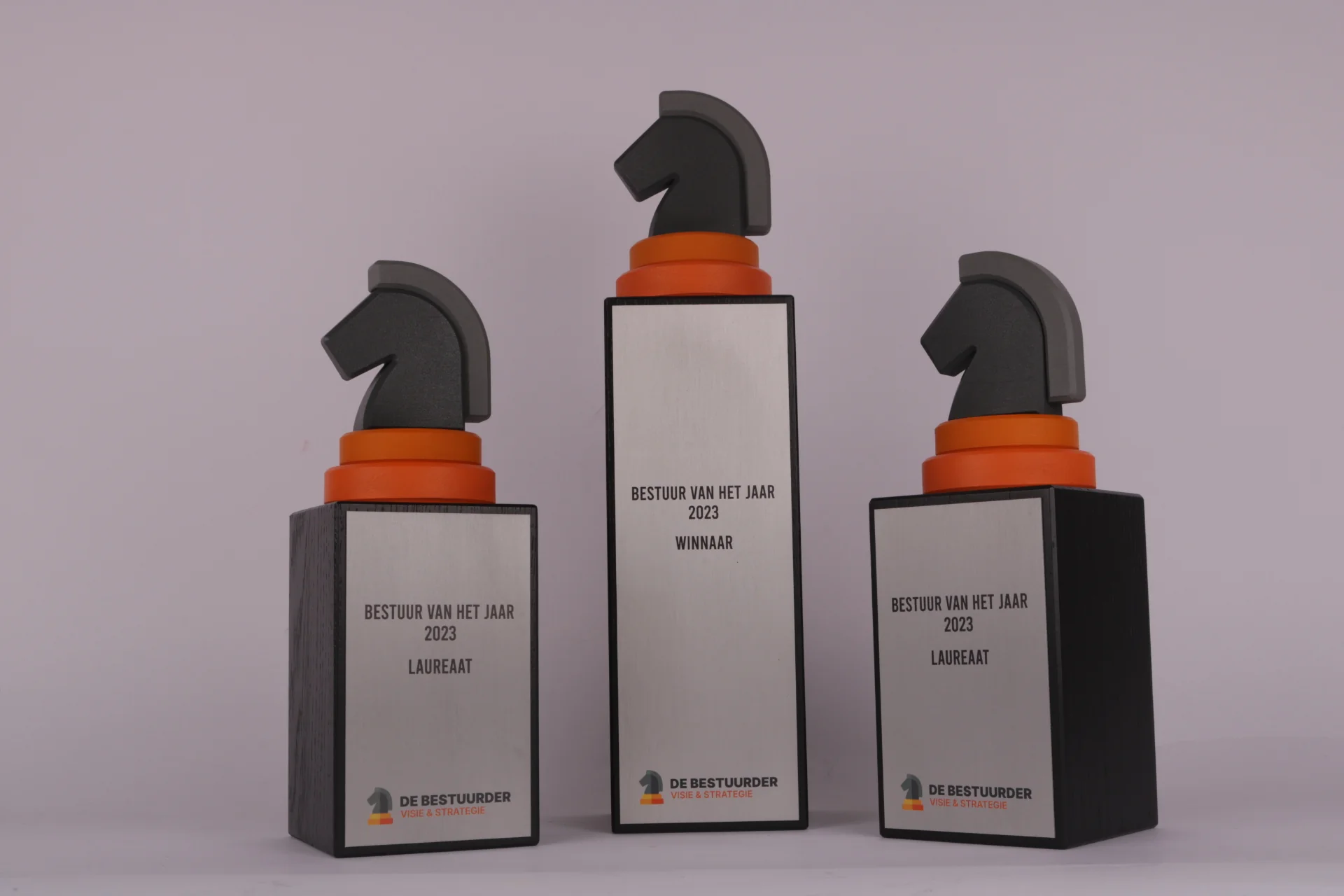
Team trophies that are displayed in the team’s shared space, rather than taken home by an individual, create a different kind of recognition experience. They become part of the team’s physical environment and serve as a visible, ongoing reminder of what the group has achieved together. This display function requires careful consideration of size, weight, and aesthetic appropriateness for an office environment.
Departmental awards that recognize the collective performance of a whole function, a customer service team’s annual satisfaction improvement, a finance department’s audit result, signal organizational values clearly. Every member of the recognized team shares in the recognition, which has significant implications for team culture and cohesion.
Inter-departmental or project-based team awards are particularly relevant in matrix organizations where significant work crosses functional boundaries. Recognizing the cross-functional teams that deliver major projects or initiatives acknowledges a form of collaboration that standard departmental recognition misses entirely.
Peer-to-peer recognition award ideas
Top-down recognition is valuable, but peer recognition has distinct motivational properties that hierarchical programs cannot replicate. Being recognized by people who understand the day-to-day realities of the work, because they do similar work themselves, carries a different kind of credibility than recognition from senior leaders who may be several steps removed from the operational context.
Peer nomination-based awards, where employees nominate colleagues for recognition categories, create a more distributed and democratic recognition experience. The act of nominating someone for recognition is itself a form of appreciation. The nominated recipient experiences recognition as genuinely felt by their peers rather than assigned by a manager.
Physical peer recognition awards should be appropriately scaled to the nature of the recognition. These do not need to be as elaborate or expensive as leadership-presented achievement awards. A well-designed, quality piece at a modest price point communicates genuine appreciation without the institutional weight of a formal achievement award.
Digital peer recognition platforms are increasingly used alongside physical award programs. These systems allow frequent, lightweight recognition moments to supplement less frequent but more substantial physical awards. The combination of digital immediacy with physical permanence serves different recognition needs that neither format alone can address.
Values-based recognition award ideas
Organizations with strong stated values increasingly commission award programs specifically designed to recognize employees who embody those values in their daily work. Values-based recognition programs signal that the stated values are genuinely taken seriously rather than serving purely as communication materials.
A values-based award program typically creates one award category for each core value. This creates clarity about what each award means and makes the connection between the recognition and the organizational value explicit and visible. Recipients understand exactly which value they are being recognized for embodying.
The design of values-based awards should reflect the specific value being recognized. An award for collaboration might incorporate a design that visually suggests connection or shared effort. An award for innovation might use a more forward-looking or experimental design language. These design choices reinforce the message of the recognition itself.
Values-based recognition programs require consistent and objective application of the criteria to be effective. When employees perceive that values awards are given based on relationships or visibility rather than genuine values embodiment, the program loses its credibility quickly. Transparent nomination and selection processes protect against this perception.
Years-of-service alternatives worth considering
Traditional years-of-service award programs, where everyone receives the same award at the same milestone regardless of their role, contribution, or personal preferences, are increasingly recognized as an underperforming recognition investment. Several alternatives have emerged that are better calibrated to individual recipients.
Choice programs, where recipients select from a curated set of recognition options at each milestone, acknowledge that different people value different things. One employee might choose a physical award; another might prefer a premium experience; a third might choose a professional development opportunity. All three outcomes reflect genuine recognition of the milestone; the choice itself signals respect for individuality.
A personal letter from senior leadership, specific to the individual, describing their particular contributions and what the organization values about them, often has more emotional impact than a physical award alone. Combining a quality physical recognition piece with a personal letter creates a recognition moment that is both tangible and specific.
Contribution milestones, recognizing what someone has accomplished rather than how long they have been present, are a powerful alternative or supplement to tenure recognition. A recognition program that acknowledges five significant project completions, or a hundred commendations received, or a mentorship milestone creates recognition around outcomes rather than simply time.
Recognition for remote and hybrid teams
Remote and hybrid working creates specific recognition challenges that programs designed for co-located teams do not address well. When a significant proportion of a team is never physically present together, the social and communal dimensions of recognition ceremonies need to be reconsidered.
Virtual recognition events, when well-produced with professional presentation rather than an informal video call, can create genuine communal recognition moments for distributed teams. Quality of production matters enormously: a low-quality virtual event diminishes rather than reinforces the recognition. Investment in event quality applies equally to virtual formats.
Physical awards shipped directly to remote employees at home serve a different display function than office-displayed pieces. They become visible in the employee’s home working environment, which may be seen by colleagues during video calls. Design considerations for home display, size, aesthetic character, suitability for residential environments, matter differently than for office awards.
Recognition timing for remote employees requires more deliberate thought than for co-located teams. When everyone is not in the same physical space, recognition moments do not naturally occur as part of shared physical experience. Building recognition cadences, specific moments in team meetings or events dedicated to recognition, prevents it from being crowded out by operational content.
Leadership and executive recognition ideas
Recognizing organizational leaders presents specific design challenges. Leaders’ awards are often more publicly visible than those given to individual contributors and are sometimes photographed for external communications. The design standards for leadership recognition should reflect this visibility.
Executive recognition awards should be genuinely distinctive from operational recognition pieces. If the CEO’s award looks like a slightly larger version of the employee-of-the-quarter trophy, the visual distinction between recognition levels is lost. Premium materials, bespoke design, and exceptional quality finishing all contribute to creating the appropriate differentiation.
Board and investor recognition gifts, marking significant milestones like IPOs, major acquisitions, or company anniversaries, are typically closer to luxury gift-giving than conventional employee recognition. Corporate awards for these audiences should reflect the same premium quality standards that would apply to any high-value client gift in the organization’s category.
Retirement recognition for senior leaders is an occasion where the investment in recognition quality is particularly justified. A genuinely excellent piece produced specifically for the occasion, incorporating career highlights, significant achievements, and personal elements, creates a lasting commemoration of a substantial career that will be displayed and treasured for decades.
Awards for new and emerging categories
Recognition programs in 2026 are responding to new categories of achievement and new types of work that were not prominent in earlier program designs. Environmental contribution, digital transformation, community impact, and mental health leadership are all emerging as recognition categories in forward-thinking organizations.
Sustainability and environmental contribution awards recognize employees who drive the organization’s environmental performance through behavior, innovation, or advocacy. The material choice for these awards should reflect the values they represent: natural materials, recycled content, or certified sustainable sources align the award’s physical character with its meaning.
Digital transformation recognition acknowledges the individuals and teams driving technology adoption and process modernization within organizations. Awards in this category benefit from a contemporary design language, clean, precise, forward-looking, that reflects the digital culture they celebrate.
Mental health and wellbeing champions, individuals who have made significant contributions to the psychological safety and wellbeing of their teams, represent a recognition category that is growing as organizations take mental health more seriously. These awards require thoughtful design that feels supportive and human rather than corporate and institutional.
Community impact recognition acknowledges contributions that extend beyond organizational performance to the wider community. This category has grown as organizations recognize the value of community engagement and social contribution as part of their employee value proposition. Awards in this category can incorporate materials or manufacturing processes with genuine social significance.
Getting buy-in for recognition program investment
A recognition program is only as effective as the organizational commitment behind it. Getting leadership buy-in for appropriate investment in recognition award quality requires connecting the program to outcomes that senior leaders care about: engagement, retention, performance, and culture.
Recognition investment should be evaluated against the cost of the alternatives. If a quality recognition program contributes to even a modest reduction in unwanted turnover, the financial value of that retention typically far exceeds the total cost of the program. Making this calculation explicit for finance and leadership decision-makers strengthens the case for appropriate investment.
Program ownership matters for sustainability. Recognition programs that are owned by HR but not actively championed by senior leaders typically underperform those where leaders are visibly and genuinely engaged with the recognition process. Designing leadership involvement into the program, through presentation of awards, personal communication at recognition moments, creates the visible commitment that gives the program credibility.
Measurement and reporting on recognition program outcomes, participation rates, employee feedback, connection to engagement survey results, demonstrates the program’s value and justifies continued or increased investment. Programs that can show their impact are much easier to sustain and improve than those that operate without evidence of their effectiveness.
Recognition that makes the moment count
The best employee recognition award ideas for 2026 are those that connect specific, meaningful recognition to specific, meaningful contributions, and that communicate through material quality and thoughtful design that the organization takes recognition seriously. These two qualities together produce recognition programs that employees actually value rather than programs that simply tick a process requirement.
The organizations that get this right understand that recognition is not primarily about the physical object, important as it is. It is about the moment of genuine acknowledgment that the object represents and helps to create. Investing in both the substance and the form of recognition is what makes it genuinely work.