
Metal
Metal brings weight, precision and authority to a trophy or award. It delivers structural strength, refined detailing and long-term durability. From brushed finishes to mirror-polished surfaces, metal defines presence through material substance.
Why metal performs differently
Unlike lighter materials, metal carries inherent rigidity and density. This makes it particularly suitable for awards where structural integrity and tactile presence are essential.
Structural strength and stability
Metal components provide natural rigidity and dimensional stability. They perform reliably under lifting, transport and long-term display without warping or surface fatigue.
Precision cutting and contour control
Using laser cutting, CNC machining and precision forming techniques, metal allows sharp edges, clean geometry and accurate logo integration. Details remain crisp and controlled even in complex designs.
Refined surface finishing
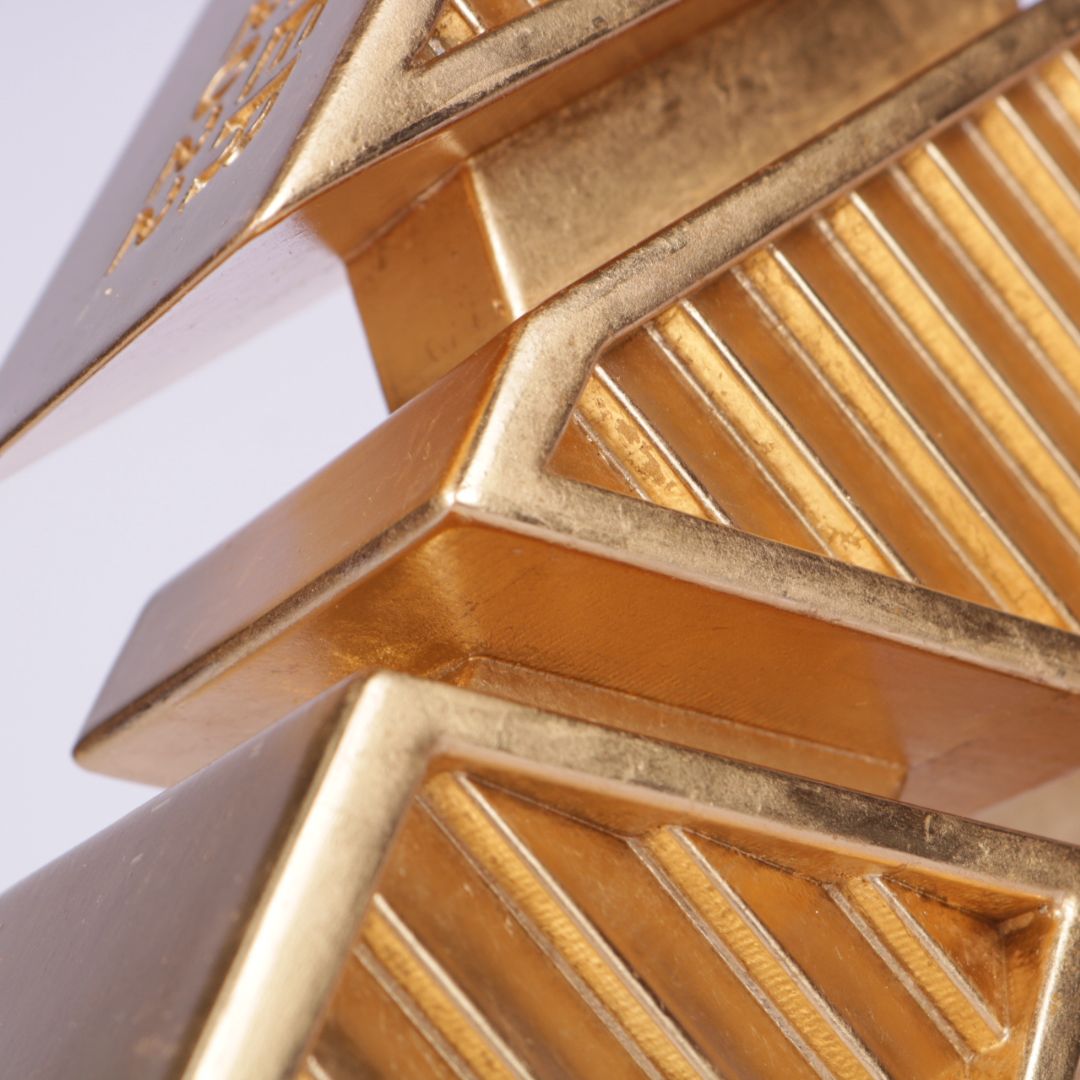
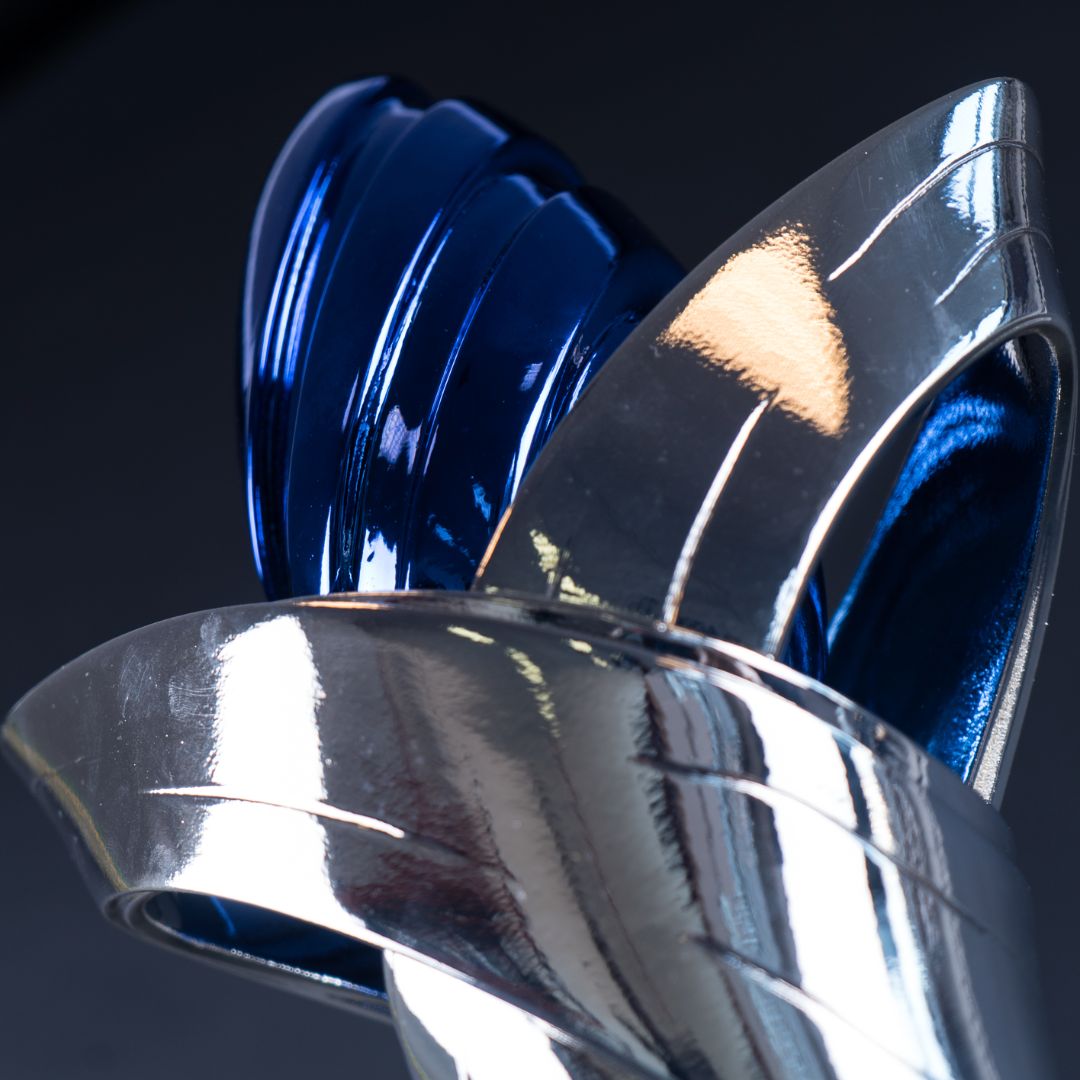
Metal supports a wide range of professional finishes, including brushing, polishing, anodizing, plating and powder coating. These treatments influence reflectivity, texture and durability while enhancing visual depth.
Metal as structural foundation
Metal is never applied as a superficial element. In many projects it functions as a structural foundation that supports and stabilizes other materials such as acrylic, crystal or 3D printed components. Its natural density introduces balance and controlled weight into the overall construction.
In larger trophies or executive awards, this structural role becomes even more important. The rigidity of metal helps distribute mass evenly and prevents instability, especially in designs with elevated centers of gravity or layered material combinations.
Because these structural decisions are defined early in the engineering phase, metal components are integrated intentionally rather than added as decorative afterthoughts. The result is a cohesive construction where strength, proportion and material presence work together seamlessly to create awards that feel substantial and built to last.
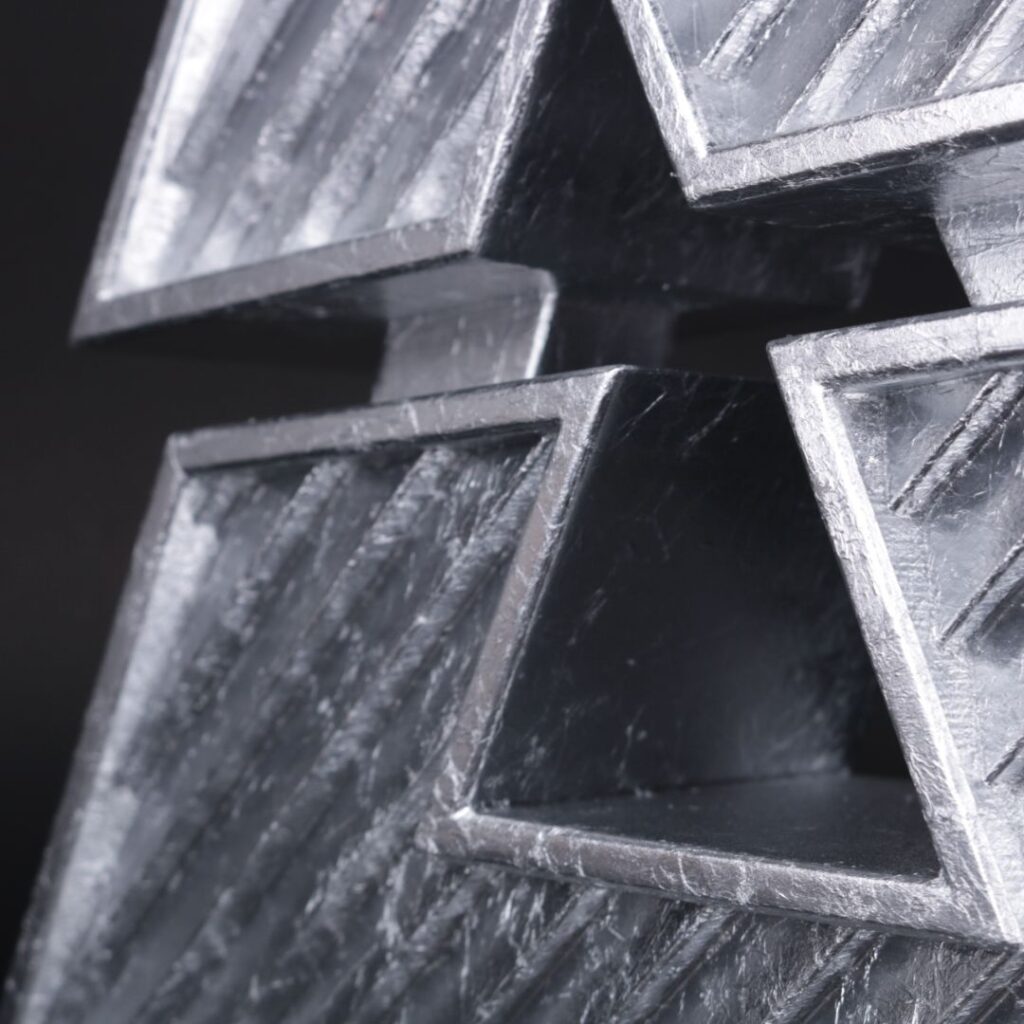
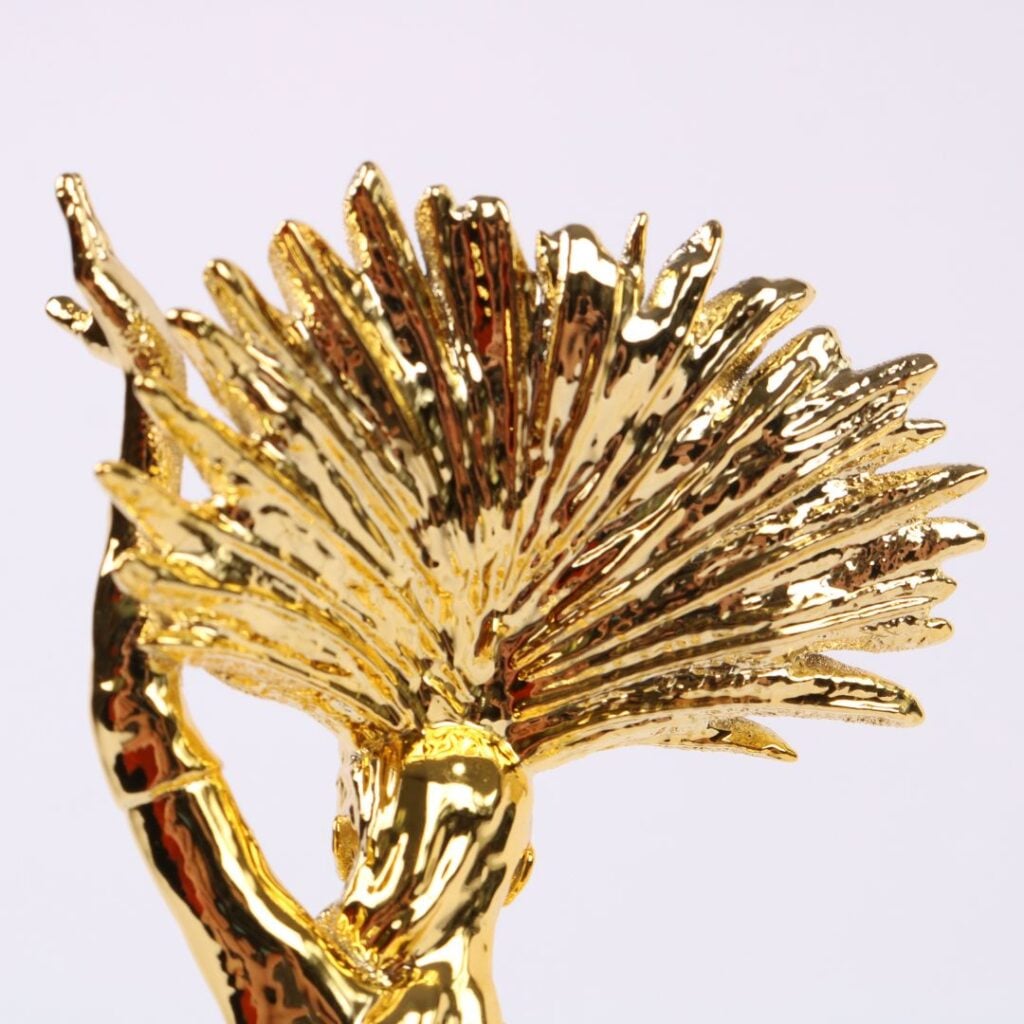
Engineered from raw material to refined form
Every metal component is engineered with precision and finishing strategy in mind.
We work with stainless steel, aluminum and brass depending on structural requirements and aesthetic goals. Each material offers different performance characteristics in terms of strength, weight and corrosion resistance.
Surface treatment is defined during the design phase. Brushed textures, high-polish surfaces or protective coatings are selected based on environment and intended longevity.
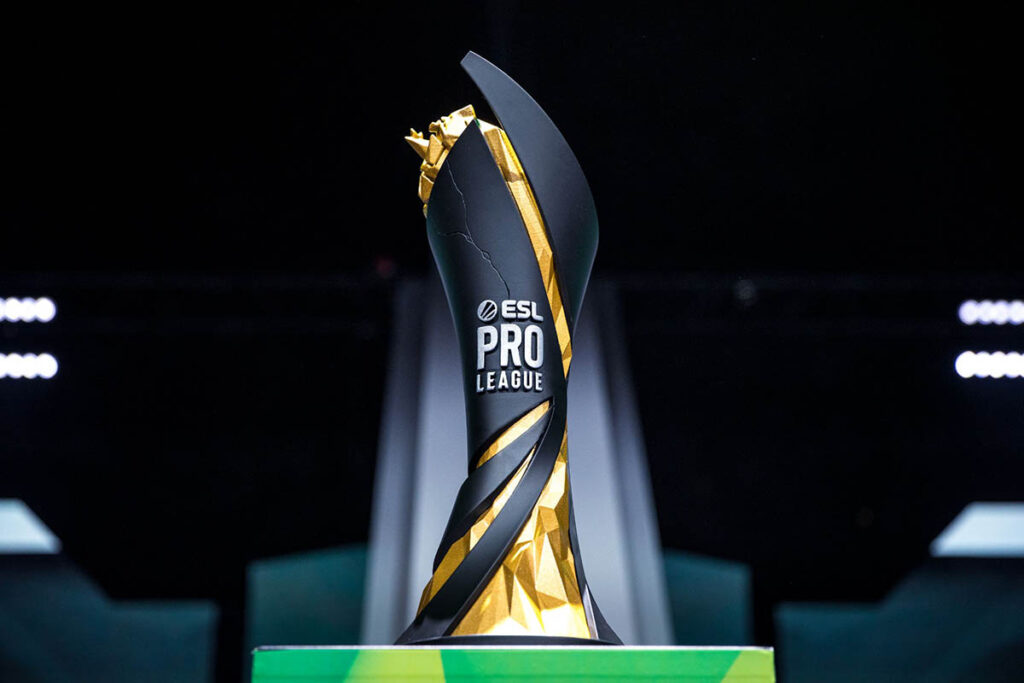
Metal is often combined with crystal, acrylic or composite structures. This layered construction allows contrast between weight and transparency, texture and reflection, creating depth without compromising stability.
Our cases
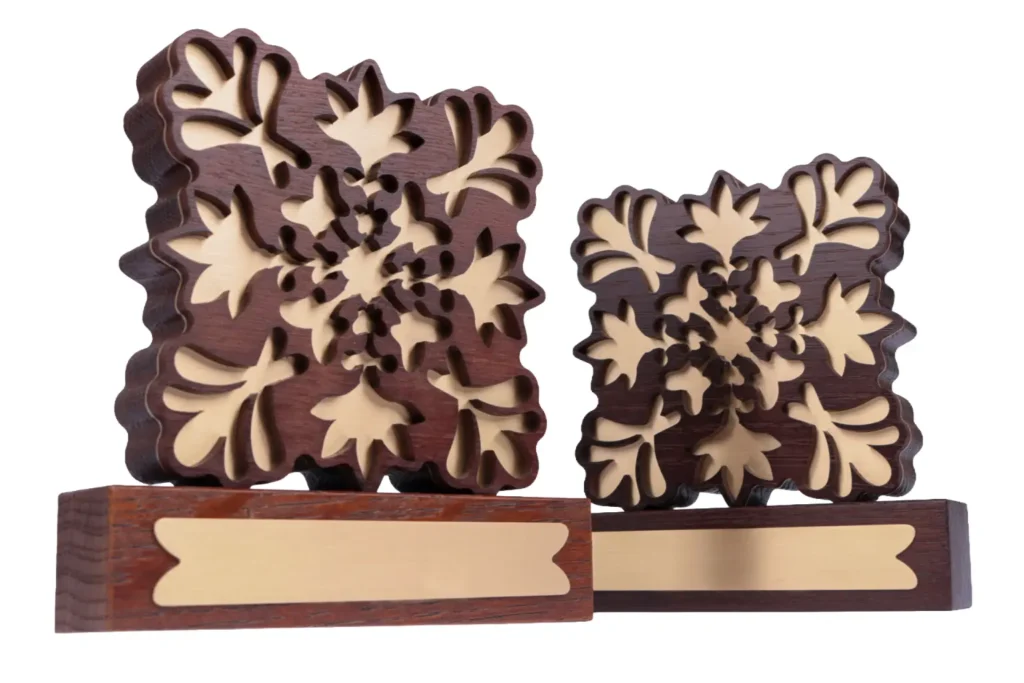
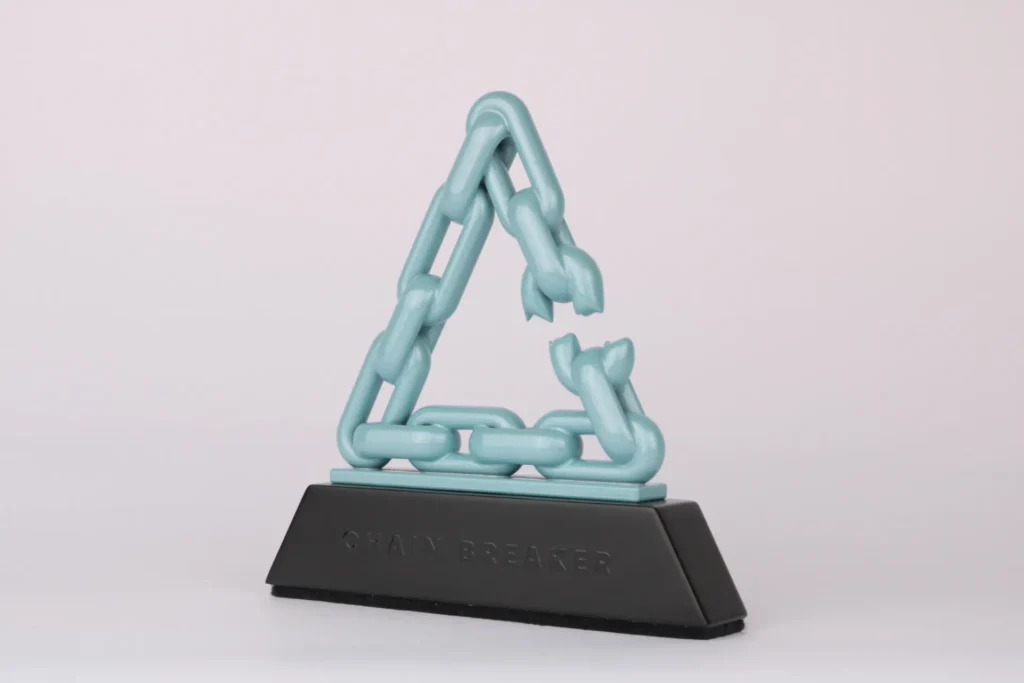
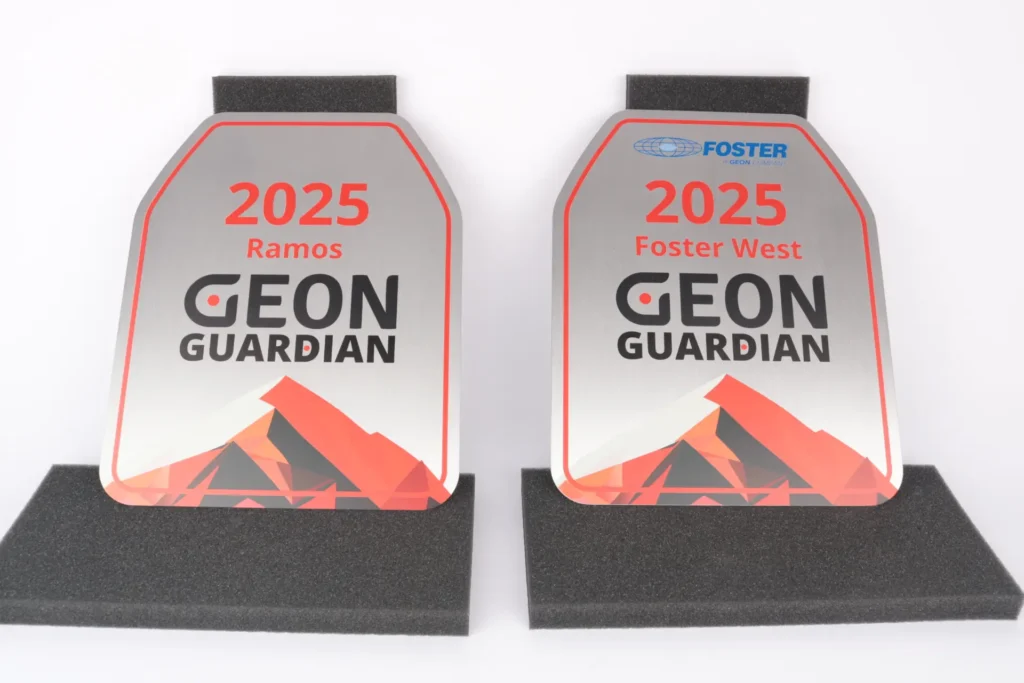
Innovative trophies created for global brands, esports tournaments and forward-thinking organizations.


When metal is the right choice
Metal is particularly effective when weight, permanence and precision are central to the design. It introduces natural density and structural stability, creating a physical presence that immediately communicates value and authority.
It is the preferred material for executive awards, financial recognition pieces and trophies that require a sense of credibility and long-term durability. In environments where refinement and professionalism matter, metal delivers a controlled, confident aesthetic. Its rigidity ensures reliable performance in both display settings and high-visibility event environments, even under frequent handling or transport.
Metal is also ideal when engraved details, contour-cut logos or fine typographic elements must remain sharp over time. Its dimensional stability preserves clarity and definition, ensuring that branding and information retain their integrity long after the moment of presentation.
Reviews
Bespoke trophies & awards for sports, esports, corporate and global events.
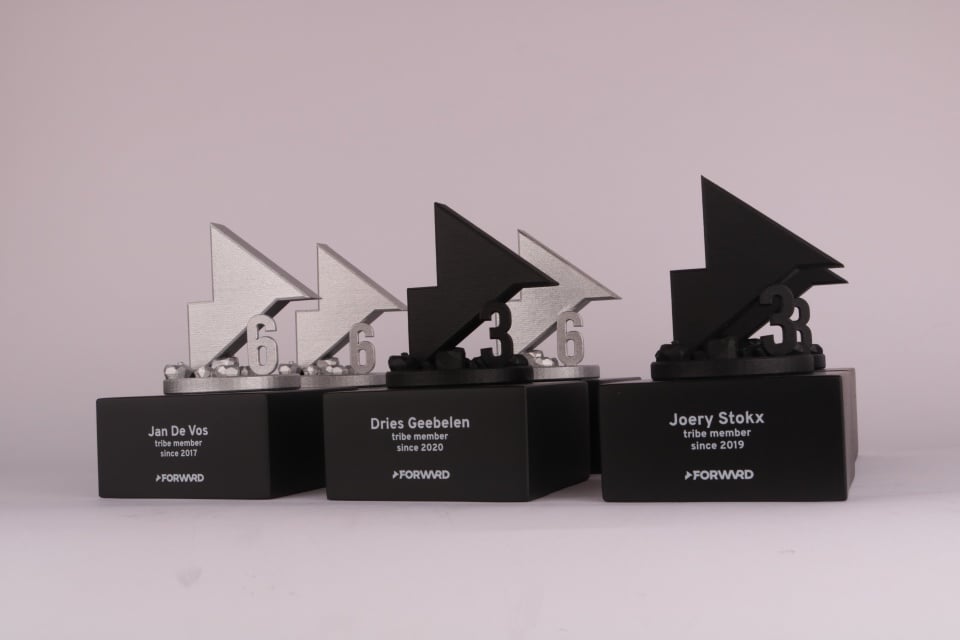
“We ordered a range of awards for our employees and were very happy with the result. Very personalized and unique.”
We ordered a range of awards for our employees. We were very happy with the result. Very personalized and unique! The team also accepts and picks up feedback to make sure we were happy with the result. Thanks team Fabit!The team actively listened to our feedback and made sure we were fully satisfied with the final outcome. Thanks, team Fabit.

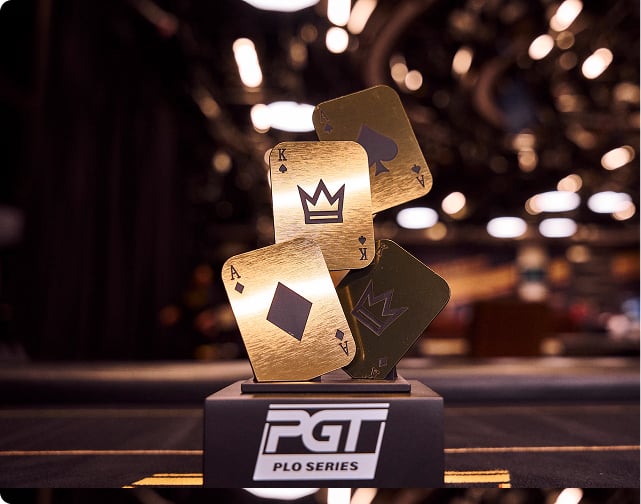
Fabit absolutely blew our expectations away with the 3D trophy for our PGT PLO Series in Las Vegas.
The players loved the look and feel. Fabit took our concept and delivered something even better than we envisioned. We will definitely work with them again.

Frequently Asked Questions
Everything you need to know about structural performance, finishing options and material behavior of metal in trophy and award design.

Senior Account Manager
What types of metal do you use for trophies and awards?
We primarily work with stainless steel, aluminum and brass, each selected for specific structural and aesthetic properties. Stainless steel is valued for its strength, rigidity and natural resistance to corrosion, making it highly suitable for structural components and long-term display pieces.
Aluminum offers a lighter alternative while maintaining dimensional stability and precision. It performs well in projects where weight control is important and supports a wide range of surface treatments, including anodizing and brushing.
Brass introduces a warmer tone and refined surface quality, often chosen for engraved plaques or accent elements. Final material selection depends on structural requirements, environmental conditions and the intended visual presence of the award.
Is metal strong enough for large-scale trophies?
Yes. Metal provides inherent rigidity and load-bearing capacity, making it suitable for both internal reinforcement and fully structural components in larger trophies. Its dimensional stability ensures that the piece maintains its form even under weight and repeated handling.
During the engineering phase, thickness, balance and connection points are carefully defined to guarantee structural integrity. This prevents deformation and ensures safe lifting, transport and presentation.
For oversized trophies or elevated designs, metal often acts as a stabilizing backbone. Its strength allows for confident construction without compromising visual elegance or proportional refinement.
Can metal components be combined with other materials?
Absolutely. Metal is frequently integrated with acrylic, crystal or 3D printed elements in hybrid constructions. In these combinations, metal often functions as the structural anchor that provides stability and controlled weight distribution.
Other materials can then introduce transparency, color or textural contrast without affecting mechanical reliability. This layered construction creates visual hierarchy while maintaining cohesion in the overall design.
Because integration is engineered from the start, materials interact structurally rather than being added superficially. The result is a balanced, refined piece where strength and aesthetics work seamlessly together.
What finishing options are available for metal?
Metal supports a wide range of professional finishing techniques, each influencing texture, reflectivity and durability. Common options include brushing for a refined matte surface, polishing for high-gloss reflectivity, and precision laser engraving for detailed branding.
Anodizing, plating and powder coating can also be applied depending on the metal type and environmental requirements. These treatments enhance corrosion resistance and visual depth while protecting the surface.
Finishing strategy is determined during the design phase to ensure compatibility with structural demands and the intended visual expression of the award.
Does metal corrode over time?
Corrosion resistance depends on the type of metal and the applied surface treatment. Stainless steel offers strong natural resistance to oxidation, making it suitable for long-term professional environments.
Aluminum and brass can be further protected through anodizing, plating or specialized coatings that improve resistance to wear and environmental exposure. These treatments extend both structural lifespan and aesthetic quality.
When properly specified and finished, metal components maintain clarity, stability and surface integrity for years, even in high-visibility or frequently handled settings.
Is metal suitable for engraved or detailed branding?
Yes. Metal is particularly well suited for precision engraving, contour cutting and fine typographic detailing. Its structural stability ensures that engraved lines remain sharp and legible over time.
Laser engraving and CNC machining allow highly controlled execution of logos, text and graphic elements. This makes metal ideal for awards that require accurate brand representation or formal documentation.
Because metal does not easily warp or degrade, detailed branding retains its clarity long after the moment of presentation.
Is metal heavier than other trophy materials?
Metal naturally has greater density than materials such as acrylic or composite structures. This added weight contributes to a sense of permanence and material value when the award is held or displayed.
However, structural integration is carefully engineered to prevent unnecessary mass in larger constructions. Thickness, hollowing strategies and support design are considered to maintain balance and safe handling.
The result is controlled weight distribution that enhances presence without compromising usability or structural efficiency.
Ready to Design
Your Next Iconic Trophy?
Let’s create something worth celebrating
Share your idea with us. We’ll design and produce a custom trophy that fits your brand,
your moment and your ambition, from first sketch to worldwide delivery.
- Response time: 24 hours
- Worldwide shipping